
Table of Contents >> Show >> Hide
- Meet the Melon (That’s Not Very Melony)
- Alternate Names You’ll See in Stores
- What It Looks Like
- When Is Winter Melon In Season?
- Nutrition Snapshot (Per 100 g, Approx.)
- Flavor & Texture: Why Chefs Love It
- Popular Uses Around the World
- How to Buy a Good One
- Storage & Food Safety
- Prep: From Cutting Board to Pot
- Cooking Methods (With Ideas)
- Winter Melon vs. Similar Ingredients
- Health & Wellness Angle (Without Hype)
- Step-by-Step: Simple Pork-Rib Winter Melon Soup
- Buying & Storing Checklist
- Frequently Asked Questions
- Quick Ideas to Use It Tonight
- Conclusion
- Personal & Kitchen-Tested Experiences with Winter Melon (500+ Words)
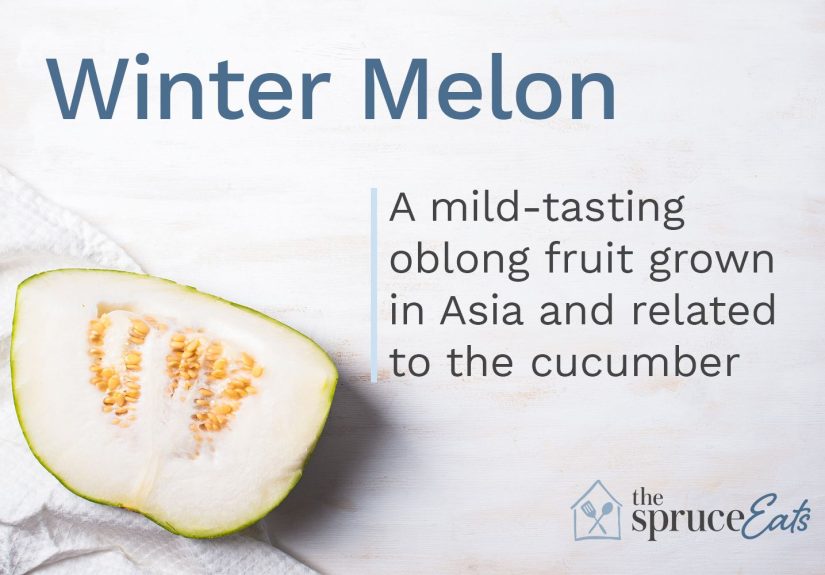
Short answer: winter melon (aka wax gourd, ash gourd, white gourd) is a giant, pale-green fruit eaten like a vegetable. It’s mild, adaptable, and beloved across Asian cuisinesfrom delicate soups to candied fillings and refreshing teas. Botanically, it’s Benincasa hispida, part of the cucurbit family with cucumbers, pumpkins, and squash.
Meet the Melon (That’s Not Very Melony)
Despite the name, winter melon isn’t sweet like a dessert melon. Raw, its flavor is subtlethink cucumber’s quiet cousinand its flesh turns silky and translucent when cooked. The “winter” title likely comes from its excellent keeping quality: once harvested in late summer or fall, the whole fruit stores for months, historically stretching vegetable supplies into winter.
Alternate Names You’ll See in Stores
- Wax gourd (English)
- Ash gourd (common in India)
- White gourd, winter gourd, Chinese watermelon
They all refer to the same species, though surface texture varies: some fruits develop a waxy, whitish bloom, others stay smoother and glossy.
What It Looks Like
Winter melons can be massiveeasily more than a foot long and, at times, very heavy. The rind is firm; the inside is pale, with a soft seed cavity. You’ll usually find it pre-cut into manageable wedges at Asian grocers, wrapped and labeled by weight.
When Is Winter Melon In Season?
You can find winter melon year-round in many markets, but it shines from late summer through fall when harvest peaks. If you’re buying in season, expect better texture and value.
Nutrition Snapshot (Per 100 g, Approx.)
Winter melon is extremely hydrating and low in caloriesa kitchen workhorse for light soups and stews:
- ~13 calories
- ~3 g carbs, ~3 g fiber
- Vitamin C ~14% DV; small amounts of B vitamins and minerals
Exact numbers vary by variety and ripeness, but the overall profile is consistent: light, low-cal, and mostly water.
Flavor & Texture: Why Chefs Love It
Winter melon is famous for absorbing seasoning. It’s like culinary blotting paper (in a good way): simmer it in stock and it drinks in aromatics; braise it with ginger and it becomes fragrant; steam it with mushrooms and it soaks up umami. This chameleon quality is why it’s a staple in Chinese banquet soups and savory broths served inside a carved melon “tureen.”
Popular Uses Around the World
- Chinese cuisine: classic winter melon soups (often with pork ribs or meatballs), stir-fries, and candies used in pastries like wife cakes.
- Taiwan & Southeast Asia: winter melon tea (冬瓜茶), a caramel-scented, cooling drink.
- India: ash gourd in curries and sweets (e.g., petha).
How to Buy a Good One
If buying a whole melon, look for a firm, heavy fruit with an intact rind and dull sheen or pale “waxy” bloom. For pre-cut wedges, the flesh should look crisp and pale, with no sliminess or deep discoloration at the cut. Seasonal purchases (late summer–fall) often yield snappier texture.
Storage & Food Safety
Whole: Store in a cool, well-ventilated place; whole winter melons can keep for weeks to months thanks to their hardy rind.
Cut: Wrap tightly and refrigerate; use within 3–5 days for best texture.
As a cucurbit, winter melon is related to squash and cucumbers. Very rarely, cucurbit relatives can develop intense bitterness due to compounds called cucurbitacinsdon’t eat any gourd that tastes unusually bitter; discard it. Cooking won’t remove that bitterness or its risk.
General postharvest logic applies: proper maturity and careful handling extend shelf life and quality.
Prep: From Cutting Board to Pot
- Trim the rind and slice off any waxy bloom.
- Halve or wedge the melon; scoop out seeds and pith.
- Cube or slice the flesh to your recipe’s size.
It softens quickly, so add near the end of cooking if you prefer gentle bite; overcooking makes it mushy.
Cooking Methods (With Ideas)
1) Simmered Soups
Pair winter melon with clear broths, ginger, white pepper, and protein (pork ribs, meatballs, chicken). The cubes turn tender and translucent while absorbing aromaticscomforting, clean, and restorative.
2) Stir-Fries
Quick-cook thin slices with garlic, dried shrimp, or shiitakes; finish with a splash of soy and toasted sesame oil. It’s a fast side that plays well with rich mains.
3) Braises
Braise larger chunks with ginger, scallion, and a dash of Shaoxing wine. The sauce glazes the melon while keeping its gentle texture.
4) Sweets & Teas
Cubed melon can be candied into translucent “jewels” for pastries, or simmered into a caramel-toned syrup for winter melon teafragrant, toasty, and refreshing over ice.
Winter Melon vs. Similar Ingredients
- Fuzzy melon (mo gwa): smaller and distinctly fuzzy when young; not the same as winter melon.
- Chayote: crisp like pear, but denser and more vegetal.
- Bottle gourd (lauki): swaps into similar soups, but flavor and shape differ.
- Cucumber: raw flavor is similar, but cucumber collapses with cooking.
Health & Wellness Angle (Without Hype)
Winter melon is mostly water and fiber, with a notable dose of vitamin C for its size. It fits neatly into low-calorie, high-volume cooking for lighter meals. Bold claims about “detoxing” are overstated; focus on its hydration, gentle fiber, and versatility.
Step-by-Step: Simple Pork-Rib Winter Melon Soup
- Blanch 1 lb (450 g) pork ribs to remove impurities; rinse.
- Simmer in 6 cups stock with ginger and scallion for 45–60 minutes.
- Add 4–5 cups cubed winter melon; simmer 10–15 minutes until translucent with slight bite.
- Season with salt/white pepper; finish with chopped scallions.
Key: don’t overcook the melon. You want it tender, not collapsing.
Buying & Storing Checklist
- Buy in peak season (late summer–fall) for crisp texture.
- For wedges: look for moist (not slimy) cut surfaces and firm, pale flesh.
- Store whole cool and dry; refrigerate wedges tightly wrapped.
- Always taste a tiny piece: if it’s very bitter, discard.
Frequently Asked Questions
Is winter melon actually a fruit?
Yesbotanically it’s a fruit of a vine (Cucurbitaceae), but it’s cooked like a vegetable.
Can I eat it raw?
It’s typically cooked for texture and flavor absorption, but very fresh, young slices can be eaten in some regional salads. Most recipes favor cooking.
How long will a cut piece last?
Use refrigerated wedges within a few days for best texture; quality declines as water seeps from the cut surface. General postharvest guidance supports prompt, cool storage for quality.
Quick Ideas to Use It Tonight
- Ginger–garlic stir-fry: Thin-slice melon; quick-fry with garlic, ginger, and a splash of soy.
- Meatball soup: Pork or chicken meatballs simmered in clear broth with melon and white pepper.
- Winter melon tea syrup: Simmer cubed melon with sugar until amber; strain for a concentrate to mix with water or milk tea.
Conclusion
Winter melon is the ultimate background singersoft-spoken solo, but transformational in an ensemble. If you love brothy soups, delicate braises, or pastry fillings with a nostalgic, candied chew, this veggie-fruit deserves a spot in your kitchen. With an easygoing flavor, friendly nutrition, long storage life, and year-round availability (peaking late summer to fall), consider it your versatile, lightly sweet, super-hydrating building block.
sapo: Winter melonalso called wax gourd or ash gourdhas a mild flavor and a talent for soaking up aromatics. Discover how to buy, prep, and cook it in soups, stir-fries, braises, candies, and tea; learn seasonality, storage, nutrition, and safety tips; and grab chef-tested ideas for using it tonight.
Personal & Kitchen-Tested Experiences with Winter Melon (500+ Words)
The first time I bought winter melon, I wildly overestimated my household’s biceps. The store had only whole melonsenormous, moon-lander size. I rolled it into the cart like a kettlebell, arm-day disguised as grocery shopping. Back home, I learned Rule #1: if you’re new to winter melon, ask the market to cut it into wedges. A tidy two-pound slab is infinitely easier to handle than a 20-pound behemoth.
Once portioned, the fun begins. My go-to weeknight play is a super simple broth: ginger coins, smashed garlic, white pepper, and a light chicken stock. I simmer cubed winter melon until it just turns pearly and translucentabout 10 minutes. If I can press a piece gently with chopsticks and it gives but doesn’t collapse, it’s done. A shower of scallions and a few drops of toasted sesame oil make it taste like I tried harder than I did.
On cooler evenings, I swap in pork ribs or tiny meatballs. The meat adds body to the broth, and the melon obligingly soaks up all that savory depth. It’s “cozy food” without heavinesscomfort you can slurp. If you’ve ever wished chicken noodle soup had fewer noodles and more vegetables, winter melon soup scratches that itch beautifully.
Stir-frying taught me another lesson: prep matters. I slice winter melon thinmatchstick or half-moonand blot it with a paper towel. That little step helps it sear rather than steam. A minute in a hot pan with aromatics and it turns tender-crisp. I love the combination of dried shrimp (soaked and chopped), ginger, and a splash of soy; the melon becomes quietly savory, a perfect side for grilled fish or teriyaki chicken.
Sweet applications surprised me most. Candied winter melon, which shows up in Chinese pastries, has a translucent, almost gem-like quality. Making it at home is a weekend project: slow simmer in sugar syrup, then a careful dry. The payoff is a chewy, glassy candy that’s nostalgic and perfect in fruitcakes or mooncake-style fillings. For a simpler treat, I simmer cubes with brown sugar until they turn golden and syrupy, then pour that over crushed ice with a squeeze of lemona backyard, DIY version of winter melon tea. It tastes like caramel met cucumber at the spa.
Storage-wise, wedges get the plastic-wrap-and-fridge treatment. I try to finish them within three to four days for best texture. If I have leftovers, I cube and par-cook them, then freeze in small bags. Frozen winter melon doesn’t keep its exact snap, but it’s excellent for quick soups. Dropping a handful of frozen cubes into hot broth feels like culinary cheating in the best possible way.
One caution I’ve learned to trust: always taste a tiny sliver raw before committing to a pot. Winter melon should be neutral to lightly vegetal. If it tastes intensely bitter, I don’t try to “save” itbitterness in gourds can signal cucurbitacins, which are a hard no even after cooking. That’s rare, especially from reputable markets, but it’s worth the two-second taste test.
My final pitch: if your fridge is full of loud personalitieskimchi, chili crisp, smoky barbecue leftoverswinter melon is the friend who brings everyone together. It never steals the scene, it just makes the scene better. Keep a wedge on hand and you’ll always have the base for a calming soup, a five-minute side, or a surprising sweet. After a few tries, you’ll start craving its delicate, soothing vibeespecially on those nights when dinner needs to be simple, sippable, and quietly satisfying.







 Close
Close