
Table of Contents >> Show >> Hide
- Why Food Matters During Your Period
- Best Foods To Eat When You’re on Your Period
- 1. Iron-Rich Foods for Energy and Blood Support
- 2. Omega-3 Foods for Inflammation Support
- 3. Magnesium-Rich Foods for Cramps, Sleep, and Mood
- 4. Calcium and Vitamin D Foods for PMS Support
- 5. Complex Carbohydrates for Steady Energy
- 6. Hydrating Foods To Help With Bloating
- 7. Protein-Rich Foods To Reduce Cravings
- Foods That May Help With Specific Period Symptoms
- Foods and Drinks To Limit During Your Period
- A Simple Period Meal Plan
- What To Eat on the First Day of Your Period
- What To Eat Before Your Period Starts
- When Period Symptoms Need Medical Attention
- Real-Life Experiences: Eating Better During Your Period
- Conclusion
When your period arrives, your body may suddenly act like it has a tiny dramatic theater troupe living inside it. One minute you want a salad, the next minute you are emotionally committed to a brownie, and somewhere in the middle your uterus is doing interpretive dance. The good news? What you eat when you’re on your period can genuinely affect how you feel.
No food can magically cancel cramps, bloating, fatigue, headaches, or mood swings. If such a snack existed, it would have its own national holiday. But nutrition can support your body during menstruation by helping stabilize energy, replenish key nutrients, reduce inflammation, ease digestion, and keep cravings from driving the bus. The best period foods are not complicated or fancy. Think iron-rich meals, hydrating fruits, whole grains, omega-3 fats, calcium-rich foods, magnesium sources, and warm, comforting dishes that do not leave you feeling like a sleepy balloon.
This guide explains what to eat during your period, what foods may worsen symptoms, and how to build simple meals that work with your cycle instead of against it.
Why Food Matters During Your Period
During menstruation, the uterus sheds its lining. That process is influenced by hormone shifts and compounds called prostaglandins, which help the uterus contract. Higher prostaglandin activity is linked with stronger cramps in many people. At the same time, blood loss can slightly affect iron levels, especially for those with heavy periods. Hormonal changes may also influence appetite, digestion, water retention, mood, and sleep.
That is why a smart period diet is not about restriction. It is about support. Your body is already doing a monthly renovation project; it does not need you yelling at it with a sad desk salad and three crackers. It needs steady fuel, hydration, and nutrients that help muscles, nerves, blood, digestion, and mood function well.
Best Foods To Eat When You’re on Your Period
1. Iron-Rich Foods for Energy and Blood Support
Iron is one of the most important nutrients to focus on during your period, especially if your flow is heavy. Iron helps your body make hemoglobin, the protein in red blood cells that carries oxygen. Low iron can contribute to fatigue, weakness, dizziness, shortness of breath, and that “why does walking upstairs feel like climbing a mountain?” feeling.
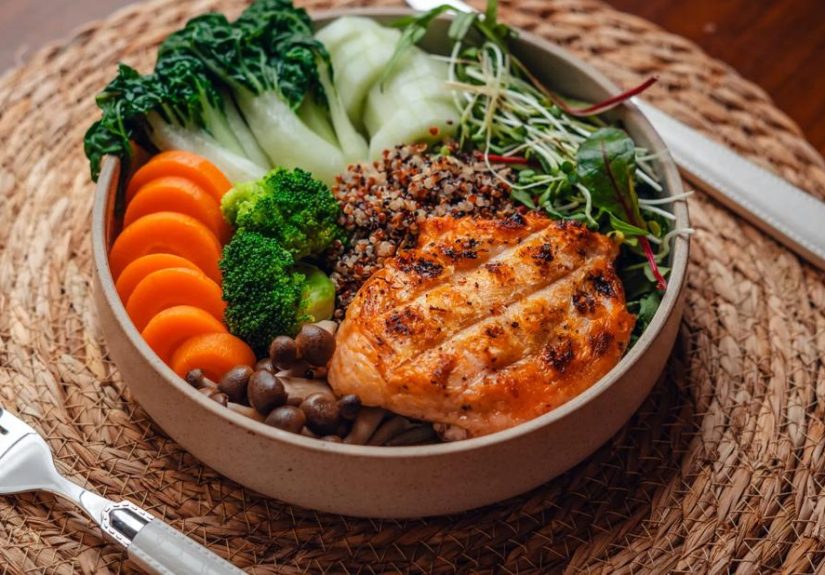
Good iron-rich foods include lean beef, turkey, chicken, eggs, tuna, salmon, sardines, lentils, beans, tofu, spinach, pumpkin seeds, quinoa, and fortified cereals. Heme iron from animal foods is generally absorbed more easily, while non-heme iron from plant foods benefits from a vitamin C buddy.
Try pairing lentil soup with tomatoes, spinach with strawberries, beans with bell peppers, or fortified oatmeal with orange slices. Your body absorbs plant-based iron better when vitamin C is part of the meal. It is the nutritional equivalent of bringing a friend who knows how to get into the club.
2. Omega-3 Foods for Inflammation Support
Omega-3 fatty acids are healthy fats that help support the body’s inflammatory balance. Since menstrual cramps are partly connected to inflammatory pathways, eating omega-3-rich foods may be helpful for some people.
Excellent sources include salmon, sardines, trout, mackerel, tuna, chia seeds, flaxseeds, walnuts, hemp seeds, and edamame. A period-friendly meal could be salmon with brown rice and roasted broccoli, or a chia pudding topped with berries and walnuts.
If fish is not your thing, plant-based omega-3 foods are still worth including. Add ground flaxseed to oatmeal, sprinkle chia seeds into yogurt, or toss walnuts into a salad. Tiny seeds, big main-character energy.
3. Magnesium-Rich Foods for Cramps, Sleep, and Mood
Magnesium supports muscle and nerve function, and it may help some people with menstrual cramps, headaches, sleep quality, and irritability. Many magnesium-rich foods are also high in fiber and complex carbohydrates, making them a double win during your period.
Top choices include pumpkin seeds, almonds, cashews, spinach, black beans, dark chocolate, avocado, bananas, brown rice, oatmeal, and tofu. A magnesium-friendly snack could be banana with almond butter, a small square of dark chocolate with walnuts, or avocado toast on whole-grain bread.
Dark chocolate deserves a respectful mention here. It contains magnesium and can satisfy sweet cravings. Choose a small portion of darker chocolate when possible, because eating an entire candy aisle may make your blood sugar and mood behave like a roller coaster designed by a raccoon.
4. Calcium and Vitamin D Foods for PMS Support
Calcium is linked with muscle function, nerve signaling, and bone health. Some research also suggests calcium, especially with adequate vitamin D, may help reduce certain PMS symptoms such as mood changes, fatigue, cravings, and bloating.
Calcium-rich foods include yogurt, milk, kefir, cheese, fortified plant milks, calcium-set tofu, canned salmon with bones, sardines, collard greens, kale, bok choy, and fortified orange juice. Vitamin D is found in fortified dairy or plant milk, fatty fish, egg yolks, and some fortified cereals, though many people also rely on sunlight exposure and supplements when recommended by a healthcare professional.
A simple period breakfast might be Greek yogurt with berries, chia seeds, and granola. It offers calcium, protein, fiber, and enough crunch to make breakfast feel less like homework.
5. Complex Carbohydrates for Steady Energy
Carbohydrates are not the enemy during your period. In fact, complex carbohydrates can be extremely helpful because they provide steady energy and support serotonin production, which may influence mood and cravings.
Choose oats, brown rice, quinoa, sweet potatoes, whole-grain bread, barley, beans, lentils, and fruit. These foods digest more slowly than sugary snacks, helping you avoid the blood sugar spike-and-crash cycle that can worsen fatigue and irritability.
Try oatmeal with banana and peanut butter, a sweet potato bowl with black beans and avocado, or quinoa with roasted vegetables and chicken. Comfort food can still be nourishing. Your period does not require you to eat like a monk in a wellness documentary.
6. Hydrating Foods To Help With Bloating
It sounds backward, but drinking enough water and eating hydrating foods can help reduce water retention. When you are dehydrated, your body may hold onto fluid more aggressively. Add in salty snacks and hormonal shifts, and suddenly jeans become a personal attack.
Hydrating foods include watermelon, oranges, strawberries, cucumber, celery, lettuce, zucchini, soups, smoothies, and herbal teas. Warm drinks such as ginger tea, peppermint tea, or chamomile tea can also feel soothing when cramps or bloating show up.
Soup is especially underrated during menstruation. A bowl of chicken vegetable soup, lentil soup, miso soup, or minestrone offers fluid, minerals, protein, and comfort. It is basically a cozy blanket with a spoon.
7. Protein-Rich Foods To Reduce Cravings
Protein helps stabilize blood sugar and keeps you full longer. This matters when cravings hit hard. If your meal is mostly refined carbs, you may feel satisfied for about 12 minutes before your body starts negotiating for cookies.
Great protein options include eggs, Greek yogurt, cottage cheese, chicken, turkey, fish, tofu, tempeh, beans, lentils, edamame, nuts, seeds, and lean meats. Aim to include protein at breakfast and lunch, not just dinner. That one change can make afternoon cravings much easier to manage.
Examples include scrambled eggs with spinach, yogurt with fruit and seeds, tofu stir-fry, tuna on whole-grain toast, or a bean-and-rice bowl with salsa and avocado.
Foods That May Help With Specific Period Symptoms
For Cramps
Choose omega-3 foods, magnesium-rich foods, warm meals, and anti-inflammatory ingredients. Salmon, sardines, chia seeds, walnuts, spinach, pumpkin seeds, ginger, turmeric, berries, and leafy greens are all smart additions.
For Bloating
Focus on water, herbal tea, potassium-rich foods, and lower-sodium meals. Bananas, avocado, potatoes, spinach, oranges, cucumber, yogurt, and soups can be helpful. Eating smaller meals more often may also reduce that overly full feeling.
For Fatigue
Build meals around iron, protein, complex carbs, and hydration. Try eggs with whole-grain toast, lentil soup, chicken with sweet potato, tofu with brown rice, or fortified cereal with milk and fruit. If your fatigue is severe or your periods are very heavy, talk with a healthcare professional about checking iron levels.
For Mood Swings
Choose steady blood-sugar foods: protein, fiber, healthy fats, and complex carbs. Oatmeal, Greek yogurt, nuts, seeds, beans, salmon, berries, and whole grains are useful choices. Limiting alcohol and too much caffeine may also help some people feel more emotionally balanced.
For Cravings
Do not fight cravings like they are a villain in a superhero movie. Work with them. Want chocolate? Try dark chocolate with almonds. Want something salty? Try popcorn with a light sprinkle of salt or roasted chickpeas. Want something sweet? Try yogurt with berries and honey. Want comfort food? Make a balanced version with protein, fiber, and flavor.
Foods and Drinks To Limit During Your Period
You do not have to ban any food forever. Still, some foods and drinks may make period symptoms worse for certain people, especially when eaten in large amounts.
Too Much Salt
High-sodium foods can increase water retention and bloating. During your period, you may want to limit heavily processed snacks, fast food, instant noodles, salty deli meats, and packaged meals. If you crave crunch, try lightly salted popcorn, nuts, roasted edamame, or cucumber slices with hummus.
Excess Added Sugar
Sugary foods can cause quick blood sugar spikes followed by crashes, which may worsen fatigue, headaches, and mood swings. You can still enjoy dessert, but pair sweets with protein or fiber when possible. A cookie after a balanced meal is different from three cookies as breakfast. Your pancreas knows the difference.
Too Much Caffeine
Caffeine affects people differently. For some, coffee helps energy and mood. For others, too much caffeine can worsen anxiety, breast tenderness, sleep problems, digestive upset, or headaches. If you notice symptoms getting worse, try reducing caffeine or switching to tea during your period.
Alcohol
Alcohol can affect sleep, hydration, mood, digestion, and inflammation. If your period already comes with cramps or fatigue, alcohol may make things more uncomfortable. Consider limiting it, especially during the first couple of days of bleeding.
Greasy, Fried, or Ultra-Processed Foods
Fried foods and ultra-processed meals may be low in fiber and high in salt, added sugar, or less helpful fats. They can leave you feeling sluggish or bloated. Enjoy them occasionally if you want, but try not to make them the foundation of your period menu.
A Simple Period Meal Plan
Breakfast Ideas
Try oatmeal with banana, chia seeds, walnuts, and a spoonful of peanut butter. Another good option is Greek yogurt with berries, granola, and pumpkin seeds. If you prefer savory breakfasts, make eggs with spinach and whole-grain toast.
Lunch Ideas
A salmon rice bowl with avocado, cucumber, and greens gives you omega-3 fats, complex carbs, fiber, and protein. Lentil soup with tomatoes and a side of fruit is another excellent choice, especially if you want iron and hydration in one cozy meal.
Dinner Ideas
Try turkey chili with beans, tofu stir-fry with brown rice, chicken with roasted sweet potatoes, or sardines on whole-grain toast with a salad. Keep dinner satisfying but not so heavy that it worsens bloating or sleep.
Snack Ideas
Good period snacks include banana with almond butter, trail mix, hummus with vegetables, cottage cheese with fruit, dark chocolate with walnuts, roasted chickpeas, edamame, smoothies, and herbal tea with a small piece of chocolate.
What To Eat on the First Day of Your Period
The first day is often when cramps and fatigue are most noticeable. Keep meals warm, easy to digest, and nutrient-dense. A good first-day menu might include oatmeal for breakfast, lentil soup for lunch, ginger tea in the afternoon, and salmon with rice and vegetables for dinner.
If your appetite is low, go smaller and more frequent. Smoothies, soups, yogurt bowls, scrambled eggs, bananas, toast, and rice bowls can be easier to handle than large heavy meals. Your body does not need perfection. It needs consistency.
What To Eat Before Your Period Starts
The days before your period are a smart time to prepare. PMS symptoms may improve when you focus on calcium-rich foods, complex carbohydrates, protein, magnesium, and hydration. This is also the time to reduce extreme salt and sugar intake if you know bloating and cravings are coming.
Stock your kitchen with easy foods before your period starts: Greek yogurt, eggs, berries, bananas, oats, soup ingredients, frozen vegetables, canned beans, tuna, salmon packets, tofu, nuts, dark chocolate, and herbal tea. Future you will be grateful. Future you may even stop dramatically opening the fridge and sighing.
When Period Symptoms Need Medical Attention
Food can support menstrual health, but it should not be used as a replacement for medical care. Talk with a healthcare professional if your cramps are severe, your bleeding is very heavy, your period lasts longer than usual, you pass large clots, you feel dizzy or faint, you have bleeding between periods, or your symptoms interfere with school, work, sleep, or daily life.
Conditions such as endometriosis, fibroids, adenomyosis, pelvic inflammatory disease, thyroid disorders, and iron deficiency anemia can affect menstrual symptoms. If something feels wrong, do not let anyone dismiss it as “just a period.” Pain that takes over your life deserves attention.
Real-Life Experiences: Eating Better During Your Period
One of the most practical lessons about period eating is that the best plan is the one you can actually follow when you are tired, crampy, and not in the mood to wash seventeen dishes. Many people start with big ambitions: green smoothies, perfectly portioned grain bowls, fresh fish, homemade soup, and a fridge that looks like a wellness influencer moved in. Then day one arrives, cramps kick in, and suddenly cereal from the box looks like a reasonable dinner. The trick is not to aim for perfection. The trick is to make the better choice easier than the chaotic one.
A helpful experience-based approach is to prepare a small “period food kit” before symptoms begin. This can include instant oatmeal, bananas, nut butter, herbal tea, dark chocolate, microwave rice, canned salmon or tuna, soup, frozen vegetables, Greek yogurt, and roasted nuts. These foods are quick, comforting, and more supportive than relying only on chips, candy, and coffee. They also help reduce decision fatigue, which is very real when your lower abdomen is sending angry emails.
Another common experience is learning that cravings are often signals, not failures. A chocolate craving may mean you want comfort, quick energy, or magnesium-rich foods. A craving for salty snacks may show up when you are tired, stressed, or not eating enough satisfying meals. Instead of ignoring cravings until they become louder, build them into balanced snacks. Dark chocolate with almonds, popcorn with nutritional yeast, yogurt with honey, or toast with peanut butter can satisfy the craving while giving your body something useful.
Many people also notice that breakfast makes a big difference. Skipping breakfast during your period can lead to stronger cravings later in the day, especially for sugar and caffeine. A simple breakfast with protein and complex carbs, such as eggs with toast or oatmeal with nuts, can make the whole day feel steadier. It may not turn you into a glowing productivity machine, but it can help you avoid the 3 p.m. snack spiral where one cookie somehow becomes a committee meeting with six cookies.
Hydration is another lesson people often learn the hard way. Bloating may make you want to drink less water, but that can backfire. Warm drinks, fruit, soups, and water-rich foods can be easier than forcing down plain water all day. Ginger tea, peppermint tea, or warm lemon water can feel soothing, especially when paired with a heating pad and comfortable clothes that do not judge your waistband.
Finally, the most important experience is personalization. Some people feel better with dairy; others feel worse. Some can drink coffee with no issue; others notice more anxiety or cramps. Some feel great with beans and lentils; others get bloated. Track your symptoms for a few cycles and look for patterns. Your best period diet is not a strict internet rulebook. It is a flexible routine that helps you feel more human during a week when your body is doing a lot behind the scenes.
Conclusion
Knowing what to eat when you’re on your period is not about chasing a perfect diet. It is about giving your body the support it needs while hormones, cramps, cravings, and energy levels fluctuate. Focus on iron-rich foods for blood and energy, omega-3 fats for inflammation support, magnesium for muscles and mood, calcium and vitamin D for PMS support, complex carbohydrates for steady fuel, and hydrating foods for bloating. Limit excess salt, added sugar, alcohol, and too much caffeine if they worsen your symptoms.
Most importantly, be kind to yourself. A nourishing period diet can include salmon, spinach, lentils, oats, yogurt, berries, soup, and yes, chocolate. Your body is not asking for punishment. It is asking for care, warmth, and maybe a snack that does not come with a lecture.
Note: This article is for general educational purposes and is based on current medical and nutrition guidance from reputable health organizations and clinical nutrition resources. It should not replace personalized advice from a qualified healthcare professional.






 Close
Close