
Table of Contents >> Show >> Hide
- Why Our Registry Wasn’t Just a Fancy Shopping Cart
- What We Actually Registered For
- 1. Kitchen Workhorses We’d Use All the Time
- 2. Dinnerware and Glassware That Could Survive Actual Living
- 3. Bed and Bath Upgrades That Felt Like Adulting in the Best Way
- 4. Hosting Essentials for the Kind of Entertaining We’d Actually Do
- 5. Home Items Beyond the Kitchen
- 6. Cash Funds and Experiences
- What We Skipped on Purpose
- How We Built a Registry That Guests Could Actually Shop
- The Real Lesson We Learned
- Our Experience: What the Registry Process Was Really Like
- Conclusion
Building a wedding registry sounds simple until you actually sit down to do it. Then it becomes a strangely emotional group project starring two laptops, three open tabs, and one heated debate about whether any couple in human history has truly needed a gravy boat. What starts as “Let’s add a few practical things” can spiral into “Should we become the kind of people who own linen cocktail napkins?”
That’s the funny thing about a wedding registry: it looks like shopping, but it’s really life planning in disguise. The best registries are not giant wish lists full of fantasy selves. They are edited, honest, and surprisingly revealing. They tell the story of how a couple cooks, hosts, travels, sleeps, cleans, and spends a Sunday morning. Ours ended up being less about impressing guests and more about building a home that worked for the two of us.
So what did we register for when we got married? Not twelve silver goblets for our future castle, sadly. We registered for the things we knew we would actually use, a few upgraded versions of everyday staples, some hosting pieces that made sense for our lifestyle, and a couple of bigger-ticket dreams we would probably never buy for ourselves. In other words, we registered like two people who planned to live in the real world, not in a bridal catalog where everyone apparently throws candlelit dinner parties on a Tuesday.
Why Our Registry Wasn’t Just a Fancy Shopping Cart
The smartest modern registry advice boils down to one principle: register for your real life. Not your aspirational life five years from now. Not your mother’s idea of married life. Not the version of you who suddenly starts hosting twelve-person formal dinners every other weekend because you got a ring and a seating chart.
We approached our registry by asking simple questions. What do we use every week? What do we keep replacing with cheap versions? What would make daily life easier? What would help us host people comfortably? And what would feel like a genuine upgrade as we started married life together?
Once we asked the right questions, the answers became much clearer. Our registry started looking less like a random pile of products and more like a blueprint for the home we wanted.
What We Actually Registered For
1. Kitchen Workhorses We’d Use All the Time
The kitchen got the most attention, and for good reason. It is where a registry earns its keep. If you cook even a little, your kitchen items will get more action than almost anything else on the list.
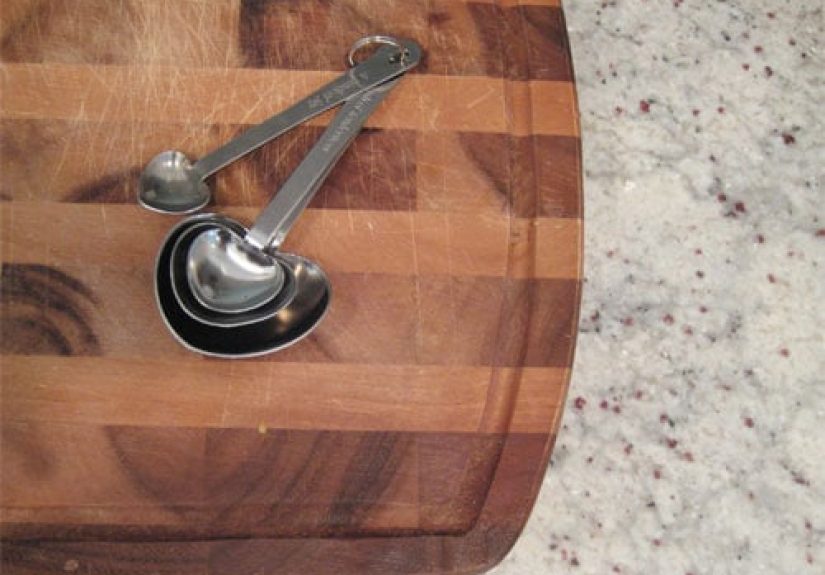
We registered for quality cookware instead of giant matching sets loaded with pieces we’d never touch. A good Dutch oven, a dependable skillet, a sturdy saucepan, and a sheet pan or two made far more sense than owning fourteen pans and only loving three of them. We also added mixing bowls, measuring tools, sharp knives, cutting boards, food storage containers, and durable bakeware.
Then came the “we want this, but we definitely won’t buy it ourselves” category: a blender, an espresso machine, and a few small appliances that genuinely matched our habits. That was the key. We didn’t add gadgets just because they looked fun. We added the ones we knew would come out of the cabinet regularly instead of becoming expensive shelf décor with a power cord.
A stand mixer made the cut because one of us bakes when stressed and the other stress-eats, which felt like a sustainable marital system. A high-quality coffee setup also made sense because our daily caffeine routine is less of a preference and more of a constitutional right.
2. Dinnerware and Glassware That Could Survive Actual Living
We skipped the idea that every married couple must register for ultra-formal china as if a butler might appear unannounced. Instead, we focused on versatile dinnerware that looked polished enough for guests but was sturdy enough for Tuesday night pasta.
That meant everyday plates, bowls, mugs, and flatware in a timeless style. We chose neutral pieces that could handle dishwasher duty and still look good on a table when friends came over. For glassware, we kept it simple: wine glasses, all-purpose water glasses, and a couple of entertaining-friendly pieces instead of every possible vessel known to the beverage world.
The goal was not to build a museum. The goal was to own things we would reach for constantly. Beautiful but practical won every argument.
3. Bed and Bath Upgrades That Felt Like Adulting in the Best Way
Wedding registries are one of the few moments in life when people will cheerfully help fund your dream of sleeping better. You should absolutely take advantage of that.
We registered for sheets we actually wanted to crawl into, quality pillows, a duvet insert, extra pillowcases, and a blanket that looked nice draped at the end of the bed but was really there because one of us is always cold. We also added bath towels that were fluffy enough to feel luxurious and practical enough to survive repeated laundering without turning into sad washcloths with ambition.
Bath mats, robes, and a few bathroom storage pieces also made the list. None of it was particularly flashy, but all of it made everyday life feel better. That, to us, was the whole point.
4. Hosting Essentials for the Kind of Entertaining We’d Actually Do
We were honest with ourselves: we were not suddenly becoming black-tie hosts who served lobster on tiered platters. But we did love having people over. So we registered for entertaining pieces that matched our actual style.
That included serving bowls, platters, a cheese board, cloth napkins, pitchers, and bar tools. We also added a cake knife and server set because it felt sentimental, useful, and just old-school enough to be charming instead of dusty. These were the kinds of pieces that could work for holidays, birthdays, casual dinners, and the occasional “we cleaned for twenty minutes, please admire our home” gathering.
We also loved the idea of pieces that could pull double duty. A bar cart could become storage. A tray could work in the entryway, the coffee table, or the bedroom. The best registry items were not one-trick ponies. They were multitaskers.
5. Home Items Beyond the Kitchen
One of the biggest registry shifts in recent years is that couples are thinking beyond plates and toasters. We did too. We added things like lamps, frames, storage baskets, a vacuum upgrade, and a few décor items that were flexible rather than hyper-specific.
That flexibility mattered. Home style changes. Apartments change. Budgets change. We did not want a registry full of trendy items that would feel dated before our thank-you cards were finished. So we leaned toward timeless, neutral, and useful.
We also gave ourselves permission to add a few bigger pieces that felt meaningful: maybe a rug, luggage, or a piece of furniture that would anchor the next chapter of our shared home. Group gifting makes those bigger items more realistic, and they often end up being some of the most memorable gifts on a registry.
6. Cash Funds and Experiences
Not every registry gift needs to live on a shelf. Some of the best modern registries include cash funds or experience-based gifts, and frankly, that makes perfect sense. Couples may already live together, already own the basics, or simply care more about a honeymoon, house fund, or future project than about acquiring a second blender.
We included experience-oriented gifts because they reflected our priorities. Travel mattered. Shared experiences mattered. Starting married life without accumulating random clutter mattered. A registry should support the life you’re trying to build, not trap you in someone else’s script.
What We Skipped on Purpose
Just as important as what we added was what we left off. We skipped bulky single-use gadgets unless they clearly matched how we already lived. We skipped overly formal pieces we knew would spend 362 days a year in a cabinet. We skipped duplicate appliances “just in case.” We skipped décor that felt too tied to one exact home or one passing aesthetic phase.
We also avoided the trap of registering for an imaginary future identity. You know the one. The couple who hand-polishes crystal, serves soup from a tureen, and casually owns enough specialty barware to open a cocktail lounge. Lovely in theory. Not us. And that honesty saved our registry from becoming a very elegant storage problem.
How We Built a Registry That Guests Could Actually Shop
A good registry is not just about the couple. It should also be easy and satisfying for guests to use. So we made sure our list had a healthy mix of price points. Some people love giving a practical $30 gift. Others want to go in on a larger item. A thoughtful registry gives everyone options without making things awkward.
We also kept our list full. That sounds obvious, but it matters. Items get purchased. Shower guests shop earlier than wedding guests. Last-minute buyers appear with heroic levels of panic. Keeping the registry updated meant there were always choices available.
And because etiquette still matters, we treated the registry like a helpful tool, not a flashing billboard. A registry should make gift-giving easier, not make guests feel like they’ve entered a checkout funnel in a tuxedo.
The Real Lesson We Learned
In the end, our registry was not a test of taste or status. It was a quiet little exercise in figuring out what mattered to us as a couple. Did we want things that looked impressive, or things that worked hard? Did we want to perform adulthood, or actually enjoy it? Did we want gifts that photographed well, or gifts that made our home run better?
We chose usefulness with personality. Comfort with style. Quality over quantity. And we learned that the best registry isn’t the longest one or the fanciest one. It’s the one that sounds like you.
That’s what we registered for when we got married: not just products, but patterns. Morning coffee. Better sleep. Easier dinners. More welcoming weekends. A home that felt shared, intentional, and genuinely ours. Which is a much nicer beginning than twelve champagne flutes and a gravy boat we’d only use if royalty stopped by.
Our Experience: What the Registry Process Was Really Like
If I’m being honest, building our registry was one of the first times marriage stopped feeling abstract and started feeling hilariously practical. Before that, wedding planning had been full of mood boards, dates, menus, logistics, and the occasional identity crisis over napkin colors. The registry was different. It asked a much less glamorous question: “How do you two actually live?”
That question followed us into every decision. We learned quickly that we had very different shopping instincts. One of us wanted to be efficient and register for the essentials in an hour. The other treated the process like a mini thesis on domestic life, complete with product comparisons, finish options, and the kind of deep research usually reserved for buying a car. Somewhere between “just add the plates” and “we need to understand the entire philosophy of bedding,” we found our rhythm.
There was also something unexpectedly revealing about standing in a store or scrolling through a registry checklist and talking through choices. A skillet is never just a skillet. It turns into a conversation about who cooks, what you make, how often friends come over, and whether your dream weekend involves pancakes, takeout, or both. A duvet becomes a discussion about comfort, temperature, sleep habits, and why one person believes decorative pillows are a scam invented by the textile industry.
We also discovered how easy it is to confuse tradition with obligation. At first, there was a weird pressure to register “correctly,” as if married life came with a secret starter pack that everyone else had received. But the more we looked, the more obvious it became that the smartest choices were the ones that felt boringly honest. We did not need items just because they had been registry staples for decades. We needed things that matched our apartment, our routines, and our budget-shaped dreams.
Some of the most satisfying additions were not the flashy gifts. They were the things we knew would improve daily life in small, steady ways: better towels, durable cookware, a lamp that made the room feel finished, storage that kept clutter from staging a full rebellion. Those choices felt grown-up in the best sense. Not stuffy. Not performative. Just useful.
The funniest part was how often our registry turned into future-casting. We weren’t only picking objects; we were imagining rhythms. Would we host Thanksgiving? Probably not immediately. Would we have friends over for pasta and wine? Absolutely. Would we take a honeymoon fund over a third decorative serving tray? Without hesitation. Little by little, the registry became a portrait of the life we hoped to build: warm, functional, welcoming, a little unfussy, and caffeinated.
Looking back, I understand why so many couples remember their registry more vividly than they expect. It is not just a list of gifts. It is one of the first places where your shared priorities become visible. You learn what you both value, where you compromise, what makes a home feel comforting, and which decisions are worth debating. In our case, apparently, that included flatware, towels, and a coffee machine with suspiciously emotional significance.
Would I do anything differently? Only this: I’d stress less about making the registry look impressive and focus even faster on making it feel useful. The gifts we appreciated most were the ones that slipped seamlessly into our life. They made the mornings smoother, the dinners easier, the house more welcoming, and the ordinary days a little nicer. And that, ultimately, is what a great wedding registry should do. It should not just celebrate the wedding. It should support the marriage.
Conclusion
If you’re wondering what to register for when you get married, start with honesty. Register for what you cook with, sleep on, host with, pack in, and reach for every single week. Add a few dream items, keep your price points varied, and leave room for cash funds or experiences if they fit your life better. The best wedding registry is not the one with the most stuff. It’s the one with the most intention.







 Close
Close