
Table of Contents >> Show >> Hide
- Why Sitting Can Make Psoriatic Arthritis Pain Worse
- Common Sitting-Related PsA Symptoms
- The Golden Rule: Change Position Before Your Body Complains
- Desk and Chair Setup: Small Adjustments, Big Difference
- Gentle Seated Movements for Stiff Joints
- Heat, Cold, and the Art of Not Overcomplicating Relief
- Low-Impact Exercise: The Long-Term Stiffness Strategy
- Morning Stiffness and the “Before You Stand” Routine
- Driving, Travel, and Long Sitting Sessions
- Pacing: How to Move Without Overdoing It
- When Medication and Medical Care Matter
- Food, Sleep, Stress, and Stiffness
- Workplace Tips for Sitting Pain
- A Simple 5-Minute Anti-Stiffness Routine
- Experience Notes: What Sitting Pain Feels Like in Real Life
- Conclusion
Sitting is supposed to be the easy part of the day. You sit to work, eat, drive, watch a show, answer emails, or take a “five-minute break” that somehow becomes a small documentary marathon. But if you live with psoriatic arthritis, sitting too long can feel less like resting and more like slowly turning into a lawn chair with opinions.
Psoriatic arthritis, often called PsA, is an inflammatory form of arthritis that can cause joint pain, swelling, stiffness, fatigue, tendon discomfort, back pain, and changes in mobility. For many people, the problem is not only movementit is also the lack of movement. After sitting for a while, joints may feel locked, muscles may tighten, and standing up can require a short negotiation with your knees, hips, spine, or feet.
The good news: small, realistic changes can make sitting less painful. You do not need to become a yoga influencer, purchase a spaceship-looking office chair, or stretch every hour with the grace of a ballet dancer. Relief often comes from simple habits done consistently: moving before stiffness builds, supporting your joints, using heat and cold strategically, strengthening the muscles around painful joints, and knowing when to call your healthcare provider.
Why Sitting Can Make Psoriatic Arthritis Pain Worse
Psoriatic arthritis is driven by inflammation, and that inflammation can affect joints as well as the places where tendons and ligaments attach to bone. This is one reason PsA pain may show up in the knees, hips, fingers, toes, heels, lower back, neck, or shoulders. Some people feel stiffness in one or two joints; others feel it across several areas at once.
When you sit for a long time, your body stays in a shortened, still position. Hips bend. Knees stay flexed. Ankles barely move. Shoulders round forward. Your lower back may slump, especially if your chair has all the support of a tired pancake. Over time, muscles tighten, blood flow slows, and joints may feel less lubricated. If inflammation is already active, that stillness can make everything feel heavier, tighter, and more stubborn when you finally stand.
This does not mean sitting is “bad” or that rest has no place in PsA management. Rest matters, especially during flares. The trick is avoiding long, motionless stretches that let stiffness gain momentum. Think of movement as a gentle reset button, not a punishment.
Common Sitting-Related PsA Symptoms
Psoriatic arthritis can feel different from person to person, but sitting-related discomfort often follows a familiar pattern. You may feel fine at first, then notice stiffness after 20, 30, or 60 minutes. The first few steps after standing may feel awkward, slow, or painful. Some people describe it as “rusty hinges,” while others feel a deep ache in the hips, lower back, knees, or feet.
Symptoms to watch for include:
- Joint stiffness after sitting for a long time
- Lower back or hip pain when getting up from a chair
- Knee stiffness after desk work or driving
- Heel, ankle, or foot pain after standing
- Muscle tightness in the thighs, calves, shoulders, or neck
- Swollen fingers or toes
- Fatigue that makes movement feel harder than usual
If stiffness improves once you start moving, that is a clue that your body may need more frequent motion breaks. If pain is sharp, worsening, associated with visible swelling, or does not improve with usual self-care, it is time to contact a healthcare professional.
The Golden Rule: Change Position Before Your Body Complains
With psoriatic arthritis, waiting until you feel stiff is like waiting until your phone is at 1% before looking for a charger. Technically possible, but stressful. A better approach is to change position before pain and stiffness peak.
Try setting a gentle movement reminder every 30 to 45 minutes. This does not have to mean a full workout. Stand up, shift your weight, roll your shoulders, walk to the kitchen, or do a few slow heel raises. If you are in a meeting, even subtle movements count: ankle circles, toe taps, seated marches, shoulder blade squeezes, or gentle neck turns.
The goal is not to burn calories during every break. The goal is to remind your joints and muscles that they are still invited to the party.
Desk and Chair Setup: Small Adjustments, Big Difference
A perfect ergonomic setup will not cure psoriatic arthritis, but a poor setup can absolutely make sitting pain worse. Your chair, monitor, keyboard, and foot position all influence how much strain lands on your spine, hips, knees, shoulders, and wrists.
Start with your chair
Choose a chair that supports your lower back and allows your feet to rest flat on the floor or on a footrest. Your knees should be around hip level, not tucked far underneath you. If your chair is too low, your hips and knees stay deeply bent, which may increase stiffness. If it is too high, your feet may dangle, adding pressure behind the thighs.
Support your lower back
A small lumbar cushion, rolled towel, or adjustable back support can help maintain a more neutral spine. Avoid collapsing into a C-shaped slump for hours. Your back does not need military-level posture, but it does appreciate not being folded like a receipt.
Raise your screen
Your monitor should be close to eye level so you are not constantly looking down. Looking down for long periods can tighten the neck and upper back. If you use a laptop, consider a laptop stand with a separate keyboard and mouse.
Protect hands and wrists
If PsA affects your fingers or wrists, use a light-touch keyboard, ergonomic mouse, voice typing, or keyboard shortcuts. Keep wrists neutral rather than bent sharply upward or sideways. Small changes can reduce repetitive strain during long work sessions.
Gentle Seated Movements for Stiff Joints
On days when standing is difficult, seated movement can still help. These moves are gentle, practical, and easy to fit into a workday. Move slowly, stay within a comfortable range, and stop if pain becomes sharp or unusual.
1. Ankle circles
Lift one foot slightly off the floor and make slow circles with your ankle. Do 5 to 10 circles in each direction, then switch sides. This helps wake up the ankles, calves, and feet after sitting.
2. Heel and toe raises
Keep both feet on the floor. Raise your heels while keeping your toes down, then raise your toes while keeping your heels down. Repeat 10 to 15 times. This is especially useful during desk work or long car rides.
3. Seated knee extensions
Sit tall and slowly straighten one knee until your leg is extended. Hold briefly, lower it, and repeat on the other side. This can help reduce knee stiffness and activate the thigh muscles.
4. Seated marches
Lift one knee slightly, lower it, then lift the other. Keep the movement controlled. Seated marches can help loosen hips and improve circulation without requiring you to leave your chair.
5. Shoulder blade squeezes
Sit tall and gently draw your shoulder blades back and down, as if placing them into your back pockets. Hold for a few seconds, then release. Repeat 8 to 10 times to counter rounded sitting posture.
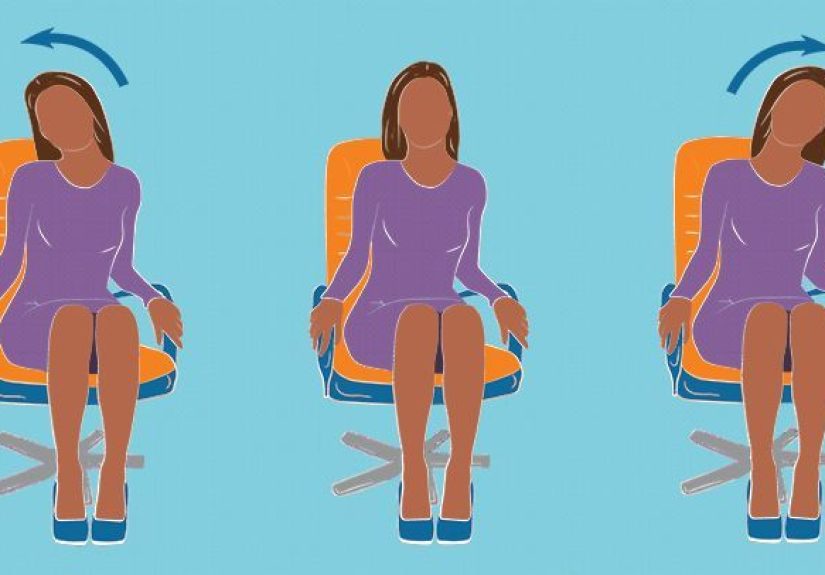
6. Gentle neck turns
Slowly turn your head to the right, return to center, then turn to the left. Keep the movement easy and smooth. Avoid forcing the stretch, especially if your neck is inflamed or painful.
Heat, Cold, and the Art of Not Overcomplicating Relief
Heat and cold can both be useful for psoriatic arthritis pain, but they are not interchangeable. Heat is often helpful for muscle stiffness, morning tightness, and joints that feel rigid but not visibly swollen. A warm shower, heating pad, warm towel, or heated wrap may help muscles relax before movement.
Cold is often better when a joint feels swollen, hot, or inflamed. A cold pack wrapped in a towel may help reduce swelling and dull pain. Use cold therapy in short sessions and avoid placing ice directly on the skin.
A simple rule: use warmth when you feel stiff and “stuck,” and use cold when a joint feels angry, swollen, or overheated. When in doubt, ask your healthcare provider or physical therapist what is best for your specific symptoms.
Low-Impact Exercise: The Long-Term Stiffness Strategy
Movement breaks help during the day, but regular low-impact exercise helps build a more resilient body over time. Stronger muscles support painful joints. Better flexibility improves range of motion. Better endurance makes daily tasks easier. Exercise can also support mood, sleep, heart health, and weight management, all of which matter when living with a chronic inflammatory condition.
Joint-friendly options include walking, swimming, water aerobics, cycling, stationary biking, yoga, tai chi, Pilates, and guided stretching. The best exercise is not the trendiest one. It is the one you can do safely, consistently, and without triggering a flare.
Start small
If you have been inactive, begin with 5 to 10 minutes of gentle movement. Add time gradually. A short walk after lunch or dinner may be more realistic than promising yourself a heroic 60-minute workout that never happens.
Use the “after test”
Some mild soreness can happen when you start moving more, but pain that lasts into the next day, causes swelling, or feels sharp is a sign to scale back. Your body gives feedback. Annoyingly, it does not always use polite language.
Include strength training
Light resistance bands, bodyweight exercises, or supervised strength training can help protect joints by building muscle support. Focus on controlled movement and good form. A physical therapist can help you choose exercises that match your symptoms and avoid aggravating painful areas.
Morning Stiffness and the “Before You Stand” Routine
Many people with psoriatic arthritis feel stiffest in the morning or after long rest. Before jumping out of bed, try a slow wake-up routine. Flex and point your feet. Bend and straighten your knees. Open and close your hands. Roll your shoulders gently. Take a few deep breaths and give your body a moment to transition from stillness to movement.
A warm shower in the morning may also help reduce muscle stiffness. If mornings are consistently difficult, prepare the night before: lay out clothes, pack your bag, set up breakfast ingredients, and give yourself extra time. Rushing stiff joints is rarely a winning strategy.
Driving, Travel, and Long Sitting Sessions
Cars, airplanes, buses, and long waiting rooms can be brutal for PsA stiffness. Plan ahead when you know sitting is unavoidable. During a drive, stop every hour or so when possible to stand, walk, and stretch. In a plane or bus, do ankle pumps, seated marches, shoulder rolls, and gentle back extensions.
Use cushions strategically. A small lumbar pillow can support your lower back. A seat cushion may reduce pressure on the hips. Comfortable shoes matter, especially if heel or foot pain is part of your PsA pattern. Compression socks may be helpful for some travelers, but ask your clinician if they are appropriate for you.
Pacing: How to Move Without Overdoing It
Psoriatic arthritis can be unpredictable. One day you may feel ready to reorganize the entire garage; the next day your body may object to opening a jar. Pacing helps you avoid the boom-and-bust cycle, where you overdo activity on a good day and pay for it later.
Break tasks into smaller chunks. Alternate sitting, standing, and walking. Use timers. Ask for help before exhaustion hits. Keep frequently used items within easy reach. If you work at a desk, rotate between sitting and standing if you have access to an adjustable workstation. The key is variety. Your body usually tolerates changing positions better than staying in one position too long.
When Medication and Medical Care Matter
Lifestyle strategies can help, but psoriatic arthritis is not just a posture problem or a “stretch more” situation. It is an inflammatory disease that may require medical treatment to control inflammation and protect joints. Treatment may include nonsteroidal anti-inflammatory drugs, disease-modifying medications, biologics, targeted therapies, physical therapy, occupational therapy, or a combination of approaches.
Do not stop or change prescribed medication without talking with your healthcare provider. If sitting pain is getting worse, morning stiffness is lasting longer, joints are swelling more often, or fatigue is interfering with daily life, it may be a sign that your treatment plan needs adjustment.
Call a healthcare provider promptly if you notice:
- New or rapidly worsening joint swelling
- Severe pain that does not improve with rest or usual care
- Eye redness, eye pain, or vision changes
- Fever or signs of infection
- Numbness, weakness, or trouble walking
- Back pain with major stiffness that limits daily activities
- Pain that prevents you from bearing weight
Food, Sleep, Stress, and Stiffness
No single diet cures psoriatic arthritis, and anyone promising a miracle food is probably also one step away from selling you a suspiciously expensive powder. Still, many people do better with a balanced eating pattern that supports overall health. A practical anti-inflammatory style of eating often includes vegetables, fruits, whole grains, beans, nuts, olive oil, and fish rich in omega-3 fats. Limiting highly processed foods and excess added sugar may also help support energy and weight management.
Sleep matters because pain and poor sleep can feed each other. A consistent sleep schedule, a supportive mattress, and a relaxing wind-down routine may help reduce morning stiffness and fatigue. Stress management also matters. Stress does not “cause” PsA by itself, but it can worsen the experience of pain and make flares harder to handle. Gentle breathing, mindfulness, counseling, hobbies, social support, and realistic scheduling can all play a role.
Workplace Tips for Sitting Pain
If you work at a desk, you may need more than willpower and a better attitude. Consider practical accommodations: an adjustable chair, sit-stand desk, footrest, ergonomic keyboard, flexible break schedule, voice-to-text software, or the ability to alternate tasks. These changes are not luxuries; they can help you stay productive while reducing strain.
Keep a “stiffness kit” nearby: a heat wrap, cold pack access, supportive shoes, water bottle, medication list, cushion, and a short movement routine. The easier it is to care for your joints, the more likely you are to do it before pain takes over.
A Simple 5-Minute Anti-Stiffness Routine
Use this routine once or twice during the workday, or whenever sitting starts to feel like a trap.
- Minute 1: Sit tall, breathe slowly, and roll your shoulders forward and back.
- Minute 2: Do ankle circles, heel raises, and toe raises.
- Minute 3: Perform seated knee extensions and seated marches.
- Minute 4: Stand up slowly, shift weight from side to side, and gently squeeze your glutes.
- Minute 5: Walk around the room or hallway at an easy pace.
This routine is not glamorous, but neither is trying to stand up after three hours of frozen posture. Small movement wins count.
Experience Notes: What Sitting Pain Feels Like in Real Life
Living with psoriatic arthritis often means learning that comfort is not automatic. A person may sit down at a desk feeling perfectly capable, open a laptop, answer a few emails, and then realize an hour has passed and their hips have quietly filed a complaint. The chair did not change. The room did not change. But the body did. That is one of the frustrating parts of PsA-related stiffness: it can sneak in during ordinary moments.
One common experience is the “first step problem.” After sitting through a movie, meeting, class, or long dinner, the first few steps may feel awkward and stiff. Knees may resist straightening. Feet may feel tender. The lower back may need time to loosen. People sometimes laugh it off with a joke about getting older, but with psoriatic arthritis, this pattern can happen at many ages. The issue is not laziness; it is inflammation, joint irritation, muscle guarding, and prolonged stillness teaming up like an extremely annoying committee.
Another familiar challenge is balancing rest with movement. During a flare, rest may feel necessary, and it often is. But too much stillness can make stiffness worse. Many people discover that the best approach is not choosing between rest and activity, but blending them. For example, instead of spending an entire afternoon on the couch, they may rest for 30 minutes, stand for two minutes, stretch gently, refill water, and sit again with better support. It sounds simple, but it can change the whole tone of the day.
Work can be especially tricky. A person with PsA may look fine on a video call while quietly doing ankle circles under the desk. They may keep a heating pad nearby, schedule walking breaks between meetings, or use voice typing when fingers feel stiff. These small adaptations are not signs of weakness. They are signs of problem-solving. Chronic illness often turns people into engineers of daily life, constantly adjusting the environment to reduce pain and preserve energy.
Travel creates its own drama. A two-hour car ride can feel like a test of patience for stiff hips and knees. People often learn to plan stops, choose aisle seats when possible, wear comfortable shoes, and avoid packing bags so heavy they require a heroic soundtrack. The best travel strategy is usually boring but effective: move often, hydrate, support the back, and do not wait until pain is loud before responding.
There is also an emotional side to sitting pain. It can be discouraging when something as normal as sitting becomes complicated. People may feel embarrassed standing during meetings, stretching at odd times, or needing extra time to get moving. But the truth is that managing psoriatic arthritis requires flexibilityboth physical and mental. The more openly and practically someone responds to symptoms, the easier it becomes to protect their joints without letting PsA run the entire schedule.
Over time, many people build a personal formula. Maybe mornings require heat and slow stretching. Maybe afternoons need a walking break. Maybe soft couches are worse than firm chairs. Maybe the best work setup includes a footrest, cushion, and a timer that says, “Stand up before your knees write a strongly worded email.” These lessons are valuable because PsA management is not only about medical appointments. It is also about the hundreds of small choices that make daily life more comfortable.
Conclusion
When sitting hurts, the answer is not to avoid sitting forever. That would make work, meals, movies, travel, and basic life rather complicated. Instead, the goal is to sit smarter, move sooner, and support your body before stiffness takes over. Psoriatic arthritis pain and muscle stiffness often respond best to a layered plan: frequent movement breaks, ergonomic support, gentle stretches, heat or cold therapy, low-impact exercise, pacing, healthy sleep, stress management, and medical care when symptoms change.
Small habits matter. A two-minute walk, a better chair setup, a warm shower, a stretch before standing, or a conversation with a physical therapist can make a real difference. PsA may be unpredictable, but you are not powerless. With the right strategies, sitting can become less of a battle and more of what it was always meant to be: a place to rest, work, connect, and occasionally enjoy a show without needing a full-body reboot afterward.
Note: This article is for general educational purposes only and does not replace medical advice, diagnosis, or treatment from a qualified healthcare professional.






 Close
Close