
Table of Contents >> Show >> Hide
- What Is Whole-Body Cryotherapy, Exactly?
- How Extreme Cold Might Affect the Body
- The Biggest Claims (and What Evidence Actually Says)
- Risks and Safety: The Part That Should Never Be an Afterthought
- How Cryotherapy Compares to Cold Plunges, Ice Packs, and “Regular” Cold Therapy
- So… Can Extreme Cold Improve Your Health?
- Real-World Experiences: What It’s Like to Try Whole-Body Cryotherapy (About )
- Conclusion
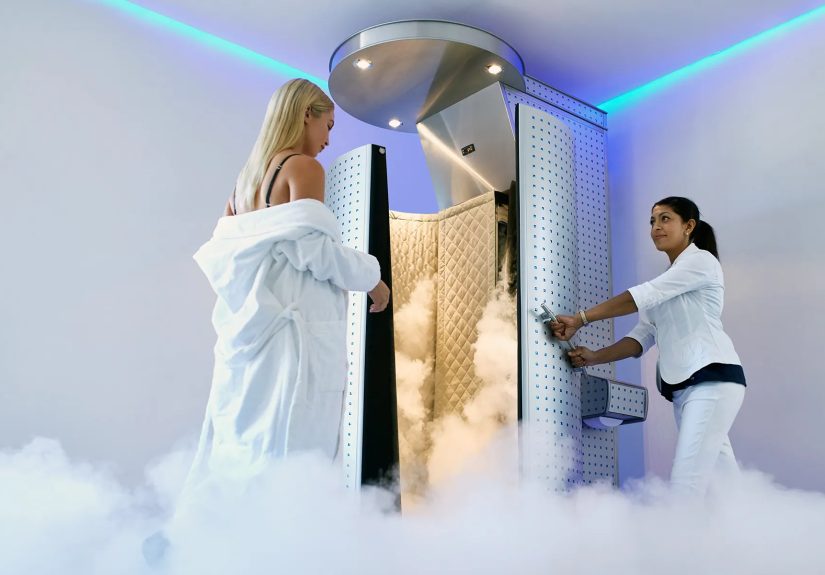
Picture this: you’re standing in what looks like a high-tech phone booth, wearing socks, gloves, and the kind of optimism usually reserved for people who say “just one more rep.” A staff member closes the door, a fog rolls in, and suddenly you’re in air so cold your eyebrows consider filing for separation. That, in a nutshell, is whole-body cryotherapy (WBC): a short blast of extreme cold (often for just a few minutes) marketed as a shortcut to better recovery, less pain, brighter mood, andif you believe the most enthusiastic brochuresan all-around life upgrade.
But does it work… or is it just a very expensive way to confirm you’re alive because you can still feel your knees? Let’s break down what whole-body cryotherapy is, what the science actually supports, what’s still a “maybe,” and what’s a hard “please be careful.”
What Is Whole-Body Cryotherapy, Exactly?
Whole-body cryotherapy typically involves stepping into a chamber cooled to extremely low temperatures for a brief exposureoften around 2–4 minutes. Most setups keep your head outside (partial-body systems) or expose most of your body in a walk-in chamber (true whole-body systems). You’ll usually wear minimal clothing plus protective items (socks, gloves, ear covering, sometimes a mask) to help prevent frostbite.
WBC is different from the medical cryotherapy used by clinicians to remove abnormal tissue (like freezing warts or certain lesions). Medical cryotherapy is a well-established clinical procedure performed by trained professionals for specific conditions. WBC, on the other hand, is usually offered in wellness centers and fitness studios as a “recovery” or “biohacking” treatment.
How Extreme Cold Might Affect the Body
Cold therapywhether it’s an ice pack, an ice bath, or a cryotherapy chamberworks through a few basic physiological effects:
- Vasoconstriction: Cold narrows blood vessels near the skin, which can reduce swelling and temporarily dull pain.
- Nerve-signal slowdown: Cold can reduce nerve activity, which helps explain why sore areas feel less painful afterward.
- “Rebound” circulation: After you warm up, blood flow returns and may increase, which some people interpret as a recovery boost.
- Stress-response hormones: Short cold exposure can feel energizing and mood-liftingpartly from adrenaline-like effects and the sheer relief of being warm again.
In other words: there are plausible mechanisms for short-term symptom relief. The big question is whether those effects translate into meaningful, consistent health improvementsespecially compared with simpler, cheaper cold options.
The Biggest Claims (and What Evidence Actually Says)
1) Muscle Soreness and Workout Recovery
This is the most common reason people try whole-body cryotherapy: post-workout soreness, heavy training blocks, or the “my legs are filing a complaint” feeling after a long run. Research here is mixed. Some studies suggest WBC may reduce soreness in the short term, especially within the first day or two after intense exercise. But overall evidence quality has often been limited by small sample sizes, inconsistent protocols (temperature, duration, frequency), and varied outcomes.
There’s another wrinkle: while cold can make you feel better, some experts caution that aggressive cold exposure right after strength training could blunt inflammation that’s part of the adaptation process. Translation: you might feel less sore, but you may also interfere with some of the signals your body uses to rebuild and get strongerparticularly if you’re in a muscle-building phase.
Practical takeaway: if your goal is immediate comfort (like getting through a tournament weekend or back-to-back training days), cold exposure might help. If your goal is long-term strength and hypertrophy, routine post-lift deep chilling may not be your best everyday habit.
2) Chronic Pain and Inflammation
WBC is sometimes promoted for chronic pain conditionslike arthritis, fibromyalgia, or general inflammation. Here, the story is similar: there are intriguing findings and some people report symptom relief, but the research isn’t strong enough to treat WBC like a reliable medical therapy. Pain is also notoriously sensitive to sleep, stress, expectations, and placebo effectsmeaning the “spa context” alone can influence what you feel afterward.
That doesn’t mean it’s “fake.” It means pain relief can be real even when the mechanism isn’t fully proven or consistent across people. The smartest approach is to view cryotherapy as a potential add-onnot a replacement for evidence-based treatment plans.
3) Mood, Stress, and Mental Health
The mood claims tend to sound like this: “I did three minutes in the chamber and walked out feeling like a freshly rebooted laptop.” Many users do describe a short-term liftmore alertness, a “buzz,” less tension. Some early research has explored WBC as a complement to standard mental health care, but the evidence remains limited and not definitive.
Also worth saying plainly: if WBC makes you feel calmer or more upbeat for a few hours, that can be valuablejust don’t treat it as a substitute for therapy, medication when indicated, sleep, or other foundational mental health supports.
4) Weight Loss and “Metabolism Boost”
This claim is popular because it sounds like a cheat code: stand in the cold, burn calories, emerge as a new person. Cold exposure can increase energy expenditure briefly as your body works to maintain core temperature. But “burning calories for a few minutes” is not the same thing as meaningful fat loss.
If cryotherapy helps someone stay consistent with training (because they feel less sore) or improves sleep for them, it might indirectly support healthier habits. But as a standalone weight-loss tool? The evidence doesn’t justify the hype.
5) Skin and “Anti-Aging” Benefits
WBC is sometimes marketed as a skin glow-upimproved circulation, tighter pores, collagen magic, etc. Here’s the catch: dermatology uses “cryotherapy” in medical settings to treat specific lesions, but that’s not the same thing as whole-body cryotherapy for cosmetic benefits. For WBC, strong evidence for cosmetic anti-aging results is lacking, and skin injury risk is real.
Risks and Safety: The Part That Should Never Be an Afterthought
Whole-body cryotherapy isn’t inherently reckless, but it can be dangerousespecially when protocols are sloppy or when someone has health conditions that make extreme cold risky. Documented hazards include skin injury (like frostbite or cold burns), eye injuries, andwhen certain gases are useddangerous oxygen depletion.
Who Should Avoid Whole-Body Cryotherapy (or Get Medical Clearance First)
- People with poorly controlled high blood pressure
- People with major heart or lung disease
- Those with poor circulation or cold-triggered vascular issues
- Anyone with cold-triggered allergy symptoms (like cold urticaria)
- People with neuropathy (reduced sensation can increase skin-injury risk)
- Anyone who has had severe reactions to cold exposure in the past
If you’re pregnant, have a history of fainting, or have complex medical conditions, it’s especially important to talk with a clinician first. “It’s just cold” sounds harmless until your skin can’t feel the warning signs.
A Safety Checklist If You Decide to Try It
- Ask what type of system they use. True cryochambers and partial-body units can differ in design and risk profile.
- Confirm supervision. You should never be left alone. Staff should be trained and attentive.
- Protect extremities. Dry socks, gloves, and proper footwear matter. Moisture increases injury risk.
- Remove sweat. Don’t go in damp. Dry skin reduces frostbite/cold-burn risk.
- Know the time limit. More is not better. Follow strict duration rules.
- Listen to your body. If you feel burning, stinging, numbness, dizziness, or panic, stop immediately.
- Don’t replace medical care. If you’re treating a condition, use WBC only as a clinician-approved add-on.
How Cryotherapy Compares to Cold Plunges, Ice Packs, and “Regular” Cold Therapy
Cold exposure has many forms, and the simplest ones are often the most evidence-backed:
- Ice packs / local cold therapy: Great for targeted soreness and swelling. Also easy to control and low cost.
- Cold-water immersion (ice baths/cold plunges): Widely used in sports recovery, still debated for optimal timing and frequency.
- Whole-body cryotherapy: Convenient and fast, but more expensive and less standardized.
If your goal is to reduce pain and swelling after an injury, basic cold therapy is time-tested and commonly recommended as part of home care strategies. If your goal is athletic recovery, the “best” approach depends on your training phase. A powerlifter chasing muscle growth may choose differently than an endurance athlete trying to survive a multi-day event.
So… Can Extreme Cold Improve Your Health?
It can improve how you feel in the short termespecially soreness and achesbecause cold has real effects on pain signals and inflammation. But the boldest marketing promises (“treats chronic diseases,” “melts fat,” “cures everything but your inbox”) aren’t supported by strong evidence. And because whole-body cryotherapy is often offered outside medical settings, safety practices and device standards can vary.
The most reasonable, science-friendly view is this:
- Most likely benefit: short-term relief of soreness and pain, plus a temporary mood/energy lift for some people.
- Big unknown: long-term health outcomes and consistent results across different populations.
- Big caution: skin injury and oxygen-depletion risk in poorly controlled environments.
If you’re curious, try it like you’d try a new hot sauce: start small, respect the risks, and don’t make it your entire personality until you know how your body reacts.
Real-World Experiences: What It’s Like to Try Whole-Body Cryotherapy (About )
Most first-timers describe the experience in three phases: “This is fine,” “Oh wow, this is cold,” and “I have never loved warmth more in my entire life.” The first few seconds often feel sharp and surprising, like stepping outside in winter without realizing the wind is emotionally invested in your discomfort. Then your body adjustssort of. People commonly say their skin feels prickly, especially on the thighs and arms, and their breathing gets shallow until they remember to slow down and exhale steadily.
A lot of cryotherapy studios encourage small movementsgentle shifting, a slow turn, or raising and lowering armsso cold air doesn’t hammer one spot for too long. Many users report that the weirdest sensation isn’t the cold itself but how dry it feels, compared with an ice bath where cold water clings to you like it’s trying to become your new best friend. In a chamber, the cold can feel intense yet “lighter,” which some people prefer.
Right after the session, people often experience a rush: tingling skin, a flushed face, and a burst of energy that feels like caffeine’s cooler cousin. Some describe a mood liftmore alert, more upbeat, more “I could totally answer emails right now” (whether they actually do is another story). Athletes sometimes report that their soreness feels muted for a while, especially the “walking downstairs is a lifestyle choice” kind of soreness. Others notice very little change, which is important: response varies a lot, and sometimes the biggest “benefit” is simply the feeling of doing something proactive for recovery.
The most common complaints are also pretty consistent. Dry skin or irritation can happen, especially if someone goes in even slightly sweaty. People with sensitive skin may notice redness or a rash afterward. Some report that their fingers or toes feel uncomfortably cold for longer than expected, which is why good socks, gloves, and proper dryness matter. A smaller number of people feel lightheadedoften because they held their breath, tensed up, or were anxious. That’s one reason experienced staff supervision is a must: the session is short, but the body’s response can be dramatic.
Long-term “regulars” often treat cryotherapy like a recovery ritual: they use it during heavy training weeks, after long travel days, or when stress is high and they want a quick reset. Some swear it helps them sleep better that night; others say it’s best used earlier in the day because it energizes them. The most grounded users tend to view it as a toolnot a miracle. They pair it with basics that actually move the needle: good sleep, smart programming, hydration, strength work, mobility, and nutrition. In that context, cryotherapy becomes one more optional lever to pullfun, intense, and occasionally helpfulrather than the entire solution.
Conclusion
Whole-body cryotherapy lives in the space between “interesting physiology” and “marketing that needs a sweater.” The cold can absolutely change how you feelless pain, less soreness, more alertnessfor at least a little while. But the strongest claims outpace the strongest science, and safety matters because extreme cold is not a casual hobby.
If you’re healthy, properly screened, and using a reputable facility with solid safety protocols, WBC may be a reasonable “sometimes” tool for comfort and recovery. If you have cardiovascular, circulation, nerve, or cold-reactive conditionsor if you’re hoping it replaces medical carehit pause and talk with a healthcare professional first.
And if nothing else, cryotherapy offers one guaranteed benefit: it makes room temperature feel like an achievement.






 Close
Close