
Table of Contents >> Show >> Hide
- The Short Answer: It Really Can Be Different
- What Makes Advent Calendar Chocolate Taste Different?
- 1. Some Calendars Use a Different Kind of Chocolate
- 2. Tiny Shapes Change the Way Chocolate Melts
- 3. Ingredient Balance Can Push It Toward Sweet, Milky, or Waxy
- 4. Storage Can Mute Flavor and Mess With Texture
- 5. Texture and Particle Size Matter More Than Most People Realize
- 6. Your Brain Is Also Eating the Calendar
- Is Advent Calendar Chocolate Actually Worse?
- How to Buy an Advent Calendar That Tastes Better
- Why Kids Often Love It Anyway
- The Bigger Truth About “Different”
- Extra Experience Section: The Oddly Specific Joy of Advent Calendar Chocolate
- Conclusion
Every December, millions of people perform the same tiny morning ritual: open a little cardboard door, wrestle a miniature chocolate out of its plastic cave, and immediately think, Why does this taste so different from normal chocolate? Not bad, exactly. Not always great, either. Just… different. A little sweeter. A little waxier. A little more nostalgic. A little more “December at 7:12 a.m.” than “fancy dessert after dinner.”
And here is the fun part: you are not imagining it. Advent calendar chocolate can taste different for several real reasons, and not all of them come down to quality. Sometimes it really is a cheaper style of chocolate or chocolate-flavored candy. Sometimes the difference comes from shape, thickness, melt rate, storage, or ingredients that are designed for shelf life instead of drama. And sometimes the biggest ingredient is not cocoa at all. It is expectation. Ritual. Mood. The tiny thrill of finding Door No. 9 before coffee.
So, why does Advent calendar chocolate taste different? The short answer is this: chemistry, design, and psychology are all showing up to the same holiday party. Let’s unwrap that.
The Short Answer: It Really Can Be Different
People often assume all milk chocolate is basically the same thing wearing different wrappers. That would make life easier, but chocolate loves complexity. Advent calendar pieces are usually thinner, smaller, and molded into flat shapes. Many are made for mass production, long shelf life, and low cost. Some are perfectly respectable little chocolates. Others are closer to “holiday-shaped sweetness delivery systems.”
That means the taste difference can come from five big factors: the kind of chocolate used, the amount and type of fat, the piece’s shape and thickness, storage conditions, and the way your brain experiences flavor when a food is tied to ritual and nostalgia. In other words, the answer is both scientific and slightly emotional. Like most holiday traditions, really.
What Makes Advent Calendar Chocolate Taste Different?
1. Some Calendars Use a Different Kind of Chocolate
The biggest reason is also the least romantic: some Advent calendars do not use the same style of chocolate you would get in a standard candy bar. In the United States, products sold as milk chocolate or white chocolate have legal composition standards. But many inexpensive seasonal treats are made to hit a price point, survive shipping, and stay stable in storage for weeks or months. That can lead manufacturers to use chocolate-flavored candy or coatings that behave differently from classic chocolate.
When that happens, the melt is often the giveaway. Real chocolate gets much of its signature snap and smooth melt from cocoa butter. When other fats step into the spotlight, the result can feel firmer, waxier, flatter, or sweeter in a less rounded way. You taste sugar first, “chocolate” second, and complexity somewhere around never. It is not necessarily fake in the dramatic movie-villain sense. It is just built for different priorities.
This is why one calendar can taste surprisingly good and another can taste like a chocolate-scented candle briefly considered a second career in candy. Price, ingredients, and formulation matter.
2. Tiny Shapes Change the Way Chocolate Melts
Now for the part that sounds weird until you think about it for two seconds: shape changes flavor perception. Advent calendar chocolates are typically very thin, with a wide surface area and a stamped holiday design on top. That structure makes them melt quickly on the tongue. A fast melt can create a more immediate burst of sweetness and cocoa flavor, even if the chocolate itself is simple.
Think about the difference between sipping hot cocoa and chewing a thick truffle. Same flavor family, wildly different experience. Advent chocolate is built more like a fast intro than a full song. Because it is so thin, it warms quickly and releases its sweetness early. That can make it seem more sugary, less deep, and more fleeting than a thicker candy bar square.
Even the visual form matters. Research on chocolate perception has found that shape can influence how sweet people think something tastes. So that tiny Santa, star, bell, or random snowflake blob may actually prime your brain before it even melts. Holiday magic? Sort of. Sensory science wearing a scarf? More accurate.
3. Ingredient Balance Can Push It Toward Sweet, Milky, or Waxy
Not all chocolate tastes “different” for the same reason. Some Advent calendar pieces lean heavily into sweetness. Others taste milky. Others seem oddly chalky or waxy. Those differences usually come from the balance of cocoa solids, cocoa butter, milk solids, sweeteners, emulsifiers, and flavorings such as vanilla.
When chocolate has a lower cocoa intensity and a higher emphasis on sugar or milk solids, you get a softer, simpler flavor. It can read as cozy and kid-friendly, but it can also come across as generic. White chocolate is a perfect example. When it is made well, it tastes creamy, buttery, and pleasantly sweet. When it is made poorly, it can taste like sweetened milk powder with commitment issues.
That is why two calendars that both say “chocolate” can feel worlds apart. One may have a fuller cocoa profile and a silkier melt. Another may come across as bland, overly sweet, or strangely firm. Same category, very different performance.
4. Storage Can Mute Flavor and Mess With Texture
Chocolate is dramatic about storage. Heat, humidity, and temperature swings can all change the way it looks and tastes. You have probably seen chocolate go dull or get pale streaks on the surface. That is called bloom, and while it is usually safe to eat, it can affect flavor and mouthfeel. A bloomed chocolate may taste flatter and feel less smooth.
This matters for Advent calendars because they are often bought early, shipped long distances, stored on shelves, then carried home and left in kitchens where temperatures are not always ideal. The packaging is festive, but it is not exactly a climate-controlled vault. If the chocolate has been warmed, cooled, or exposed to moisture changes, it may not taste as fresh or as silky by the time Door No. 17 rolls around.
So if your calendar chocolate tastes a little dusty, stale, or weirdly crumbly, the culprit may not be the recipe alone. It may be the journey. Chocolate has frequent-flyer stress too.
5. Texture and Particle Size Matter More Than Most People Realize
When people say chocolate tastes “cheap,” they are often describing texture as much as flavor. Chocolate that feels smooth and fluid usually seems richer and better balanced. Chocolate that feels gritty, pasty, or waxy can seem lower quality even before you identify any specific flavor notes.
That is because mouthfeel is a huge part of taste. Particle size, fat structure, and processing all shape the experience. If a chocolate is less finely refined, less carefully conched, or simply formulated for cost efficiency, it may not melt into that dreamy, glossy smoothness people expect. Instead, it lingers in a grainier or firmer way that makes the flavor seem less elegant.
In other words, your tongue is doing quality control whether you hired it for the job or not.
6. Your Brain Is Also Eating the Calendar
Here is the sneaky reason Advent chocolate can taste special even when it is objectively ordinary: context changes flavor. Packaging, ritual, anticipation, nostalgia, and even the act of opening a little door can influence how food is perceived. Sensory research has shown that shape, appearance, unboxing, and other external cues can shift how people judge sweetness, quality, and enjoyment.
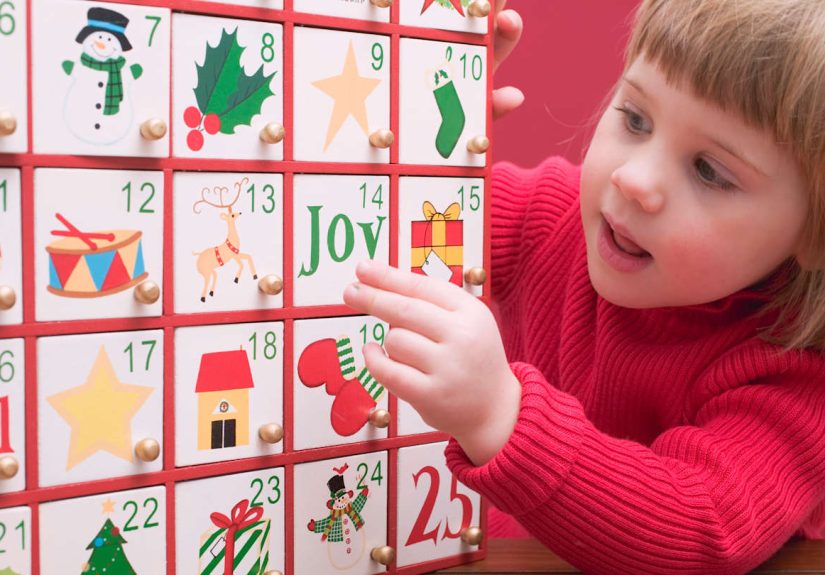
An Advent calendar is not just candy. It is a countdown. It is a tiny event. It is permission to be delighted by something small before the day starts asking for passwords, errands, and emotional resilience. Because you only get one piece at a time, you pay attention to it differently. You do not inhale it the way you might inhale a movie-theater-size candy bar while insisting you are “just having a little.”
That slower, more focused experience can make the chocolate seem more memorable, more charming, or, yes, more mysterious. Sometimes “different” is not a defect. Sometimes it is theater.
Is Advent Calendar Chocolate Actually Worse?
Not always. Some Advent calendars contain excellent chocolate. Premium versions use branded milk chocolate, darker chocolate, pralines, truffles, or individually crafted pieces that taste every bit as good as traditional boxed candy. Others are intentionally simple because the audience is kids, the price needs to stay friendly, or the calendar is selling nostalgia more than gourmet flavor.
So the better question is not “Is Advent chocolate bad?” It is “What was this calendar designed to do?” If the goal is luxury, the chocolate will likely be richer, smoother, and more complex. If the goal is cheerful holiday fun at a mass-market price, the flavor may be sweeter, lighter, and less nuanced. Neither is illegal. One is just more likely to impress your palate than your inner eight-year-old.
How to Buy an Advent Calendar That Tastes Better
Read the front and the ingredients
If you want a more classic chocolate melt, pay attention to the product wording and ingredient list. Products labeled as milk chocolate or dark chocolate generally signal a more traditional composition than vague terms like “chocolatey” or “chocolate-flavored.” Ingredient lists can also hint at the experience ahead. Cocoa butter usually points toward a more classic chocolate melt, while alternative fats can suggest a firmer, waxier profile.
Look for known chocolate brands
If a calendar is made by a chocolatier or a recognizable candy brand you already like, your odds improve immediately. Brand reputation is not everything, but it is better than trusting a random cardboard chalet with your emotional well-being.
Store it in a cool, dry place
Do not leave it near the oven, on a sunny counter, or in the kind of kitchen that becomes a tropical climate every time someone boils pasta. Stable storage helps preserve texture and flavor.
Match the calendar to the eater
If the calendar is for a child, a sweeter and simpler chocolate may be exactly right. If it is for a serious chocolate lover, look for darker cocoa profiles, named origins, or premium fillings. The best Advent calendar is the one that fits the person opening it, not the one that wins an imaginary holiday snob award.
Why Kids Often Love It Anyway
Children are not conducting a blind sensory panel before school. They are opening a tiny door and finding treasure. That alone boosts the experience. Sweeter, milder chocolate can also be more appealing to younger palates, which often prefer softness and sugar over bitterness and complexity. So the very things adults complain about may be part of the product’s design success.
Also, let us be honest: the flavor is only half the point. The countdown is the product. The chocolate is the confetti.
The Bigger Truth About “Different”
Advent calendar chocolate tastes different because it often is different, but also because you experience it differently. Some calendars use simpler ingredients or alternative fats. The thin molded shape changes the melt. Storage can dull flavor. Texture influences quality perception. And the holiday ritual itself nudges your brain into paying more attention to one tiny bite than it ever would to a handful of everyday candy.
So the next time you open a little cardboard window and think, This does not taste like a normal chocolate bar, trust your instincts. Your tongue is right. Your brain is right. December is weird, and so is the chocolate. That is part of the charm.
Extra Experience Section: The Oddly Specific Joy of Advent Calendar Chocolate
There is also an experience side to this topic that ingredient labels cannot fully explain. Advent calendar chocolate does not just taste like cocoa, sugar, and milk. It tastes like timing. It tastes like anticipation. It tastes like being allowed one small, cheerful interruption in the middle of winter, when the mornings are dark and the calendar suddenly fills up with school events, office parties, shipping deadlines, and the annual realization that you still have not bought a gift for at least one impossible relative.
That is why the flavor sticks in memory. You are rarely eating Advent chocolate in the same context as a regular candy bar. A normal chocolate bar gets eaten on the couch, in the car, at a movie, at a desk, or while standing in the kitchen pretending you are just “checking the pantry.” Advent chocolate gets a whole performance. You locate the correct date. You open the door. You pry out the piece. You examine the shape for a second, even if it is clearly a snowman that lost the battle against the mold. Then you eat it as a tiny event, not a casual snack.
That ritual changes everything. A small piece feels more precious because it is rationed. It feels more intense because you know it is the only one for that day. It feels more nostalgic because it is tied to a tradition, and traditions have a way of making ordinary things feel emotionally oversized. This is how a miniature square of middling milk chocolate can somehow become one of the strongest flavor memories of the season.
For a lot of adults, Advent calendar chocolate also carries a split-screen effect. On one side, your grown-up palate notices the details. You can tell whether it is waxy, overly sweet, low in cocoa depth, or a little stale from bad storage. On the other side, your memory barges in wearing a holiday sweater and says, “Counterpoint: tiny chocolate before breakfast.” The result is a strange but delightful mix of criticism and affection. You know better, and you still love it.
That is probably why people laugh about Advent calendar chocolate so much. It is rarely anyone’s favorite chocolate in the world, but it occupies a category all its own. It is not trying to be a handcrafted single-origin bar with flavor notes of cherry, espresso, and poetic self-importance. It is trying to be a daily spark. A small reward. A pocket-size holiday tradition that makes the month feel like it is moving toward something bright.
Even the flaws become part of the story. The waxier melt. The too-sweet finish. The slightly chalky white chocolate piece that somehow tastes like December anyway. The struggle to remove a chocolate star without snapping off one of its points. The accidental opening of tomorrow’s door. The family debate over whether everyone should wait until after breakfast, followed by universal failure to do so. These moments are not separate from the flavor. They are the flavor.
So when people ask why Advent calendar chocolate tastes different, the fullest answer is this: because it is not only food. It is food wrapped in ritual, memory, scarcity, symbolism, and a surprising amount of cardboard engineering. Sometimes it tastes different because the recipe is simpler. Sometimes it tastes different because the piece is thin and melts faster. And sometimes it tastes different because, for a few seconds each morning, it tastes like childhood, countdowns, and the comforting idea that joy can come in very small shapes.
Conclusion
Advent calendar chocolate tastes different for a mix of real, measurable reasons and deeply human ones. The recipe may be simpler. The fat blend may change the melt. The shape may make sweetness hit faster. Storage may soften the texture. And the ritual of opening one tiny door a day may make your brain pay attention in a way it normally does not. Put all that together, and you get a flavor experience that is unmistakably seasonal: sometimes better, sometimes worse, almost always memorable.





 Close
Close