
Table of Contents >> Show >> Hide
- What Is Whooping Cough?
- Why Whooping Cough Is More Serious Than It Sounds
- How the Whooping Cough Vaccine Helps
- Why Pregnant People Need Tdap During Every Pregnancy
- Why Community Protection Matters
- Who Should Get the Whooping Cough Vaccine?
- Does the Vaccine Work Perfectly?
- Recent Increases Show Why Vaccination Still Matters
- Is the Whooping Cough Vaccine Safe?
- Common Myths About the Whooping Cough Vaccine
- What Happens If Someone Gets Whooping Cough?
- Practical Tips for Families
- Why the Whooping Cough Vaccine Is Important for Public Health
- Conclusion: A Small Shot With a Big Job
- Real-Life Experiences: Why This Vaccine Feels Personal
- SEO Tags
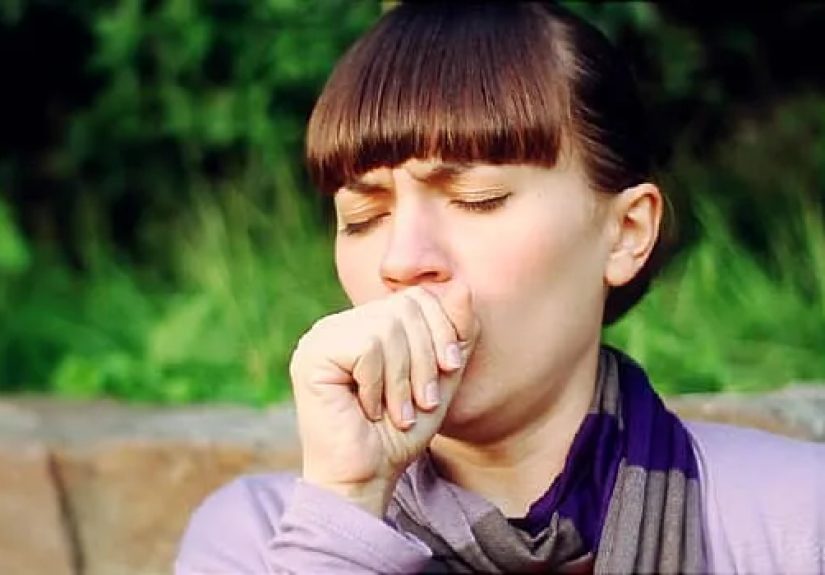
Whooping cough sounds almost charming until you meet the real thing. The name has a cartoonish bounce to it, like something a toddler might invent while pretending to be a goose. In reality, whooping cough, also called pertussis, is a highly contagious respiratory infection that can turn an ordinary cough into weeks of exhausting, breath-stealing coughing fits. For babies, it can be far more than miserable. It can be dangerous, even life-threatening.
That is why the whooping cough vaccine matters. It is not just another box to check on a school form or a quick stop at the pediatrician’s office. The pertussis vaccine helps protect infants, children, pregnant people, caregivers, grandparents, teachers, healthcare workers, and entire communities. It is one of those quiet public health tools that works best when people do not have to think about it very muchrather like good plumbing, seat belts, or coffee before 8 a.m.
This article explains why the whooping cough vaccine is important, how DTaP and Tdap vaccines work, who should receive them, and why staying up to date is still essential even in a world full of modern medicine.
What Is Whooping Cough?
Whooping cough is a bacterial infection caused by Bordetella pertussis. It spreads through respiratory droplets when an infected person coughs, sneezes, or spends time in close contact with others. Because early symptoms often look like a common cold, people can unknowingly spread pertussis before they realize they have anything more serious than a sniffle with ambition.
In the first stage, whooping cough may cause a runny nose, mild cough, low-grade fever, watery eyes, and general “I might be getting sick” feelings. After a week or two, the cough can become more intense. People may experience rapid coughing fits, vomiting after coughing, extreme fatigue, and the classic high-pitched “whoop” sound when gasping for air. Not everyone makes the whoop, especially babies, teens, and adults, which can make pertussis tricky to recognize.
Why Whooping Cough Is More Serious Than It Sounds
For many adults, pertussis may feel like the cough that refuses to pack its bags and leave. It can last for weeks, disturb sleep, cause rib pain, and turn a simple conversation into a dramatic lung performance. But for infants, especially babies younger than 1 year, whooping cough can be severe.
Babies may not cough loudly. Instead, they may stop breathing, turn blue, struggle to feed, develop pneumonia, or need hospital care. The youngest infants are at the highest risk because they are too young to have completed their DTaP vaccine series. That gap between birth and full vaccination is exactly why maternal Tdap vaccination during pregnancy is so important.
How the Whooping Cough Vaccine Helps
The whooping cough vaccine trains the immune system to recognize pertussis bacteria before a real infection shows up. It does not contain live pertussis bacteria, so it cannot give someone whooping cough. Instead, it helps the body build defenses that can reduce the risk of infection and, if infection does occur, lower the chance of severe disease.
There are two main pertussis-containing vaccines used in the United States:
DTaP Vaccine for Young Children
DTaP protects against diphtheria, tetanus, and pertussis. It is given to children younger than 7 years old in a multi-dose series. The usual schedule includes doses at 2 months, 4 months, 6 months, 15 through 18 months, and 4 through 6 years. This schedule is designed to build protection early and strengthen it before school age.
Tdap Vaccine for Older Children, Adults, and Pregnancy
Tdap is the booster vaccine used for preteens, teens, adults, and pregnant people. It also protects against tetanus, diphtheria, and pertussis, but it contains reduced amounts of some vaccine components compared with DTaP. The CDC recommends Tdap for preteens around ages 11 to 12, for adults who have not previously received it, and during every pregnancy.
Why Pregnant People Need Tdap During Every Pregnancy
One of the most powerful reasons to get the whooping cough vaccine is to protect newborns. Babies do not begin their own DTaP series until about 2 months of age, and they need multiple doses to build strong protection. Before that, they rely heavily on protection passed from the pregnant parent.
When Tdap is given during pregnancy, especially during the early part of weeks 27 through 36, the pregnant person produces antibodies that pass to the baby before birth. These antibodies act like a temporary shield during the baby’s first vulnerable months. This is why Tdap is recommended during every pregnancy, even if the parent received the vaccine before. Antibody levels decrease over time, and each baby needs fresh protection.
Think of it like packing a tiny immune-system lunchbox before the baby heads into the world. The baby cannot yet make the whole meal alone, so Tdap helps send them off with something useful.
Why Community Protection Matters
Whooping cough spreads easily in households, schools, daycares, clinics, and community settings. A parent, sibling, grandparent, babysitter, or family friend with mild symptoms can pass pertussis to a baby without meaning to. That is not a character flaw; it is biology being sneaky.
Vaccination helps reduce the chance that pertussis will spread to people most likely to become seriously ill. This is sometimes described as community protection or herd protection. When more people stay up to date on pertussis vaccination, the bacteria have fewer opportunities to move from person to person. That helps protect newborns, people with weakened immune systems, and anyone who cannot be fully vaccinated.
Who Should Get the Whooping Cough Vaccine?
The pertussis vaccine is recommended across several stages of life. Children should receive the DTaP series according to the routine schedule. Preteens should receive Tdap at 11 to 12 years old. Adults who never received Tdap should get one dose, and adults should continue receiving tetanus and diphtheria boosters as recommended, with Tdap allowed as an option for boosters. Pregnant people should receive Tdap during every pregnancy.
People who will be around infants should also make sure they are up to date. That includes parents, siblings, grandparents, childcare providers, and healthcare workers. If a baby is arriving soon, it is wise for close contacts to check their vaccine records before the baby shower balloons show up and everyone starts kissing tiny toes.
Does the Vaccine Work Perfectly?
No vaccine is perfect, and the whooping cough vaccine is no exception. Protection can decrease over time, which is why booster doses are part of the plan. Some vaccinated people may still get pertussis, but vaccination can make illness less severe and reduce the risk of complications.
This point is important because some people misunderstand breakthrough infections. A vaccine does not have to block every single infection to be valuable. A helmet does not prevent every bicycle crash, but you still want one when gravity decides to be dramatic. In the same way, pertussis vaccination is important because it lowers risk, reduces severe outcomes, and protects people who are most vulnerable.
Recent Increases Show Why Vaccination Still Matters
Whooping cough has not disappeared. In fact, U.S. health agencies have reported increases in pertussis cases in recent years, including a major rise in 2024 compared with 2023. Pertussis tends to rise and fall in cycles, but gaps in vaccination can make outbreaks easier to spread.
When vaccination rates drop, communities can lose some of the protection that keeps infections from moving quickly. That is especially concerning for babies too young to be fully vaccinated. A pertussis outbreak is not just an inconvenience; it can mean missed school, missed work, doctor visits, antibiotics, hospitalizations, and real fear for families with newborns.
Is the Whooping Cough Vaccine Safe?
DTaP and Tdap vaccines have been studied extensively and are considered safe and effective for preventing diphtheria, tetanus, and pertussis. Like any medicine, they can cause side effects. Most are mild and temporary.
Common side effects include soreness, redness, or swelling where the shot was given. Some people may have a low fever, tiredness, headache, fussiness, body aches, or mild stomach symptoms. These usually go away on their own. Serious allergic reactions are rare, but anyone who has had a severe reaction to a previous dose should talk with a healthcare professional before receiving another dose.
For most people, the risk from whooping cough is far greater than the risk of the vaccine. This is especially true when protecting infants, who can face severe complications from pertussis before they are old enough to complete their vaccine series.
Common Myths About the Whooping Cough Vaccine
Myth 1: “Whooping cough is just a bad cough.”
For some adults, it may feel like a long, miserable cough. But for babies, pertussis can cause breathing pauses, pneumonia, hospitalization, and death. Calling it “just a cough” is like calling a hurricane “just some weather.”
Myth 2: “Healthy families do not need to worry.”
Pertussis can infect healthy people, and healthy adults can spread it to vulnerable infants. Good nutrition, clean homes, and handwashing help overall health, but they do not replace vaccination.
Myth 3: “One Tdap shot protects every future pregnancy.”
Tdap is recommended during every pregnancy because antibody levels decline over time. Each baby needs the best possible protection during the first months of life.
Myth 4: “If the vaccine is multi-dose, it must not work.”
Many vaccines require multiple doses to build and maintain protection. That does not mean they fail; it means the immune system benefits from reminders. Apparently, even immune cells appreciate a follow-up email.
What Happens If Someone Gets Whooping Cough?
Whooping cough is usually treated with antibiotics, especially when diagnosed early. Antibiotics may reduce contagiousness and help prevent spread to others. However, once severe coughing fits begin, symptoms can linger even after treatment because the bacteria have already irritated the airways.
People with suspected pertussis should contact a healthcare professional, stay away from babies and high-risk individuals, and follow medical advice about testing, treatment, and isolation. Close contacts may also need preventive antibiotics, especially if they live with or care for infants, pregnant people, or people with weakened immune systems.
Practical Tips for Families
Families can take simple steps to reduce whooping cough risk. Keep children on schedule with DTaP. Ask your healthcare provider about Tdap during pregnancy. Check whether parents, grandparents, babysitters, and other close contacts are up to date. Stay home when sick, cover coughs, wash hands, and call a clinician if a cough becomes severe, persistent, or comes with vomiting, breathing trouble, or pauses in breathing.
For new parents, it can help to make vaccination part of the baby-prep checklist. Along with diapers, wipes, tiny socks that mysteriously disappear, and the car seat manual no one enjoys reading, add: “Ask about Tdap.” It is a small task with a big protective benefit.
Why the Whooping Cough Vaccine Is Important for Public Health
The whooping cough vaccine protects individuals, but its impact is much bigger than one person. It helps keep schools open, protects maternity wards and pediatric clinics, reduces strain on hospitals, and lowers the chance that a mild adult cough becomes a medical emergency for a newborn.
Vaccination is also an act of shared responsibility. Babies cannot choose their protection. They depend on adults to create a safer circle around them. That circle includes pregnant parents, family members, doctors, nurses, teachers, neighbors, and communities that understand prevention is easier than panic.
Conclusion: A Small Shot With a Big Job
The whooping cough vaccine is important because pertussis is contagious, unpredictable, and especially dangerous for babies. DTaP helps children build protection early in life. Tdap boosts protection for older children and adults. Tdap during pregnancy gives newborns critical antibodies before they can begin their own vaccine series.
In a perfect world, no one would need to think about whooping cough. Babies would breathe easily, parents would sleep peacefully, and coughs would be nothing more than a temporary annoyance. Until then, vaccination remains one of the best tools available. It is simple, safe for most people, widely recommended, and powerful enough to protect not only the person receiving it but also the smallest people in the room.
Real-Life Experiences: Why This Vaccine Feels Personal
For many families, the importance of the whooping cough vaccine becomes clear during ordinary moments. A newborn comes home from the hospital, wrapped like a burrito with a face. Everyone wants to visit. Grandparents bring casseroles. Friends bring gifts. Siblings bring germs from school, because children are adorable little delivery trucks for viruses and bacteria. Suddenly, vaccination is not an abstract public health topic. It is part of protecting a real baby sleeping in a real crib.
Parents often describe feeling surprised when a doctor recommends Tdap during pregnancy. Some assume vaccines for babies begin after birth, not before. But once they understand that maternal antibodies can help protect a newborn during the first months of life, the recommendation makes practical sense. It is not about adding one more appointment to an already crowded pregnancy calendar. It is about giving the baby a head start before the first DTaP dose is even possible.
Healthcare workers also see the difference. In pediatric settings, pertussis is not remembered as “just a cough.” It is remembered as the tiny infant who struggles to breathe, the exhausted parent watching monitors beep, and the long nights when a coughing spell turns scary in seconds. These experiences are why pediatricians, nurses, obstetricians, and public health professionals keep talking about DTaP and Tdap even when everyone would rather discuss nursery colors or snack schedules.
Teachers and childcare providers have their own perspective. A single case of whooping cough in a daycare or school can trigger phone calls, exposure notices, medical visits, and anxious families wondering whether younger siblings at home are safe. Vaccination helps reduce that disruption. It supports not only individual health but also the everyday routines families rely on: school drop-off, work schedules, childcare, and sleep. Beautiful, precious sleep.
Grandparents sometimes have the biggest “aha” moment. Many received childhood vaccines decades ago and may not realize pertussis protection can fade. When a new baby arrives, updating Tdap status becomes a loving gesture, like washing hands before holding the baby or not visiting with a cough. It says, “I want to be close to this child, and I want to do it safely.” That kind of protection is not dramatic. It does not come with a marching band. But it matters.
Community experience tells the same story. When vaccination rates are strong, outbreaks have fewer places to spread. When coverage slips, pertussis can return quickly, reminding everyone that bacteria do not care whether people are tired of hearing about vaccines. The whooping cough vaccine is important because it turns concern into action. It gives families a practical way to protect newborns, reduce severe illness, and care for one another before a crisis begins.







 Close
Close