
Table of Contents >> Show >> Hide
- What Exactly Is “Girl Dinner”?
- Where Did the Trend Come From?
- Why TikTok Can’t Stop Talking About It
- The “Girl Dinner” Debate: Fun, Problematic, or Both?
- What “Girl Dinner” Says About Modern Food Culture
- Brands Noticed, of Course: When “Girl Dinner” Became Marketing
- Is a “Girl Dinner” Actually a Good Dinner?
- Why the Trend Keeps Coming Back
- Conclusion: “Girl Dinner” Is a Mood, Not a Meal Plan
- Experiences People Have With “Girl Dinner” (Real-Life Moments)
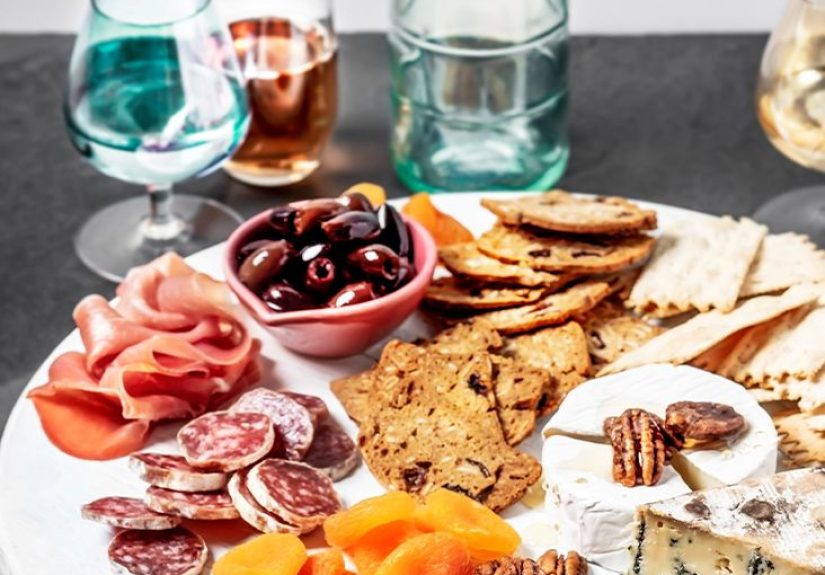
Picture this: It’s 7:43 p.m. You open the fridge like you’re about to cook a Michelin-star masterpiece… and then you remember you are a human being with a job, a life, and exactly zero interest in washing a sauté pan. So you assemble a plate that looks like it was curated by a stylish raccoon: crackers, cheese, a handful of grapes, maybe some olives, maybe three pickles because you’re in your “briny era.” You take one look and think: this is dinner.
Congratulationsyou’ve basically made a “Girl Dinner,” the TikTok food trend that turned snack plates and fridge-foraging into a whole cultural moment. But why did TikTok latch onto this so hard? Why did a casual “bits and bobs” meal become a personality? And why does the internet keep naming everything “girl” like it’s a limited-edition lip gloss shade?
Let’s break down what “Girl Dinner” really is, why it resonates, why it’s controversial, and why the trend keeps resurfacing anytime people are tired, broke, busy, or simply not in the mood to perform adulthood on a dinner schedule.
What Exactly Is “Girl Dinner”?
At its simplest, “Girl Dinner” is a low-effort meal made up of snack-y itemsoften whatever is already in your kitchen. Think charcuterie vibes without the pressure of pretending you planned it. It’s a plate where leftovers, pantry staples, and random cravings peacefully coexist.
Common “Girl Dinner” lineups
- Crackers + cheese + fruit (the classic “I own a cutting board” starter pack)
- Baby carrots + hummus + chips + salsa (a balanced chaos)
- Tinned fish + bread + lemon + cucumber slices (TikTok’s “tiny luxury” meal)
- Leftover rice + avocado + whatever sauce you love (modern art in a bowl)
- Pickles + olives + popcorn + a random yogurt (the “I’m vibing” edition)
- Fast-food sides (yes, brands noticedmore on that later)
What makes it “Girl Dinner” isn’t a specific recipeit’s the energy: informal, improvisational, and proudly unbothered.
Where Did the Trend Come From?
The phrase “Girl Dinner” is widely credited to TikTok creator Olivia Maher, who posted a video showing a snack-like dinner (bread, cheese, pickles, grapesplus a playful “medieval peasant” vibe). The concept exploded because it instantly put a name to something many people already did: eating a perfectly acceptable dinner for one without cooking a “real” meal.
And once TikTok smells a nameable phenomenon, it does what it does best: replicates it, remixes it, and turns it into a shared language. Suddenly, people weren’t just eating snacksthey were participating in a cultural event.
Why TikTok Can’t Stop Talking About It
“Girl Dinner” didn’t go viral because it was new. It went viral because it was relatable, filmable, and emotionally satisfying in the exact way TikTok rewards.
1) It’s radically relatable (and low-pressure)
So many food trends demand performance: a perfect recipe, a fancy gadget, a “before and after” transformation. “Girl Dinner” is the opposite. It says, “I ate a handful of things and I’m fine,” which is comforting in an era where everything feels like it requires optimization.
There’s also a subtle permission slip baked into the trend: you don’t have to cook to deserve dinner. That ideaespecially for people who feel pressure to be productive, put-together, and Pinterest-readylands hard.
2) It fits the TikTok algorithm like a glove
Short videos love quick “reveals.” A snack plate is instant content: pan the camera across the plate, add the “Girl Dinner” audio, and you’re done. It’s visual, it’s fast, and it’s easy to duplicatebasically the holy trinity of virality.
3) It’s aesthetic without being expensive (most of the time)
TikTok is obsessed with visuals, but not everyone wants to spend an hour making something that looks like a cooking show screenshot. “Girl Dinner” can be pretty with minimal effortespecially if you put three things in a row and call it “intentional.”
Even simple ingredients become “a vibe” when presented as a grazing board. A few cucumber slices? Suddenly it’s “spa dinner.” A handful of cherries? Now it’s “main character fruit.”
4) It reflects real life: burnout, time scarcity, and decision fatigue
In the post-pandemic world, plenty of people are over complicated routinesincluding cooking every night like it’s a wholesome montage. “Girl Dinner” matches the reality of busy schedules, long commutes, school deadlines, caregiving, and the mental exhaustion of deciding what to eat.
Sometimes the most honest dinner is not a plated entrée. It’s “I assembled edible peace and I will not be taking questions.”
5) It’s part of a bigger “girl”-branding wave
“Girl Dinner” didn’t arrive alone. TikTok has a whole ecosystem of “girl” trendsHot Girl Walk, Girl Math, Girl Therapy, Tomato Girl Summer, and more. Vox and other culture commentators have pointed out that these names are catchy because they’re playful, meme-friendly, and easy to spread. “Woman dinner” sounds like paying taxes. “Girl dinner” sounds like a sleepover with snacks.
It’s branding, but make it community.
The “Girl Dinner” Debate: Fun, Problematic, or Both?
As with most viral trends, “Girl Dinner” lives in two realities at once:
- Reality A: A snack plate is a normal, convenient meal style.
- Reality B: Some versions online can glamorize undereating or diet culture.
Why people love it
Many people see “Girl Dinner” as freeing. It rejects the idea that dinner must be a traditional cooked mealespecially when eating alone. It can also be practical: it uses leftovers, reduces food waste, and lets you eat what actually sounds good in the moment.
Food media has compared it to grazing traditions found around the world (like mezze, tapas, or banchan) and to the familiar “snack plate” approach that’s been around foreverit just finally got a viral name.
Why critics raise concerns
Some health professionals and dietitians have noted that certain viral “Girl Dinner” examples skew extremely minimalsometimes framed as a joke, sometimes not. That’s where concerns come in: when the trend becomes a competition for who can eat the least, it can be triggering for people who struggle with disordered eating or body image pressure.
There’s also the language. “Girl Dinner” can unintentionally reinforce a stereotype that women should eat smaller, lighter mealsor that “real meals” are for someone else. Food & Wine and other outlets have pushed back on the gendering of a basic human need: eating dinner.
A helpful way to hold both truths: A snack dinner can be totally fine. But if you notice social media making you feel guilty, anxious, or pressured about eating, that’s a signal to step back and talk to someone you trust (and, if needed, a qualified health professional).
What “Girl Dinner” Says About Modern Food Culture
This trend is bigger than crackers and grapes. It reflects how people live nowand what we want from food.
1) We want convenience, but we also want comfort
“Girl Dinner” is convenience food with emotional benefits. It’s comfort without the labor. It’s dinner that doesn’t demand a personality makeover or a grocery haul filmed in cinematic lighting.
2) We’re living in the golden age of snacking
The Atlantic and other publications have pointed out how snack culture has swallowed modern life. We snack at desks, in cars, between classes, between meetings. “Girl Dinner” is basically snacking that got promoted to “main character.”
3) It’s anti-perfectionism in edible form
Part of the appeal is that “Girl Dinner” laughs at the idea of a perfect plate. It’s permission to be messy, human, and hungry without performing “having it together.”
Brands Noticed, of Course: When “Girl Dinner” Became Marketing
Once something trends on TikTok, it has two possible destinies: (1) it fades away, or (2) a fast-food chain tries to sell it to you. “Girl Dinner” got option two.
Popeyes famously leaned into the trend by promoting a “Girl Dinner” concept built around side dishesbecause if people are already assembling random sides at home, why not monetize the vibe? Food outlets reviewed it, TikTok debated it, and the trend leveled up from inside joke to product strategy.
This is a classic TikTok pipeline: community joke → mass media coverage → brand activation → people arguing about whether the thing was ever good → someone posts “we’re so back” → the cycle repeats.
Is a “Girl Dinner” Actually a Good Dinner?
It can beif it works for you. The best thing about “Girl Dinner” is flexibility. The tricky thing about “Girl Dinner” is also flexibility. A plate of snack foods might feel satisfying and energizing one day, and not enough the next.
What makes it feel more satisfying (without turning it into homework)
- Add staying power: Include something with protein (like eggs, beans, yogurt, fish, tofu, chicken, or nuts) if that helps you feel full longer.
- Bring in fiber and color: Fruits, veggies, or whole-grain options can make a snack plate feel more “meal-like.”
- Don’t fear carbs: Bread, crackers, rice, or potatoes can be part of a balanced plateyour body uses carbs for energy.
- Listen to your hunger: If you’re still hungry after, it’s okay to get more food. Dinner is not a one-act play.
Important note: Social media should never be your nutrition coach. If you’re dealing with stress around food, feeling pressure to restrict, or noticing obsessive thoughts about eating, you deserve real support from a trusted adult and a qualified professional.
Why the Trend Keeps Coming Back
Even if the hashtag isn’t at peak virality every week, “Girl Dinner” has staying power because it describes a timeless behavior with a modern label. People have always made “miscellaneous plate dinners.” TikTok just gave it a catchphrase and a soundtrack.
And in a world where so many routines feel expensive, exhausting, and overly curated, a low-effort dinner that’s honest about reality becomes more than food. It becomes a tiny act of relief.
Conclusion: “Girl Dinner” Is a Mood, Not a Meal Plan
TikTok is obsessed with “Girl Dinner” because it’s funny, recognizable, and weirdly comforting. It turns everyday eating into community culturesomething you can share without needing to be a chef. It also exposes real tensions: the way food intersects with gender, expectations, burnout, and diet culture.
If “Girl Dinner” is empowering for you, enjoy it. If it makes you feel pressured or not “enough,” ditch the label. The only rule dinner needs is that it should support youyour energy, your life, your actual human bodywhether that looks like a full plate, a snack board, or leftovers eaten standing in front of the fridge like a modern work of performance art.
Experiences People Have With “Girl Dinner” (Real-Life Moments)
One reason “Girl Dinner” caught fire is that it mirrors the little, unglamorous moments people don’t always talk aboutuntil TikTok gives them a name. Here are a few “Girl Dinner” experiences that feel almost universal, whether you call it a trend or just… Tuesday.
The “I Live Alone and I’m Thriving” Plate
For many people, “Girl Dinner” feels like a small celebration of independence. No negotiating, no compromise, no cooking for someone else’s preferences. It’s the joy of making a plate that’s exactly what you want: maybe salty, maybe crunchy, maybe a little sweet. Some describe it like reclaiming dinner from the idea that it must be a formal production. Lighting a candle for a snack plate might be silly, but it’s also kind of brilliant: you’re making your own routine feel special without turning it into a chore.
The “Post-School/Post-Work Brain Is Offline” Dinner
Decision fatigue is real. After a long day of classes, work, commuting, or caregiving, the question “What’s for dinner?” can feel like a final boss battle. People talk about “Girl Dinner” as a shortcut around that mental load. Instead of picking one big thing to cook, you pick five small things that already exist. You’re not failing at dinneryou’re solving dinner with minimal brain power. And honestly, assembling a plate of “whatever” can feel like the most realistic kind of self-care.
The “Budget Week” Remix
When money is tight, “Girl Dinner” becomes a strategy. A handful of pantry staples and odds-and-ends can stretch into something satisfying without an extra grocery run. People mix leftovers with simple add-ons: toast with peanut butter plus a banana, rice with canned beans and hot sauce, tortilla chips with whatever dip is left. It’s not about being trendyit’s about being practical. TikTok just made that practicality feel less lonely and more shared, like: “Oh, you’re doing this too? Same.”
The “I’m Not Trying to Be Perfect” Moment
Some people love “Girl Dinner” specifically because it rejects the idea of a perfect, curated health routine. It’s a break from food guilt and food rulesthe kind of meal where you stop narrating your choices like you’re in a documentary about wellness. That said, people also share the opposite experience: if they’re already stressed about eating “correctly,” the trend can feel complicated. The same label that makes one person feel free can make another person feel watched. A lot of viewers describe learning to use the trend as a reminder to check in with themselves: “Is this satisfying for me today?” not “Would the internet approve?”
The “Unexpectedly Social” Snack Dinner
Even though “Girl Dinner” started as a solo-meal vibe, many people end up making it communalroommates putting all their snacks on one table, friends doing a “snack dinner night,” families making a casual grazing board. It’s low-pressure hosting: no elaborate menu, no complicated prep, just a shared spread. In that way, “Girl Dinner” becomes less about the food and more about the feeling: comfort, ease, and connection without effort overload.
These experiences are why the trend lasts. It’s not really a “girl” thing, and it’s not even really a “dinner” thing. It’s a language for how people eat when they’re tired, busy, independent, broke, or simply choosing easeand discovering that ease can still be joyful.






 Close
Close