
Table of Contents >> Show >> Hide
- Why Exercise Matters When You Have Psoriasis
- 10 Tips to Make Working Out With Psoriasis Easier
- 1. Choose Moisture-Wicking, Loose-Fitting Workout Clothes
- 2. Reduce Friction Before It Starts
- 3. Start With Lower-Impact Workouts During Flares
- 4. Time Your Workouts to Avoid Overheating
- 5. Shower Soon After Exercise, But Keep It Gentle
- 6. Moisturize Like It Is Part of the Workout
- 7. Protect Your Skin From Sunburn
- 8. Build a Flexible Workout Plan Around Flares
- 9. Do Not Ignore Joint Pain
- 10. Make Consistency Easier Than Perfection
- Best Types of Exercise for People With Psoriasis
- What to Pack in a Psoriasis-Friendly Gym Bag
- When to Pause and Call a Healthcare Provider
- Real-Life Experiences: What Working Out With Psoriasis Can Feel Like
- Conclusion
Working out with psoriasis can feel like trying to do squats while your skin has opened a complaint department. Sweat stings. Tight leggings rub. A gym towel suddenly feels like sandpaper with a membership card. And when plaques are already itchy, the idea of “just getting in a quick workout” can sound about as relaxing as jogging through a cactus garden.
Still, exercise can be one of the most helpful lifestyle habits for people living with psoriasis. Regular movement supports heart health, weight management, mood, sleep, mobility, and stress reduction. That matters because psoriasis is not only a skin condition; it is an immune-related inflammatory disease that may be associated with psoriatic arthritis, cardiovascular disease, obesity, and metabolic concerns. In plain English: your workout is not just about abs, steps, or closing a fitness ring. It is part of caring for your whole body.
The trick is not to force your skin to “tough it out.” The trick is to make exercise less irritating, less sweaty in the wrong ways, less friction-heavy, and more realistic. Whether you are walking, lifting weights, swimming, stretching, cycling, dancing in your kitchen, or pretending the laundry basket is a kettlebell, these tips can help you move more comfortably.
Why Exercise Matters When You Have Psoriasis
Exercise may not cure psoriasis, and anyone promising that should be asked to step away from the wellness microphone. But movement can support psoriasis management by helping with stress, sleep quality, weight control, cardiovascular fitness, and overall inflammation. Many people with psoriasis also deal with embarrassment, low mood, fatigue, or body-image stress. Exercise can help rebuild trust with your body, even when your skin is having a dramatic season finale.
For adults, a practical long-term target is at least 150 minutes of moderate-intensity activity per week, plus two days of muscle-strengthening activity. That does not mean you need to become a sunrise marathon person who owns seventeen shaker bottles. You can split movement into smaller sessions: a 10-minute walk after meals, gentle strength training twice a week, or a few low-impact cardio sessions that do not leave your skin furious.
10 Tips to Make Working Out With Psoriasis Easier
1. Choose Moisture-Wicking, Loose-Fitting Workout Clothes
Clothing can make or break a psoriasis workout. Tight seams, scratchy tags, stiff waistbands, and clingy fabric can rub plaques and create irritation. For many people, friction is more than annoying; skin trauma may trigger new psoriasis lesions through the Koebner phenomenon, where psoriasis appears on skin after injury or irritation.
Look for soft, breathable, moisture-wicking fabrics such as polyester or nylon blends designed for exercise. These pull sweat away from the skin and dry faster than heavy cotton. The goal is not to win a fashion contest at the gym. The goal is to prevent your shirt from turning into a damp, abrasive tortilla wrap.
Choose relaxed fits where plaques are active, especially around elbows, knees, waistlines, underarms, groin folds, and bra bands. Remove tags if they scratch. Try seamless socks or leggings if seams bother you. If you have scalp psoriasis, choose headbands or hats carefully; soft and breathable beats tight and stylish-but-painful every time.
2. Reduce Friction Before It Starts
Friction is one of the biggest workout problems for people with plaque psoriasis or inverse psoriasis. Skin folds, waistbands, inner thighs, sports bras, backpack straps, and resistance bands can all create rubbing. When sweat enters the chat, irritation can escalate quickly.
Before exercise, apply a fragrance-free barrier product or anti-chafing balm to areas that rub. Common friction zones include the inner thighs, under the breasts, underarms, waistband area, and anywhere plaques meet clothing. Keep the layer light; you do not want to feel greased like a Thanksgiving turkey, but you do want enough slip to reduce dragging on the skin.
Also think about equipment. If a yoga mat feels rough, place a soft towel over it. If weightlifting straps irritate your wrists, try padded gloves or adjust the movement. If cycling causes irritation at the seat area, padded shorts and shorter sessions may help.
3. Start With Lower-Impact Workouts During Flares
When psoriasis flares, your usual routine may feel harder. That does not mean you failed. It means your body is giving you a scheduling memo. Lower-impact exercise can keep you moving without adding unnecessary skin or joint stress.
Good options include walking, swimming, water aerobics, stationary cycling, elliptical training, yoga, Pilates, tai chi, light resistance bands, and mobility work. If you have psoriatic arthritis, water-based exercise may be especially useful because buoyancy reduces pressure on the hips, knees, and spine while still helping you build strength and endurance.
Use the “skin and joints vote” rule. Your motivation gets one vote, your skin gets one vote, and your joints get one vote. If two of the three are saying “please calm down,” choose the gentler option.
4. Time Your Workouts to Avoid Overheating
Heat and heavy sweating can make psoriasis itch, sting, or feel inflamed. Some people tolerate sweat well; others feel like their plaques are being seasoned with hot sauce. If heat is a trigger for you, adjust your workout timing.
Exercise in the cooler parts of the day, use a fan indoors, choose air-conditioned spaces, or take breaks before your body overheats. Outdoor workouts may feel better in the morning or evening. Hot yoga, sauna-heavy routines, and high-intensity sessions in humid weather may be too much during active flares.
Cooling strategies can help: carry a clean towel, sip water, wear breathable layers, and pause when sweat starts pooling around plaques. Fitness does not require suffering through a swamp workout. Even heroic movie training montages have editors.
5. Shower Soon After Exercise, But Keep It Gentle
Sweat sitting on the skin can irritate psoriasis, especially in folds or under tight clothing. After working out, rinse off as soon as you reasonably can. But do not punish your skin with a long, hot shower. Hot water can dry the skin and worsen itching.
Use lukewarm water, keep showers short, and choose a gentle, fragrance-free cleanser. Avoid scrubbing plaques with loofahs, rough washcloths, or exfoliating gloves. Psoriasis scales can be tempting to attack, but aggressive scrubbing often makes irritation worse. Think “clean the skin,” not “sand the deck.”
After showering, pat your skin dry instead of rubbing. Leave the skin slightly damp, then apply moisturizer. This simple routine can make a major difference in post-workout comfort.
6. Moisturize Like It Is Part of the Workout
Moisturizer is not glamorous, but neither is limping around because dry plaques cracked after leg day. Psoriasis-prone skin often needs consistent moisture to reduce dryness, scaling, tightness, and itching. After workouts and showers, apply a fragrance-free cream or ointment, especially on plaques and friction zones.
Thicker creams and ointments usually work better than watery lotions for very dry skin. Ingredients such as ceramides, petrolatum, glycerin, dimethicone, or hyaluronic acid may help support the skin barrier. Some products contain salicylic acid or other scale-softening ingredients, but these can irritate some people, so use them carefully and follow your clinician’s advice.
If you use prescription topical medication, ask your dermatologist how to time it around exercise. Sweat can make creams slide around, and applying medication right before a sweaty workout may not be ideal. A simple plan can prevent wasted treatment and irritated skin.
7. Protect Your Skin From Sunburn
Some sunlight may help psoriasis for certain people, but sunburn is a different story. Sunburn is skin injury, and skin injury can trigger psoriasis flares. If you exercise outdoors, protect exposed skin with broad-spectrum sunscreen, UPF clothing, sunglasses, and shade when possible.
Apply sunscreen before heading out, and reapply according to the label, especially if you sweat heavily. Choose fragrance-free sunscreen if your skin is sensitive. If sunscreen stings active plaques, ask your dermatologist for product suggestions. Mineral sunscreens may be better tolerated by some people, though everyone’s skin has its own personality and, occasionally, its own villain arc.
Outdoor movement is wonderful, but “healthy glow” should not mean “crispy and regretting it.”
8. Build a Flexible Workout Plan Around Flares
A rigid plan can backfire when you live with psoriasis. Some weeks your skin is calm. Other weeks, a flare arrives like an uninvited relative with luggage. Instead of quitting exercise completely, create a flexible plan with levels.
For example, your “green day” workout might be 40 minutes of brisk walking plus strength training. Your “yellow day” workout might be 20 minutes of gentle cycling and stretching. Your “red day” workout might be 10 minutes of mobility, breathing, or a slow walk around the block. This keeps consistency alive without forcing your body into a routine that feels hostile.
Track patterns. Does your skin react after HIIT? Does swimming help or dry you out? Do leggings bother your knees but loose joggers feel fine? A workout journal can help you identify personal triggers and build a routine that is actually yours.
9. Do Not Ignore Joint Pain
Psoriasis can be linked with psoriatic arthritis, a condition that causes joint pain, stiffness, swelling, tendon discomfort, and fatigue. If you notice morning stiffness, swollen fingers or toes, heel pain, nail changes, or joint pain that does not behave like normal soreness, talk with a healthcare provider.
Exercise can still be helpful with joint symptoms, but the type, intensity, and progression matter. Low-impact cardio, range-of-motion exercises, strength training, and water workouts may be easier on painful joints. A physical therapist can help you adapt movements so you are strengthening your body rather than aggravating it.
A useful rule: muscle effort is okay; sharp joint pain is a stop sign. Your knees are not being “lazy.” They may be filing an official complaint.
10. Make Consistency Easier Than Perfection
The best workout for psoriasis is not the trendiest routine online. It is the one you can repeat without making your skin miserable. Consistency wins because small, regular movement supports long-term health more reliably than occasional all-or-nothing bursts.
Start with realistic goals. Walk for 10 minutes. Stretch after work. Do two sets of bodyweight squats. Try a beginner swim class. Lift light weights twice a week. Dance while dinner cooks. The body counts movement even when nobody posts it on social media.
Also remember the mental side. Psoriasis can make people feel watched, judged, or uncomfortable showing skin. Wear what makes you feel safe. Choose a gym, class, or home setup that lowers stress. Movement should help you feel more at home in your body, not like you are auditioning for public approval.
Best Types of Exercise for People With Psoriasis
Walking
Walking is simple, adjustable, and underrated. It can be done indoors, outdoors, alone, with a friend, or while listening to a podcast that makes chores feel less like chores. It is also easy to shorten during flares and lengthen when symptoms are calm.
Swimming and Water Exercise
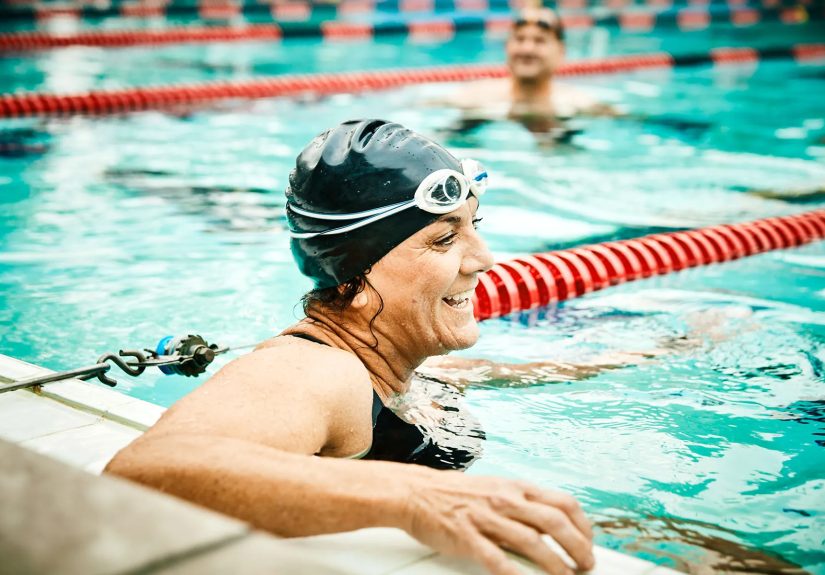
Water workouts can be excellent for people with joint pain because water reduces impact. However, chlorine may dry or irritate some skin. Shower after swimming, moisturize well, and test your tolerance gradually.
Strength Training
Strength training supports muscles, joints, metabolism, and daily function. Choose smooth movements and avoid equipment that rubs plaques. Machines, resistance bands, dumbbells, and bodyweight movements can all work with the right adjustments.
Yoga, Pilates, and Mobility Work
These can reduce stress, improve flexibility, and support posture. Use soft clothing, a clean mat, and props if certain positions irritate plaques or joints. Skip hot yoga if heat and sweat trigger symptoms.
What to Pack in a Psoriasis-Friendly Gym Bag
A little preparation can prevent a lot of irritation. Consider packing a soft towel, fragrance-free moisturizer, travel-size gentle cleanser, clean dry clothes, anti-chafing balm, sunscreen for outdoor workouts, a water bottle, and any dermatologist-approved topical products you may need afterward.
Changing quickly after exercise is especially helpful if sweat irritates your skin. Sitting around in damp clothes may be fine for some people, but for psoriasis-prone skin, it can turn a successful workout into an itchy sequel nobody requested.
When to Pause and Call a Healthcare Provider
Stop exercising and seek medical advice if you have open, bleeding, oozing, infected-looking, or very painful skin lesions. Also check in with a clinician if workouts repeatedly trigger severe flares, if your topical medications stop working, or if joint symptoms appear. Psoriasis treatment has advanced significantly, and lifestyle changes work best when paired with the right medical plan.
You should not have to design your whole life around avoiding discomfort. If psoriasis is interfering with exercise, sleep, work, confidence, or relationships, that is enough reason to ask for help.
Real-Life Experiences: What Working Out With Psoriasis Can Feel Like
People who exercise with psoriasis often learn that the challenge is not laziness. It is logistics. One person may love running but dread the waistband rubbing against plaques on the lower back. Another may enjoy weight training but struggle when chalk, metal handles, or wrist wraps irritate the hands. Someone with scalp psoriasis may finish a workout feeling proud, then worry that flakes are visible on a dark shirt. These small moments can pile up emotionally.
A common experience is the “before workout negotiation.” You stand in front of the closet deciding not only what looks decent, but what will not scratch, squeeze, heat up, or expose skin you do not want to explain. A soft oversized shirt may win over a fitted performance top. Loose joggers may replace compression leggings. This is not vanity; it is strategy. When clothing feels safe, movement becomes easier to start.
Another real challenge is sweat anxiety. Some people feel immediate stinging when sweat reaches plaques. Others worry sweat will worsen inverse psoriasis in skin folds. A helpful approach is to break workouts into smaller blocks. Instead of one long session, try 15 minutes, rinse or wipe down, then continue later if you feel good. This can make exercise feel less like a battle and more like a routine you control.
Gym confidence can also take time. Psoriasis is visible, and people are not always educated about it. Some may mistakenly think it is contagious, which it is not. Wearing comfortable coverage can help, but so can choosing spaces that feel welcoming: a quiet gym hour, home workouts, a walking trail, a community pool, or classes with supportive instructors. The right environment lowers stress, and lower stress can make consistency easier.
There is also the emotional win of adapting instead of quitting. Maybe you planned a hard cardio day, but your skin feels hot and irritated. You choose stretching and a slow walk instead. That is not a failed workout. That is intelligent self-management. Maybe you skip a barbell movement because the knurling scrapes your palms and use machines instead. That is not weakness. That is problem-solving with better lighting.
Over time, many people build a personal psoriasis workout formula: breathable clothes, gentle warm-up, moderate intensity, quick shower, moisturizer, and flexible scheduling. Once that formula works, exercise becomes less scary. It becomes a way to feel strong in a body that sometimes feels unpredictable.
The biggest lesson is this: working out with psoriasis does not have to look perfect to be effective. You can move in ten-minute chunks. You can wear loose clothes. You can avoid exercises that rub plaques. You can take breaks. You can moisturize like it is part of the cooldown. You can protect your skin and still build endurance, strength, confidence, and energy.
Psoriasis may change how you exercise, but it does not get to vote you out of movement entirely. Your routine can be practical, gentle, flexible, and still powerful. The goal is not to defeat your skin. The goal is to work with it, listen to it, and keep showing up in ways that make your whole body feel better.
Conclusion
Working out with psoriasis is easier when you stop treating discomfort as a personal failure and start treating it as useful information. Sweat, friction, heat, dry skin, and joint pain can all affect your routine, but smart adjustments can make movement more comfortable. Choose soft moisture-wicking clothes, reduce chafing, shower gently, moisturize consistently, protect your skin from sunburn, and adapt workouts during flares.
Most importantly, build a routine that respects your skin while supporting your health. Exercise does not need to be extreme to count. Walking, swimming, lifting, stretching, cycling, and dancing in the kitchen all belong on the menu. Your best workout is the one you can return to without making your psoriasis louder than your goals.







 Close
Close