
Table of Contents >> Show >> Hide
- What Is a Vanishing Edge Pond?
- How a Vanishing Edge Pond Works
- Why Homeowners Love Vanishing Edge Ponds
- Best Places to Build a Vanishing Edge Pond
- Design Ideas for a Vanishing Edge Pond
- Important Construction Considerations
- Plants That Make a Vanishing Edge Pond Feel Alive
- How to Keep the Water Clear
- Common Mistakes to Avoid
- Is a Vanishing Edge Pond Worth It?
- Real-Life Experience: What It Feels Like to Live With a Vanishing Edge Pond
- Conclusion
A vanishing edge pool is the backyard equivalent of a magician in sunglasses: water appears to glide right off the edge of the world, while hidden plumbing quietly does the practical work. But here is the plot twist garden lovers have been waiting for: the same visual drama can happen in a pond. Yes, a vanishing edge pond can make water seem to disappear into the landscape, turning an ordinary water garden into a living, moving, slightly jaw-dropping focal point.
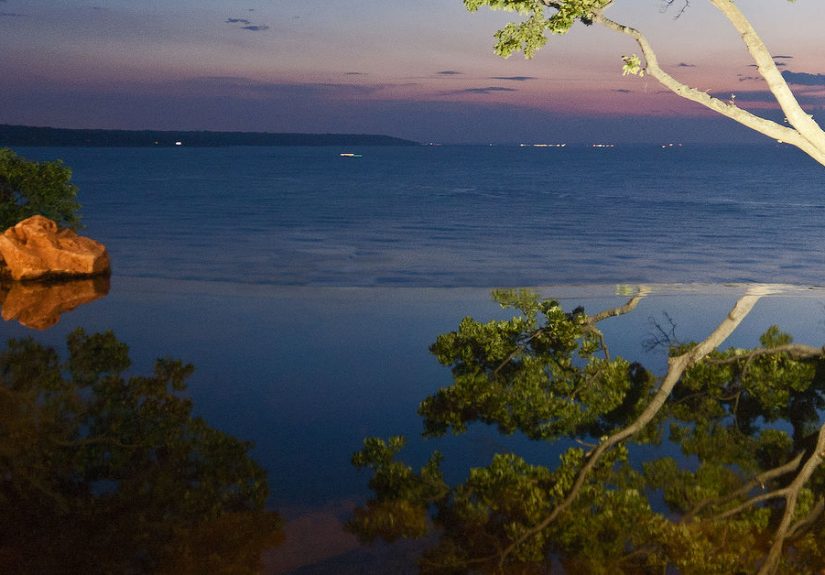
Unlike a traditional pond with a visible rim, a vanishing edge pond uses a carefully built spillover edge, hidden reservoir, pump, and recirculating system to create the illusion that water is flowing beyond the boundary. Think infinity pool meets backyard habitat. It can look sleek and architectural beside a modern patio, or natural and mossy beside boulders, ferns, ornamental grasses, and native plants.
The magic is not really magic, of course. It is design, hydraulics, pond ecology, and a little bit of “please let the weir be level.” When done well, a vanishing edge pond becomes more than a pretty trick. It adds sound, movement, wildlife value, cooling visual texture, and a sense of calm that makes a backyard feel like it has its own soundtrack.
What Is a Vanishing Edge Pond?
A vanishing edge pond is a decorative pond or water garden where one edge is intentionally designed so water spills over it into a lower collection area, trough, or underground reservoir. A pump then moves that water back into the pond, creating a continuous loop. From the viewing side, the edge seems to disappear.
The concept is similar to an infinity pool, but the personality is different. A pool is built for swimming and dramatic reflection. A pond is built for atmosphere, plants, beneficial bacteria, fish if desired, birds, frogs, dragonflies, and that oddly satisfying feeling of watching water do something graceful while you drink coffee.
Vanishing Edge Pond vs. Infinity Pool
An infinity pool relies on a precise overflow wall and a catch basin. A vanishing edge pond uses the same core idea, but it often includes rocks, gravel, aquatic plants, biological filtration, and a more naturalized reservoir system. The pond may be formal and mirror-like, or it may feel like a mountain spring that politely agreed to live in your backyard.
The biggest difference is ecology. A pond is not just water in a container. It is a small ecosystem. That means water quality, plant balance, sunlight, debris, nutrients, filtration, and oxygen all matter. The design has to be beautiful, but it also has to behave.
How a Vanishing Edge Pond Works
The basic system is simple to understand, although not always simple to build. Water fills the main pond, flows across a lowered edge, drops into a hidden reservoir or basin, and is pumped back into the pond. The result is a sheet, ribbon, or soft curtain of water that seems to vanish.
1. The Main Pond
The main pond holds the visible water. This may be a shallow reflecting pond, a planted water garden, a koi-style pond, or a naturalistic pond with stone shelves and marginal plants. The shape can be rectangular, freeform, oval, or custom-built around a slope.
2. The Vanishing Edge or Weir
The weir is the spillover edge. It must be level, stable, and smooth enough for water to pass over evenly. If one side is even slightly higher, water will choose the low side like a toddler choosing the loudest toy in the room. A level edge creates a clean, elegant overflow.
3. The Catch Basin or Hidden Reservoir
Below the edge, water lands in a basin, trough, gravel-filled reservoir, or underground storage area. This reservoir must be large enough to hold the water that spills over the edge, plus extra capacity for evaporation, splash, rainfall changes, and wind drift.
4. The Pump and Plumbing
A submersible or external pond pump returns water from the reservoir to the main pond. Proper pump sizing is essential. Too little flow creates a sad trickle. Too much flow may cause splashing, erosion, noisy plumbing, or a water bill that makes you blink twice.
5. Filtration and Biological Balance
Because a pond supports organic life, it needs more than circulation. Mechanical filtration helps remove debris. Biological filtration supports beneficial bacteria that help process nutrients. Aquatic plants can shade the water, compete with algae, and soften the hard edges of the design.
Why Homeowners Love Vanishing Edge Ponds
A vanishing edge pond is not just “a pond with a fancy haircut.” It offers several real design and lifestyle benefits.
It Creates a Big Visual Moment
The disappearing edge draws the eye outward, making a yard feel larger and more layered. On a sloped property, it can visually connect the pond to woods, fields, mountains, city views, or a lower garden. Even in a small yard, the effect can make the space feel deeper and more intentional.
It Adds Movement and Sound
Still water can be beautiful, but moving water brings energy. The spillover edge creates a soft sound that can help mask traffic, neighbors, air conditioners, and the mysterious leaf blower that always starts right when you sit down.
It Can Look Natural or Modern
A vanishing edge pond can be crisp and minimalist with dark stone, straight lines, and a reflective surface. It can also be naturalistic, with boulders, gravel, moss, sedges, rushes, water lilies, and ferns. The design language depends on the home and landscape.
It Supports a Healthier Outdoor Space
When planned responsibly, a pond can support pollinators, birds, beneficial insects, amphibians, and small wildlife. Native shoreline plants and marginal aquatic plants can help stabilize edges, absorb excess nutrients, and create habitat. The pond becomes decoration with a job description.
Best Places to Build a Vanishing Edge Pond
Location matters. The best vanishing edge pond does not just sit in the yard; it belongs there.
A Sloped Backyard
A slope is the classic opportunity. The lower side can hide the catch basin, while the upper viewing area showcases the disappearing edge. This can make the pond look as if it is flowing into a forest, lawn, meadow, or distant view.
A Patio or Outdoor Living Area
A formal vanishing edge pond beside a patio creates a resort-like effect. Use clean coping, dark liner, stone slabs, and subtle planting for a sleek look. Add low-voltage lighting and the pond becomes an evening feature, not just a daytime decoration.
A Garden Walkway
A narrow pond with a disappearing edge can guide movement through a landscape. The sound of water pulls guests forward, which is much more charming than a sign saying, “Please admire my landscaping.”
A Wildlife-Friendly Corner
For a more natural pond, place the feature near native plantings, shrubs, and sheltered areas. Avoid sending lawn fertilizer, pesticides, or muddy runoff into the water. Clean water begins before the pond even gets wet.
Design Ideas for a Vanishing Edge Pond
The Modern Reflecting Pond
This style uses a geometric shape, calm surface, and a smooth sheet of water flowing over one edge. It works beautifully with concrete, limestone, porcelain pavers, steel edging, or dark stone. Keep plantings minimal: dwarf rushes, iris, ornamental grasses, or a few sculptural containers.
The Natural Boulder Pond
This approach hides the mechanics with stone, gravel, and plants. Water slips between boulders and disappears into a lower gravel bed. It feels informal, organic, and ideal for homes near wooded landscapes.
The Koi-Friendly Vanishing Edge Pond
If fish are part of the plan, depth, filtration, predator protection, oxygen, and water quality become even more important. Koi and goldfish produce waste, so the system needs adequate biological filtration and responsible feeding. More fish does not always mean more charm. Sometimes it just means more algae and fish giving you judgmental looks.
The Pondless Hybrid
A pondless-style reservoir can be paired with a shallow visible pond or stream. This is useful for homeowners who want moving water but prefer less exposed water surface. It can also reduce some safety concerns, though local codes and child safety planning still matter.
Important Construction Considerations
A vanishing edge pond is not the best place to “wing it.” The design must account for water volume, liner protection, reservoir size, edge precision, pump access, and maintenance. Small errors can become very wet problems.
Reservoir Size
The reservoir must hold enough water when the pump turns off and all water in motion drains back. It also needs capacity for splash loss, wind, evaporation, and rainfall. If the basin is too small, the pump may run dry or the feature may overflow.
Edge Leveling
The vanishing edge should be built with careful leveling. A slight unevenness can cause water to spill heavily on one side and barely move on the other. For a clean sheet effect, precision is not optional.
Liner and Underlayment
Flexible pond liners are common in water garden construction, but they must be protected from punctures by underlayment, smooth subgrade preparation, and careful rock placement. Sharp stones and careless installation can turn a dream pond into a slow leak detective story.
Access for Maintenance
Pumps, valves, filters, and reservoir cleanout areas should be accessible. Hidden does not mean unreachable. Future you will appreciate this when leaves, sludge, or pump maintenance call for attention.
Electrical Safety
Pond pumps, lighting, and outdoor outlets should be installed with proper weather-rated equipment and ground-fault protection. Work with qualified professionals when electricity and water share a sentence.
Plants That Make a Vanishing Edge Pond Feel Alive
Plants are more than decoration. They help shade water, take up nutrients, soften stonework, and create habitat. The best choices depend on climate, pond depth, sun exposure, and whether the plants are allowed in your state.
Marginal Plants
Marginal plants grow at the pond edge or in shallow water. Options may include native iris, pickerelweed, rushes, sedges, lizard’s tail, and arrowhead, depending on your region. These plants help blend the pond into the landscape and reduce the “plastic bowl in the yard” effect.
Floating and Surface Plants
Floating plants can reduce sunlight penetration and compete with algae for nutrients. However, some popular floating plants are invasive or restricted in certain states. Always check local rules before adding anything that could escape into waterways.
Submerged Oxygenating Plants
Submerged plants can support oxygen balance and aquatic life. They should be managed carefully so they do not overtake the pond. The goal is balance, not an underwater jungle audition.
How to Keep the Water Clear
Clear water comes from smart design and steady maintenance, not one miracle bottle from the garden center. Algae thrives on sunlight, warmth, and nutrients. To reduce algae pressure, limit fertilizer runoff, avoid overfeeding fish, remove excess leaves, include beneficial plants, and maintain filtration.
Control Nutrients Before They Enter
Keep lawn clippings, pet waste, fertilizer, and soil erosion away from the pond. A planted buffer around the water can help filter runoff and stabilize soil. This is especially important if the pond sits downhill from turf or planting beds.
Use Plants for Shade and Balance
Aquatic plants can shade the surface and absorb nutrients that would otherwise feed algae. In many ornamental ponds, a balanced mix of marginal and surface plants makes maintenance easier and the pond more natural.
Maintain the Pump and Filters
Clean mechanical filters as needed, inspect pump intakes, and remove debris before it decomposes. A clogged pump can reduce circulation, weaken the spillover effect, and create stagnant areas.
Do Not Overfeed Fish
Fish food that is not eaten becomes fertilizer. Fertilizer grows algae. Algae grows frustration. Feed only what fish consume quickly, and reduce feeding when temperatures are not appropriate for active digestion.
Common Mistakes to Avoid
Building the Reservoir Too Small
This is one of the most common and costly mistakes. A vanishing edge pond moves water continuously. The hidden basin needs enough capacity for real-world conditions, not just a perfect sunny afternoon with no wind.
Ignoring Wind
Wind can blow falling water away from the catch basin, especially when the drop is tall or exposed. This can lead to water loss, wet slopes, erosion, and unhappy conversations that begin with, “Why is the mulch floating?”
Placing the Pond Under Messy Trees
Shade can help control algae, but heavy leaf drop can overload the system. If the pond sits below deciduous trees, plan for skimming, netting, or seasonal cleanup.
Using Invasive Aquatic Plants
Some attractive water garden plants can become invasive when they escape. Buy from reputable nurseries and check your state’s invasive plant list before planting.
Forgetting Local Codes
Depending on depth, electrical work, fencing rules, stormwater regulations, and property setbacks, permits may be required. Always check local requirements before excavation begins.
Is a Vanishing Edge Pond Worth It?
For the right property, absolutely. A vanishing edge pond is worth considering if you want a high-impact water feature that feels custom, immersive, and different from the standard backyard pond. It can become the emotional center of an outdoor space, especially when paired with seating, lighting, native plants, and a view.
However, it is not the lowest-maintenance option. Compared with a simple container water garden or small fountain, a vanishing edge pond requires more planning, more precise construction, and more attention to circulation and water quality. It is best for homeowners who appreciate both beauty and stewardship.
Real-Life Experience: What It Feels Like to Live With a Vanishing Edge Pond
The first thing most people notice about a vanishing edge pond is not the edge. It is the sound. There is a soft, steady movement to it, less dramatic than a waterfall but more alive than a still pond. It gives the garden a rhythm. In the morning, the water catches the low light and turns the surface into a mirror. By afternoon, the edge begins to sparkle. At night, with a few understated lights, the whole thing looks like the yard learned how to whisper.
One of the best experiences is watching guests discover how it works. They see the water sliding over the edge and instinctively walk closer, looking for where it goes. Someone usually says, “Wait, where does the water disappear to?” That is the moment the pond earns its keep. It is not just landscaping; it is a conversation starter with frogs.
Living with this kind of pond also teaches patience. In the first few weeks, the water may not look perfect. New ponds often need time to settle biologically. Plants need to root. Beneficial bacteria need surfaces to colonize. The pump, filter, rocks, and reservoir all begin working together gradually. A new pond is a bit like a new sourdough starter: you can encourage it, but you cannot bully it into maturity.
Maintenance becomes part of the routine, but not necessarily a burden. Skimming leaves, checking the pump intake, topping off water during hot weather, and trimming plants can become small outdoor rituals. You start noticing details: how much water evaporates during a dry week, which plants shade the surface best, where birds like to land, and how quickly algae responds if too many nutrients enter the system.
The most satisfying part is how the pond changes the way the whole yard feels. A blank slope becomes a destination. A patio becomes a retreat. A quiet corner becomes habitat. Dragonflies show up like tiny helicopters. Birds stop by for a drink. Children and adults both slow down near the edge, because moving water has a way of making people pause without being told to relax.
There are lessons, too. Bigger is not always better if the reservoir is undersized. More fish are not always more fun if filtration cannot keep up. More plants are not always prettier if they block the edge that makes the feature special. Balance is everything. A successful vanishing edge pond looks effortless precisely because so much thought went into it.
The best designs feel inevitable, as if the water always belonged there. That is the real charm. A vanishing edge pool says luxury. A vanishing edge pond says luxury wandered into the garden, took off its shoes, and decided to stay.
Conclusion
A vanishing edge pond brings the drama of an infinity pool into the softer, more ecological world of water gardens. It can be modern or natural, compact or expansive, formal or wild around the edges. The key is thoughtful design: a level spillover edge, properly sized reservoir, reliable pump, protected liner, smart filtration, and plant choices that support water quality rather than fight it.
For homeowners who want something beyond a standard backyard pond, this feature offers beauty, sound, movement, habitat, and a serious dose of “How does that work?” appeal. Build it carefully, maintain it consistently, and a vanishing edge pond can turn a yard into the kind of place people remember long after they leave.
Note: This article synthesizes current U.S. pond construction, water-garden maintenance, aquatic plant, algae-control, and vanishing-edge water-feature best practices. Always consult local building codes, utility rules, and qualified pond or landscape professionals before excavation, electrical installation, or deep-water construction.







 Close
Close