
Table of Contents >> Show >> Hide
- Quick answer: Does zinc help eczema?
- Why zinc is even in the eczema conversation
- What the research says about zinc levels in people with eczema
- Oral zinc supplements for eczema: do they work?
- Topical zinc for eczema: zinc oxide vs. zinc pyrithione
- How to use zinc (topical) in an eczema routine without making things worse
- Zinc in your diet: food-first, within reason
- Safety: how not to turn “helpful zinc” into “why do I feel nauseous?”
- When to talk to a dermatologist instead of DIY-ing forever
- Bottom line: zinc for eczemawhere it fits
- Real-World Experiences With Zinc for Eczema (Anecdotes, Not Miracles)
- SEO Tags
If eczema had a résumé, it would list “itching,” “dryness,” and “showing up at the worst possible time” as core skills.
So it makes sense that people go hunting for anything that might calm the chaosespecially something as familiar (and
oddly heroic-sounding) as zinc.
Zinc is everywhere in skin care chatter: zinc oxide in diaper creams, zinc in dandruff shampoos, zinc lozenges in cold
season, zinc supplements in the vitamin aisle. But does zinc actually help eczema (atopic dermatitis), or is it just
another trendy ingredient wearing a lab coat?
Let’s break it down with a clear-eyed look at what zinc does in the body, what the research says about zinc and eczema,
and when zinc might be worth discussing with a clinicianplus how to use zinc-containing products without accidentally
making your skin madder.
Quick answer: Does zinc help eczema?
Zinc isn’t a magic “delete eczema” button. Overall, studies don’t show that zinc supplements reliably improve eczema for
everyone. However, zinc may matter in a few specific situations:
- If you’re zinc-deficient, correcting that deficiency may help overall skin healthand may improve eczema severity in some cases.
- Topical zinc oxide can act like a protective “shield” on irritated skin and may soothe certain flare patterns (especially chafing or weepy areas), but it’s not an eczema cure.
- Zinc pyrithione is mainly used for dandruff/seborrheic dermatitis; evidence for eczema is limited and product availability varies by region and regulations.
Why zinc is even in the eczema conversation
Zinc is a “behind-the-scenes” mineral for skin
Zinc supports processes your skin depends on: normal immune signaling, wound healing, and maintaining tissue integrity.
In plain English: zinc helps your body repair and defend, which sounds very relevant when eczema makes skin dry,
inflamed, and prone to irritation.
Eczema is more than “dry skin”
Atopic dermatitis is often described as a combination problem: a weakened skin barrier plus immune overreaction. When
the barrier is leaky, irritants and allergens get in more easily. Then inflammation ramps up, itching increases, and
scratching damages the barrier even more. It’s a looplike a hamster wheel, but less cute.
Because zinc plays roles in barrier function and immune activity, researchers have explored whether people with eczema
have lower zinc levels and whether adding zinc changes symptoms.
What the research says about zinc levels in people with eczema
Several observational studies have reported lower zinc levels (measured in serum, hair, or red blood cells) in people
with atopic dermatitis compared with those without it. That sounds promisinguntil you remember one key rule of health
research: association is not causation.
Lower zinc levels could be a contributor, a consequence, or just “along for the ride” with inflammation, diet changes,
or other factors. A systematic review and meta-analysis found an association between lower zinc measures and atopic
dermatitis, but also emphasized that study quality limits how confidently we can interpret the link.
Oral zinc supplements for eczema: do they work?
The evidence in real life: mixed and not impressive overall
When researchers looked at clinical trials, the results weren’t a slam dunk. In the systematic review mentioned above,
two randomized controlled trials were identified: one found improvement when zinc was given to participants who had zinc
deficiency, while another trial that included people with eczema more broadly did not find significant benefit.
That pattern“maybe helpful if you’re deficient, not consistently helpful otherwise”is common with nutrients. If a body
already has enough of a nutrient to run its basic systems, adding more doesn’t necessarily upgrade you to “premium
skin.”
When zinc deficiency can look like (or worsen) a rash
Severe zinc deficiency can cause dermatitis-like skin changes, and there’s a rare genetic condition (acrodermatitis
enteropathica) where impaired zinc absorption leads to a characteristic rash and other symptoms. That’s not typical
eczema, but it’s one reason clinicians take zinc status seriously in certain scenariosespecially when a rash doesn’t
respond to standard eczema therapies.
So… should you take zinc for eczema?
For most people with eczema, there’s not strong evidence that zinc supplements alone will noticeably reduce flares or
itching. Dermatology guidance aimed at families and children notes that zinc did not make a difference in research
studies evaluating vitamins/minerals for eczema overall.
However, it may be worth a clinician conversation if you have reasons to suspect low zinc intake or absorption problems
(for example, certain restrictive diets, digestive disorders, or other medical factors). In those cases, the goal isn’t
“mega-dose zinc for eczema”it’s identifying and correcting a deficiency safely.
Topical zinc for eczema: zinc oxide vs. zinc pyrithione
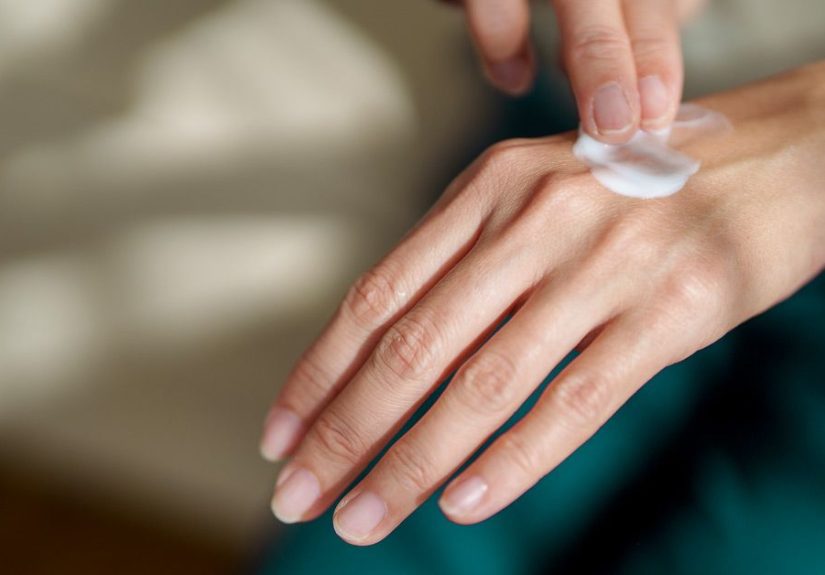
Zinc oxide: the protective “skin shield”
Zinc oxide is a familiar ingredient in barrier creams and ointments. It’s widely used as a skin protectantespecially
for diaper rashbecause it forms a physical barrier on the skin, helping seal out moisture and irritating substances.
On product labels, you’ll often see zinc oxide described as a skin protectant and as helpful for chafed or weepy skin.
Eczema isn’t diaper rash, but the barrier concept overlaps. During certain flaresespecially when skin
is irritated by friction, sweating, drool (around the mouth), or repeated washingadding a barrier layer can reduce the
“insult load” on the skin. Think of it like putting a raincoat on inflamed skin so life’s little annoyances don’t soak
it.
What zinc oxide might help with:
- Protecting eczema-prone areas exposed to irritants (frequent handwashing, saliva, friction)
- Calming mild chafing and helping protect weepy/oozing patches (as part of a broader plan)
- Supporting a “barrier-first” routine alongside moisturizers and prescription treatments
What zinc oxide won’t do: replace proven eczema therapies (like consistent moisturizing and
anti-inflammatory treatments during flares). It’s support gear, not the entire team.
Zinc pyrithione: mostly a dandruff ingredient (eczema evidence is limited)
Zinc pyrithione is best known as an over-the-counter active ingredient in products for dandruff and seborrheic
dermatitis. Some small reports and “clinical case” discussions have explored it for atopic dermatitis, but high-quality
evidence for everyday eczema care is limited compared with standard treatments.
Also important: zinc pyrithione’s regulatory status varies by region. If you’ve seen it disappear from some cosmetic
shelves or show up mainly in medicated scalp products, that’s part of a broader regulatory and formulation landscape.
In the U.S., it appears in OTC dandruff/seborrheic dermatitis products under established concentrations, but it’s not a
mainstream eczema treatment recommendation.
How to use zinc (topical) in an eczema routine without making things worse
1) Think “barrier layer,” not “miracle cream”
If you’re using a zinc oxide ointment, treat it as a protective topcoat. A simple approach many dermatologists like:
moisturize first (so your skin actually gets hydration), then apply the barrier layer where you need protection.
2) Choose boring products on purpose
Eczema skin tends to be drama-prone. Fragrance, essential oils, and “tingly botanical blends” can turn a calm routine
into a protest march. Look for fragrance-free, dye-free options whenever possible.
3) Patch test like a cautious adult, even if you feel brave
Try a small amount on a limited area for a few days. If burning, worsening redness, or new irritation happens, stop
and reassess. (Yes, even if the product has “gentle” in the name. Words are not a safety certification.)
4) Don’t skip the proven basics
Evidence-based eczema care still leans heavily on: daily moisturizing, trigger reduction, and appropriate anti-inflammatory
treatment during flares. Professional guidelines strongly support moisturizers and prescription/nonprescription topical
anti-inflammatory options depending on severity.
Zinc in your diet: food-first, within reason
Zinc is found in a range of foods. Animal sources tend to be more bioavailable (easier to absorb), while plant sources
can be trickier because compounds like phytates reduce absorption.
Common zinc-rich foods include oysters (very high), red meat, poultry, beans, nuts, whole grains, and dairy. If you’re
trying to support overall skin health, building consistent nutrition is usually a safer long-game than chasing
supplement highs.
Safety: how not to turn “helpful zinc” into “why do I feel nauseous?”
Recommended amounts and upper limits matter
Zinc is essentialbut more is not automatically better. The recommended daily intake varies by age and sex. For adults,
recommended intake is around 11 mg/day for men and 8 mg/day for women, and it’s lower for children and varies for teens.
There’s also a Tolerable Upper Intake Level (UL)the maximum daily amount unlikely to cause harm for
most healthy people. For adults, the UL is 40 mg/day from food and supplements combined; for children and adolescents,
the UL is lower depending on age.
Too much zinc can backfire
High zinc intake (especially from supplements) can cause nausea and stomach upset. Taken in high doses over time, zinc
can interfere with copper absorption, potentially leading to low copper status and related problems. Long-term high
intake can also affect immune function and HDL (“good”) cholesterol.
Medication interactions are real (and annoying)
Zinc can interact with certain antibiotics (including quinolones and tetracyclines) and with penicillamine. If you’re
taking medications, it’s a good idea to ask a pharmacist or clinician before adding zinc supplements. Timing can matter
because zinc can reduce absorption of certain drugs if taken together.
When to talk to a dermatologist instead of DIY-ing forever
Eczema is common, but it can become miserable fast. Consider professional help if:
- You have frequent flares that don’t respond to consistent moisturizing and appropriate OTC care
- Your skin is painful, cracked, or repeatedly infected (oozing, crusting, increasing redness/warmth)
- Itching disrupts sleep or daily functioning
- You suspect an allergy, irritant trigger, or a different diagnosis (like contact dermatitis)
- You’re considering supplements and want personalized, safe guidance
Bottom line: zinc for eczemawhere it fits
Zinc is important for skin health, but eczema is complicated. Here’s the practical takeaway:
- Oral zinc supplements: Not a reliable eczema treatment for most people; may help if there’s a true deficiency.
- Zinc oxide topicals: Can be useful as a protective barrier in certain flare patterns and sensitive zones, but not a standalone eczema solution.
- The real win: Pair any zinc “support” with proven eczema fundamentalsmoisturize consistently, treat inflammation appropriately, and reduce triggers.
Real-World Experiences With Zinc for Eczema (Anecdotes, Not Miracles)
If you search “zinc for eczema” online, you’ll find two kinds of stories: “It changed my life!” and “It did absolutely
nothing.” Both can be truebecause eczema is not one single condition with one single cause, and zinc shows up in more
than one form.
Experience #1: Zinc oxide feels soothing… until it feels like paste.
Many people who try zinc oxide ointment during a flare describe a quick sense of reliefespecially when the skin is
irritated by friction or moisture (think: hands that are washed constantly, a rashy neck fold, or skin that gets rubbed
by clothing). The “shield” effect can reduce stinging from water, sweat, or irritants. The downside? Zinc oxide is
thick. Some folks feel like they’re wearing theatrical makeup on their elbows. If you apply too much, it can transfer
onto clothing and sheets, and if you apply it on top of already-dry skin without moisturizing first, it may feel
tightlike your skin is wearing a chalky sweater.
Experience #2: Supplements help energy and nails, but eczema doesn’t budge.
People who start a zinc supplement sometimes notice changes that are not specific to eczema: improved appetite, fewer
“I get every cold in my ZIP code” weeks, or stronger nails over time. Then they look at their eczema and realize it’s
still doing what eczema does: flaring with stress, weather changes, harsh soaps, and the audacity of existence. This
matches the broader research vibezinc can be essential without being a direct eczema “off switch.”
Experience #3: It helps when the issue wasn’t really “eczema.”
Occasionally, someone has a rash labeled as eczema that doesn’t respond to typical routines, and later finds out there
was something else involvedlike significant nutrient deficiency, an irritant contact dermatitis trigger, or a
secondary issue that needed targeted treatment. In those situations, addressing zinc deficiency (under medical
guidance) can be part of a bigger “finally we found the real problem” story. It’s not that zinc is a secret cure; it’s
that the diagnosis and contributing factors matter more than the supplement aisle.
Experience #4: Zinc is great… until it’s too much.
Some people report stomach upset when taking zincespecially on an empty stomachor notice nausea if they take higher
doses than their body tolerates. A few learn the hard way that “if some is good, more is better” is not a nutrition law
of physics. The more cautious stories often end with: “I stopped the supplement, focused on food sources, and asked my
clinician what made sense for me.” Boring? Yes. Safe? Also yes.
Experience #5: Zinc fits best as a side character, not the main plot.
The most consistently positive experiences tend to come from people who use zinc as part of a structured eczema plan:
moisturizing daily, using anti-inflammatory treatments appropriately during flares, and adding zinc oxide as a targeted
barrier in problem areas. In that setup, zinc isn’t pretending to cure eczemait’s helping reduce irritation and
supporting the skin’s day-to-day survival.
If you take one “real world” lesson from all these experiences, make it this: eczema care is a system, not a single
product. Zinc can be one helpful piece, especially topically as a barrier or nutritionally when deficiency is present,
but it rarely wins the game by itself.







 Close
Close