
Table of Contents >> Show >> Hide
- What “Debauchery” Really Meant in the Ancient World
- 1. Dionysus/Bacchus – Patron Saint of “One More Drink”
- 2. Aphrodite – Love, Lust, and Zero Interest in Modesty
- 3. Pan – The Horned God of Wild Lust
- 4. Priapus – Patron of Gardens and NSFW Statues
- 5. Inanna/Ishtar – Love, Sex, and War in One Divine Package
- 6. Hathor – Egypt’s Lady of Drunkenness and Dance
- 7. Xochiquetzal – Aztec Goddess of Pleasure and Pretty Things
- 8. Freyr – Norse God of Fertility, Fields, and Physical Pleasure
- 9. Bes – The Party Crasher Who Protected Your House
- 10. Eros – Cupid before the Valentine’s Day Makeover
- What These Party Gods Tell Us about Humanity
- Modern “Experiences” with the Ancient Gods of Debauchery
- Conclusion: Party Gods with Serious Lessons
When people say “they partied like the ancient Greeks,” they’re not kidding. Long before VIP lists and bottle
service, entire civilizations dedicated festivals, temples, and frankly alarming quantities of wine to gods
and goddesses of lust, pleasure, and good old-fashioned debauchery. These weren’t just background deities;
they were front and center in myths, art, and public holidays that made Mardi Gras look like a quiet book club.
In this tour through ancient mythology, we’ll meet ten gods and goddesses whose job descriptions basically read:
“wine, wild dancing, questionable life choices, and fertility”. From Dionysus and Aphrodite to Inanna,
Hathor, and some lesser-known party legends, each deity shows how different cultures tried to explain (and
occasionally excuse) humanity’s love of excess.
What “Debauchery” Really Meant in the Ancient World
Today, debauchery sounds like something your HR department strongly discourages. In ancient religions, however,
it was often wrapped in sacred language: ecstasy, fertility, divine madness, holy intoxication,
and ritual pleasure. Feasting, drinking, sexual expression, and ecstatic dance weren’t just
personal choicesthey could be acts of worship.
That doesn’t mean everyone approved. Many of these cults sparked moral panics, legal crackdowns, and stern
speeches about “the youth these days.” But the stories survived, and together they paint a surprisingly honest
picture of what people feared, desired, and secretly hoped the gods would let them get away with.
1. Dionysus/Bacchus – Patron Saint of “One More Drink”
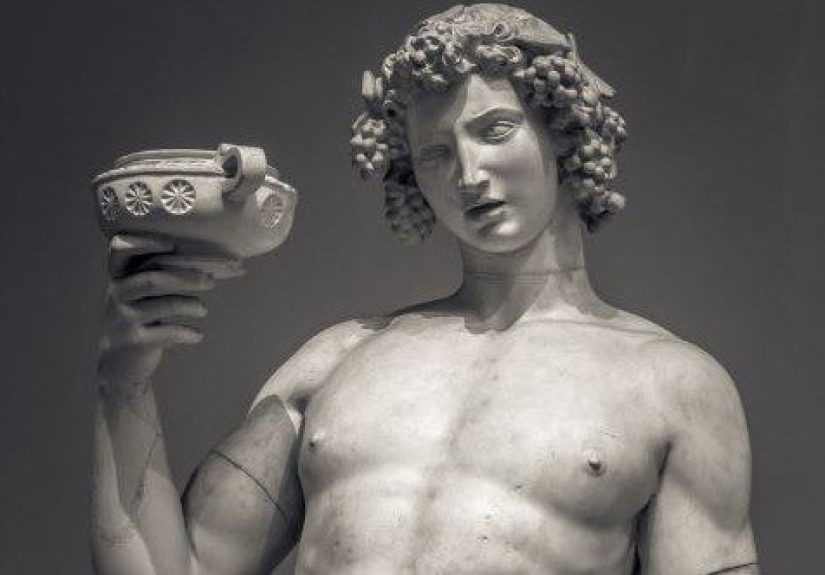
If you had to pick one god to blame for humanity’s hangovers, Dionysus (known to the Romans as Bacchus)
would be your guy. The Greek god of wine, festivity, fertility, and ritual madness, Dionysus was the
divine force behind vineyards, theater, and ecstatic cults where followers danced, shouted, and supposedly
forgot all social rules along with their inhibitions.
The God of Divine Chaos
Ancient sources describe him as the god whose wine and music freed people from their worries and normal
constraints. His worship often took place in the hills, far from polite city life, where participants
(especially women called maenads) engaged in frenzied dancing, shouting, and all-night revelry.
To his devotees, it wasn’t just partyingit was a way to feel possessed by the god himself and escape the
rigid expectations of respectable society.
Bacchanalia and Ancient Moral Panic
When the Romans adopted Dionysus as Bacchus, they imported the fun and the fear. The famous
Bacchanaliasecretive festivals with heavy drinking and ecstatic riteseventually became so notorious
that the Roman Senate restricted them in the 2nd century BCE. The official story? Too much sex, scheming,
and chaos under the cover of religion. In other words: “We’re shutting this down before the entire empire
calls in sick tomorrow.”
2. Aphrodite – Love, Lust, and Zero Interest in Modesty
Aphrodite, the Greek goddess of love and beauty, wasn’t just about sweet romance and roses. She was the divine
embodiment of lust, passion, and sexual attraction. Her Roman counterpart, Venus, inherited the
same job: making mortals and gods alike fall disastrously in loveor at least in bed.
Affairs, Affairs Everywhere
Married to the blacksmith god Hephaestus, Aphrodite nevertheless had legendary affairs with Ares, mortals like
Adonis, and pretty much anyone who fit her personal aesthetic. Her myths showcase love at its messiest:
jealousy, betrayal, rivalry, and the kind of emotional disasters that would crash modern group chats.
When Desire Is Divine
Temples to Aphrodite weren’t just tourist attractions; they reflected the idea that desire itself was a sacred,
unstoppable force. Ancient worship often linked her with fertility and prosperity, tying romantic and sexual
passion to the survival of families and cities. If Dionysus handled the drinks, Aphrodite handled whatever
happened after people started texting at 2 a.m.metaphorically speaking.
3. Pan – The Horned God of Wild Lust
Imagine a half-man, half-goat deity who spends most of his time chasing nymphs, playing the pan flute, and
lurking in forests. That’s Pan, the Greek god of nature, shepherds, rustic music, and very
enthusiastic sexuality.
The Original Rural Menace
Pan lives in the untamed countryside, far from city walls and polite manners. Myths describe him constantly
pursuing nymphs and other beings, with his goat-like features emphasizing his uncontrolled, animalistic
desire. His presence was said to cause sudden irrational fear in travelersa feeling we still call “panic.”
Nature, but Make It Chaotic
While some Greek gods tried to embody idealswisdom, justice, orderPan represented what happens when you
leave civilization behind. He reminds us that, to the ancients, sexuality wasn’t just candlelit dinners in
town; it was tangled up with wild landscapes, instincts, and the parts of ourselves that refuse to behave.
4. Priapus – Patron of Gardens and NSFW Statues
Priapus is one of those minor gods who still manages to make a major impression. A rustic fertility deity
linked to gardens, livestock, and the male body, he’s almost always depicted with an exaggerated physical
attribute that left nothing to the imagination.
Fertility with a Punchline
In Greek and Roman art, Priapus appears as a dwarf-like figure guarding orchards and vineyards, his prominent
anatomy symbolizing abundance and fertility. Statues of him were often set up as scarecrowsor perhaps
scare-thievesand came with humorous or threatening inscriptions aimed at anyone stealing fruit.
Obscene Poetry and Rural Humor
A whole body of ancient comic poetry, the Priapeia, treats Priapus as a crude but oddly lovable god
who complains about his bad posting and insults those who disrespect him. He embodies a very earthy kind of
debauchery: not glamorous banquets, but bawdy jokes and rural fertility rituals where nature and sexuality are
cheerfully intertwined.
5. Inanna/Ishtar – Love, Sex, and War in One Divine Package
Inanna (later known as Ishtar) was the Mesopotamian goddess of love, war, and fertilitya combination that
makes modern dating apps look tame. She governed erotic love, political power, and battle, proving that desire
and destruction often walked hand in hand.
The Queen of Heaven and Lovers
Inanna’s myths are full of passionate affairs and dangerous seductions. She takes mortal and divine lovers,
including the shepherd god Dumuzid, but things rarely end peacefully. Her relationships often involve dramatic
reversals of fortune, jealousy, and cosmic-level consequences.
Temple Rituals and Sacred Desire
In some interpretations, aspects of her worship included ritualized expressions of sexuality linked to
fertility and kingship. Whether all the more sensational claims about her temples are accurate or not,
Inanna/Ishtar clearly represented desire as a force that could build kingdoms, topple rulers, and reshape
the world.
6. Hathor – Egypt’s Lady of Drunkenness and Dance
In ancient Egypt, if you wanted a goddess who could handle a festival, you called Hathor. She presided over
love, beauty, music, dance, and joyand carried the delightful title “Lady of Drunkenness.”
Festivals That Got Loud
At Hathor’s festivals, worshipers played rattling instruments like the sistrum, danced, and drank
heavily in her honor. Some celebrations involved intentional intoxication to connect with the goddess’s
joyous, ecstatic side. It wasn’t just “having a good time”; it was a way to join the divine in a controlled
burst of chaos.
A Comforting, Yet Wild, Presence
Hathor could appear as a nurturing cow goddess who protected mothers and children, but she also had a
wilder side connected to transformation and unleashed emotion. In one famous myth, she nearly destroys
humanity as the fierce goddess Sekhmet before being pacified with beer dyed to resemble blood. Basically:
give this goddess drinks at regular intervals.
7. Xochiquetzal – Aztec Goddess of Pleasure and Pretty Things
In Aztec mythology, Xochiquetzal embodies youthful beauty, love, flowers, and desire. She’s a
patron of young women, artisans, and all things lush, colorful, and temptingly excessive.
Flowers, Youth, and Flirtation
Xochiquetzal’s name roughly means “Precious Flower,” and her cult often involved floral decoration and
masked celebrations. She presided over sexuality, especially in its youthful, playful form, and was linked
to pleasure, luxury, and the temptations of beauty.
Desire as a Double-Edged Sword
While she brought joy, fertility, and creativity, Xochiquetzal also symbolized the risks of indulgence:
fleeting beauty, infidelity, and the way desire can turn lives upside down. In a culture that took both
discipline and ritual seriously, she represented the sweet, intoxicating side of life that people still
found impossible to resist.
8. Freyr – Norse God of Fertility, Fields, and Physical Pleasure
The Norse pantheon is full of warriors, giants, and apocalyptic wolvesbut it also has Freyr,
a fertility god associated with prosperity, sunshine, and, very explicitly, virility.
Fertility in Every Sense
Freyr was invoked for good harvests, peace, and general abundance. In some early sources, statues of him
were carved with clearly phallic features, underlining his role in human and agricultural fertility. If
your crops failed, your livestock didn’t reproduce, or things were just, well, quiet at home, Freyr was the
one you wanted on your side.
Pleasure and Prosperity
Medieval writers recorded that worship of Freyr included horse cults and possibly rites that linked sexuality
with the land’s wellbeing. In Norse culturewhere long winters and harsh landscapes were the normFreyr’s
warm, life-giving energy made him a kind of divine antidote to cold, scarcity, and gloom.
9. Bes – The Party Crasher Who Protected Your House
At first glance, Bes doesn’t look like a god of pleasure. He’s a dwarf-like figure with a
wild mane, lion features, and a tongue often stuck out in a comical snarl. But in ancient Egypt, this
quirky deity was a beloved household protector linked to music, dance, sexuality, and joy.
Guardian of the Bedroom and the Bassline
Bes was believed to guard sleeping families, pregnant women, and infants from evil spirits. At the same time,
he was closely associated with festive music, dancing, and sensual pleasure within the private sphere of the
home. Wall paintings and amulets show him playing instruments, dancing, and generally behaving like the life
of the party.
Everyday DebaucheryBut Make It Protective
Unlike the big state gods who ruled the cosmos, Bes belonged to the bedroom, nursery, and living room. His
mix of humor, sexuality, and guardianship suggests that the Egyptians didn’t see joy, laughter, and intimacy
as threats to holiness; they saw them as things worth protecting.
10. Eros – Cupid before the Valentine’s Day Makeover
Before he became a chubby baby on greeting cards, Eros was the Greek god of love, lust, and
overpowering desire. In early myths, he’s even a primordial force, one of the first beings to spark creation
by driving gods and mortals together.
Love as a Weapon
Eros carries a bow and arrows that don’t just inspire crushes; they cause irresistible attraction. He meddles
in the affairs of gods and humans alike, firing up relationships that are passionate, ill-advised, or both.
Whether helping Aphrodite, punishing arrogance, or starring in the famous tale of Eros and Psyche, he turns
desire into a plot deviceone that often leaves everyone overwhelmed.
From Cosmic Force to Mischievous Brat
Over time, artists and writers softened Eros from a powerful young god into a winged child, making his
debauchery seem cuter but no less disruptive. The message stays the same: desire doesn’t ask permission;
it just shows up, ruins your plans, and calls it destiny.
What These Party Gods Tell Us about Humanity
Put these ten deities together and a pattern emerges. Across culturesfrom Greece and Rome to Mesopotamia,
Egypt, the Norse world, and Mesoamericapeople created gods to represent the parts of life that feel
overwhelming: wine, sex, beauty, obsession, and ecstatic states that blur the line between joy and danger.
These gods and goddesses weren’t just excuses for wild festivals. They were attempts to tame the untamable
by giving it a name, a face, and a set of rituals. If you could honor Dionysus properly, maybe your drinking
wouldn’t destroy you. If you respected Aphrodite or Inanna, maybe love wouldn’t break your kingdom in half.
That tensionbetween indulgence and controlis as familiar now as it was 3,000 years ago.
Modern “Experiences” with the Ancient Gods of Debauchery
Obviously, no one is recommending you resurrect an actual Bacchanalia. But learning about these gods can
change the way modern people think about pleasure, limits, and the stories we tell ourselves about “going
too far.” Here are some vivid, relatable experiences inspired by the world of these ancient deities.
1. The Museum Gallery That Suddenly Feels NSFW
Picture walking into a quiet museum gallery expecting solemn statues of philosophersand finding a whole row
of Priapus and fertility figures. You start laughing nervously, then realize that for the people who made
these objects, fertility wasn’t a taboo; it was a survival issue. Seeing these gods up close can make modern
viewers reflect on how much we’ve hidden behind euphemisms and how blunt earlier cultures were about
reproduction and desire.
2. A Wine Tasting with a Dionysian Twist
Imagine a carefully curated wine night where each glass is paired with a story about Dionysus or Bacchus:
the ecstatic festivals, the moral panic, the way theater grew out of his cult. As the evening goes on, the
group inevitably jokes about “channeling Dionysus,” but the stories also raise serious questions: at what
point does celebration slide into excess? How do you keep joy from becoming self-destruction? The myths
give people a language for talking about moderation without killing the mood.
3. Standing in a Temple Ruin and Hearing the Echo of Drums
Travelers visiting ancient sites associated with Hathor or Xochiquetzal often report a strange feeling:
standing in a quiet ruin while imagining the noise it once helddrums, rattles, chanting, laughter. It’s
easy to romanticize the past, but those ruins remind us that ritualized debauchery was loud, embodied,
and communal. It wasn’t just about “feeling good”; it was about shared identity, seasonal cycles, and a
temporary break from rigid hierarchies.
4. Recognizing Eros in Modern Love Stories
Whether you’re binge-watching a messy TV romance, scrolling through breakup posts, or listening to a friend
talk about their latest doomed crush, it’s hard not to see Eros at work. The ancient idea of a god who shoots
people with uncontrollable desire is basically an early way of saying, “I know this is a bad idea, but I can’t
help it.” Viewing modern relationships through that lens can be strangely comfortingit reminds us that
humans have always struggled to balance reason and attraction.
5. Finding the Line between Joy and Overload
Today, many people are trying to figure out what healthy celebration looks like: enjoying nightlife without
burning out, exploring sexuality without losing boundaries, finding pleasure that doesn’t wreck their mental
or physical health. The stories of these gods and goddesses don’t give a step-by-step guide, but they do
show how ancient cultures wrestled with the same issues. Dionysus, Aphrodite, Pan, and the rest remind us
that pleasure is powerfulworth honoring, but also worth handling carefully.
Conclusion: Party Gods with Serious Lessons
The ancient world’s gods of debauchery weren’t just divine enablers of wild nights. They embodied the tension
between ecstasy and responsibility, pleasure and consequence, freedom and control. By putting our most
overwhelming urges into the hands of Dionysus, Aphrodite, Inanna, Hathor, Freyr, and their peers, ancient
cultures admitted something very honest: humans are not as rational as we’d like to think.
Whether we laugh at Priapus, admire Xochiquetzal, or feel a little called out by Eros, these deities still
speak to modern questions. How much pleasure is too much? When does “letting go” cross a line? And what
stories do we tell ourselves to make our own debauchery sound a little more divine?






 Close
Close