
Table of Contents >> Show >> Hide
- Why Indoor Plant Care Feels Tricky (Even for Smart People)
- The 10 Indoor Plant Care Tips
- Tip 1: Start With LightBecause Light Is Plant Food (Kind Of)
- Tip 2: Water Based on Need, Not Your Calendar App
- Tip 3: Respect Drainage Like It’s a Safety Rule
- Tip 4: Use the Right Potting MixNot Outdoor Dirt
- Tip 5: Keep Humidity Comfortable (Without Turning Your Home Into a Rainforest)
- Tip 6: Protect Plants From Drafts, Heat Vents, and “Temperature Whiplash”
- Tip 7: Fertilize During GrowthGently, and With a Plan
- Tip 8: Repot When It’s Actually Necessary (Not Because It’s Tuesday)
- Tip 9: Clean Leaves and Prune With Purpose
- Tip 10: Prevent Pests With Quarantine, Inspection, and Fast Action
- Quick Troubleshooting: What Your Plant Might Be Telling You
- Conclusion
- Real-Life Experiences: Lessons Plant Parents Learn the Fun Way (a.k.a. the Hard Way)
- SEO JSON
Houseplants are basically roommates: some are chill, some are dramatic, and a few will absolutely throw a tantrum if you move them six inches to the left. The good news? You don’t need a greenhouse, a botany degree, or a “plant shelf” that costs more than your couch. You just need a handful of smart habitsand a willingness to stop “loving” your plants with daily watering (that’s not love, that’s sabotage).
Below are 10 indoor plant care tips that work across most popular houseplantsfrom pothos and philodendrons to peace lilies, snake plants, and fiddle-leaf figs. They’re written for real life: imperfect light, busy schedules, and the occasional vacation where you swear your plants “looked fine” when you left.
Why Indoor Plant Care Feels Tricky (Even for Smart People)
Indoors, your plants are living in a controlled environment… that was controlled for humans, not tropical understory species. Light is weaker (even near windows), airflow is different, humidity is often lower, and pots limit roots in ways garden plants don’t experience. That’s why indoor plant care is less about “doing more” and more about doing the right thing at the right time.
The 10 Indoor Plant Care Tips
Tip 1: Start With LightBecause Light Is Plant Food (Kind Of)
If you only fix one thing, fix light. A plant can survive imperfect watering, but it can’t photosynthesize vibes. Most “bright indirect light” plants want to be near a window where they can read a book without sunglassesbright, but not blasted by harsh sun.
- Low light isn’t “no light.” It’s usually “you can still read comfortably” light.
- Direct sun through glass can scorch leaves, especially if a plant wasn’t acclimated.
- Rotate plants every 1–2 weeks so they grow evenly instead of leaning like they’re trying to escape.
Example: A snake plant will tolerate lower light, but it grows faster and holds stronger leaf color in brighter spots. A succulent in low light? It’ll stretch like it’s auditioning for a spaghetti commercial.
Tip 2: Water Based on Need, Not Your Calendar App
The fastest way to lose houseplants is watering on a fixed schedule. Indoor conditions change constantly: season, temperature, humidity, pot size, soil type, and how much light a plant gets. Instead, check the soil before you water.
- Stick a finger into the potting mix. If the top part feels dry, it may be time (varies by plant).
- Lift the pot. Light usually means dry; heavy often means moisture is still hanging around.
- Know your plant type: succulents prefer drying out more than tropical foliage plants.
Watering isn’t a “little sip” situation either. When you do water, water thoroughly until it drains, then empty the saucer so roots aren’t soaking like a sponge in a bathtub.
Tip 3: Respect Drainage Like It’s a Safety Rule
Drainage holes aren’t optional décor; they’re the emergency exits. Without drainage, excess water has nowhere to go, roots lose oxygen, and rot moves in like it pays rent.
- Choose pots with drainage holes whenever possible.
- If you love a decorative pot with no hole, use it as a cover pot: keep the plant in a nursery pot inside it.
- Never let a pot sit in pooled water for hours (or daysplease don’t).
Quick clue: If your plant looks thirsty (wilting) but the soil is wet, that can be a classic overwatering signroots are stressed and can’t deliver water properly.
Tip 4: Use the Right Potting MixNot Outdoor Dirt
Garden soil is too dense for containers indoors. It compacts, holds water too long, and turns your pot into a swampy science experiment. Indoor plants do better with a light, airy potting mix designed for containers.
- For many tropical houseplants, an all-purpose potting mix plus extra perlite/bark can improve airflow.
- For cacti and succulents, use a gritty, fast-draining mix.
- Replace old, compacted mix when repottingfresh mix helps roots breathe.
If you’re fighting fungus gnats, soggy mix is often the real culprit. Airier mix plus smarter watering usually makes a bigger difference than any “gnat potion.”
Tip 5: Keep Humidity Comfortable (Without Turning Your Home Into a Rainforest)
Many popular houseplants come from humid environments. In heated or air-conditioned homes, humidity can drop enough to cause brown tips, crispy edges, and extra pest pressure. You don’t need a tropical spajust a small upgrade.
- Group plants together to create a microclimate.
- Use a humidifier near humidity-lovers (calatheas, ferns, some philodendrons).
- Pebble trays can help locally, but they’re not magicthink “assist,” not “solution.”
A note on misting: it can briefly raise humidity, but it can also leave foliage wet and uncomfortable for some plants. If you mist, do it lightly and make sure there’s decent airflow.
Tip 6: Protect Plants From Drafts, Heat Vents, and “Temperature Whiplash”
Most houseplants like steady conditions. Hot blasts from vents dry foliage fast; cold drafts can cause leaf drop; and a chilly window at night can stress tropical plants. The fix is usually simple placement, not a dramatic rescue plan.
- Keep plants a bit away from HVAC vents and radiators.
- In winter, move sensitive plants slightly back from cold glass at night.
- Aim for consistent room temps and avoid sudden swings.
Example: A fiddle-leaf fig doesn’t “randomly hate you.” It often hates cold drafts, low light, and being watered when it’s not using water.
Tip 7: Fertilize During GrowthGently, and With a Plan
Fertilizer is not plant espresso. It’s more like vitamins: helpful when used correctly, irritating when abused. Most houseplants benefit from feeding during active growth (often spring and summer) and need less during slower seasons.
- Follow label directions. More is not betterit can burn roots and leaves.
- If growth slows in winter, reduce feeding (many plants don’t need much then).
- Occasionally flush the pot with water (let it drain) to reduce salt buildup from fertilizer and hard water.
If your plant is struggling, don’t “fertilize it back to health” first. Fix light and watering. Feeding a stressed plant is like giving protein powder to someone who hasn’t slept in three days.
Tip 8: Repot When It’s Actually Necessary (Not Because It’s Tuesday)
Repotting is a tool, not a hobby requirement. Many houseplants prefer to be slightly snug in their pots. But when roots circle the pot heavily, growth stalls, or water runs straight through, it may be time.
- Size up graduallyusually 1–2 inches wider in diameter, not “welcome to your new bucket.”
- Loosen circling roots gently to encourage outward growth.
- Replace old soil that’s compacted or not draining well.
Pro move: after repotting, don’t drown the plant. Keep care steady, and let it adjust. Repotting is a big life change for a plantlike moving apartments, but with fewer boxes.
Tip 9: Clean Leaves and Prune With Purpose
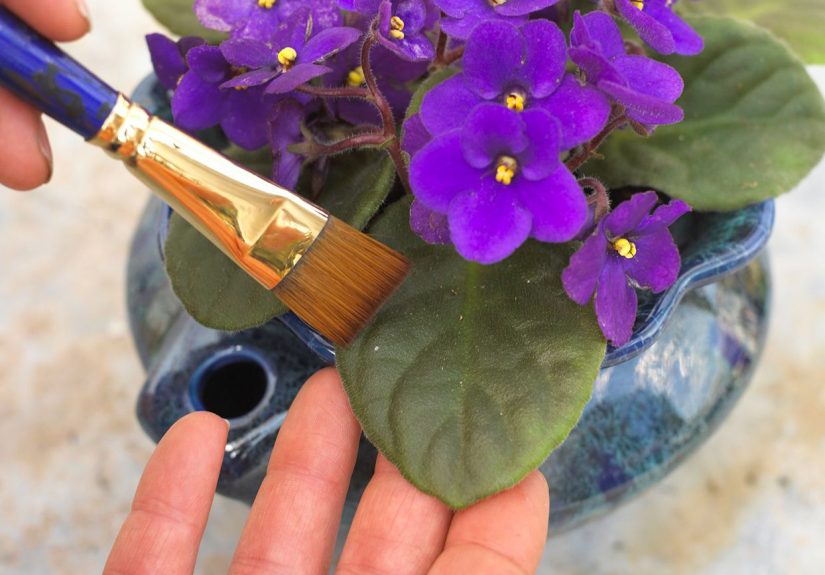
Dusty leaves reduce how efficiently plants use light. Also, pests love hidden corners and neglected leaf undersides. Cleaning and light pruning are low-effort, high-reward habits.
- Wipe broad leaves with a damp cloth (support the leaf so you don’t tear it).
- Remove yellow or dying leaves so the plant can focus energy elsewhere.
- Pinch or prune leggy growth to encourage bushiness (especially pothos and tradescantia).
Skip leaf shine products. Your plant doesn’t need to look like a waxed car; it needs to breathe.
Tip 10: Prevent Pests With Quarantine, Inspection, and Fast Action
Indoor plants don’t have many natural pest enemies inside your home, so pests can multiply quickly. The secret isn’t panic. It’s routine scouting and early intervention.
- Quarantine new plants for about 1–2 weeks away from your collection.
- Inspect weekly: check undersides of leaves, stems, and soil surface.
- For small outbreaks, physically remove pests (wipe, rinse, or use a cotton swab with rubbing alcohol for mealybugs/scale).
- If needed, use insecticidal soap or horticultural oil as directed, repeating treatments to catch new hatchlings.
Also: if you have pets or small kids, choose plants wisely. Some common houseplants can irritate mouths or be toxic if chewed. When in doubt, verify plant safety before bringing it home and keep questionable plants out of reach.
Quick Troubleshooting: What Your Plant Might Be Telling You
- Yellow lower leaves + wet soil: often too much water or poor drainage.
- Crispy brown tips: low humidity, inconsistent watering, or salt buildup from hard water/fertilizer.
- Long, stretched stems: not enough light (the plant is reaching).
- Leaf scorch/bleaching: too much direct sun too fast (needs acclimation).
- Little flies near soil: fungus gnatsusually tied to consistently damp potting mix.
Conclusion
Happy houseplants aren’t about perfectionthey’re about patterns. Give plants the right light, water only when they need it, keep roots healthy with drainage and good soil, and stay alert for pests. Do that, and most indoor plants will reward you with steady growth, better color, and fewer “why are you like this?” moments.
Real-Life Experiences: Lessons Plant Parents Learn the Fun Way (a.k.a. the Hard Way)
If you’ve ever stared at a sad pothos at 11:47 p.m. and whispered, “What do you want from me?”welcome. You’re officially a plant person. Most indoor plant care skills don’t come from reading a label; they come from those very normal, very relatable experiences that teach you what plants actually respond to.
One common experience: the “I watered it because I felt like it” era. This usually starts with good intentions and ends with yellow leaves, soggy soil, and a plant that looks both overhydrated and somehow still thirsty. The lesson: plant thirst is not a vibeit’s a soil condition. Once you switch to checking moisture (finger test, pot weight, and plant behavior together), watering gets easier and your plants stop living in a constant soap opera.
Another classic: the Great Window Illusion. You place a plant “right by the window,” congratulate yourself, and wonder why it’s still stretching. Indoors, light drops quickly even a few feet from a bright window. Many plant owners learn that “bright indirect light” often means closer than you thinkespecially in winter. This is the moment people discover grow lights, and also discover that plants don’t care if the lamp matches your throw pillows. They care that it works.
Then there’s the “new plant honeymoon.” You bring home a gorgeous plant, set it among your collection, and everyone is happy… until two weeks later when you notice tiny webs, sticky leaves, or suspicious cottony fluff. This is where quarantine becomes your best friend. Keeping a new plant separate for a short period feels extra… until it saves your entire indoor jungle from a full-blown pest reality show. And once you get used to quick weekly inspectionsunder leaves, along stems, soil surfacepests stop being terrifying and start being manageable.
Many plant parents also go through a “repot everything!” phase. It’s understandable: fresh pots are cute, and new soil smells like hope. But after a few repotting-induced meltdowns (from plants and humans), the lesson lands: repotting is for root space and soil health, not for entertainment. Plants often prefer stability. A slight root snugness can actually support healthy growth, while an oversized pot can stay wet too long and invite root problems.
Finally, there’s the slow-burn experience that turns beginners into confident caretakers: observation. Over time you start noticing patternshow fast certain pots dry, which plants crave more light, which ones hate drafts, and how seasonal shifts change everything. You stop copying generic instructions and start caring for your plants in your home. That’s when indoor plant care gets genuinely fun: you’re not chasing problems anymoreyou’re reading signals early, adjusting calmly, and enjoying the green company.





 Close
Close