
Table of Contents >> Show >> Hide
- Before We Start: “Avoid” Doesn’t Mean “Never Again”
- 1) Sugar-Sweetened Beverages (Soda, Sweet Tea, Sports Drinks)
- 2) Alcohol (Especially Beer, Cocktails, and “Fun” Mixed Drinks)
- 3) Fruit Juice and Juice Drinks (Including “100% Juice”)
- 4) Coffeehouse Drinks Loaded With Syrups, Cream, and Whipped Toppings
- 5) Desserts and Candy (Cookies, Cake, Ice Cream, Candy Bars)
- 6) Refined Grains (White Bread, Regular Pasta, White Rice, Many Crackers)
- 7) Fried Foods (Fries, Fried Chicken, Fried Appetizers)
- 8) Fast-Food Combo Meals (The “Deal” That Costs You Later)
- 9) Chips and Ultra-Processed Salty Snacks (Chips, Cheese Puffs, Snack Mixes)
- 10) Processed Meats (Bacon, Sausage, Hot Dogs, Deli Meats)
- 11) “Health Halo” Foods With Added Sugar (Flavored Yogurt, Granola, Protein Bars)
- Putting It All Together: A Simple Strategy That Works
- Conclusion: You Don’t Need a Perfect DietYou Need Fewer Calorie Traps
- Experiences and Lessons People Commonly Share (A 500-Word Reality Check)
Losing weight would be so much easier if calories wore name tags. Instead, they show up in disguiselike a spy movie,
but the villain is a “healthy” smoothie the size of a birdbath.
Here’s the thing: weight loss isn’t about eating “perfect.” It’s about making it easier to stay in a calorie deficit
without feeling like you’re auditioning for a misery documentary. Certain foods and drinks make that harder because they’re
easy to overeat, not very filling, and weirdly good at convincing you you’re still hungry.
Before We Start: “Avoid” Doesn’t Mean “Never Again”
This list isn’t a courtroom verdict. Think of it as a “watch list” of foods that often stall progress. If you love one of these,
the goal is to shrink portions, reduce frequency, or swap versionsnot to mourn dramatically over a donut like it’s a lost romance.
1) Sugar-Sweetened Beverages (Soda, Sweet Tea, Sports Drinks)
Why they slow weight loss
Liquid calories are sneaky because they don’t fill you up the way solid food does. You can drink hundreds of calories and still
feel like you deserve dinner, dessert, and a medal for “hydrating.” Sugary drinks also add a lot of added sugar with very little nutrition.
Smarter swaps
Try sparkling water, unsweetened iced tea, water with citrus, or diet/zero-sugar versions if they help you transition. (If diet drinks
make you crave sweets, treat them like a toolnot a personality.)
2) Alcohol (Especially Beer, Cocktails, and “Fun” Mixed Drinks)
Why they slow weight loss
Alcohol is calorie-dense, and mixed drinks can hit “this is basically a meal” territorywithout the protein or fiber that keeps you full.
Bonus problem: alcohol lowers inhibition, so you may suddenly feel emotionally connected to nachos at 11:47 p.m.
Smarter swaps
Reduce frequency, choose lighter options (spirits + zero-cal mixer), alternate drinks with water, and set a “two-drink ceiling” before you start.
If you’re cutting, consider saving alcohol for special occasionsit’s one of the fastest ways to free up calories.
3) Fruit Juice and Juice Drinks (Including “100% Juice”)
Why they slow weight loss
Juice feels wholesome because it’s fruit. But juicing strips away much of the fiber, so it’s easier to drink the sugar from multiple pieces
of fruit in 30 seconds. Fiber is a big part of why whole fruit is satisfyingjuice is basically the highlight reel without the substance.
Smarter swaps
Eat whole fruit instead. If you love juice, use a small glass and treat it like a condiment, not a beverage. Or dilute it with water/seltzer.
4) Coffeehouse Drinks Loaded With Syrups, Cream, and Whipped Toppings
Why they slow weight loss
Coffee itself is basically a weight-loss-friendly beverage. The problem is what we do to it. A flavored latte with syrup, whole milk,
sweet foam, and drizzle can quietly become dessert in a cupevery daybefore you’ve even eaten breakfast.
Smarter swaps
Order smaller sizes, go “less sweet,” choose unsweetened milk, or stick to black coffee/Americano/cold brew and add your own measured splash
of milk. If you want it fancy, pick one upgrade (like milk) instead of four upgrades (milk + syrup + foam + drizzle + whipped cream).
5) Desserts and Candy (Cookies, Cake, Ice Cream, Candy Bars)
Why they slow weight loss
Sweets are engineered to be easy to eat fast and hard to stop. They’re usually high in added sugar and fatan elite combo for flavor,
but not for fullness. Plus, desserts are often “extra” calories on top of regular meals.
Smarter swaps
Keep dessert, but portion it on purpose: a single serving on a plate (not a “handful-by-handful situation”). Try fruit + Greek yogurt,
frozen berries, or a square of dark chocolate when you want something sweet without detonating your calorie budget.
6) Refined Grains (White Bread, Regular Pasta, White Rice, Many Crackers)
Why they slow weight loss
Refined grains are digested quickly and tend to be lower in fiber and protein. Translation: they don’t keep you full as long, and they can make it
easier to overeat later. They’re not “evil,” just less helpful if your goal is appetite control.
Smarter swaps
Choose whole grains more often: whole-wheat bread/pasta, oats, brown rice, quinoa, or beans and lentils. If you prefer refined grains, pair them with
protein and fiber (chicken + veggies, not “pasta and vibes”).
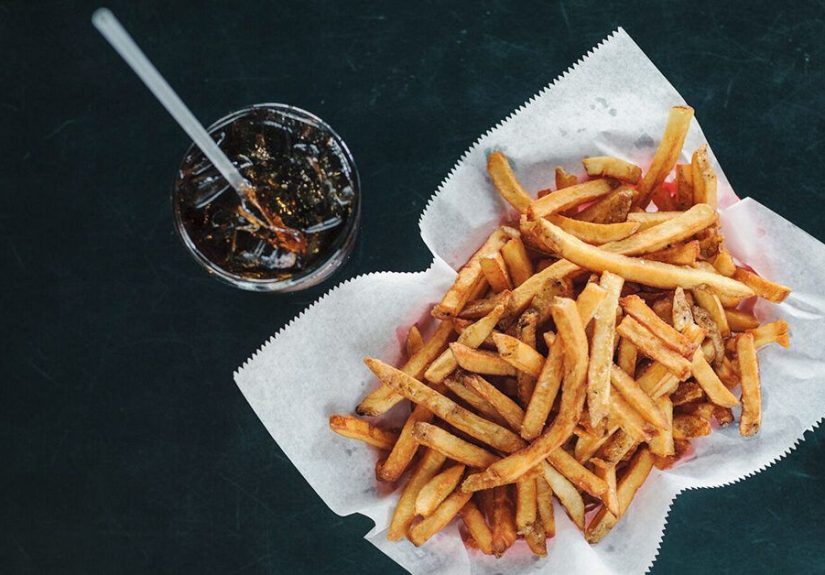
7) Fried Foods (Fries, Fried Chicken, Fried Appetizers)
Why they slow weight loss
Frying adds a lot of fat, which boosts calories fast. Fried foods are also extremely palatable, which can override normal “I’m full” signals.
You don’t need to hate friesyou just need to respect their power.
Smarter swaps
Pick grilled, baked, roasted, or air-fried options. If you want fries, order a small, share them, or make them the treat instead of stacking them
with a sugary drink and dessert like it’s a festival of regret.
8) Fast-Food Combo Meals (The “Deal” That Costs You Later)
Why they slow weight loss
Fast food isn’t automatically a weight-loss killerbut combo meals often bundle a calorie-dense entrée, fries, and a sugary drink for maximum
convenience and minimum fullness per calorie. It’s easy to eat a lot without realizing it because it’s designed to be effortless.
Smarter swaps
Order à la carte: a sandwich + side salad, grilled options, extra veggies, and water/diet soda. Skip the “make it a large” upgrade. Your future self
doesn’t need a largeyour future self needs a plan.
9) Chips and Ultra-Processed Salty Snacks (Chips, Cheese Puffs, Snack Mixes)
Why they slow weight loss
These snacks are calorie-dense, easy to inhale, and often engineered to keep you reaching back into the bag. They also don’t offer much protein or fiber,
which means you can eat a lot and still feel snacky 20 minutes later.
Smarter swaps
Portion them into a bowl (never freehand from the bagbold move, terrible outcome). Swap in popcorn, roasted chickpeas, edamame, Greek yogurt dip with veggies,
or nuts measured to a serving.
10) Processed Meats (Bacon, Sausage, Hot Dogs, Deli Meats)
Why they slow weight loss
Processed meats can be high in calories, saturated fat, and sodium, and they often show up in ultra-processed meals (breakfast sandwiches, pizzas, snack plates)
that are easy to overeat. They’re also not the best “everyday protein” choice for overall health.
Smarter swaps
Choose leaner proteins more often: chicken, turkey, fish, eggs, tofu, beans, lentils, or plain Greek yogurt. If you love deli meat, treat it as occasional,
pick lower-sodium options, and stack your sandwich with veggies to boost volume without many calories.
11) “Health Halo” Foods With Added Sugar (Flavored Yogurt, Granola, Protein Bars)
Why they slow weight loss
Some foods look like they belong in a wellness commercialthen you check the label and realize they’re basically dessert wearing athleisure.
Flavored yogurts, granola, and bars can pack a surprising amount of added sugar and calories for a small serving.
Smarter swaps
Go plain yogurt and add fruit/cinnamon. Choose “unsweetened” versions. For bars, look for higher protein and fiber with lower added sugaror better yet,
build a snack: yogurt + berries, apple + peanut butter, or turkey roll-ups.
Putting It All Together: A Simple Strategy That Works
If you try to avoid all 11 things at once, you’ll either become a saint or a snack goblinthere is no in-between. Instead, pick two “biggest offenders”
that show up most often in your routine and change those first.
- Start with beverages: cutting liquid calories is often the fastest, least painful win.
- Upgrade fullness: add protein + fiber at meals so cravings don’t run your calendar.
- Control the environment: portion snacks, don’t keep “trigger foods” in easy reach, and plan one fun treat on purpose.
Conclusion: You Don’t Need a Perfect DietYou Need Fewer Calorie Traps
The “foods to avoid when trying to lose weight” aren’t forbidden; they’re just the usual suspects. They tend to be high in added sugar, refined carbs,
unhealthy fats, or hyper-palatable processing that makes portion control harder. When you reduce them (especially liquid calories and ultra-processed snacks),
weight loss often gets simplernot necessarily easy, but simpler.
Aim for a pattern you can repeat: mostly whole foods, enough protein, plenty of fiber, and treats that are plannednot accidental.
The best weight-loss diet is the one that helps you feel satisfied while making progress you can actually maintain.
Experiences and Lessons People Commonly Share (A 500-Word Reality Check)
If you’ve ever tried to lose weight, you’ve probably had at least one of these moments:
“I ate healthy all day… why did the scale laugh at me?” The answer is rarely a moral failing. It’s usually a math problem wearing a costume.
One of the most common patterns people report is the beverage blind spot. They’ll carefully track meals, choose salads, skip fries,
and still sip a sweet coffee drink every morning plus a couple “harmless” beverages later. That can quietly add 300–700 calories a day, which is the difference
between steady fat loss and… maintaining. When people swap to water, unsweetened tea, or simpler coffee, they’re often shocked at how quickly hunger improves
because they’re no longer on the sugar-rollercoaster.
Another big one: the “healthy snack” trap. Granola feels responsible. Protein bars feel athletic. Flavored yogurt feels like something a
yoga instructor would bless. But many of these are calorie-dense and not that filling. People often do better when snacks become real food:
fruit + yogurt, veggies + hummus, or a small handful of nuts measured on purpose. It’s not as glamorous as “cookies-and-cream protein bar,” but it works.
Then there’s ultra-processed snacking. Chips, crackers, and snack mixes are basically designed to make your hand return to the bag like it’s
powered by magnets. A trick that people swear by: never snack from the container. Put one serving in a bowl, put the bag away, and sit down.
It sounds almost too simple, but it interrupts autopilot eatingwhere most “mystery calories” happen.
Weekends are another recurring storyline. Monday through Friday is structured: coffee, lunch break, dinner at home. Saturday shows up with
brunch, drinks, takeout, and “we deserved dessert.” People who succeed long-term usually don’t turn into weekend monks; they just create two or three guardrails.
For example: keep alcohol to 1–2 drinks, pick either fries or dessert (not both), and get one high-protein meal early in the day.
Finally, a mindset shift that tends to help: instead of asking, “What foods are bad?” people do better asking,
“What foods make it easiest for me to stay full?” When meals have protein, fiber, and volume (think: chicken + veggies + rice, or chili with beans,
or eggs + fruit + whole-grain toast), cravings calm down. The “avoid list” becomes less tempting because you’re not fighting hunger all day.
In other words: you don’t need superhuman willpower. You need fewer calorie ambushesand a plan that feels like a lifestyle, not a punishment.






 Close
Close