
Table of Contents >> Show >> Hide
- What “Sensitive Skin” Actually Means (and why moisturizers matter)
- How we chose these moisturizers
- 15 Best Moisturizers for Sensitive Skin
- 1) CeraVe Moisturizing Cream (Face & Body)
- 2) Vanicream Moisturizing Cream (Face & Body)
- 3) La Roche-Posay Toleriane Double Repair Face Moisturizer
- 4) Cetaphil Rich Hydrating Cream (Face)
- 5) Aveeno Calm + Restore Oat Gel Moisturizer
- 6) Neutrogena Hydro Boost Gel-Cream (Fragrance-Free)
- 7) First Aid Beauty Ultra Repair Cream
- 8) Eucerin Eczema Relief Cream
- 9) La Roche-Posay Lipikar Soothing Relief Eczema Cream
- 10) Avène XeraCalm A.D Lipid-Replenishing Cream
- 11) SkinCeuticals Triple Lipid Restore 2:4:2
- 12) Skinfix Barrier+ Triple Lipid-Peptide Cream
- 13) Paula’s Choice CALM Rescue & Repair Intensive Moisturizer
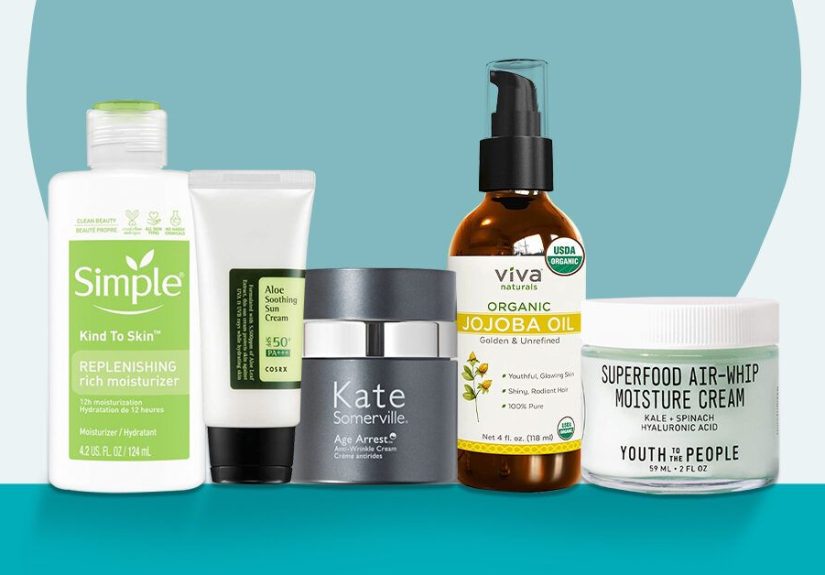
- 14) Simple Kind to Skin Replenishing Rich Moisturiser
- 15) Vaseline Original Healing Jelly (100% White Petrolatum)
- How to moisturize sensitive skin without triggering it
- When to get professional help
- Real-world experiences (and a few hard-earned lessons)
- Wrap-up
Sensitive skin is basically that one friend who’s “fine” until you say one wrong thingthen it’s redness, stinging, flaking, or a full-on tantrum. The good news: you don’t need a 12-step ritual or a mortgage-sized cream budget. You need the right kind of moisture supportsimple, barrier-friendly, and boring (in the best way).
This guide pulls together dermatologist-backed basics plus the most consistently recommended, widely available moisturizers in the U.S.from drugstore staples to “treat yourself” optionsso you can hydrate without playing ingredient roulette every morning.
What “Sensitive Skin” Actually Means (and why moisturizers matter)
“Sensitive skin” isn’t one diagnosisit’s a pattern. Your skin may react quickly to fragrance, harsh surfactants, alcohol-heavy formulas, essential oils, over-exfoliation, weather swings, or strong acne/anti-aging actives. You might notice burning when you apply products, patchy redness, tightness after cleansing, or random dry spots that show up like uninvited guests.
A good moisturizer helps in two ways: it adds hydration (humectants like glycerin and hyaluronic acid) and reduces water loss (occlusives like petrolatum and dimethicone). The best formulas for sensitive skin also support the barrier with ceramides, soothing ingredients like colloidal oatmeal, and fewer “mystery extras” that can irritate.
How we chose these moisturizers
Sensitive-skin winners usually share the same DNA: fragrance-free (or truly low-fragrance), non-comedogenic where possible, and built around barrier support. We prioritized options that are:
- Simple and gentle: minimal irritants, no strong essential oils, and fewer “active” surprises.
- Barrier-focused: ceramides, fatty acids, cholesterol, squalane, panthenol, or oat.
- Texture-smart: lotions and gels for oilier skin; creams/ointments for dry or eczema-prone skin.
- Easy to buy in the U.S.: common retailers, pharmacies, and brand sites.
15 Best Moisturizers for Sensitive Skin
1) CeraVe Moisturizing Cream (Face & Body)
A classic for a reason: rich, cushiony hydration with ceramides and hyaluronic acid, plus a reputation for playing nicely with dryness and eczema-prone skin. It’s thick without feeling like you dipped your face in candle wax. Great for winter, compromised barriers, and “my skin hates everything” phases.
2) Vanicream Moisturizing Cream (Face & Body)
If your skin reacts to “natural extracts” the way vampires react to sunlight, Vanicream is your calm, plain, reliable option. It’s designed for sensitive skin and keeps the ingredient list refreshingly unexciting. Ideal for reactive skin, post-irritation recovery, and anyone who wants moisture without fragrance or flair.
3) La Roche-Posay Toleriane Double Repair Face Moisturizer
A balanced daily face cream that’s popular for sensitive skin because it hydrates and supports the barrier without a heavy finish. Look for a formula that focuses on ceramides and gentle humectants. This is a strong “one and done” daytime moisturizer for normal-to-dry skinespecially if your face gets tight after cleansing.
4) Cetaphil Rich Hydrating Cream (Face)
A comfort-blanket cream for dry, easily irritated faces. It’s the type of moisturizer that helps when your skin feels like it’s shrinking two sizes. If you’re using drying acne treatments or you’ve overdone it with exfoliation, this can help bring the peace treaty back to your cheeks.
5) Aveeno Calm + Restore Oat Gel Moisturizer
For sensitive skin that also hates heavy textures, this gel-cream style option is a win. Oat-based formulas can feel soothing during redness or mild irritation, and the lighter finish suits combination or oilier skin. It’s a great pick for humid weather or anyone who wants hydration that disappears fast.
6) Neutrogena Hydro Boost Gel-Cream (Fragrance-Free)
A lightweight, water-gel texture that hydrates without the greasy feeling some sensitive-skin folks can’t stand. The key is choosing the fragrance-free version. This one is especially handy for oily, combo, or acne-prone skin that still gets dehydrated (yes, that annoying combo is real).
7) First Aid Beauty Ultra Repair Cream
A richer cream that’s often loved by people who get dry patches, seasonal flares, or that “windburned” feeling in colder months. It’s a solid face-and-body pick when you need more than a lotion but don’t want a full ointment vibe. Think: elbows, cheeks, and anywhere that feels rough or tight.
8) Eucerin Eczema Relief Cream
If your “sensitive skin” is actually eczema-prone (itch, rough patches, frequent flares), eczema-focused creams can be a smarter match. These formulas are typically fragrance-free and built for barrier support. Use it on flare-prone areas and after showering to lock in moisture before dryness sets the stage for irritation.
9) La Roche-Posay Lipikar Soothing Relief Eczema Cream
Another eczema-friendly option that leans into soothing, barrier-supportive ingredients. It’s especially useful when your skin feels itchy or reactive and you want something that feels protective without being sticky. Bonus: eczema formulas often behave well on sensitive facial zones like around the nose or mouth (patch test first).
10) Avène XeraCalm A.D Lipid-Replenishing Cream
A comfort-first cream designed for very dry, easily irritated skin. This is a good “barrier reset” option when your skin is in a reactive looptight, rough, or flaring from weather changes or over-cleansing. The texture tends to feel nourishing without being overly shiny, making it a strong night moisturizer for dry faces.
11) SkinCeuticals Triple Lipid Restore 2:4:2
A splurge pick that focuses on barrier lipids (the stuff that helps skin feel resilient). If your sensitive skin also looks dull, feels thin, or gets cranky with many products, lipid-rich creams can help it feel less fragile over time. Start slowlyrich formulas are powerful, and you don’t need a frosting-thick layer.
12) Skinfix Barrier+ Triple Lipid-Peptide Cream
Another barrier-centered option that’s popular for dryness, redness, and “my face feels stripped” moments. Lipids and peptides can support a healthier-feeling barrier, which often translates to less stinging when you apply other basics (like sunscreen). A good choice for nighttime, travel, or post-treatment soothingwithout going full ointment.
13) Paula’s Choice CALM Rescue & Repair Intensive Moisturizer
Designed for reactive skin that wants hydration and calm, not a party of strong actives. CALM-style moisturizers are often built around gentle soothing ingredients and barrier support, making them useful for redness-prone or easily flushed skin. If your face turns pink from strong products, this is the type of formula to keep in your “boring but effective” lineup.
14) Simple Kind to Skin Replenishing Rich Moisturiser
A budget-friendly pick that’s often recommended for people who want fewer irritants and an uncomplicated feel. Great as a starter moisturizer when you’re trying to calm a reactive routine and rebuild from the basics. If you’re sensitive and overwhelmed by 40-step ingredient lists, Simple is a nice reset button.
15) Vaseline Original Healing Jelly (100% White Petrolatum)
Not glamorous, not trendy, and absolutely not here for aesthetic vibesjust pure occlusive protection. Petrolatum is excellent for preventing water loss and shielding irritated spots. Use it as a thin top layer over your moisturizer at night (especially on dry patches). If you’re acne-prone, keep it to the driest areas instead of your whole face.
How to moisturize sensitive skin without triggering it
- Apply on slightly damp skin: After cleansing, pat until just-damp, then moisturize to trap hydration.
- Patch test new products: Try behind the ear or on the jawline for a few days before full-face use.
- Use fewer products, more consistently: A gentle cleanser + moisturizer + sunscreen beats chaos.
- Don’t chase tingles: If it stings, that’s not “working”that’s a warning label in sensation form.
- Nighttime sealing (optional): For very dry patches, top with a thin layer of petrolatum.
When to get professional help
If you have persistent burning, cracking, bleeding, significant swelling, or a rash that doesn’t improve with gentle basics in a couple of weeks, it’s worth checking in with a dermatologist. “Sensitive skin” can overlap with eczema, contact dermatitis, rosacea, or ingredient allergiesand the right diagnosis saves a lot of trial-and-error money.
Real-world experiences (and a few hard-earned lessons)
Here’s the part nobody tells you when you’re shopping for the “best moisturizer for sensitive skin”: the best one is often the one your skin can tolerate repeatedly. In real life, sensitive skin isn’t just about a single product it’s about patterns. People often notice that their skin gets reactive when they stack too many new things at once: a new cleanser, a new exfoliant, a new serum, and a “miracle” cream… then they blame the last product they applied. (Plot twist: it was the whole cast.)
A common experience is the “two-speed face.” Your cheeks feel desert-dry, but your T-zone gets shiny by noon. That’s why lighter gel-cream moisturizers can feel great in summer, while thicker creams become lifesavers in winter. Many sensitive-skin folks keep two textures on hand: a lightweight daytime option and a richer night cream for barrier recovery. Think of it as seasonal wardrobe changesjust for your face.
Another big one: stinging doesn’t always mean allergy. People often report stinging when their barrier is compromisedafter over-cleansing, using strong acne products, or scrubbing/exfoliating too frequently. In those phases, even “nice” ingredients can feel spicy. The fix is usually boring: stop the extra actives, use a gentle cleanser, and lean on ceramide-rich or oatmeal-based moisturizers until the skin calms down.
Many users also describe “mystery reactions” that turn out to be fragrancesometimes obvious (perfume-y creams), sometimes sneaky (essential oils or fragrant plant extracts). A moisturizer can be labeled “clean” or “natural” and still be a nightmare for reactive skin. The funniest part? The product might smell like a spa, but your face will look like it just left a boxing match. That’s why fragrance-free and minimalist formulas often win in the long run.
And then there’s the “I tried slugging and now I’m confused” experience. Occlusives like petrolatum can be amazing for preventing moisture lossespecially on dry patches, around the nose, or after wind/cold exposure. But some acne-prone people notice congestion if they coat their whole face. The practical middle ground many people land on is micro-slugging: use petrolatum only where you’re driest, and keep it off areas that break out easily.
Finally, sensitive-skin routines usually get better when people stop trying to win skincare. The “best” moisturizer is the one that lets you wash your face, hydrate, and put on sunscreen without drama. Once your baseline is stable, you can experimentslowlywith extras. But if your skin is flaring, the most luxurious thing you can do is go simple, repeatable, and gentle enough that your skin stops feeling like it’s on high alert.
Wrap-up
If you’re building a sensitive-skin routine, aim for fragrance-free, barrier-supportive formulasand choose texture based on what your skin feels like day-to-day. Start simple, patch test, and give your skin time to settle. Most importantly: your moisturizer shouldn’t be a thrill ride.







 Close
Close