
Table of Contents >> Show >> Hide
- Why apple variety matters (a quick, tasty science lesson)
- The 15 best apple types for fall cooking and baking (with what to do with each)
- Quick matchmaker: which apples to use for your favorite fall recipes
- Tips that make apple baking easier (and tastier)
- A few fall apple experiences (and the lessons they teach)
- Conclusion
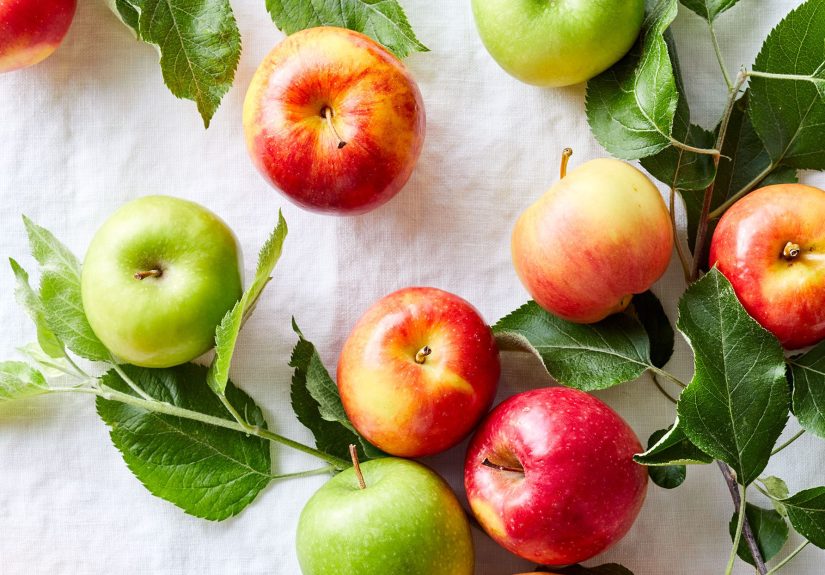
Fall has a funny way of turning otherwise reasonable people into apple-hoarding goblins. One minute you’re grabbing “just a few” at the store, and the next
you’ve got a countertop that looks like a still life painting titled Chaos, But Make It Cozy. The good news: apples are one of the most versatile
ingredients you can bring into your kitchen this season. The better news: not all apples behave the same once heat gets involvedso picking the right variety
can be the difference between a crisp, slice-forward pie and a dessert that looks like it lost a fight with gravity.
This guide breaks down 15 popular apple types (plus a few smart mixing strategies) so you can match the apple to the momentwhether you’re baking a classic
apple pie, simmering applesauce, roasting pork chops, or trying to make muffins that taste like a warm sweater.
Why apple variety matters (a quick, tasty science lesson)
Apples differ in firmness, sweetness, acidity, juiciness, and how quickly they
break down when cooked. That’s why some apples stay in distinct slices after baking (hello, photogenic pie), while others melt into a smooth
texture that’s perfect for applesauce or apple butter.
Think in “jobs,” not just flavors
- Firm + tart: Keeps shape, balances sugar, ideal for pies/crisps.
- Firm + sweet: Adds structure and sweetness, great for tarts and baked slices.
- Softer + aromatic: Breaks down into a lush filling, best for sauce and butter (and cozy cakes).
Pro tip for bakers: the “best apple” for a pie is often a blend. Mixing varieties builds flavor depth and gives you both structure and
tendernesslike assembling a dessert supergroup where everyone plays a different instrument, and nobody shows up late.
The 15 best apple types for fall cooking and baking (with what to do with each)
1) Granny Smith
The tart icon. Granny Smith apples are famously firm and bright, which makes them a reliable anchor in baked dessertsespecially when you’re working with
sugary fillings and warm spices.
- Flavor/texture: Very tart, crisp, sturdy.
- Best for: Apple pie, crisps, cobblers, galettes, baked slices.
- Try it: Pair with a sweeter apple (Honeycrisp or Fuji) for a more rounded filling.
2) Honeycrisp
Honeycrisp is juicy, crisp, and sweet-tartbasically the overachiever of the apple world. It’s great for snacking, but it also holds up nicely in the oven,
especially when you want distinct bites of apple.
- Flavor/texture: Sweet-tart, super juicy, crisp.
- Best for: Pies, crisps, skillet apples, stuffing, salads.
- Try it: Use it for an apple tart where the slices stay pretty and defined.
3) Braeburn
If apples had a “goes well with cinnamon” award, Braeburn would be on the podium. It’s firm, flavorful, and tends to bake without collapsing into mush.
- Flavor/texture: Sweet-tart with a warm, spiced vibe; firm.
- Best for: Pies, crisps, baked apples, turnovers.
- Try it: Add a pinch of clove and nutmegBraeburn can handle it.
4) Jonagold
Jonagold is a classic baking apple for good reason: it’s sweet and aromatic with enough structure to bake well. It’s also a fantastic partner in a mixed-apple pie.
- Flavor/texture: Honeyed sweetness, balanced acidity; firm-tender when baked.
- Best for: Pie filling, applesauce with character, apple cake.
- Try it: Combine with Granny Smith for a filling that tastes layered instead of one-note.
5) Golden Delicious
Golden Delicious often gets overshadowed by louder apples, but in baking it’s quietly excellent. It’s mildly sweet and tends to soften into a silky texture,
which can make fillings taste rich and cohesive.
- Flavor/texture: Mild, sweet, “buttery” when cooked.
- Best for: Pies (especially blended), applesauce, apple butter, baked goods.
- Try it: Use it as the “glue” apple in a pie: half firm apples, half Golden Delicious.
6) Pink Lady (Cripps Pink)
Pink Lady brings a zingy, citrusy tartness and a crisp bite. It’s especially good when you want a cleaner, brighter apple flavor to cut through rich pastry
or buttery crumble toppings.
- Flavor/texture: Tangy-sweet, crisp, lively.
- Best for: Pies, tarts, crisps, salads, caramel apples.
- Try it: Use in an apple galette with salted caramelsweet meets sharp in the best way.
7) Fuji
Fuji is famously sweet and firm. In baked desserts, it can add natural sweetness and a slightly denser bitegreat when you want your apples to taste like
apples (not just “generic pie filling”).
- Flavor/texture: Very sweet, firm, juicy.
- Best for: Baking slices, muffins, quick breads, crisp toppings where apple stays chunky.
- Try it: Balance with a tart apple if your recipe is already sweet.
8) Gala
Gala apples are sweet, approachable, and easy to find. They can soften faster than some firmer baking apples, so they’re best in recipes with shorter bake
timesor where a softer apple bite is welcome.
- Flavor/texture: Sweet, mild, crisp but can soften in heat.
- Best for: Apple cake, muffins, applesauce blends, baked oatmeal.
- Try it: Dice Gala into pancakes or quick bread for tender apple pockets.
9) McIntosh
McIntosh is the applesauce MVP. It breaks down quickly and turns velvety when cooked, which is exactly what you want for sauce, butter, and some cozy
desserts where “melty” is the point.
- Flavor/texture: Tart-aromatic; softens fast.
- Best for: Applesauce, apple butter, cider-style simmered apples, cakes.
- Try it: Use McIntosh for half your sauce and add one firmer apple for a more complex flavor.
10) Cortland
Cortland is a fall favorite that’s known for resisting browning once slicedhandy for salads and snack boards. It also bakes well, often keeping a pleasant
texture without turning to mush too quickly.
- Flavor/texture: Mildly sweet-tart; tender-crisp; slow to brown.
- Best for: Pies, baked apples, salads, fruit tarts.
- Try it: Thin-slice Cortland for an apple tart where you want clean-looking layers.
11) Rome (Rome Beauty)
Rome apples are often called a baker’s friend because they hold their shape during cooking. Their flavor tends to deepen when baked, making them great for
baked apples and dishes where presentation matters.
- Flavor/texture: Mild to tangy; firm; shape-holding.
- Best for: Baked apples, pies, roasting, pan-fried apples.
- Try it: Core and stuff with brown sugar, butter, cinnamon, and oats for a classic baked apple.
12) Winesap
Winesap has a bold, old-school apple flavorsweet-tart with a spicy edge. It’s a great pick for pies when you want the filling to taste “extra appl-y,” not
just sugary and cinnamon-y.
- Flavor/texture: Spicy-sweet, tangy, firm.
- Best for: Pies, cider-style desserts, roasted apples, savory pan sauces.
- Try it: Slice into a pork roast pan with onions and a splash of apple cider.
13) Jonathan
Jonathan apples bring a punchy tartness and a rich apple aroma. They’re excellent for pies, especially if you like a filling with a little attitude (in the
best way).
- Flavor/texture: Tart, tangy, aromatic; cooks down nicely.
- Best for: Pie, applesauce, apple butter, chutney.
- Try it: Make an apple chutney with Jonathan, ginger, vinegar, and raisins for a cheese board upgrade.
14) Northern Spy
A beloved pie apple in many kitchens, Northern Spy is known for balanced flavor and a structure that can stand up to baking. It’s a great choice when you want
a filling that tastes fresh and bright, not heavy.
- Flavor/texture: Balanced sweet-tart; juicy; good baking structure.
- Best for: Classic apple pie, tarts, baked slices.
- Try it: Use Northern Spy for a “single-variety” pie that still tastes complex.
15) Cosmic Crisp
Cosmic Crisp is a newer favorite that’s crisp, juicy, and typically slow to brownuseful for both baking and prepping ahead. It tends to hold shape well, so it
can work beautifully in pies and roasted apple dishes.
- Flavor/texture: Sweet-tart; very crisp; juicy; slow to brown.
- Best for: Pie, crisps, roasting, apple slices for boards, baked oatmeal.
- Try it: Roast wedges with butter and rosemary for a savory-sweet side dish.
Quick matchmaker: which apples to use for your favorite fall recipes
Apple pie
- All-firm, classic: Granny Smith + Honeycrisp
- Deep, aromatic: Jonagold + Northern Spy
- More tender filling: Golden Delicious + Braeburn
Apple crisp or crumble
- Chunky, distinct bites: Honeycrisp, Braeburn, Cosmic Crisp
- Softer, jammy base: Add a little Golden Delicious or McIntosh
Applesauce and apple butter
- Silky and fast: McIntosh (plus a splash of lemon to brighten)
- More complex: Jonathan + Golden Delicious
Savory cooking (roasts, stuffing, pan sauces)
- Shape-holders: Rome, Braeburn, Granny Smith
- Sweeter balance: Fuji or Honeycrisp in small amounts
Tips that make apple baking easier (and tastier)
1) Slice with your end goal in mind
Thin slices soften quickly (great for tarts), while thicker chunks stay distinct (better for crisps and rustic pies). If your last pie felt “soupy,” you may
have sliced too thin and used a very juicy apple without balancing it with a firmer variety.
2) Don’t be afraid to blend apples
Mixing two to three types is a simple way to get better flavor and texture. Try one tart firm apple (like Granny Smith), one sweet firm apple (like Honeycrisp
or Fuji), and one apple that softens into a lush base (like Golden Delicious).
3) Control browning without overcomplicating your life
If you’re prepping ahead, toss slices with a little lemon juice or diluted apple cider vinegar. Or pick slower-to-brown varieties such as Pink Lady, Cortland,
or Cosmic Crisp when you want your slices to look fresh longer (especially for salads and boards).
4) Let spices support the appledon’t bully it
Cinnamon is great, but it shouldn’t be the only voice in the room. For depth, consider small amounts of nutmeg, ginger, cardamom, or allspice depending on the
apple: Braeburn and Winesap can handle bolder spice, while Gala and Golden Delicious shine with lighter seasoning.
A few fall apple experiences (and the lessons they teach)
There’s a universal fall storyline that plays out in kitchens everywhere: someone comes home with a bag of apples that is definitely heavier than
intended, because the orchard (or produce aisle) made everything look so charming and harmless. The first few apples get eaten freshcrisp bites, sticky juice,
the smug satisfaction of “seasonal snacking.” Then reality sets in. You still have eight apples left, and they’re staring at you like tiny, round deadlines.
That’s usually when the experimenting begins. A lot of home cooks learn the “soft apple surprise” the same way: they bake a pie with whatever apples are on hand,
pull it out of the oven, and discover the filling has the texture of a sweet apple puddle. Not bad, exactlyjust not what they pictured. The lesson: some apples
are born to hold their shape (Granny Smith, Braeburn, Rome), while others are happiest dissolving into a sauce-like situation (McIntosh, sometimes Gala). Once you
see it happen, you never unsee it. You start treating apples like teammates with different strengths instead of interchangeable fruit.
Another classic experience is the “perfect smell, imperfect texture” moment. Your house smells like cinnamon, butter, and victoryyet the crisp topping is crunchy
while the apples underneath are either too firm or too watery. This is where apple choice and slicing strategy quietly become your best friends. Firmer apples
sliced too thick might need more time; juicier apples sliced too thin can release liquid quickly. People often solve this by mixing apples and by giving slices a
brief rest with sugar and a pinch of salt before baking. That little rest coaxes out juices so you can see what you’re working with, instead of letting your pie
decide for you at 400°F.
Then there’s the “I made applesauce and now I’m emotionally attached” chapter. Applesauce is one of those projects that feels almost too easyuntil you taste the
difference between a simple, smooth McIntosh sauce and one made with a more complex blend like Jonathan and Golden Delicious. Suddenly, you’re the person who has
opinions about acidity. You’re adding lemon zest “for brightness.” You’re debating cinnamon vs. no cinnamon like it’s a major life philosophy. This is how fall
turns casual cooks into delightful kitchen nerds.
And finally, the most relatable experience of all: discovering that apples don’t just belong in desserts. Roast a few wedges alongside pork, toss slices into a
stuffing, or simmer them into a pan sauce with a splash of cider, and you’ll understand why fall cooking feels so generous. Apples bring sweetness, tang, and body
without demanding the spotlight. They’re the friendly supporting character that secretly makes the whole movie better.
Conclusion
The best part about apples in fall cooking and baking is that you can tailor the result to your taste: sharper and brighter, softer and saucier, or crisp and
slice-forward. Start with the apple that matches your recipe’s “job,” then upgrade with a blend when you want more flavor depth. Your pies will slice cleaner,
your crisps will taste more apple-forward, and your applesauce might become a repeat habit (no judgmentonly applause).
Sources consulted (US-based, for factual grounding):






 Close
Close