
Table of Contents >> Show >> Hide
- Quick Planning Rules Before You Buy (or Build) Anything
- 20 Small Kitchen Island Ideas That Work Hard in a Compact Space
- 1) A rolling cart with a drop-leaf “bonus counter”
- 2) A narrow “galley-friendly” island (the hallway runner of islands)
- 3) A stainless-steel prep table for a restaurant vibe
- 4) A vintage worktable turned island (character + function)
- 5) A two-tier island: prep on top, storage below, clutter hidden
- 6) A butcher-block top on a compact base
- 7) An island made from stock cabinets (custom look, smarter budget)
- 8) A “furniture-style” island with drawers that do the heavy lifting
- 9) Open shelving + baskets (easy access without visual chaos)
- 10) An end-cap bookshelf for cookbooks and display
- 11) A pull-out table extension (secret extra surface)
- 12) A microwave (or beverage fridge) built into the island
- 13) A slim island with a built-in trash and recycling pull-out
- 14) A baking station island: vertical dividers for sheet pans
- 15) A mini island with a pot rack or rail system
- 16) A “floating” island to keep the room feeling open
- 17) A peninsula alternative for kitchens that can’t spare aisle space
- 18) A sink-in-island “prep corner” (only if the layout supports it)
- 19) A convertible island: desk today, prep station tonight
- 20) A micro-island for the tiniest kitchens (yes, they exist)
- How to Maximize Storage on a Small Island Without Making It Bulky
- Small Kitchen Island Mistakes That Make Life Harder
- of Practical Experience: What People Learn After Living With a Small Island
- Conclusion
A small kitchen island is basically the kitchen equivalent of a Swiss Army knife: it chops, it stores, it stages,
it pretends it’s a dining room table, andif you choose wiselyit doesn’t trip you every time you open the oven.
The trick isn’t “get an island.” The trick is “get the right island for a small kitchen,” meaning it adds
prep space and storage without turning your floor plan into an obstacle course.
Below are 20 smart, small-kitchen-friendly island ideasrolling carts, slim worktables, micro-peninsulas, and
sneaky storage movesplus practical spacing rules and real-world lessons people learn after the honeymoon phase.
(You know: week three, when the island becomes the official mail sorting station.)
Quick Planning Rules Before You Buy (or Build) Anything
Small kitchens don’t forgive guesswork. Before you fall in love with an island that looks adorable online, do a
quick reality check so your new “extra prep space” doesn’t block the fridge or trap you between cabinet doors.
1) Tape it out first
Use painter’s tape on the floor to outline the island footprint, then “cook” for five minutes: open the dishwasher,
swing the oven door down, pretend to unload groceries, and walk past the taped shape with a laundry basket (the
universal measurement tool). If it feels tight during this pretend scenario, it will feel tighter when you’re
holding a hot sheet pan and muttering, “Who put this here?” (Spoiler: you did.)
2) Respect the clearance zones
In many kitchens, a minimum 36-inch walkway is a common baseline, while work aisles often feel better with more
breathing roomespecially near appliances or when more than one person cooks. If you plan seating, you’ll also want
enough space behind the stools so people can sit without becoming human speed bumps.
3) Think “zones,” not just “countertop”
The best small islands support a job: prep zone, coffee zone, baking zone, or “landing strip” for groceries.
Choose storage that matches the jobdrawers for utensils, shelves for mixing bowls, racks for sheet pansso the island
earns its keep every day.
4) Aim for shallow storage you can actually reach
Deep shelves can turn into kitchen caves where appliances go to hibernate. In small islands, shallower shelves and
smart dividers make everyday items easier to grab (and easier to remember you own).
20 Small Kitchen Island Ideas That Work Hard in a Compact Space
1) A rolling cart with a drop-leaf “bonus counter”
A cart on wheels gives you prep space when you need it and tucks away when you don’t. A drop-leaf panel is the
small-kitchen superpower: folded down, it stays slim; flipped up, it becomes a legit chopping and staging surface.
Look for a cart with a drawer for tools (measuring spoons, peelers, the whisk you can never find) and a lower shelf
for bins or small appliances.
2) A narrow “galley-friendly” island (the hallway runner of islands)
If your kitchen is long and skinny, a narrow island can add workspace without blocking traffic. Keep the footprint
slim, prioritize storage that opens from one side, and avoid bulky decorative panels. The goal is flow: you want to
glide past it, not shoulder-check it.
3) A stainless-steel prep table for a restaurant vibe
Stainless tables are lightweight visually, easy to wipe down, and often include an undershelf that’s perfect for
sheet pans, mixing bowls, or a basket of “snacks we pretend are for guests.” In a tiny kitchen, stainless reads
airy and practicallike your kitchen takes itself seriously (even if your spice drawer doesn’t).
4) A vintage worktable turned island (character + function)
A small antique table can become a charming island with instant personality. Add hooks for towels, a tray for oils,
and a couple of baskets underneath for produce or linens. If the piece is precious, seal the top appropriately so it
can handle real cookingnot just looking cute in photos.
5) A two-tier island: prep on top, storage below, clutter hidden
A raised bar tier can hide prep mess from the rest of the room (which is especially helpful in open-concept
apartments). The lower level stays dedicated to chopping and assembling, while the upper tier holds a fruit bowl or
a tray for salt and pepper. It’s like having an “edit” button for your countertop.
6) A butcher-block top on a compact base
Butcher block is warm, forgiving, and great for real-life cooking. Pair it with a small cabinet base (or even a
repurposed dresser) and you’ve got a durable prep station that doesn’t feel cold or bulky. Bonus points if you add a
pull-out cutting board or a towel bar on the side.
7) An island made from stock cabinets (custom look, smarter budget)
Want a built-in feel without a fully custom price tag? Many DIY builds start with stock base cabinets, then add a
countertop and finished panels. This approach lets you choose drawers (the MVP for small kitchens), add a trash
pull-out, and tailor storage to what you actually own. It’s practical, scalable, and less mysterious than it sounds.
8) A “furniture-style” island with drawers that do the heavy lifting
In compact kitchens, drawers beat deep cabinets because you can see everything at once. Look for an island with
multiple drawer sizes: shallow top drawers for tools and linens, deeper drawers for pots, pantry items, or small
appliances. The best part: no more crawling into the cabinet abyss to find the blender base.
9) Open shelving + baskets (easy access without visual chaos)
Open shelves make a small space feel lighter than solid doors, but they need a plan. Use matching baskets or bins to
corral categories: “baking,” “breakfast,” “taco night,” and “mystery packets we should probably check.” Open storage
works best when it’s curatedlike your pantry, but with better lighting.
10) An end-cap bookshelf for cookbooks and display
The side of an island is prime real estate. Add open shelving on the end for cookbooks, serving boards, or pretty
canisters. This is one of the easiest ways to add storage without increasing the island footprintand it makes the
island feel intentional, not just “a box in the middle.”
11) A pull-out table extension (secret extra surface)
Some small islands include a pull-out surface that functions like a mini dining table or extra prep ledge. It’s
ideal when you need more room for rolling dough, assembling sandwiches, or staging ingredients for a big meal, but
you can’t permanently commit floor space to a larger island.
12) A microwave (or beverage fridge) built into the island
Moving a bulky appliance off the countertop can make your kitchen feel instantly bigger. If your layout allows, an
island can house a microwave or a compact beverage fridge, freeing up precious wall and counter space. Just plan for
ventilation, electrical needs, and a landing zone nearby so hot items have a safe place to go.
13) A slim island with a built-in trash and recycling pull-out
Trash is the unglamorous reality of cookingso give it a smart home. A pull-out waste center keeps bins hidden, cuts
down on visual clutter, and makes cleanup faster. In a small kitchen, that’s not a luxury; it’s sanity management.
14) A baking station island: vertical dividers for sheet pans
If you bake (even “bake” as in “remove cookies from a package and place them on a plate”), vertical slots are a huge
win. Add dividers for sheet pans, muffin tins, cutting boards, and cooling racks. Suddenly, the loud metal avalanche
when you open a cabinet becomes… quiet. Peaceful, even.
15) A mini island with a pot rack or rail system
Hanging storage can be brilliant when cabinetry is limited. A compact island with a rail, hooks, or a small pot rack
uses vertical space without expanding the footprint. Keep it realistic: hang only what you use often, and avoid
turning it into a jungle of dangling utensils that bonk you in the forehead.
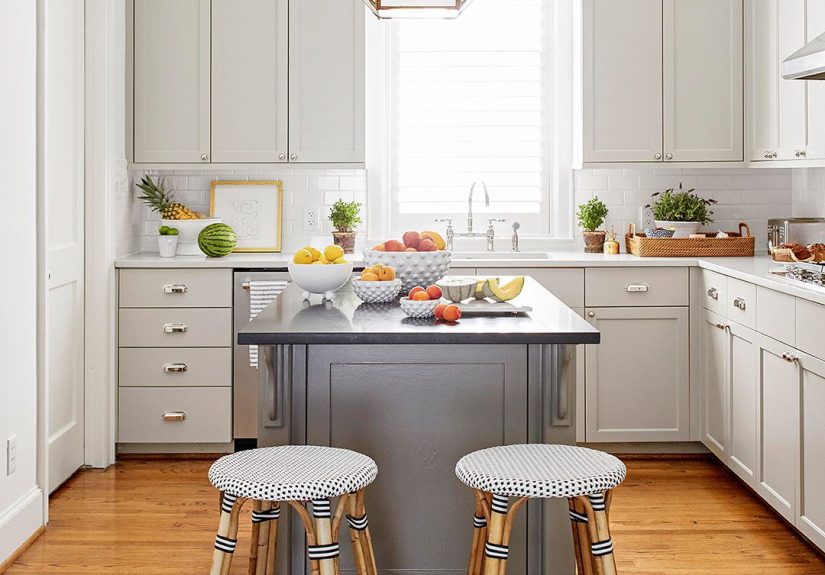
16) A “floating” island to keep the room feeling open
In tight layouts, a freestanding island (not visually anchored by heavy panels or oversized legs) can feel less
imposing. Think slender legs, open space beneath, and a light visual profile. This style helps the kitchen breathe,
which matters a lot when every square foot is doing overtime.
17) A peninsula alternative for kitchens that can’t spare aisle space
If a freestanding island would block traffic, a peninsula can deliver similar benefitsextra prep space, storage,
and sometimes seatingwhile attaching to existing counters. It’s often the better move in smaller kitchens because
it maintains a clearer path through the room.
18) A sink-in-island “prep corner” (only if the layout supports it)
A small prep sink in an island can improve workflow by keeping rinse-and-chop tasks close together. But it’s not
automatically a win: plumbing and clear counter space matter. If you can’t maintain a usable prep area, you’ll end
up with a sink that steals the best real estate.
19) A convertible island: desk today, prep station tonight
In apartments and smaller homes, the kitchen sometimes moonlights as a home office. A compact island with a clean,
flat top and strong storage can serve as a laptop-friendly workstation by day and a meal-prep station later. Keep a
tray or bin nearby so you can “reset” the surface fast when it’s time to cook.
20) A micro-island for the tiniest kitchens (yes, they exist)
If your kitchen truly can’t fit a standard island, go micro: a petite cart, a narrow console, or a small butcher
block on casters. The win here is targeted functionmaybe it’s a coffee station, a produce landing zone, or a
dedicated chopping surface. Even a small island can make cooking smoother if it’s positioned thoughtfully.
How to Maximize Storage on a Small Island Without Making It Bulky
Choose drawers whenever possible
Drawers turn “hidden storage” into “usable storage.” Deep drawers can hold pots and small appliances; shallow drawers
can organize utensils and wraps. If you’re remodeling or building, prioritize drawer stacks over a single cavernous
cabinet.
Use shallow shelves for frequently used items
Especially on open shelving, shallower depths make items easier to see and grab. You’ll store fewer “forgotten”
things, and you’ll spend less time rummaging (which is the enemy of weeknight cooking).
Exploit the island ends
The ends are perfect for a towel bar, hooks, a narrow spice rack, a paper towel holder, or a small bookshelf. These
additions increase functionality without stealing aisle space.
Don’t waste the underside
If your island has open space below, use bins, baskets, or a rolling crate setup to organize categories. Matching
containers keep the look calmeven if the contents are 40% pasta and 60% good intentions.
Small Kitchen Island Mistakes That Make Life Harder
Buying an island that’s too deep
Deep storage sounds great until you can’t reach the back without a headlamp. In compact kitchens, accessible storage
beats maximum volume.
Blocking the fridge, oven, or dishwasher
Appliance doors need room to swing open while people still pass behind. The island has to cooperate with the
everyday choreography of your kitchenor it becomes the villain.
Adding seating without enough legroom and clearance
Stools are fun until knees hit cabinets and everyone has to stand up so someone can walk past. If you want seating,
plan for the space it really requires, not the space you wish it required.
Creating a “flat surface magnet” with no organization plan
Every island attracts clutter. Fight back with a contained zone: a tray for essentials, a bin for mail, or a basket
for frequently used items. Give the mess a designated “home,” and it behaves better (sometimes).
of Practical Experience: What People Learn After Living With a Small Island
People often assume a kitchen island is mostly about aestheticsuntil they live with one in a small kitchen. Then it
becomes obvious: a small island is less like a decorative centerpiece and more like a daily operating system.
When it’s designed well, it quietly improves everything. When it’s designed poorly, it’s a traffic cone you paid for.
One of the most common “aha” moments is realizing that mobility is a feature, not a compromise. A
rolling cart sounds temporary, but in many compact kitchens it’s the reason the island works at all. You can pull it
closer to the stove during dinner prep, scoot it out of the way for cleaning, and move it to the side when you’re
hosting and people insist on congregating exactly where you need to walk. The island adapts to you instead of forcing
you to adapt to it.
Another real-life lesson: the best storage is the storage you can access in five seconds. Deep
cabinets can hold a lot, but in a small kitchen you rarely want to excavate. That’s why people who upgrade to drawer
storage tend to become slightly evangelical about it. You open a drawer, you see everything, you grab what you need,
and you’re done. No crouching, no shoulder contortions, no “I forgot we owned two waffle irons.”
You also learn that islands have a personality trait: they are flat. And flat surfaces attract objects the
way free samples attract crowds. Groceries, backpacks, unopened packages, a random screwdriveran island will accept
them all without judgment. The fix isn’t “become a new person with perfect habits.” The fix is to give the island a
simple system: a tray for daily essentials, a bin for paper clutter, and a rule that the main prep zone gets cleared
every night. When the system is easy, it actually happens.
Finally, many households discover that a small island’s biggest gift is emotional: it reduces the
feeling of being cramped. Even a modest prep station can make cooking feel less like you’re balancing ingredients on
the edge of the sink. You get a dedicated place to chop, a landing spot for hot pans, and storage that doesn’t
require you to play cabinet Jenga. That daily smoothness adds up. And if your island also happens to look great?
Congratulationsyour kitchen just gained both function and swagger.
Conclusion
A small kitchen island doesn’t have to be big to be transformative. The winning formula is simple: respect
clearances, choose storage you’ll actually use, and pick a design that matches how you cookrolling cart, slim work
table, micro-island, or peninsula. Done right, your island becomes extra prep space, smarter storage, and a calmer
kitchen routineall without stealing the room you need to live.






 Close
Close