
Table of Contents >> Show >> Hide
- Why pandemic weight gain happened (and why it wasn’t the same for everyone)
- Overlooked factor #1: The “disappearing commute” and the collapse of sneaky movement
- Overlooked factor #2: Sitting time didn’t just increaseit got “stickier”
- Overlooked factor #3: Screen time made snacking easierand more automatic
- Overlooked factor #4: Sleep disruption quietly changed appetite and cravings
- Overlooked factor #5: Stress biology (aka “your body thought it was in a survival movie”)
- Overlooked factor #6: Alcohol creep (and the “I deserve this” effect)
- Overlooked factor #7: Ultra-processed convenience became the pandemic’s default fuel
- Overlooked factor #8: Food insecurity and the high cost of “healthy”
- Overlooked factor #9: Mental health shifts and “nothing feels normal” eating
- Overlooked factor #10: Caregiving, parenting, and the “third shift” nobody trained for
- What helps now (without turning your kitchen into a boot camp)
- Bottom line: The pandemic changed the environment, and bodies responded
- Experiences you might recognize (and what they reveal)
- Conclusion
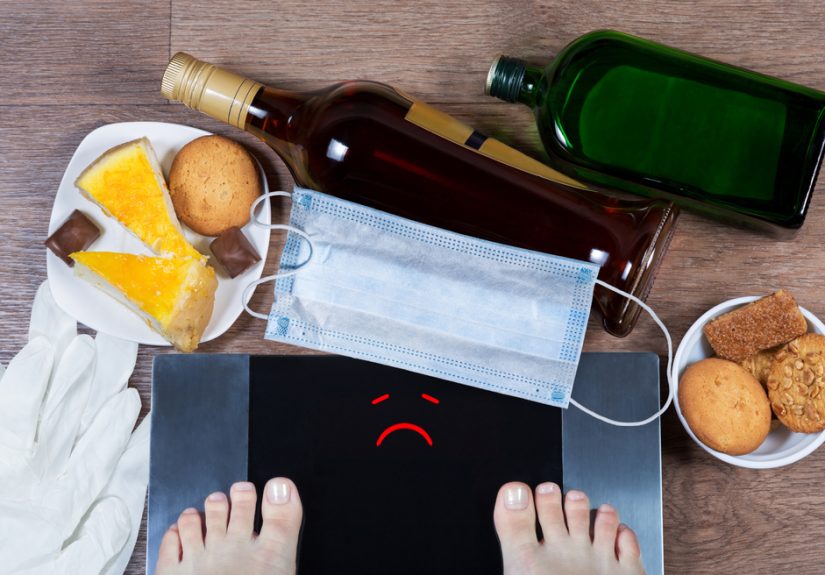
The pandemic didn’t just cancel plansit quietly rewired daily life. For a lot of people, weight gain showed up like an
unexpected houseguest: not necessarily dramatic, but stubbornly present. And while “COVID-15” became a punchline, the
bigger story is less about willpower and more about invisible forces that nudged calories up and movement downoften at
the exact same time.
If you gained weight during the pandemic, you’re not “lazy,” “weak,” or “bad at adulting.” You’re human. When routines
collapse, stress spikes, sleep gets weird, and the kitchen is suddenly ten feet from your “office,” your body adapts in
ways that make perfect biological sense. Let’s talk about the overlooked driversespecially the ones that don’t get
enough airtime.
Why pandemic weight gain happened (and why it wasn’t the same for everyone)
One reason pandemic weight gain feels confusing is that it wasn’t universal. Some people lost weight. Some stayed
stable. Others gained steadilyespecially during early stay-at-home phasesbecause the environment changed faster than
habits could adjust.
The key point: weight change during the pandemic often reflected circumstances, not character. Your job situation, your
stress level, your family responsibilities, your access to safe places to move, your sleep quality, and even your
grocery budget all mattered. A lot.
Overlooked factor #1: The “disappearing commute” and the collapse of sneaky movement
Most of us think exercise is the main “movement” that counts. But a surprisingly large share of daily energy burn comes
from non-exercise activitywalking to a bus stop, climbing stairs, pacing during a phone call, or doing that little
lap around the office looking for a working printer.
The pandemic deleted those mini-movements. If your commute became a shuffle from bed to laptop, you didn’t just lose
time in trafficyou lost thousands of small steps that used to happen automatically.
How it adds up
- Less incidental walking: errands, hallways, parking lots, campus routes.
- Less standing: meetings moved from conference rooms to couches.
- Less “friction”: everything became one-clickfood, work, entertainment, socializing.
You can be the same person with the same intentions and still burn fewer calories simply because your day got smaller.
That’s not a moral failureit’s math hiding in plain sight.
Overlooked factor #2: Sitting time didn’t just increaseit got “stickier”
Working from home helped many people stay employed and safe. It also made sitting the default posture for basically
everything: work, school, streaming, gaming, Zoom hangouts, even telehealth. And long sitting stretches can change how
you feelmore sluggish, less motivated, and (ironically) more likely to reach for quick-energy foods.
Here’s the sneaky part: you can still do a workout and have an otherwise sedentary day. That’s not “bad”it just means
movement needs to be sprinkled throughout the day, not saved up like vacation days.
What “sticky sitting” looks like
- Back-to-back video calls with no natural breaks
- Meals eaten at the desk (so the desk becomes “the place where I eat”)
- Entertainment that starts right after work endssame chair, same posture, same screen
Overlooked factor #3: Screen time made snacking easierand more automatic
Screens kept people connected. They also made eating more distracted. When you’re focused on a show, a game, or a work
deadline, your brain is less likely to notice fullness cues. That’s not because you’re “undisciplined.” It’s because
attention is a limited resource, and the pandemic used a lot of it.
Add a second effect: proximity. If your kitchen is always nearby, snacks become less of a decision and more of a
reflex. The fridge starts to look like a coworker who keeps “just checking in.”
A common pattern
Stress rises → screen time rises → sleep slips → hunger signals change → snacking becomes more frequent. It’s not one
cause. It’s a chain reaction.
Overlooked factor #4: Sleep disruption quietly changed appetite and cravings
During the pandemic, many people had more time at homebut not necessarily more sleep. Anxiety, irregular schedules,
late-night scrolling, and blurred work boundaries messed with sleep quality and timing. And sleep isn’t just “rest.” It
helps regulate hormones involved in hunger and fullness.
When sleep is short or inconsistent, the body often responds with stronger appetite signals, stronger cravings
(especially for higher-calorie foods), and less energy to cook or move. In other words, the body starts lobbying for
convenience calories.
Why this matters
- More hunger: appetite cues can intensify after poor sleep.
- More cravings: the brain seeks quick reward when it’s tired.
- Less energy: decision fatigue makes “grab-and-go” the default.
And sleep disruption wasn’t always about bedtimeit was about rhythm. Some people shifted schedules later and later,
which can throw off meals, movement, and appetite in a surprisingly powerful way.
Overlooked factor #5: Stress biology (aka “your body thought it was in a survival movie”)
Chronic stress doesn’t just make you feel frazzled; it can change eating behaviors and nudge the body toward storing
energy. Stress can also increase “reward-driven” eatingfoods that are crunchy, sweet, salty, or creamybecause those
foods temporarily calm the nervous system.
The pandemic produced a unique type of stress: long-lasting, uncertain, and everywhere. Even good news (“schools are
reopening!”) often came with extra decisions, logistics, and worry. That’s a recipe for decision fatigue, which makes
the easiest option feel like the only option.
How stress turns into weight gain (without asking permission)
- Emotional eating: food becomes comfort, distraction, or a break.
- Less planning bandwidth: cooking feels like a second job.
- More grazing: small bites add up when the day feels endless.
This isn’t about blaming stress or pretending nobody should enjoy comfort foods. It’s about recognizing that when
stress is constant, your eating may become more reactiveand that’s a normal response, not a personal flaw.
Overlooked factor #6: Alcohol creep (and the “I deserve this” effect)
For many adults, drinking increased during the pandemic. Sometimes it was boredom. Sometimes it was anxiety. Sometimes
it was the weird feeling of living in a thriller movie while still answering emails.
Alcohol can contribute to weight gain in more than one way:
- Extra calories: especially when drinks become routine.
- Snack synergy: alcohol lowers inhibitions and makes salty, greasy foods more appealing.
- Sleep disruption: even if you fall asleep faster, sleep quality can drop.
The sneaky part is the story we tell ourselves: “Everything is terrible, so I deserve a treat.” That’s a deeply human
coping strategy. It also becomes a pattern if the “treat” is nightly and paired with less movement.
Overlooked factor #7: Ultra-processed convenience became the pandemic’s default fuel
Early pandemic life rewarded foods that were shelf-stable, quick, and comforting. People stocked pantries, shopped less
often, and leaned on packaged snacks, frozen meals, delivery, and anything that didn’t require a trip to a crowded
store.
Ultra-processed foods are designed to be easy to eat quickly and enjoy intensely. That’s not a conspiracy theory; it’s
food engineering. When these foods make up a bigger share of meals, it’s easier to eat more without feeling like you’re
eating morebecause texture, speed, and “mouthfeel” can override fullness signals.
“Pantry physics” in real life
If your house contains more snack foods, you don’t need more willpoweryou need fewer moments where willpower is
required. The pandemic increased those moments: more time at home, more stress, more boredom, more screen time, fewer
routines. Suddenly the snack drawer is basically a co-working space.
Overlooked factor #8: Food insecurity and the high cost of “healthy”
Weight gain and food insecurity can happen in the same household. When budgets tighten, people often buy the most
calories per dollarwhich frequently means more refined grains, sugary snacks, and inexpensive packaged foods. That’s
not because people don’t care about health; it’s because rent and utilities do not accept “fresh berries” as payment.
Food insecurity can also create a feast-or-famine cycle: when food is available, you eat more; when it’s scarce, you
worry more. That stress loop can affect sleep, mood, and eating patterns in ways that make weight management harder.
Overlooked factor #9: Mental health shifts and “nothing feels normal” eating
Anxiety and depression spiked for many people during the pandemic, and those conditions can affect appetite, energy,
cravings, and motivation. Some people ate less because stress shut down appetite. Others ate more because food felt like
one of the only reliably pleasant experiences.
There’s also the disruption factor: when your schedule changes weekly, planning meals and movement becomes harder. Even
if you know what helps, consistency can feel impossible when life keeps changing the rules.
Overlooked factor #10: Caregiving, parenting, and the “third shift” nobody trained for
A lot of pandemic weight gain isn’t about overeatingit’s about overload. Parents managed remote school. Adults cared
for older relatives. People juggled work, household logistics, and emotional support, often without normal help from
friends, community, or childcare.
When you’re managing everyone else’s needs, your own meals become whatever is fastest. You eat your kid’s leftover mac
and cheese because it’s there. You snack while cooking because it’s the only time you’re standing still. You skip meals
and then get ravenous at 9 p.m. because the day finally stopped asking for things.
What helps now (without turning your kitchen into a boot camp)
If you want to address pandemic weight gain, the most effective approach is usually not a dramatic reset. It’s a
low-drama rebuild of routines that got disrupted. Think “tiny levers,” not “total makeover.”
1) Bring back structure (even a little)
- Pick a consistent wake time most days.
- Create a “work start” and “work end” ritual (short walk, shower, musicanything that signals a boundary).
- Try to eat meals away from the main work screen when possible.
2) Add movement in snack-sized pieces
- Stand up during one meeting or phone call a day.
- Use a timer for quick stretch or walk breaks.
- Make “after-meal movement” gentlelike a short walk, not punishment.
3) Make sleep easier to win
- Dim lights and reduce intense scrolling close to bedtime.
- Keep caffeine earlier if it affects your sleep.
- Build a short wind-down routine you can repeat even on stressful days.
4) Upgrade snacks instead of banning them
Strict rules often backfire, especially under stress. A more sustainable move is to keep snacksbut choose ones that
actually satisfy. Foods with protein, fiber, and healthy fats tend to keep you full longer than “air snacks” that vanish
in three bites and leave you wanting a sequel.
5) Be curious about alcohol (no shame, just data)
- Notice patterns: Is drinking tied to stress, boredom, or social cues?
- Try “bookending” drinks with water or food so you’re not drinking on an empty stomach.
- Consider alcohol-free nights as recovery, not deprivation.
6) If mental health is the engine, treat the engine
If anxiety, depression, or chronic stress is driving eating and sleep issues, focusing only on food can feel like
mopping up water while the faucet is still running. Support can include therapy, social connection, stress-reduction
skills, and medical guidance when needed.
And if weight gain was rapid, accompanied by major fatigue, or connected to medication changes, it’s worth checking in
with a clinician. Bodies aren’t robotssometimes there are medical or hormonal factors worth addressing.
Bottom line: The pandemic changed the environment, and bodies responded
The overlooked factors driving weight gain in the pandemic weren’t just “eating too much” and “moving too little.” They
were the loss of routine movement, sticky sitting, higher screen time, stress physiology, sleep disruption, alcohol
creep, ultra-processed convenience, budget pressure, mental health strain, and caregiving overloadall layered together.
The good news is that you don’t need perfection to improve your trajectory. Most people do better with small, repeatable
habits that make healthy choices easiernot heroic rules that require daily battles. The pandemic was hard. Rebuilding
doesn’t have to be.
Experiences you might recognize (and what they reveal)
The pandemic didn’t create one universal “weight gain story.” It created a bunch of overlapping onessometimes funny,
sometimes frustrating, often both. Here are common experiences people described in surveys, clinics, and everyday
conversation, and what they suggest about the real drivers.
The remote-worker snack loop
You start the day determined: coffee, emails, focus. Then a meeting runs long, lunch gets delayed, and you grab “just a
handful” of something. By mid-afternoon, you’re tired, your eyes feel like sandpaper, and the pantry looks like it’s
wearing a friendly hat. Suddenly you’ve had three snacks and still don’t feel satisfied.
What it reveals: delayed meals, screen fatigue, and easy access can push eating into grazingeven when
you’re not especially hungry.
The parent/caregiver “I ate standing up” era
People juggling kids at home or caring for relatives often stopped eating meals and started eating moments: bites while
cooking, leftovers off small plates, snacks “so I don’t crash,” then a late-night meal once the house finally went
quiet. If someone asked, “Did you have dinner?” the honest answer was, “Define dinner.”
What it reveals: overload and disrupted routines can shift eating to late hours and reduce mindful
mealswithout any intentional overeating.
The “movement vanished” mystery
Some people swear they were eating “about the same,” but their weight still crept up. When they looked closer, the
difference wasn’t the gymit was everything else. No walking to transit. No wandering into coworkers’ offices. No stairs
because there were no stairs. Their step count didn’t drop a little; it fell off a cliff.
What it reveals: non-exercise movement can matter more than people realize, and losing it can change
energy balance even if workouts stay the same.
The sleep schedule that quietly broke everything
Many people drifted later: later bedtime, later breakfast (or no breakfast), later caffeine, later dinner. It didn’t
feel like a “health issue” until cravings got stronger, energy got lower, and hunger cues felt chaotic. Then it became
a loop: tired → snacky → wired → scrolling → tired again.
What it reveals: sleep timing and quality can influence appetite and decision-making, which then shapes
food choices.
The “one glass of wine became a habit” shift
What started as “just something to take the edge off” slowly became routine. Not because anyone was trying to sabotage
their health, but because evenings felt heavy and repetitive. Alcohol added calories, made snacking easier, and didn’t
help sleep. The result wasn’t dramaticjust steady.
What it reveals: small daily habits compound, especially when they affect both food choices and sleep.
The budget reality check
Some households had to stretch groceries further than ever. That often meant fewer fresh items, more shelf-stable foods,
and less flexibility to “try new healthy recipes.” When you’re managing cost, time, and stress, you don’t choose between
“good” and “bad.” You choose between “possible” and “not possible.”
What it reveals: food access and affordability can shape weight outcomesindependent of motivation.
If any of these sound familiar, you’re not alone. And you don’t need to “fix everything” to see progress. Most people
benefit from restoring one or two anchorssleep rhythm, regular meals, movement breaks, or stress supportthen building
from there.
Conclusion
The overlooked factors driving weight gain in the pandemic weren’t randomthey were predictable consequences of a world
that suddenly made daily life more sedentary, more stressful, more screen-based, and more convenience-driven. The
solution isn’t shame or extreme rules. It’s rebuilding routines, reducing friction for healthier choices, supporting
sleep and stress, and making movement a normal part of the day again.
Pandemic weight gain isn’t a personal failure. It’s a signal that your environment changedand your body adapted. Now
you get to choose which parts of your routine come back, and which ones get an upgrade.




 Close
Close