
Table of Contents >> Show >> Hide
- What Makes a Window Treatment Feel Rustic (and Farmhouse, Not “Cabin in a Cartoon”)?
- 21 Rustic Window Treatments for a Farmhouse-Style Home
- 1) Relaxed Linen Drapes (the “effortlessly put-together” look)
- 2) Café Curtains (privacy where you want it, sunshine where you need it)
- 3) Woven Wood Shades (bamboo, grasses, jutetexture for days)
- 4) Relaxed Roman Shades (soft folds, farmhouse-friendly charm)
- 5) Flat Roman Shades in a Small Check or Gingham
- 6) Ticking Stripe Panels (the farmhouse MVP pattern)
- 7) Grain Sack Stripe Curtains (old-world farmhouse, updated)
- 8) Drop Cloth Curtains (the DIY legend that actually works)
- 9) Sheer Cotton or Linen Voiles (soft light, no gloom)
- 10) Vintage Lace Panels (a little romance, a lot of character)
- 11) Burlap-Blend Curtains (rustic texture without the scratchy drama)
- 12) Wooden Blinds (warm, classic, and very farmhouse)
- 13) Faux Wood Blinds (the “humidity happens” solution)
- 14) Interior Louvered Shutters (privacy + architecture in one move)
- 15) Natural Wood Shutters (warm-toned farmhouse luxe)
- 16) Board-and-Batten Interior Shutters (rustic and charming)
- 17) Reclaimed Wood Valance or Cornice (instant rustic framing)
- 18) Woven “Matchstick” Roll-Up Shades (simple, rustic, and breezy)
- 19) Linen-Look Roller Shades (minimal, but still farmhouse)
- 20) Layered Look: Woven Shade + Linen Drapes (the designer cheat code)
- 21) Privacy Window Film (the no-fabric farmhouse helper)
- How to Choose the Best Farmhouse Window Coverings (Without Regretting It Later)
- Conclusion
- Extra: Real-Life Experiences With Farmhouse Windows ( of “Been There”)
Farmhouse style is basically the design equivalent of a warm loaf of bread: comforting, familiar, and somehow better
when it’s a little imperfect. And if your room feels “almost there” but not quite cozy, your windows might be the
culpritsstanding around like they forgot to get dressed.
The right rustic window treatments can add softness, texture, privacy, and that “I definitely know
what I’m doing” charm (even if you measured once and hoped for the best). Below are 21 farmhouse-friendly options
from linen drapes to wood shuttersplus practical guidance to choose the best fit for every room.
What Makes a Window Treatment Feel Rustic (and Farmhouse, Not “Cabin in a Cartoon”)?
Rustic farmhouse window coverings are all about honest materials, relaxed lines, and timeless function. Think less
“theme,” more “collected over time.” Here’s the shortcut:
- Natural texture: linen, cotton, jute, bamboo, wood, iron hardware.
- Soft neutrals + quiet pattern: ticking stripes, subtle checks, gingham, muted plaids.
- Simple silhouettes: Roman shades, café curtains, classic shutters, straightforward panels.
- Hardware that looks sturdy: matte black, oil-rubbed bronze, aged brass, warm wood.
- Light control that matches real life: kitchens need wipeable, bedrooms need darkness, living rooms need glow.
21 Rustic Window Treatments for a Farmhouse-Style Home
1) Relaxed Linen Drapes (the “effortlessly put-together” look)
Linen panels instantly soften hard surfaces like shiplap, brick, and wood floors. Keep them a touch rumpledfarmhouse
isn’t the place for “crisp hospital corner” energy. Choose warm whites, oatmeal, flax, or greige for that airy, sunlit
vibe.
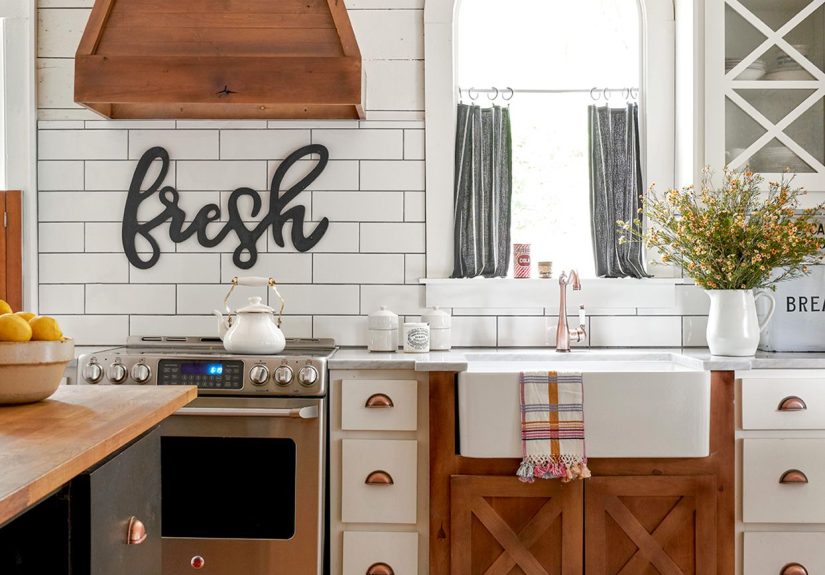
2) Café Curtains (privacy where you want it, sunshine where you need it)
Café curtains cover the lower portion of the window, which is perfect for kitchens, bathrooms, and street-facing
rooms. Use linen or cotton for a tailored-but-cozy feel. Bonus: your plants still get light, and your neighbors still
don’t get a show.
3) Woven Wood Shades (bamboo, grasses, jutetexture for days)
If farmhouse style had a mascot, it would be a woven shade. These bring organic warmth and filter light beautifully.
Pair with simple curtain panels for a layered, high-end look that still feels relaxed and rustic.
4) Relaxed Roman Shades (soft folds, farmhouse-friendly charm)
Relaxed Romans have that gentle swoop that reads “vintage cottage” without trying too hard. Linen or cotton blends
work well, and subtle stripes keep things classic. Great for breakfast nooks and bedrooms where you want softness over structure.
5) Flat Roman Shades in a Small Check or Gingham
Flat Romans feel tidy and cleanideal for a modern farmhouse. A small-scale check gives rustic personality without
overwhelming the room. Use them in kitchens, offices, or anywhere you want farmhouse style with a sharper edge.
6) Ticking Stripe Panels (the farmhouse MVP pattern)
Ticking stripe is basically denim for windows: it goes with everything and never gets weird. Blue, charcoal, or muted
tan stripes look especially good with matte black rods and simple rings for that classic farmhouse window treatment setup.
7) Grain Sack Stripe Curtains (old-world farmhouse, updated)
Grain sack stripes add instant rustic credibilitylike your house knows what a barn is and can identify at least two kinds of wheat.
Keep the stripe neutral (black, charcoal, faded navy) and let it be the texture-forward star in the room.
8) Drop Cloth Curtains (the DIY legend that actually works)
Painter’s drop cloths make surprisingly great rustic curtains: heavy, matte, and naturally “farmhouse.” They’re also
budget-friendlyperfect for big windows or anyone who wants that linen-ish look without the linen-ish price tag.
9) Sheer Cotton or Linen Voiles (soft light, no gloom)
Sheers are ideal when you want privacy and glow, not darkness. They’re especially good in living rooms where you want
the sun to show up but not glare at you like it pays rent.
10) Vintage Lace Panels (a little romance, a lot of character)
Lace can feel farmhouse in the right context: simple patterns, soft ivory tones, and minimal fuss. Pair lace with wood
tones and vintage accents to keep it “heritage home,” not “tea party cosplay.”
11) Burlap-Blend Curtains (rustic texture without the scratchy drama)
True burlap can be itchy and stiff, but burlap-blend fabrics give you that nubby farmhouse texture with better drape.
Use in casual spaces like mudrooms or dining roomsespecially alongside warm wood furniture and simple ceramics.
12) Wooden Blinds (warm, classic, and very farmhouse)
Wood blinds bring structure and warmth, and they look fantastic with simple linen side panels. Choose a stain that
echoes your floors or ceiling beams so the whole space feels intentional and grounded.
13) Faux Wood Blinds (the “humidity happens” solution)
Bathrooms, laundry rooms, and steamy kitchens need window coverings that don’t warp when life gets moist (sorry).
Faux wood gives you the farmhouse look with a more forgiving, practical finish.
14) Interior Louvered Shutters (privacy + architecture in one move)
Interior shutters feel built-in and timeless, which is farmhouse gold. They’re especially good for wide windows and
front-facing rooms where you want adjustable light and privacy without bulky fabric.
15) Natural Wood Shutters (warm-toned farmhouse luxe)
Painted shutters are classic, but stained wood shutters are next-level cozy. They add depth and warmthespecially in
rooms with white walls, vintage rugs, and wood furniture. Think “farmhouse, but make it quietly fancy.”
16) Board-and-Batten Interior Shutters (rustic and charming)
Solid-panel shutters with battens feel like they could belong in an old farmhousebecause they basically did. Use them
for bedrooms or media rooms where light-blocking matters, and let the panels become part of the room’s architecture.
17) Reclaimed Wood Valance or Cornice (instant rustic framing)
A simple wood box valanceespecially in reclaimed or weathered finishesadds farmhouse character fast. It also helps
hide roller shades or hardware, making everything look cleaner and more “designed” with very little effort.
18) Woven “Matchstick” Roll-Up Shades (simple, rustic, and breezy)
These give you that casual farmhouse texture with an unfussy profile. They work well in sunrooms, porches, or any space
where you want filtered light and a laid-back vibe (aka the room where you pretend you’re reading but actually you’re scrolling).
19) Linen-Look Roller Shades (minimal, but still farmhouse)
Roller shades aren’t just modernthey can be farmhouse if the fabric has texture. A linen-look weave in warm white or
oatmeal disappears in the best way, letting your beams, trim, or vintage pieces be the stars.
20) Layered Look: Woven Shade + Linen Drapes (the designer cheat code)
Layering is how farmhouse window treatments go from “fine” to “wow.” Put a woven wood shade inside the frame for texture
and function, then add linen panels high and wide to make windows feel bigger and rooms feel softer.
21) Privacy Window Film (the no-fabric farmhouse helper)
For bathrooms and sidelights, privacy film can blur the view while keeping the daylight. Choose frosted or subtle patterns
that read classicnot loudso it plays nicely with farmhouse style (and doesn’t look like your window joined a laser show).
How to Choose the Best Farmhouse Window Coverings (Without Regretting It Later)
Match the treatment to the room’s job
- Bedroom: consider lined drapes, thicker Roman shades, or shutters for light control.
- Kitchen: opt for café curtains, Romans, or wipeable shadesgrease is real.
- Bathroom: shutters, faux wood blinds, or privacy film handle humidity best.
- Living room: sheers + panels or woven shades create the prettiest daylight.
Hang curtains like you mean it
A quick visual upgrade: mount curtain rods higher and wider than the window frame. This makes ceilings feel taller and
windows look largerplus it lets in more light when the curtains are open.
Hardware matters more than people think
Farmhouse style loves sturdy hardware: matte black rods, simple finials, and rings you can slide without wrestling.
If your curtains feel “meh,” upgrading the rod might be the easiest fix.
Conclusion
The best rustic window treatments for a farmhouse-style home balance warmth and practicality: natural textures, simple lines,
and light control that fits your day-to-day. Start with one roomoften the kitchen or living roomthen repeat materials and
hardware finishes throughout the house for a cohesive, collected look.
Extra: Real-Life Experiences With Farmhouse Windows ( of “Been There”)
I used to think window treatments were purely decorativelike throw pillows that learned how to pay bills. Then I lived
in a house with bright morning sun, curious neighbors, and a kitchen that produced more steam than a yoga studio. Suddenly,
“pretty” wasn’t enough. I needed functional farmhouse window treatments that could survive actual life.
First lesson: linen is gorgeous, but linen also wrinkles like it’s trying to win an award for Best Supporting Crease.
If you love that relaxed farmhouse drape, greatembrace the rumple. But if you want linen to look crisp every day, you’re
basically signing up for a hobby. The compromise I landed on: linen-blend panels in high-traffic rooms and true linen where
I wanted maximum softness (bedrooms and the “company is coming” living room).
Second lesson: kitchens are not polite environments. Between splatters, heat, and lingering cooking odors, long drapes can
become accidental seasoning. Café curtains and Roman shades were the real heroesshorter fabric, easier upkeep, and still
plenty of charm. I also learned to pick materials that can be cleaned without a crisis. “Dry clean only” sounds sophisticated
until you realize it’s telling you, “I will punish you for making pasta.”
Third lesson: the layered look is worth itwhen you do it strategically. I added woven wood shades for daytime light filtering,
then simple drapery panels for softness. The room instantly felt finished, and I got better control over glare on screens.
Plus, layered textures are basically farmhouse’s love language: wood + fabric + iron hardware is a classic trio that rarely
disappoints.
Fourth lesson: measure like you’re being graded. I once bought panels that were just a bit too short, and the window spent the
rest of the year looking like it outgrew its pants. If you’re going for a farmhouse vibe, longer is usually safer than shorter:
floor-length reads intentional; awkwardly hovering reads “we tried.” When in doubt, aim for panels that kiss the floor, or just
barely puddle if you want that extra relaxed, collected feel.
Final lesson: privacy doesn’t have to mean darkness. In bathrooms, I used frosted film on the lower portion of the glass and kept
the top cleartons of daylight, zero awkward eye contact with the outdoors. In front rooms, café curtains gave me privacy at street
level but still let the sun pour in. Farmhouse style is supposed to feel open and welcoming, not like you’re hiding from society.







 Close
Close