
Table of Contents >> Show >> Hide
- Start Smart: What Makes a Privacy Fence “Inexpensive”?
- 28 Inexpensive Privacy Fence Ideas for Your Yard
- 1. Pressure-Treated Pine Panels (Budget Classic)
- 2. DIY Picket-to-Privacy Upgrade (Add a Second Layer)
- 3. Lattice Topper on an Existing Fence
- 4. Full Lattice Fence (Then Let Plants Do the Heavy Lifting)
- 5. Trellis Panels + Vines (Living Privacy on a Budget)
- 6. Chain Link Fence + Privacy Slats
- 7. Chain Link + Privacy Tape (Fast, Flexible, DIY-Friendly)
- 8. Chain Link + Outdoor Mesh Screen
- 9. Reed or Willow Roll Fencing
- 10. Bamboo Rolls for a Warm, Tropical Look
- 11. Pallet Fence (The DIY Darling)
- 12. Reclaimed Wood “Patchwork” Fence
- 13. “Dead Hedge” Fence (Branch Weave Screen)
- 14. Corrugated Metal Panels + Wood Frame
- 15. Hog Wire Fence with Wood Framing (Semi-Privacy + Style)
- 16. Horizontal Slat Fence Using Common Lumber
- 17. Board-on-Board Privacy Fence (Looks Custom, More Coverage)
- 18. Short Fence + Tall Planting Behind It (The “Optical Upgrade”)
- 19. Mixed Shrub Screen (Natural, Layered, and Flexible)
- 20. Arborvitae Row (Living Fence That Grows Up Fast)
- 21. Tall Ornamental Grasses as a Seasonal Screen
- 22. Planter Boxes + Trellis (Instant Structure, Privacy Later)
- 23. Outdoor Privacy Panels (Modular Screens)
- 24. Add-On Side-Yard Screens (Target the Problem View)
- 25. Extend Privacy with a Pergola + Reed Mats
- 26. Outdoor Curtains on a Cable System
- 27. Shade Sail for Overlook Privacy
- 28. Fence “Gap Filler” Makeover: Paint + Greenery + Consistent Trim
- Real-World Lessons From Budget Fence Projects (The Stuff You Don’t See on Pinterest)
- Conclusion: Privacy You Can Actually Afford
Privacy is one of those things you don’t realize you’re missing until you’re eating dinner outside and your neighbor’s
leaf blower has a front-row ticket to your entire life. The good news: you don’t need a “celebrity backyard” budget
to block awkward eye contact, hide the trash cans, or make your patio feel like an actual retreat.
This list focuses on budget-friendly materials, smart add-ons, and “use what you’ve got” upgradesplus a few living
options that trade money for patience (plants are adorable that way). Mix and match ideas to fit your yard, your DIY
comfort level, and your local rules.
Start Smart: What Makes a Privacy Fence “Inexpensive”?
“Cheap” isn’t always inexpensive. The lowest price up front can turn pricey if it rots, warps, or needs constant
fixing. A truly budget-friendly privacy fence usually does one (or more) of these things:
- Uses affordable materials (pressure-treated pine, chain link upgrades, lattice, bamboo rolls).
- Reduces labor (prefab panels, shorter sections only where privacy is needed).
- Reuses what you already have (existing posts, an old chain link fence, reclaimed lumber).
- Combines partial fencing with landscaping (a lower fence + shrubs can feel as private as a tall wall).
Before you buy anything, check basics: property lines, HOA rules, and local height limits. Many places allow taller
fences in backyards than front yards, and permits can kick in above certain heights. Alsotalk to neighbors early.
It’s cheaper than “accidentally” fencing in their hydrangeas.
28 Inexpensive Privacy Fence Ideas for Your Yard
1. Pressure-Treated Pine Panels (Budget Classic)
If you want full privacy fast, pressure-treated pine panels are often the most cost-effective “real fence” option.
Keep it simple: standard 6-foot panels, minimal custom cuts, and stain later (after the wood dries) for longer life.
2. DIY Picket-to-Privacy Upgrade (Add a Second Layer)
Already have a spaced picket fence? Add a second row of pickets on the opposite side, offset so gaps overlap. This
“shadowbox” approach boosts privacy and airflow while keeping materials reasonable.
3. Lattice Topper on an Existing Fence
Need a little more height without rebuilding everything? Add lattice panels on top of your current fence. It’s a
relatively cheap extension that looks intentionalespecially with a trim frame.
4. Full Lattice Fence (Then Let Plants Do the Heavy Lifting)
Lattice panels are often cheaper than full privacy boards. Pair them with climbing plants to create a dense, green
screen over time. Bonus: it’s prettier than a solid wall of wood, and it feels less “fortress.”
5. Trellis Panels + Vines (Living Privacy on a Budget)
Install trellis sections where you need screeningnear a patio, hot tub, or neighbor-facing seating area. Train
climbers upward to block sightlines without fencing the entire yard.
6. Chain Link Fence + Privacy Slats
If your yard already has chain link, upgrading it can cost far less than replacing it. Slats weave through the mesh
to create a more solid look while keeping the existing posts and structure.
7. Chain Link + Privacy Tape (Fast, Flexible, DIY-Friendly)
Privacy tape works like a ribbon that threads through the chain link. It’s quick, comes in colors, and is great for
smaller runslike lining one side yard or blocking a specific view.
8. Chain Link + Outdoor Mesh Screen
Mesh screens attach with zip ties or grommets and can be replaced easily. They’re a practical “right now” solution
for renters (where allowed) or homeowners saving for a future upgrade.
9. Reed or Willow Roll Fencing
Reed fencing rolls can attach to existing fences or posts for instant privacy. They’re best for mild climates or
sheltered areas because they’re lighter and can wear faster in harsh weather.
10. Bamboo Rolls for a Warm, Tropical Look
Bamboo screening is usually affordable and looks great on patios and small yards. Mount it to existing fencing or
frame panels to help it resist wind and stay straight.
11. Pallet Fence (The DIY Darling)
Pallets can be cheap or even free if you source responsibly. Sand rough spots, reinforce posts, and seal the wood.
This is best for casual, rustic privacynot precision-perfect suburban symmetry.
12. Reclaimed Wood “Patchwork” Fence
Old fence boards, barn wood, and leftover lumber can become a charming, eclectic privacy fence. Keep it cohesive by
using consistent top trim or a unified stain color.
13. “Dead Hedge” Fence (Branch Weave Screen)
This old-school method weaves fallen branches between posts to form a dense barrier. It can cost almost nothing if
you have access to brush and pruned limbsplus it’s surprisingly stylish in a cottage-garden way.
14. Corrugated Metal Panels + Wood Frame
Corrugated metal can be affordable, durable, and modernespecially when used in sections rather than a full
perimeter fence. Pair metal panels with wood posts and trim to soften the look.
15. Hog Wire Fence with Wood Framing (Semi-Privacy + Style)
Hog wire alone isn’t private, but it becomes a budget-friendly screen when paired with plants, climbing vines, or
layered landscaping behind it. It’s great when you want openness without full visibility.
16. Horizontal Slat Fence Using Common Lumber
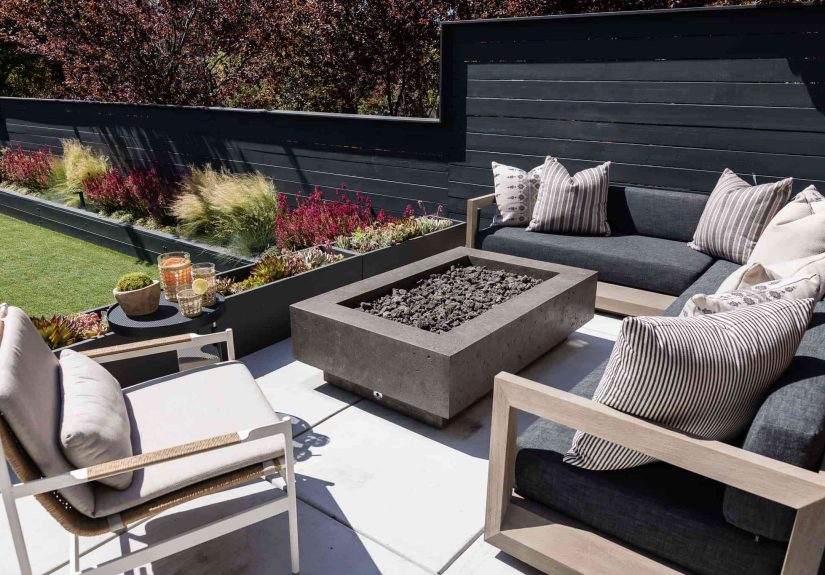
Horizontal slats look modern, but you can keep costs down by using standard boards and spacing them thoughtfully.
For more privacy, reduce gaps or stagger slats in two layers.
17. Board-on-Board Privacy Fence (Looks Custom, More Coverage)
Board-on-board uses overlapping pickets for strong privacy and a finished look from both sides. It costs more than a
basic panel fence, but it can still be budget-friendly if you DIY and keep the design simple.
18. Short Fence + Tall Planting Behind It (The “Optical Upgrade”)
You don’t always need an 8-foot wall. A shorter fence paired with dense shrubs or ornamental grasses can block
sightlines from seated areas and feel just as privateoften for less money.
19. Mixed Shrub Screen (Natural, Layered, and Flexible)
Plant a mixed rowevergreen backbone + flowering shrubs + grassesso you’re not relying on one plant to do it all.
It’s often healthier, more resilient, and more interesting than a single-species hedge.
20. Arborvitae Row (Living Fence That Grows Up Fast)
Arborvitae is a popular, relatively affordable option for privacy screening. Choose a variety suited to your region,
plan spacing carefully, and remember: a living fence is a long game, not a weekend project.
21. Tall Ornamental Grasses as a Seasonal Screen
Grasses can create privacy quickly during the growing season and cost less than a full fence install. Use them to
screen patios or along fence lines where you want softness and movement.
22. Planter Boxes + Trellis (Instant Structure, Privacy Later)
Build (or buy) planters and attach trellises to create a modular privacy wall. Great for patios and small yardsand
you can move or reconfigure as your needs change.
23. Outdoor Privacy Panels (Modular Screens)
Prefab privacy panels can be linked together like a fence or used as standalone screens. They’re ideal for “privacy
zones” around seating, grills, or side yardswithout fencing the whole perimeter.
24. Add-On Side-Yard Screens (Target the Problem View)
Sometimes you don’t need a full backyard fencejust coverage along one nosy side. Install a screen run only where
sightlines matter (like the patio edge) to cut costs dramatically.
25. Extend Privacy with a Pergola + Reed Mats
A pergola doesn’t replace a fence, but it blocks second-story views and creates a “ceiling of privacy.” Add reed mats
or outdoor fabric for shade and separation where neighbors overlook your yard.
26. Outdoor Curtains on a Cable System
For patios and decks, curtains can be one of the cheapest ways to add privacy fast. Use outdoor-rated fabric and a
sturdy cable or track so it doesn’t become a wind-powered drama show.
27. Shade Sail for Overlook Privacy
If the problem is aboveneighbors with higher windowsshade sails can help. They also make outdoor seating more
comfortable by cutting glare and heat.
28. Fence “Gap Filler” Makeover: Paint + Greenery + Consistent Trim
If your existing fence is structurally sound but visually leaky (gaps, mismatched boards, patchy repairs), unify it:
add a clean top trim, paint or stain one color, and use climbing plants or tall planters to close the visual holes.
It’s the cheapest fence is the one you don’t replace.
Real-World Lessons From Budget Fence Projects (The Stuff You Don’t See on Pinterest)
Here’s the part no one puts in the “after” photo: inexpensive privacy fences usually succeed because of boring
decisions made earlylike measuring twice, choosing fewer gates, and respecting gravity. If your yard slopes, panels
don’t magically stay level just because you believe in them. Many DIYers save money by using prefab panels, then get
surprised when the ground drops and suddenly the fence looks like it’s doing the wave. The fix is planning: step
panels down the slope, rack panels where designed for it, or switch to on-site picket installation for flexibility.
Next: posts. The fence panels get all the attention, but posts are the backbone. Budget builds fail when posts are
rushedset out of plumb, not deep enough, or installed without accounting for wind loads. A “cheap” fence that leans
after the first storm is basically a very expensive modern art piece. If you’re reusing existing posts, inspect for
rot at ground level and wobble at the base. Keep what’s solid, replace what isn’t, and you’ll often save real money
without gambling on stability.
Then there’s the neighbor factor. The most affordable upgrade is cooperation: shared fence lines, shared costs, and
shared understanding of where the property line actually is. This is also where local rules matter. Many homeowners
discover late that height limits differ between front and back yards, or that HOAs care deeply about whether your
fence is “shadowbox” or “solid” and what color it’s allowed to be. Checking early saves you from paying twiceor
building once, removing once, and then building again while muttering new vocabulary words.
Maintenance is another real-world budget lesson. Wood can be cost-effective, but it likes a little careespecially in
wet climates or intense sun. A simple schedule (clean, inspect, and re-seal when needed) keeps inexpensive materials
looking “custom” longer. On the flip side, low-maintenance options (vinyl, metal, composite) can cost more up front
but save time, repainting, and weekend resentment later. If your “free time” is rare, factor that into “inexpensive.”
Finally, the best privacy fences often combine two cheaper ideas instead of one expensive one. A short run of solid
fencing where you sit most + a trellis and vines elsewhere. A chain link upgrade now + a living hedge that fills in
over time. Planters + screens for a patio corner + a simpler perimeter fence. Privacy isn’t all-or-nothingit’s a
sightline problem. Solve the sightlines first, and your budget will feel instantly bigger.
Conclusion: Privacy You Can Actually Afford
The best inexpensive privacy fence is the one that fits your yard’s reality: your wind, your slope, your neighbors,
your rules, and your willingness to maintain it. Start by identifying the views you want to block, then choose one
or two strategiessolid panels, chain link upgrades, trellis-and-plants, or modular screensand build privacy where
it matters most. Your backyard doesn’t have to be massive to feel private. It just has to feel like yours.







 Close
Close