
Table of Contents >> Show >> Hide
- What Are Toe Separators or Toe Spacers?
- Reason 1: Toe Separators Can Help Improve Toe Alignment and Comfort
- Reason 2: Toe Spacers Can Reduce Friction, Corns, Calluses, and Blisters
- Reason 3: Toe Separators May Support Better Foot Function and Mobility
- How To Use Toe Separators Safely
- Who Might Benefit Most From Toe Separators?
- Common Mistakes To Avoid
- of Real-Life Experiences With Toe Separators or Spacers
- Final Thoughts: Small Spacer, Big Comfort Potential
Toe separators, also called toe spacers, may look like tiny yoga instructors for your feet. They sit between your toes, gently encouraging them to spread out instead of crowding together like commuters on a packed subway. Simple? Yes. Magical? Not quite. Useful? For many people, absolutely.
Modern shoes are often designed to look sleek, not to give toes a luxury apartment with a balcony. Narrow toe boxes, stiff materials, high heels, and long hours on hard floors can encourage toes to press together. Over time, that pressure may contribute to rubbing, soreness, corns, calluses, bunion discomfort, hammertoe irritation, and that general “my feet are filing a complaint” feeling at the end of the day.
Toe separators are not a cure for bunions, arthritis, or structural foot deformities. They will not permanently remodel your feet while you sleep, no matter how enthusiastic the product packaging sounds. But they can provide temporary comfort, reduce friction, support better toe alignment while worn, and pair nicely with smart footwear, stretching, and foot-strengthening habits. Think of them less like a miracle device and more like a friendly reminder to your toes: “Hey, everyone gets personal space.”
Below are three practical reasons to wear toe separators or spacers, plus how to use them safely, who should be careful, and real-world experiences that show how small changes can make daily movement feel better.
What Are Toe Separators or Toe Spacers?
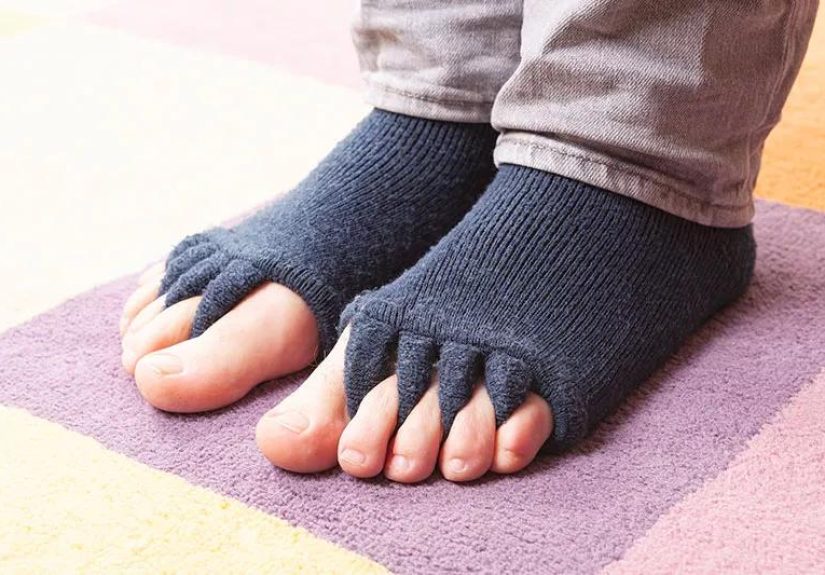
Toe separators are small devices made from silicone, gel, foam, or soft rubber that fit between the toes. Some are individual wedges designed for the big toe and second toe. Others look like a soft comb or glove that spreads all five toes at once. Some are meant for relaxing at home, while others are slim enough to wear inside shoes.
Their main job is simple: create space. By gently separating the toes, they may reduce pressure between digits, encourage a straighter resting position, and make it easier for the forefoot to spread naturally. This can be helpful for people with mild toe crowding, bunion discomfort, overlapping toes, hammertoes that are still flexible, or irritation caused by toes rubbing together.
The key phrase is “while worn.” Toe separators can help position the toes temporarily, but they do not erase a bunion, reverse arthritis, or permanently fix a significant deformity. If foot pain is persistent, worsening, or interfering with walking, a podiatrist or orthopedic foot specialist should evaluate it. Feet are excellent at carrying you around; they are less excellent at self-diagnosing.
Reason 1: Toe Separators Can Help Improve Toe Alignment and Comfort
The first reason to wear toe separators is alignment support. Many people spend years wearing shoes that taper toward the front. Unfortunately, human toes do not naturally form a perfect triangle. When shoes squeeze the toes inward, the big toe may lean toward the second toe, the smaller toes may curl or overlap, and the forefoot may feel cramped.
Helpful for Mild Toe Crowding
Toe separators gently guide the toes away from each other. For someone with mild crowding, this can feel like opening a window in a stuffy room. The toes get space, the soft tissues are stretched, and the foot may feel less compressed.
This is especially relevant for people who notice that their toes overlap after wearing dress shoes, narrow sneakers, ballet flats, or high heels. A toe spacer worn during short rest periods may help the foot relax after a long day. A shoe-friendly spacer may also reduce crowding during walking, as long as the shoe has enough room.
May Ease Bunion-Related Pressure
A bunion forms when the joint at the base of the big toe shifts out of alignment, often creating a bony bump and causing the big toe to angle toward the second toe. Toe spacers placed between the big toe and second toe may help the big toe rest in a straighter position while the spacer is in place. This can reduce pressure and make walking more comfortable for some people.
However, it is important to keep expectations realistic. Toe separators may help with discomfort, but they do not remove the bunion or permanently correct the joint. For mild symptoms, they may be part of a conservative care plan that also includes wide toe-box shoes, padding, icing when inflamed, and supportive inserts. For severe pain or progressive deformity, professional treatment may be needed.
Can Support Flexible Hammertoes and Bent Toes
Hammertoes occur when a toe bends at one of its joints instead of lying flat. In flexible cases, roomy shoes, pads, taping, orthotics, stretching, and toe splints may help reduce pressure. Toe separators can sometimes help keep the toes from pressing into each other, especially when the deformity is still mild and movable.
The goal is not to force the toe into a dramatic position. Gentle is the secret sauce. If a spacer causes sharp pain, numbness, skin irritation, or a feeling that your toe is being recruited into military training, remove it and try a smaller size or ask a clinician for advice.
Reason 2: Toe Spacers Can Reduce Friction, Corns, Calluses, and Blisters
The second reason to wear toe separators is friction control. When toes rub against each other or against the inside of a shoe, the skin responds by trying to protect itself. That protection can show up as thickened skin, corns, calluses, hot spots, or blisters. In other words, your skin starts building tiny armor because your footwear has become a drama series.
Less Rubbing Between Toes
Soft silicone or gel separators create a cushion between toes that might otherwise rub together. This can be especially useful for people with overlapping toes, bunions that push the big toe inward, or arthritis-related changes that make toes sit at awkward angles.
For example, someone whose second toe rubs against the big toe may develop a sore spot on the side of the toe. A spacer can create a small barrier, reducing skin-on-skin friction during the day. That little bit of separation may help prevent irritation before it becomes a blister with a bad attitude.
May Help With Corns Caused by Pressure
Corns often develop when pressure and rubbing are repeated over time. Some corns appear between toes, where moisture and friction combine like two villains in a superhero movie. Toe spacers may help by reducing direct pressure and improving spacing.
Still, a spacer is only one part of the solution. If the shoe is too tight, adding a spacer can make the toe box even more crowded. That is like trying to solve a closet problem by buying more hangers but refusing to get rid of the bowling ball collection. The shoe must have enough width and depth for both your foot and the spacer.
Better Shoe Fit Matters
Toe separators work best when paired with shoes that match the natural shape of the foot. Look for a wide toe box, flexible forefoot, supportive heel counter, and enough depth so the toes are not pushed downward. Square or rounded toe boxes usually allow more room than sharply pointed styles.
A practical test: wear the spacers, put on your shoes, and walk around the room. Your toes should feel gently separated, not squashed, numb, or angry. If the shoe suddenly feels tight, the spacer may not be the problem; the shoe may be auditioning for the role of “tiny foot prison.”
Reason 3: Toe Separators May Support Better Foot Function and Mobility
The third reason to wear toe separators is function. Feet are not just flat platforms attached to your ankles. They are complex structures with bones, joints, ligaments, tendons, muscles, nerves, and arches working together every time you stand, walk, run, climb stairs, or chase a grocery receipt across a parking lot.
Toe Splay Helps With Stability
When toes can spread, the foot has a broader base of support. This may help with balance and comfort, especially during walking or standing. Toe separators encourage that spread by reminding the toes to move away from each other instead of collapsing inward.
This does not mean toe spacers automatically turn you into a balance champion. But when combined with foot-strengthening exercises, calf mobility work, and properly fitted shoes, they can support healthier movement patterns for some people.
A Useful Partner for Foot Exercises
Toe separators are often used alongside exercises such as toe spreading, towel scrunches, marble pickups, short-foot exercises, calf stretches, and gentle big-toe mobility drills. These exercises may help strengthen small foot muscles and improve control.
For example, a beginner might wear toe spacers for 10 minutes while seated, then practice spreading the toes without the spacer. Over time, the foot may become more aware of that position. This is not instant transformation; it is training. Your toes spent years learning to huddle together. They may need a few polite lessons before they remember how to mingle independently.
Comfort During Recovery and Low-Impact Routines
Some people use toe spacers after workouts, long shifts, or hours in restrictive footwear. In this context, spacers function like a recovery tool. They provide a gentle stretch and may help the foot feel less cramped. People who practice yoga, Pilates, walking, or barefoot-style strengthening sometimes use them during warmups or cooldowns.
The safest approach is gradual. Start with short sessions of 5 to 15 minutes, especially if your feet are sensitive. Increase time only if your skin and joints tolerate the spacer well. Mild stretching is fine. Burning, tingling, skin breakdown, or sharp pain is your foot waving a red flag, not being “dramatic.”
How To Use Toe Separators Safely
Toe spacers are easy to use, but easy does not mean impossible to misuse. The best results usually come from patience, correct sizing, and choosing the right situation.
Start Slowly
Begin with short sessions at home. Wear the toe separators while sitting, reading, watching TV, or doing light stretching. If your feet feel comfortable, gradually increase the time. Jumping straight into all-day wear may cause soreness, especially if your toes are used to narrow shoes.
Choose the Right Material and Shape
Soft silicone is popular because it is flexible, washable, and comfortable for many users. Foam wedges may be lighter, while firmer devices may provide more structure. Full-toe separators spread all toes, while single spacers target one problem area, such as the big toe and second toe.
For shoe wear, choose slim spacers and roomy shoes. For relaxation or stretching, larger separators may be acceptable because they do not need to fit inside footwear.
Keep Them Clean
Wash reusable silicone spacers with mild soap and water, then dry them fully. Feet sweat, shoes trap moisture, and bacteria enjoy poorly managed real estate. Clean spacers reduce odor and skin irritation.
Know When To Stop
Remove toe separators if you notice numbness, tingling, sharp pain, swelling, open sores, or skin color changes. People with diabetes, neuropathy, poor circulation, open wounds, or a history of foot ulcers should speak with a healthcare professional before using toe spacers. When sensation is reduced, a small irritation can become a serious problem before it feels painful.
Who Might Benefit Most From Toe Separators?
Toe separators may be worth trying if you have mild toe crowding, bunion discomfort, rubbing between toes, flexible hammertoes, calluses caused by toe pressure, or foot tightness after wearing narrow shoes. They may also interest walkers, runners, yoga practitioners, healthcare workers, teachers, retail employees, and anyone who spends long hours standing.
They are usually most helpful when used as part of a broader foot-care strategy. That strategy might include wider shoes, supportive insoles, calf stretching, toe mobility exercises, and avoiding footwear that pinches the front of the foot. Toe spacers are helpful teammates, not the entire sports franchise.
Common Mistakes To Avoid
Mistake 1: Expecting Permanent Bunion Correction
Toe spacers may reduce discomfort and improve temporary alignment, but they do not permanently correct a bunion. If an ad promises that a $12 spacer will erase years of joint change, consider giving that claim the same skeptical side-eye you give to “one weird trick” headlines.
Mistake 2: Wearing Them in Tight Shoes
If your shoes already squeeze your toes, adding a spacer may increase pressure. Choose footwear with enough room for the spacer and your natural toe spread.
Mistake 3: Doing Too Much Too Soon
Feet adapt gradually. Start with short sessions and let comfort guide your progress. More time is not always better, especially in the beginning.
Mistake 4: Ignoring Pain
Toe separators should feel like a gentle stretch, not a wrestling match. Pain is information. Listen to it before your foot starts writing strongly worded emails to management.
of Real-Life Experiences With Toe Separators or Spacers
In everyday life, toe separators often become one of those small tools people did not expect to care about. Nobody usually wakes up thinking, “Today I shall begin a meaningful relationship with silicone toe accessories.” Yet after a few weeks of use, many people understand why spacers have become popular among walkers, runners, yoga fans, and people with bunion-prone feet.
A common experience comes from office workers who spend weekdays in dress shoes. By late afternoon, their toes may feel compressed, especially if the shoes taper at the front. After switching to wider shoes and wearing toe spacers at home for 10 to 20 minutes in the evening, some notice that their feet feel less cramped. The benefit is not dramatic like a movie makeover montage, but it can be pleasantly practical. The toes feel stretched, the forefoot relaxes, and the day ends with less “please remove these shoes immediately” energy.
Runners and walkers often describe a different experience. Their issue may not be pain at rest, but irritation after miles of repeated motion. A toe that rubs against its neighbor can create a hot spot, then a blister, then a reason to say unkind things about footwear. A slim toe spacer, paired with shoes that have enough forefoot room, may reduce rubbing and make longer walks more comfortable. The lesson many active people learn quickly is that the spacer and shoe must cooperate. A wide toe box can make the spacer helpful; a narrow shoe can make it feel like the toes are hosting a crowded dinner party with no exit.
People with mild bunion discomfort may use spacers as part of a daily comfort routine. For instance, someone might wear a big-toe spacer while relaxing after work, then do gentle toe-spreading exercises. Over time, the routine can become as normal as brushing teeth or stretching stiff shoulders. The spacer does not make the bunion vanish, but it may reduce the sense of pressure between the big toe and second toe. Many users appreciate that it is simple, affordable, and easy to stop if it does not feel right.
Yoga and Pilates enthusiasts sometimes enjoy toe separators because they increase awareness of the feet. During balance poses, people often realize their toes have been gripping the mat like tiny claws. Using spacers during warmups may help them feel toe spread and foot contact more clearly. Better awareness can encourage softer, more stable movement.
The most successful experiences usually share three habits: starting slowly, choosing comfortable spacers, and upgrading footwear when needed. Toe separators are not a trophy for pain tolerance. They should not cause numbness, skin marks that linger, or sharp discomfort. When used gently, they can become a small but useful part of foot carea humble tool that gives your toes a little breathing room and reminds your feet they deserve better than being folded into pointy shoes like origami.
Final Thoughts: Small Spacer, Big Comfort Potential
Toe separators and spacers are not miracle devices, but they can be genuinely helpful for the right person. They may temporarily improve toe alignment, reduce friction, and support better foot mobility when combined with roomy shoes and sensible exercises. Their biggest strength is not that they “fix” feet overnight. Their strength is that they create space, reduce pressure, and encourage healthier habits.
If your toes feel crowded, rub together, or ache after long days in shoes, toe spacers may be worth trying. Start gently, choose the right fit, and pay attention to how your feet respond. And if pain continues, gets worse, or affects your ability to walk, talk with a foot-care professional. Your feet carry the whole operation. They deserve more than being ignored until they start acting like a protest committee.





 Close
Close