
Table of Contents >> Show >> Hide
- Before You Start: Safety, Wall Type, and Display Planning
- Way 1: Hang a Sword Horizontally with a Wall Rack
- Way 2: Hang a Sword Vertically with Wall Hooks or Brackets
- Way 3: Display a Sword in a Shadow Box or Wall Case
- How to Choose the Best Sword Wall Display Method
- Common Mistakes to Avoid When Hanging Swords
- Design Ideas for a Better Sword Wall Display
- Experience-Based Tips: What People Learn After Hanging Swords on the Wall
- Conclusion
Decorating with swords is not exactly the same as hanging a framed vacation photo. A photo says, “We went to the beach.” A sword says, “This wall has a backstory, and possibly a dragon problem.” Whether you own a decorative katana, a medieval-style replica, a fencing saber, a ceremonial blade, or a family heirloom, learning how to hang swords on the wall properly is the difference between a dramatic display and a dramatic crash at 2:00 a.m.
The best sword wall display should do three things at once: hold the sword securely, protect the wall, and keep the blade safely out of reach. Even if your sword is purely decorative, treat it with respect. Many wall-hanging mistakes happen because people think, “It is not that heavy,” or “This little nail should be fine.” That sentence has caused many drywall dents, broken scabbards, and awkward explanations to landlords.
This guide explains three practical ways to hang swords on the wall: using a horizontal sword rack, using vertical wall hooks or brackets, and using a shadow box or display case. Each method has a different look, cost, and difficulty level, so you can choose the one that fits your space, your sword, and your patience for measuring twice instead of “eyeballing it like a pirate.”
Before You Start: Safety, Wall Type, and Display Planning
Before choosing a sword wall mount, take a few minutes to inspect the sword, the room, and the wall. A sword display is part home decor, part hardware project, and part common sense. The goal is to create a display that looks intentional, not like your wall is trying out for a medieval yard sale.
Check Whether the Sword Is Decorative or Functional
Some swords are blunt display pieces. Others may have sharper edges, pointed tips, delicate finishes, or collectible value. If the blade is sharp or historically valuable, avoid open displays in busy spaces. A locked display case is usually the safest option, especially in homes where children, pets, or curious guests visit. Even a dull sword can cause injury if it falls or is handled carelessly.
Know Your Wall Material
Most homes have drywall over wooden or metal studs. Drywall alone is not ideal for holding heavier objects unless you use proper anchors rated for the weight. Studs provide the strongest support. Brick, concrete, and masonry walls can also work, but they require masonry anchors and the right drill bit. If you are renting, check your lease or ask before drilling large holes. Some landlords become surprisingly poetic about tiny wall damage.
Choose a Safe Location
Do not mount a sword above a bed, crib, sofa, desk chair, doorway, or high-traffic hallway where someone could bump into it. A sword display looks best when it has visual breathing room. Leave space around the handle, scabbard, and blade so the piece feels curated rather than squeezed between a thermostat and a calendar from 2019.
Gather Basic Tools
For most sword wall display projects, you may need a stud finder, pencil, tape measure, level, drill, screwdriver, wall anchors, screws, and the mount or display case. The exact hardware depends on the sword’s weight and the wall type. When in doubt, use a stronger mounting method than you think you need. Walls appreciate overconfidence less than people do.
Way 1: Hang a Sword Horizontally with a Wall Rack
A horizontal sword rack is one of the most classic ways to hang swords on the wall. This method places the sword flat across the wall, usually supported by two brackets, pegs, or cradle arms. It works especially well for katanas, medieval replicas, cavalry sabers, and decorative swords with scabbards.
Why Choose a Horizontal Sword Rack?
Horizontal mounting creates a balanced, gallery-style look. It lets the full length of the sword become part of the room’s design. If your sword has an ornate handle, engraved scabbard, or decorative guard, a horizontal rack gives viewers time to admire the details without needing to tilt their heads like they are reading a restaurant menu from across the street.
This option is also relatively simple. Many sword racks use two mounting points, which can often be aligned with wall studs or secured with strong wall anchors. A horizontal rack can hold one sword or multiple swords, depending on the style. For a clean look, choose a rack material that matches the room: dark wood for traditional decor, black metal for modern spaces, or a simple neutral finish for minimalist interiors.
How to Install a Horizontal Sword Rack
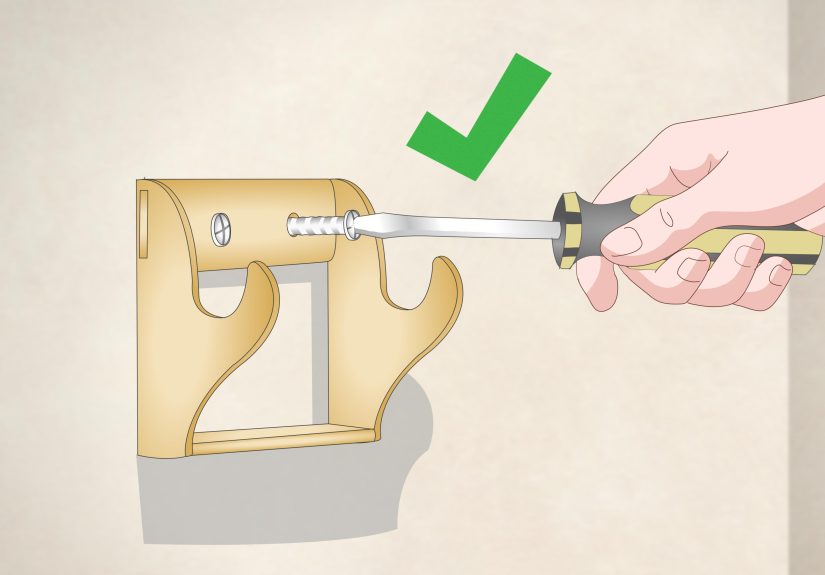
First, decide the display height. Eye level is usually best, but place the sword high enough that it cannot be easily reached by children. Hold the rack against the wall and use a level to make sure it is straight. Mark the screw holes with a pencil.
Next, check for studs. If the rack holes line up with studs, use screws appropriate for the rack and wall. If not, use wall anchors rated for more than the combined weight of the rack and sword. Do not rely on small picture hooks unless the sword is extremely lightweight and the manufacturer specifically allows that type of support.
After installing the rack, gently place the sword on the supports. Make sure the blade or scabbard rests evenly. If the sword can roll, slide, or tilt forward, add soft, non-abrasive padding to the contact points or use a rack with a retaining lip. The sword should not wobble when the wall is lightly tapped nearby.
Best Use Cases for Horizontal Displays
A horizontal sword rack works best in offices, dens, game rooms, libraries, and display walls where the sword is meant to be a visual centerpiece. It is ideal for decorative swords and scabbarded blades. If you have more than one sword, a tiered horizontal rack can create a collector-style display without making the wall look crowded.
The main downside is that a horizontal sword takes up more wall width. Measure carefully before installing. A long sword on a narrow wall can look less “majestic armory” and more “why is the hallway wearing a belt?”
Way 2: Hang a Sword Vertically with Wall Hooks or Brackets
Vertical sword mounting gives a strong, dramatic look. Instead of stretching across the wall, the sword points up or down and becomes a tall design element. This method can work beautifully for fantasy-inspired rooms, compact spaces, symmetrical displays, or pairs of crossed decorative swords.
Why Choose a Vertical Sword Display?
A vertical display saves horizontal wall space and draws the eye upward. It can make a room feel taller and more organized. This method is especially useful when you want to display one sword in a corner, beside a bookshelf, near a framed print, or as part of a themed gallery wall.
Vertical mounts often use hooks, brackets, or custom hangers that support the sword near the guard, handle, or scabbard. Some designs include a lower support point to prevent swinging. For safety, that lower stabilizer matters. A sword that hangs from only one point may rotate, slip, or knock against the wall when doors close or people walk by.
How to Install Vertical Sword Hooks
Start by deciding whether the sword will hang blade-up or blade-down. For safety and appearance, many people prefer displaying a scabbarded sword vertically with the handle upward. If the sword is unsheathed, open wall display may not be appropriate in a household setting. A display case is usually safer.
Mark the top mounting point first. Use a stud finder if possible. If you cannot mount into a stud, select anchors suitable for the wall type and weight. Install the upper bracket securely, then place the sword gently to determine where the lower stabilizer should sit. The lower support should keep the sword from swinging without pressing aggressively into the blade, guard, or scabbard.
Use a level or plumb line to keep the sword straight. This step is important because a slightly crooked vertical sword is immediately noticeable. It will bother you every time you walk past it. It may even become the only thing you see in the room, like a tiny visual mosquito.
Tips for Crossed Sword Displays
Crossed swords can look impressive, but they require careful balance. Use a central plaque or mounting board whenever possible. A backing board lets you attach the swords to a solid surface first, then secure the board to studs. This is often more stable than trying to align multiple hooks directly on drywall.
Keep the tips and handles clear of walking paths. Crossed displays can project outward more than expected. Also, avoid placing crossed swords where someone might grab them as a joke or bump into them during a party. “It looked cool” is not a great emergency-room explanation.
Way 3: Display a Sword in a Shadow Box or Wall Case
A shadow box or wall-mounted display case is the safest and most polished way to hang swords on the wall. This method encloses the sword behind glass or acrylic, often with a backing material such as fabric, wood, or foam board. It is the best choice for valuable swords, sentimental pieces, sharp blades, or homes with children and pets.
Why Choose a Sword Display Case?
A case protects the sword from dust, fingerprints, accidental handling, and moisture changes. It also gives the display a museum-like appearance. Instead of looking like an object simply placed on a wall, the sword becomes part of a finished presentation.
Shadow boxes are especially useful for swords with history. You can include a small label, a photo, a certificate, a patch, or a short description of the sword’s background. For example, a ceremonial sword can be displayed with a nameplate and date. A replica sword from a favorite film or game can be paired with tasteful artwork or a quote card. Keep it classy; the goal is “curated collection,” not “theme restaurant lobby.”
How to Mount a Sword in a Shadow Box
Choose a case deep enough for the sword and any scabbard, guard, or decorative fittings. The sword should not press against the front panel. Inside the case, use non-abrasive supports that hold the sword securely without scratching the finish. Soft-lined brackets, padded rests, or fabric-covered supports are common choices.
Once the sword is secured inside the case, mount the case to the wall like a heavy framed object. Use studs whenever possible. If studs are not available, use heavy-duty anchors rated for the full case weight. Remember that the case may weigh more than the sword itself. Glass, wood, backing material, and hardware add up quickly.
Use two mounting points or a French cleat-style hanger for better stability. A French cleat spreads the load across a wider area and helps the case sit flush against the wall. After installation, check that the case is level and that the door or front panel closes securely.
Best Use Cases for Shadow Boxes
Use a shadow box when safety, preservation, and presentation matter most. This method is excellent for heirlooms, awards, military-style ceremonial pieces, antique replicas, and sharp collectibles. It is also the best option if the sword will be displayed in a living room or public area where guests might otherwise be tempted to touch it.
The downside is cost and installation effort. A display case requires more planning, stronger hardware, and more wall space depth. However, the finished result often looks more professional than open hooks or racks.
How to Choose the Best Sword Wall Display Method
The right method depends on the sword, the room, and your safety needs. A horizontal rack is simple and elegant. Vertical hooks are dramatic and space-saving. A shadow box is safest and most refined. If the sword is lightweight, blunt, and decorative, an open rack may be enough. If it is sharp, expensive, rare, or meaningful, choose a case.
Think about the room’s style as well. Traditional interiors often pair well with wood racks and warm finishes. Modern rooms may look better with matte black brackets or minimalist wall cases. A fantasy-themed room can handle a more theatrical display, but restraint still helps. One well-placed sword looks intentional. Twelve random swords on every wall may make guests wonder whether they should have brought a shield.
Common Mistakes to Avoid When Hanging Swords
Using Weak Hardware
The most common mistake is using hardware meant for lightweight pictures. Swords may not seem heavy, but the length and shape create leverage. Always consider the total weight of the sword, rack, case, and mounting hardware. Use studs or proper anchors whenever possible.
Ignoring Wall Studs
Studs are your best friend when hanging anything heavy or valuable. A screw driven into a stud has much more holding power than a screw placed only in drywall. If the mount does not align with studs, consider attaching a decorative backing board to studs, then mounting the sword rack to the board.
Displaying Sharp Blades in Reach
Even if a sword is part of a collection, it should not be easy to grab. Keep displays out of reach of children and away from seating areas. For sharp swords, enclosed cases are strongly recommended.
Forgetting About Humidity and Sunlight
Direct sunlight can fade handles, scabbards, and decorative finishes. Humidity can encourage rust or damage organic materials such as leather and wood. Avoid bathrooms, damp basements, and sunny windows. A sword may look heroic in a beam of sunlight, but the finish may not enjoy the spotlight.
Mounting Too High or Too Low
A sword mounted too high is hard to appreciate. A sword mounted too low can become a hazard. Aim for a balanced display height that looks natural while keeping safety in mind. In most rooms, slightly above eye level works well for decorative displays.
Design Ideas for a Better Sword Wall Display
A sword display should complement the room, not overpower it. Place the sword against a clean background so the shape stands out. Avoid busy wallpaper or cluttered gallery walls unless the sword is part of a carefully planned arrangement.
Lighting can help, but keep it soft. A small picture light, indirect LED strip, or nearby lamp can highlight the display without turning the wall into a stage production. If the sword has metal details, angled light can create attractive reflections. Just avoid harsh glare, especially with glass display cases.
For a historical look, pair the sword with a framed map, crest-style artwork, or small plaque. For a modern look, use a simple mount and plenty of empty wall space. For a collector look, group similar items symmetrically. Symmetry makes sword displays feel organized rather than chaotic.
Experience-Based Tips: What People Learn After Hanging Swords on the Wall
After helping plan and review many home display setups, one lesson becomes obvious: the mounting hardware is rarely the glamorous part, but it is always the part that matters most. People often spend hours choosing the perfect sword angle, then five minutes choosing screws. That order should be reversed. The display will only look good if it stays exactly where you put it.
A good experience starts with laying everything out before drilling. Place the sword on the floor below the wall and test different positions. Take a step back. Look from the doorway. Look from the main seating area. A sword that seems centered up close may look oddly placed from across the room. Painter’s tape can help you outline the sword’s length on the wall before committing to holes.
Another practical lesson: mounting boards solve many problems. If your rack does not line up with studs, do not panic. A stained or painted wooden board can be attached securely to studs, and then the sword mount can be attached to the board. This adds strength and can make the display look more intentional. It also spreads the visual weight, which is helpful for long swords that might otherwise look like they are floating awkwardly.
People also learn that open sword displays collect dust faster than expected. Dust loves dramatic objects. It gathers near guards, handles, scabbard fittings, and decorative grooves. If easy cleaning matters, a shadow box or display case saves time. If you prefer an open rack, plan to dust gently with a soft cloth. Avoid harsh cleaners unless you know the sword’s materials can handle them.
Room traffic matters more than most beginners think. A sword may look perfect in a narrow hallway until someone carrying a laundry basket brushes against it. It may look great near a door until the door vibration slowly shifts the mount. Choose a calmer wall whenever possible. The best sword display is visible but not vulnerable.
Height is another detail people adjust after living with the display for a week. Too low feels unsafe. Too high feels disconnected from the room. A good rule is to treat the sword like art: it should relate to the furniture and wall around it. Above a console table, center it with the table. In an office, align it with shelves or framed art. In a game room, give it its own zone.
Finally, the best sword wall displays have a reason behind them. Maybe the sword represents a hobby, a favorite story, a martial art, a historical interest, or a family memory. Add context with a small label or nearby artwork. You do not need to turn your living room into a museum, but a little storytelling makes the display feel personal. Without context, guests may simply ask, “So… why is there a sword?” With context, the sword becomes a conversation piece instead of a mystery with a handle.
Conclusion
There are three smart ways to hang swords on the wall: a horizontal rack, a vertical hook system, or a shadow box display case. A horizontal sword rack is simple, balanced, and traditional. Vertical mounting is bold and space-saving. A display case offers the best protection and safety, especially for sharp, valuable, or sentimental swords.
No matter which method you choose, focus on secure hardware, safe placement, and clean presentation. Use studs when possible, choose anchors carefully when needed, and keep swords out of reach in homes with children or pets. A sword wall display should feel impressive, not risky. Done well, it can turn an ordinary wall into a striking design feature with history, character, and just enough drama to make your bookshelf feel underdressed.
Note: This article is written for safe decorative display and home organization purposes only. It does not encourage handling, carrying, or using swords as weapons.






 Close
Close