
Table of Contents >> Show >> Hide
- Why Remove a Tree Stump in the First Place?
- Before You Start: Safety and Site Planning
- Method 1: Stump Grinding
- Method 2: Manual Stump Removal
- Method 3: Natural Decay
- Method 4: Chemical Stump Treatments
- Method 5: Burning a Tree Stump
- When to Hire a Professional
- What to Do After the Stump Is Removed
- Can You Plant a New Tree Where the Old Stump Was?
- Common Mistakes to Avoid
- Which Tree Stump Removal Method Is Best?
- Experience Notes: Real-World Lessons From Tree Stump Removal
- Conclusion
Tree stumps are the leftovers nobody invites to the landscaping party. One day you remove a dead, leaning, or badly placed tree, and the next day you are left with a stubborn wooden ankle-breaker sitting in the yard like it pays rent. It catches the lawn mower, attracts insects, sprouts weird little shoots, and quietly ruins your dream of a smooth lawn, garden bed, patio, or clean curb appeal.
The good news? Removing a tree stump is absolutely possible. The slightly less glamorous news? There is no one-size-fits-all method. The best stump removal strategy depends on the stump’s size, tree species, root system, location, budget, timeline, and what you plan to do with the area afterward. A tiny ornamental tree stump near a flower bed is a very different project from a mature oak stump sitting beside a driveway, underground utilities, and your neighbor’s prize hydrangeas.
This comprehensive guide to removing tree stumps explains the safest and most practical options: stump grinding, manual removal, natural decay, chemical stump treatment, professional removal, and creative ways to reuse a stump when removal does not make sense. Think of it as your stump-removal roadmap, minus the internet myths that promise a vanishing stump by Tuesday.
Why Remove a Tree Stump in the First Place?
A stump may look harmless, but leaving it in place can create long-term headaches. In a lawn, a stump becomes a tripping hazard and makes mowing awkward. In a garden bed, it can compete with new plants as old roots slowly decay. Some tree species send up suckers from the remaining root system, which means your “removed” tree may attempt a dramatic comeback.
Old stumps can also invite ants, termites, beetles, fungi, and other decomposers. Not every insect in a stump is a disasternature does enjoy recyclingbut a decaying stump near a house, deck, fence, or shed deserves attention. If the stump is in the way of a new patio, walkway, fence line, driveway expansion, vegetable garden, or play area, removing it early saves work later.
Before You Start: Safety and Site Planning
The most important step in tree stump removal happens before anyone grabs a shovel, rents a grinder, or starts feeling overly confident after watching a three-minute video. First, identify what is around and under the stump. Buried gas, electric, water, cable, irrigation, and drainage lines may be closer to the stump than you think. Tree roots can grow around utilities, and soil movement over time can shift things underground.
In the United States, homeowners should contact 811 or the local call-before-you-dig service before any digging or grinding project. Even a shallow project can become dangerous if it hits a buried line. Mark sprinklers, landscape lighting, invisible dog fence wires, drain pipes, and any private lines that utility marking services may not locate.
Also look up. Is the stump near a fence, window, slope, retaining wall, septic field, pool, or foundation? Is there enough room for equipment? Will wood chips fly toward people, cars, or glass? Stump removal is not the time to discover that “probably fine” is not a safety plan.
Method 1: Stump Grinding
Stump grinding is one of the fastest and most common ways to remove a visible tree stump. A stump grinder uses a rotating cutting wheel to reduce the stump into wood chips below ground level. For many homeowners, this is the best balance of speed, effectiveness, and yard repair.
Best For
Stump grinding works well for medium to large stumps, multiple stumps, front-yard eyesores, lawn restoration, and areas where you want the stump gone quickly without digging out the entire root system.
What to Know
Grinding usually removes the stump below the soil surface, but it does not remove every root. For most lawns and beds, that is fine. The remaining roots decay underground over time. However, if you are installing a foundation, driveway, pool, or other heavy structure, ask a contractor whether deeper excavation is required.
Stump grinders are powerful machines. They can throw rocks, metal, and wood debris. Professional operators use protective equipment, guards, careful site inspection, and controlled technique. Renting a grinder may be possible in some areas, but it is not automatically a beginner-friendly weekend chore. For large hardwood stumps, stumps near utilities, or tight spaces, hiring a professional is usually the smarter move.
Pros
Grinding is fast, efficient, and cleaner than full excavation. It leaves useful wood chips that can sometimes be reused as mulch after aging, depending on where they are placed. It also minimizes soil disturbance compared with ripping out the entire root system.
Cons
Grinding can be noisy and messy. It may leave a mound of chips mixed with soil, and the area can settle later as underground wood decomposes. You may need to remove excess chips, add topsoil, and re-seed or replant the area.
Method 2: Manual Stump Removal
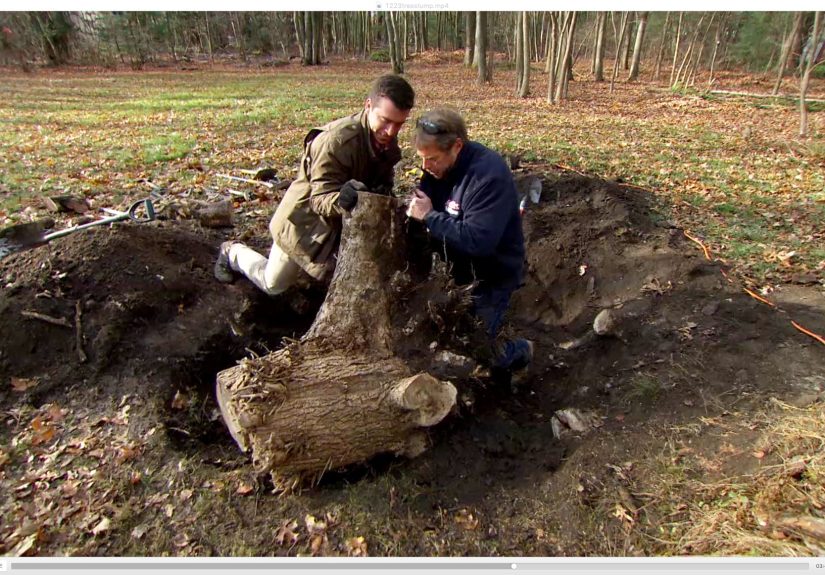
Manual removal means digging around the stump, exposing roots, cutting or severing them, and removing the stump from the ground. This method is old-fashioned, sweaty, and honest. It is also the method most likely to make you question your life choices if the stump is larger than expected.
Best For
Manual removal is best for small stumps, young trees, shallow-rooted species, loose soil, and locations where equipment cannot fit. It can be useful when you want to remove the root ball more completely than grinding would.
What to Know
Manual stump removal becomes much harder with large hardwoods, clay soil, deep taproots, rocks, compacted ground, and mature root systems. A stump that looks small above ground may have a surprisingly determined underground personality.
For safety, avoid pulling stumps with vehicles, especially with chains or ropes under tension. That kind of shortcut can damage vehicles, snap hardware, injure people, or tear up the yard. If the stump does not come out with reasonable digging and leverage, it is probably time to choose grinding or professional help.
Pros
Manual removal costs little in materials, creates no chemical concerns, and can remove more root mass than grinding. It is also practical for small landscape trees, saplings, and shrubs.
Cons
It is labor-intensive and slow. It can disturb nearby plants and soil structure. For large stumps, manual removal can become unrealistic without specialized equipment.
Method 3: Natural Decay
Natural decay is the patient gardener’s method. Instead of forcing the stump out immediately, you help nature break it down. Fungi, bacteria, moisture, oxygen, and insects gradually soften the wood until it becomes easier to chop, crumble, cover, or incorporate into the landscape.
Best For
Natural decay is best for stumps in low-traffic areas, woodland edges, informal gardens, wildlife-friendly yards, and spaces where time is not urgent. If the stump is not a hazard and not blocking a project, letting it decompose may be perfectly reasonable.
How to Encourage Decay Safely
The goal is to keep the stump moist, increase surface exposure, and support the organisms that break down wood. Gardeners often cover the stump with compost, mulch, soil, or organic matter. Some drill holes to increase surface area, but avoid turning the project into a tool-safety experiment. The larger and denser the stump, the longer decay will take.
Natural decomposition can take years, especially for dense hardwoods. Softwoods, smaller stumps, and already-dead stumps usually break down faster. Moisture helps, while dry, exposed stumps can sit around like wooden fossils.
Pros
This method is low-cost, low-noise, and environmentally gentle. It avoids heavy equipment and chemical herbicides. It can also support beneficial soil life when managed away from structures.
Cons
It is slow. The stump remains visible for a long time, and the area may attract insects or fungi. It is not ideal for formal lawns, walkways, patios, or high-use spaces.
Method 4: Chemical Stump Treatments
Chemical stump removal is often misunderstood. Many products do not magically dissolve a stump. Instead, they may help accelerate drying or decomposition, or they may kill living tissue to reduce resprouting. Some products are designed to help seasoned wood break down more easily; others are herbicides used to stop regrowth from freshly cut stumps.
Best For
Chemical treatments may be useful for stumps from trees that resprout aggressively, such as certain invasive or fast-growing species. They may also be used when the stump will remain in place while decomposition occurs gradually.
Important Safety Notes
Always follow the product label. Herbicides such as glyphosate or triclopyr may be used in some cut-stump treatments, but they must be handled carefully and legally. Products can harm nearby desirable plants if misapplied, and some chemicals may move through connected roots or soil depending on the product and site conditions.
Chemical stump removers that contain decomposition accelerators still require time, moisture, and physical cleanup. They are not a substitute for grinding when you need an area cleared quickly. Keep children, pets, and edible crops away from treated areas according to label directions.
Pros
Chemical treatment can reduce sprouting and may speed up eventual removal. It is less physically demanding than digging and less expensive than some professional services.
Cons
It is slow, product-dependent, and not ideal near sensitive plants, water features, vegetable gardens, or areas where chemical use is restricted. It also does not remove the stump immediately.
Method 5: Burning a Tree Stump
Burning is often discussed online, but it is rarely the best first choice. Local fire codes, drought conditions, air-quality rules, HOA restrictions, and safety risks can make burning illegal or dangerous. A stump can smolder underground, especially when roots extend into dry soil or organic matter. That is not yard cleanup; that is a bad day with smoke.
If burning is allowed in your area, it should only be considered with proper local approval and strict safety controls. For most residential yards, stump grinding, manual removal, professional excavation, or natural decay are safer and more predictable options.
When to Hire a Professional
Professional stump removal is worth considering when the stump is large, close to buildings, near utilities, surrounded by hardscape, located on a slope, or part of a larger tree removal project. Pros bring the right grinder, protective equipment, experience, and cleanup plan.
Before hiring, ask whether the quote includes stump grinding, surface-root grinding, debris cleanup, backfilling, topsoil, and lawn repair. Tree removal and stump removal are often priced separately, so do not assume the stump disappears just because the tree did. A good written estimate should describe the depth of grinding, what happens to the chips, and whether the contractor will level the site afterward.
What to Do After the Stump Is Removed
Once the stump is gone, the work is not quite finished. The leftover hole or depression needs attention. Remove excess wood chips if you plan to grow grass or install plants. Too many fresh chips mixed into soil can temporarily tie up nitrogen as they decompose, which may make new plants struggle.
Backfill the area with quality topsoil, tamp lightly, and water to help the soil settle. Expect some sinking over time, especially if roots remain underground. You may need to add more soil later. For lawns, rake the area smooth, seed it, and keep it evenly moist until grass establishes. For garden beds, add compost and choose plants suited to the light, drainage, and available root space.
Can You Plant a New Tree Where the Old Stump Was?
You can, but it is usually better not to plant a new tree directly in the exact same spot. The soil may contain old roots, compacted areas, decaying wood, pest issues, disease concerns, or nutrient imbalances. If the previous tree died from a disease, poor drainage, or soil problem, planting the same type of tree in the same place can repeat the problem with impressive efficiency.
If space allows, plant the new tree several feet away from the old stump location. Improve the soil, remove large wood debris, and choose a species suited to the site. Right plant, right place is still the golden rule. A tree planted where it can mature without fighting sidewalks, roofs, power lines, or foundations is a future gift to yourself.
Common Mistakes to Avoid
Ignoring Underground Utilities
Never assume a stump area is clear just because a tree grew there. Utility marking is a basic safety step, not optional paperwork.
Choosing the Cheapest Method Without Considering Time
Natural decay and chemical decomposition may cost less upfront, but they take longer. If you need the area ready for a patio next month, a slow method will not fit the project.
Leaving Too Many Wood Chips in the Planting Area
Wood chips are useful on top of soil as mulch, but a thick pile mixed into the planting zone can affect nitrogen availability and cause settling.
Assuming All Stumps Behave the Same
Pine, maple, oak, willow, ash, pear, and invasive tree species can differ in wood density, root habits, decay speed, and regrowth potential.
Using Internet “Hacks” Without Checking Safety
Bleach, diesel fuel, uncontrolled fire, vehicle yanking, and mystery chemical cocktails are not smart stump removal methods. Your yard is not a science fair volcano.
Which Tree Stump Removal Method Is Best?
For most homeowners, the best method is determined by the answer to one question: what do you need the space to become?
If you want a smooth lawn quickly, stump grinding is usually the winner. If the stump is small and accessible, manual removal may be practical. If the stump is in a natural area and not causing trouble, natural decay may be enough. If the tree is likely to resprout, a carefully selected cut-stump herbicide treatment may be appropriate. If the stump is large, risky, or close to important structures, hire a professional.
There is no shame in choosing the easiest safe option. The stump will not admire your toughness. It will simply sit there, being a stump.
Experience Notes: Real-World Lessons From Tree Stump Removal
One of the biggest lessons from real stump removal projects is that the visible stump is only the preview. The root system is the full movie, and sometimes it has sequels. A small stump from a young ornamental tree may come out after careful digging and steady patience. A mature hardwood stump, however, can feel like it was installed by ancient engineers with a personal grudge against shovels.
Another practical lesson is that timing matters. If a tree has just been removed and the stump is still fresh, it may be more likely to resprout depending on species. This is when homeowners often notice little green shoots popping up around the stump or even several feet away. Mowing them repeatedly may weaken them over time, but aggressive species often need a more intentional control plan. On the other hand, an old dead stump that has been weathering for years may already be soft enough to break apart or grind more easily.
Soil conditions can change the whole project. Sandy soil is usually easier to dig than dense clay packed around roots like concrete. Rocky soil can make manual removal miserable and stump grinding more complicated because hidden stones can become dangerous projectiles. Wet soil may make digging easier in some cases, but it can also turn the site into a slippery mess and increase compaction if heavy equipment is used.
Cleanup is another area where people underestimate the work. Grinding a stump does not make it disappear into a tidy little cloud. It creates chipssometimes a lot of chips. Those chips may look like free mulch, and they can be useful, but fresh wood chips should be managed thoughtfully. In a lawn area, removing excess chips and replacing them with topsoil gives grass a better chance. In a shrub bed, chips can be spread on top as mulch, kept away from plant crowns and building foundations.
Homeowners also learn quickly that stump removal is easier when planned during tree removal. If you are hiring a tree service, ask about stump grinding before the crew arrives. It is often more efficient to handle the stump while access is clear and debris is already being managed. Be specific: do you want the stump ground just below grade, deeper for replanting, or along with visible surface roots? Clear expectations prevent the classic “I thought that was included” conversation.
Finally, the best-looking results usually come from repairing the site, not just removing the stump. Level the area, improve the soil, water it in, and give the ground time to settle. Whether you plant grass, flowers, shrubs, or a new tree nearby, the finished space should look intentional. The goal is not merely to defeat the stump. The goal is to make the yard look like the stump was never there, except in your memory, where it can remain as a small wooden villain you bravely outsmarted.
Conclusion
Removing a tree stump is part landscaping project, part safety planning, and part patience test. The right method depends on the stump’s size, location, condition, and your future plans for the space. Stump grinding is fast and effective for many yards. Manual removal works for small stumps. Natural decay is low-cost but slow. Chemical treatments may help with decomposition or regrowth control when used properly. Professional removal is the best choice when the stump is large, risky, or close to utilities and structures.
Before starting, check for underground utilities, evaluate the site, and think about what comes next. A stump in the middle of a future patio needs a different solution than a stump at the edge of a woodland garden. With the right approach, that stubborn chunk of wood can become a smooth lawn, a healthy garden bed, or simply one less thing for your mower to complain about.






 Close
Close