
Table of Contents >> Show >> Hide
- What Is Buttercrunch Lettuce?
- When to Harvest Buttercrunch Lettuce
- Tools You Need Before Harvesting
- Way 1: Harvest the Outer Leaves
- Way 2: Use the Cut-and-Come-Again Method
- Way 3: Harvest the Whole Head
- How to Wash and Store Buttercrunch Lettuce
- Common Mistakes to Avoid
- How to Extend Your Buttercrunch Lettuce Harvest
- Experience-Based Tips for Harvesting Buttercrunch Lettuce
- Conclusion
- SEO Tags
If your garden had a “softest leaf” contest, Buttercrunch lettuce would walk away wearing the crown and probably a tiny salad dressing sash. This beloved butterhead lettuce is famous for its tender, cupped leaves, sweet flavor, and compact rosette shape that makes it look almost too pretty to cut. Almost. Eventually, every gardener must face the delicious question: how do you harvest Buttercrunch lettuce without ruining the plant, wasting leaves, or accidentally turning your crisp salad dream into a bitter green tragedy?
The good news is that Buttercrunch lettuce is wonderfully flexible. You can harvest a few outer leaves for tonight’s sandwich, cut it back for repeat harvests, or take the whole head when it reaches full size. Each method has a purpose, and choosing the right one depends on your garden goals, the weather, and how quickly your household can eat salad before the lettuce drawer becomes a tiny compost experiment.
In this guide, you’ll learn three reliable ways to harvest Buttercrunch lettuce: picking outer leaves, using the cut-and-come-again method, and harvesting the entire head. You’ll also learn when to harvest, how to keep leaves crisp, what mistakes to avoid, and how to stretch your harvest for as long as possible. Grab a clean pair of scissors, a bowl, and maybe a little confidence. Your lettuce is ready for its close-up.
What Is Buttercrunch Lettuce?
Buttercrunch lettuce is a type of butterhead lettuce, sometimes grouped with Bibb-style lettuces. It forms a loose, rounded head with tender outer leaves and a sweet, pale heart. Unlike crisphead lettuce, which grows into a dense, tight ball, Buttercrunch stays softer and more open. That loose structure is part of what makes it so easy for home gardeners to harvest in different ways.
The leaves are broad, slightly crinkled, and buttery in texture. The flavor is mild, sweet, and less watery than some loose-leaf varieties. Buttercrunch is especially useful in home gardens because it can be harvested young as baby leaves or allowed to mature into small heads. In many gardens, mature heads are ready roughly 55 to 70 days after sowing, though temperature, sunlight, watering, soil fertility, and spacing can all speed things up or slow them down.
Because lettuce is a cool-season crop, Buttercrunch usually performs best in spring and fall. It can tolerate some warmth better than many delicate lettuces, but it is not a fan of blazing summer afternoons. When heat and long days push the plant to bolt, it sends up a flowering stalk, and the leaves often become tougher and more bitter. That is your lettuce saying, “I am done being salad; I am now trying to become seed.”
When to Harvest Buttercrunch Lettuce
The best time to harvest Buttercrunch lettuce is when the leaves are tender, crisp, and large enough to use. For baby leaves, you can begin once the plant has several healthy leaves that are at least a few inches long. For full heads, wait until the plant forms a loose, rounded rosette that feels full but not hard. Butterhead lettuce should not be squeezed like a cabbage; it will not form that kind of dense head.
Morning is usually the best time to harvest. Lettuce leaves are naturally cooler and more hydrated early in the day, especially if the plant was watered consistently. By afternoon, heat and sun can make leaves softer or slightly wilted. Harvesting in the morning gives you the crispest texture and the longest storage life.
Watch the plant closely as the weather warms. If the center begins stretching upward, the stem thickens, or the plant starts looking tall instead of compact, bolting may be starting. At that point, harvest immediately if the leaves still taste good. A quick taste test is more useful than garden panic. If the flavor is still mild, use the leaves. If they have turned unpleasantly bitter, it may be time to compost the plant and start a new crop in cooler weather.
Tools You Need Before Harvesting
Harvesting Buttercrunch lettuce is not complicated, but clean tools make a big difference. Use sharp kitchen scissors, garden snips, or a clean harvest knife. Dull tools crush stems and bruise leaves, which can reduce storage life. A small basket, bowl, or colander is helpful for carrying leaves without smashing them.
Wash your hands before harvesting, especially if you plan to eat the lettuce fresh. If the leaves are wet from rain, irrigation, or dew, handle them gently. Wet leaves bruise more easily and may spoil faster in storage. If you are harvesting for immediate eating, a little moisture is not a disaster. If you want to store the lettuce, let the leaves dry before bagging, or use a salad spinner after rinsing.
Way 1: Harvest the Outer Leaves
The outer-leaf method is the best choice when you want fresh lettuce over several days or weeks without removing the whole plant. It is also the easiest method for beginners because it lets the plant keep growing from the center. Think of it as giving your lettuce a haircut around the edges instead of a full buzz cut.
How the Outer-Leaf Method Works
Buttercrunch lettuce grows from a central crown. The youngest leaves develop in the middle, while older, larger leaves spread outward. By removing the outer leaves and leaving the center intact, you allow the plant to continue producing new growth. This method works especially well when the weather is cool and the plant is actively growing.
Step-by-Step Instructions
Start by choosing the largest outer leaves. Look for leaves that are crisp, clean, and long enough to use in a salad, sandwich, wrap, or burger. Hold one leaf near its base and either pinch it off carefully or cut it close to the stem with scissors. Try not to tug hard, because pulling can loosen the whole plant from the soil.
Move around the plant evenly instead of stripping one side bare. Leave the inner leaves untouched so they can keep growing. As a general rule, avoid removing more than one-third of the plant at one time. If you take too many leaves at once, the lettuce may struggle to recover, especially during warm weather.
After harvesting, water the plant if the soil is dry. Lettuce needs consistent moisture to stay tender and avoid stress. Stressed lettuce is more likely to taste bitter, grow slowly, or bolt early. A light feeding with compost tea or a balanced organic fertilizer may help if the leaves look pale, but do not overdo nitrogen late in the season or you may get lush leaves that are more attractive to pests.
Best Uses for Outer Leaves
Outer leaves are perfect for everyday kitchen use. Use them in sandwiches, tacos, grain bowls, wraps, egg salad, tuna salad, or quick side salads. Buttercrunch leaves are naturally cup-shaped, which makes them excellent for lettuce cups filled with chicken, tofu, beans, rice, or chopped vegetables. They are sturdy enough to hold fillings but tender enough that eating them does not feel like chewing through a raincoat.
Pros and Cons
The main benefit of harvesting outer leaves is continuous production. You can pick what you need and let the plant keep growing. This reduces waste and keeps your garden productive longer. The downside is that you must check plants regularly. If you forget about them for too long, they may become oversized, tough, or start bolting before you get the best flavor.
Way 2: Use the Cut-and-Come-Again Method
The cut-and-come-again method is ideal when you want a larger harvest of young leaves but still hope for regrowth. Instead of removing individual leaves, you cut the plant back above the growing point. If conditions are right, the lettuce sends out new leaves for another round.
How Cut-and-Come-Again Works
With this method, you cut the leaves about 1 to 2 inches above the soil line, leaving the crown intact. The crown is the plant’s growth center. If you cut too low and damage it, the plant may not regrow. If you cut too high, you may leave too much old stem and reduce the quality of the next flush of leaves.
This approach is especially useful for closely spaced Buttercrunch lettuce grown for baby greens. It also works well in raised beds, containers, and small-space gardens where you want maximum salad from limited square footage. In cool weather, regrowth may be ready in two to three weeks. In warmer weather, the second harvest may be smaller or more prone to bitterness.
Step-by-Step Instructions
Choose a plant or section of plants with leaves about 6 to 10 inches tall. Gather the leaves gently with one hand, like you are making a tiny lettuce ponytail. With clean scissors or a sharp knife, cut straight across the plant about 1 to 2 inches above the soil surface. Do not slice into the crown.
Place the harvested leaves in a clean bowl or basket. Remove any damaged, yellow, or pest-chewed leaves. After harvesting, water the bed gently. Keeping the soil evenly moist helps the plant recover and encourages new leaf growth. If you are growing in a container, check moisture more often because pots dry out faster than garden beds.
Wait until the new leaves reach usable size before cutting again. Avoid repeated cutting once plants look weak, stretched, or stressed. Usually, one strong regrowth harvest is realistic, and sometimes you may get a third harvest in excellent cool conditions. But lettuce is not a magic salad machine forever. Eventually, quality drops, and it is better to replant.
Best Uses for Cut-and-Come-Again Lettuce
This method gives you tender leaves for salads, smoothies, spring rolls, soft tacos, and quick lunch bowls. Because the leaves are younger, they are usually milder and more delicate than full-size outer leaves. They also mix beautifully with spinach, arugula, radishes, herbs, and edible flowers if you enjoy making salads that look like they belong in a garden magazine.
Pros and Cons
The cut-and-come-again method is fast, efficient, and satisfying. It gives you a generous harvest at once without ending the plant’s life immediately. The main risk is cutting too low. Another drawback is that regrowth depends heavily on weather. If temperatures rise quickly after the first cut, the plant may bolt instead of producing a beautiful second harvest.
Way 3: Harvest the Whole Head
Harvesting the whole head is the best method when your Buttercrunch lettuce is fully mature, the weather is getting hot, or you need a clean, complete harvest for a meal, market basket, or refrigerator storage. This is the grand finale method. The lettuce has performed. The curtain is closing. Applause is appropriate.
How to Know the Head Is Ready
A mature Buttercrunch lettuce head should look full, rounded, and loosely formed. The outer leaves will spread outward, while the inner leaves form a tender, pale heart. The head should feel substantial but not tight or hard. If the plant is still very small, give it more time unless you want baby lettuce. If the stem is elongating or the center is rising, harvest right away before quality declines.
Step-by-Step Instructions
Hold the head gently with one hand. With a sharp knife, cut the stem at the base just above the soil line. Try to make one clean cut. Lift the head carefully and shake off loose soil. Remove any damaged outer leaves, but do not peel away too many good leaves unless they are dirty or tough.
If you want to experiment with possible regrowth, you can leave a small stump and the root system in place. Sometimes the plant will push out small new leaves from the base. However, for the highest-quality harvest, treat the whole-head cut as the final harvest and replant the space with another cool-season crop, herbs, or a new round of lettuce if the weather allows.
Best Uses for Whole-Head Buttercrunch
Whole heads are perfect when you want beautiful presentation. Use the outer leaves for wraps and lettuce cups, and save the tender inner heart for salads where texture matters. Buttercrunch pairs well with lemon vinaigrette, ranch-style dressings, soft herbs, cucumbers, avocado, grilled chicken, boiled eggs, chickpeas, toasted nuts, and fresh berries. Its mild flavor plays nicely with both creamy and bright dressings.
Pros and Cons
The biggest advantage of whole-head harvesting is quality control. You capture the plant at peak maturity and avoid losing it to heat, pests, or bolting. It is also the easiest method for cleaning and storing a complete head. The drawback is obvious: once you cut the full head, that plant is mostly finished. If you want ongoing harvests, use the outer-leaf method first, then harvest the head later.
How to Wash and Store Buttercrunch Lettuce
Freshly harvested Buttercrunch lettuce is delicate, so handle it like something you actually want to eat later. First, remove damaged leaves and visible soil. Rinse leaves in cool water only when you are ready to use them, or rinse and dry thoroughly before storage. Excess moisture trapped in a bag can speed spoilage.
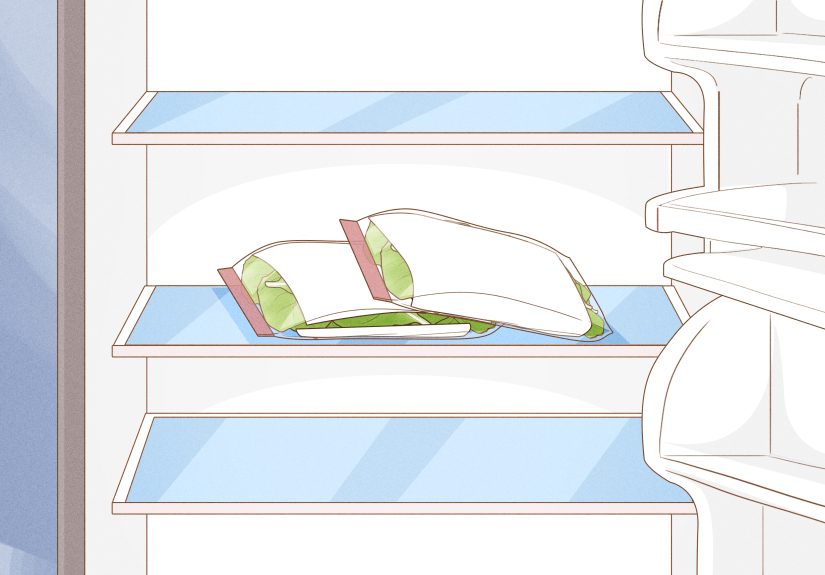
A salad spinner is your best friend here. After rinsing, spin the leaves dry, then spread them briefly on a clean towel if they still feel wet. Store dry leaves in a breathable produce bag, plastic bag with a paper towel, or sealed container lined with a towel. Keep them in the refrigerator crisper drawer. Whole heads generally store better if loosely wrapped and kept cool.
For best flavor and texture, use Buttercrunch lettuce within a few days. Some carefully stored leaves can last longer, but the sweetest experience is always fresh from the garden. Lettuce is not a vegetable that improves with age. It is more like a concert ticket: best enjoyed while the moment is still crisp.
Common Mistakes to Avoid
Harvesting Too Late
Waiting too long is one of the most common mistakes. Once lettuce begins bolting, flavor can decline quickly. If the weather forecast shows a stretch of hot days, harvest sooner rather than later. A slightly smaller sweet head is better than a giant bitter one.
Cutting Too Low
If you want regrowth, do not cut into the crown. Leave 1 to 2 inches above the soil line when using the cut-and-come-again method. For whole-head harvesting, cutting at the base is fine because regrowth is not the main goal.
Removing Too Many Leaves
When picking outer leaves, leave enough foliage for the plant to keep photosynthesizing. A lettuce plant stripped down to three sad center leaves will not thank you with vigorous growth. Take what you need, then let the plant recover.
Ignoring Water Stress
Buttercrunch lettuce needs consistent moisture. Dry soil can lead to tough texture, slow growth, and bitter flavor. Mulch can help keep soil cool and moist, especially in raised beds and containers.
Storing Wet Leaves
Wet lettuce packed tightly in a bag can become slimy. Dry the leaves well before refrigeration. A paper towel in the storage container helps absorb excess moisture and keeps the lettuce crisp longer.
How to Extend Your Buttercrunch Lettuce Harvest
To enjoy Buttercrunch lettuce for more than one glorious salad week, plant in succession. Sow a small batch every 10 to 14 days during cool weather instead of planting all your seeds at once. This creates a steady harvest window and prevents the classic gardener problem of having no lettuce one week and enough lettuce to feed a rabbit convention the next.
Use shade cloth or plant lettuce where it receives morning sun and afternoon shade as temperatures rise. Keep soil evenly moist, and harvest frequently. Regular harvesting encourages you to catch leaves at peak tenderness and reduces waste. In fall, take advantage of cooler temperatures by planting another crop. Many gardeners find fall lettuce sweeter and easier to manage because the weather is moving cooler instead of hotter.
Containers are also excellent for Buttercrunch lettuce. A pot near the kitchen door makes it easy to snip leaves for meals. Choose a container with drainage holes, use quality potting mix, and water consistently. Container lettuce may need more frequent watering than lettuce in the ground, but it also lets you move plants into partial shade when the sun gets too dramatic.
Experience-Based Tips for Harvesting Buttercrunch Lettuce
After watching many home gardeners grow Buttercrunch lettuce, one pattern becomes clear: the best harvest usually goes to the person who checks the plants often. Lettuce rewards attention. You do not need to hover over it like a nervous parent at a school play, but a quick garden walk every morning or two can make the difference between tender leaves and overgrown greens.
One useful habit is to harvest small amounts frequently. Instead of waiting for the “perfect” head, pick a few outer leaves once the plant is well established. This gives you an early taste and helps you learn the plant’s rhythm. You will notice which leaves are sweetest, how fast new growth appears, and how the plant responds after cutting. Gardening becomes easier when you stop treating the seed packet as the only instruction manual and start reading the plant itself.
Another practical lesson is to keep harvest tools nearby. Many gardeners miss the ideal harvest window simply because the scissors are in the garage, the basket is in the kitchen, and motivation has left the building. Keep a clean pair of snips near your garden supplies. When the lettuce looks ready, you can harvest immediately instead of telling yourself you will do it later. Lettuce has heard “later” before, and it often responds by bolting.
For the outer-leaf method, try harvesting from different plants rather than taking heavily from one. If you have six Buttercrunch plants, remove two or three leaves from each instead of twelve leaves from one plant. The bed will stay balanced, the plants will recover more evenly, and your garden will look less like something had a midnight snack attack.
For cut-and-come-again harvesting, timing matters. This method works beautifully when temperatures are mild and plants are actively growing. It is less reliable during hot spells. If a heat wave is coming, harvest the best leaves now. Do not wait for a theoretical second harvest if the weather is about to turn your lettuce patch into a sauna. In gardening, optimism is lovely, but weather usually wins arguments.
For whole-head harvesting, the most useful trick is to harvest before the head looks oversized. Many beginners wait for Buttercrunch to resemble grocery-store iceberg lettuce, but that is not its personality. Buttercrunch forms a loose, tender head. When the leaves are full, the center is cupped, and the plant looks lush but not stretched, it is probably ready. Waiting for a rock-hard head only invites bitterness and bolting.
Storage habits also come from experience. If you harvest in the morning and the leaves are already clean, do not wash them until you need them. Dry-harvested lettuce often stores better than wet leaves. If the lettuce is sandy or muddy and must be rinsed, dry it thoroughly. A salad spinner may seem like a small kitchen tool, but for homegrown lettuce, it is practically a superhero cape.
Finally, taste as you go. Weather, soil, watering, and plant age all affect flavor. A single leaf can tell you whether the crop is still sweet or starting to decline. If the flavor is excellent, keep harvesting. If it is turning bitter, harvest what you can use and replant when conditions improve. Buttercrunch lettuce is generous, but it is also seasonal. Respect that timing, and it will give you some of the best salads your garden can offer.
Conclusion
Buttercrunch lettuce is one of the most rewarding lettuces to grow because it gives gardeners options. You can pick outer leaves for a steady supply, cut the plant back for a generous repeat harvest, or harvest the whole head at peak maturity. The secret is to match the method to your goal. Need lettuce for tonight’s sandwich? Take outer leaves. Want a bowl of baby greens? Use cut-and-come-again. Seeing warm weather on the forecast? Harvest the whole head before the plant bolts.
For the best results, harvest in the morning, use clean sharp tools, keep the soil consistently moist, and store leaves dry and cool. Most importantly, do not wait too long. Buttercrunch lettuce is at its finest when young, tender, and sweet. Treat it well, harvest it thoughtfully, and your garden will reward you with crisp leaves that make store-bought lettuce seem a little less exciting.
Note: This article is written for web publication and is based on practical home-gardening guidance commonly recommended by U.S. horticulture and university extension resources.







 Close
Close