
Table of Contents >> Show >> Hide
- What Is Edema in Horses, Exactly?
- Common Causes of Edema in Horses
- How to Tell Whether the Swelling Is Mild or Serious
- 3 Ways to Treat Edema in Horses
- Mistakes to Avoid When Treating Edema in Horses
- Practical Prevention Tips
- Conclusion
- Barnside Experiences: What Horse Owners Commonly Learn the Hard Way
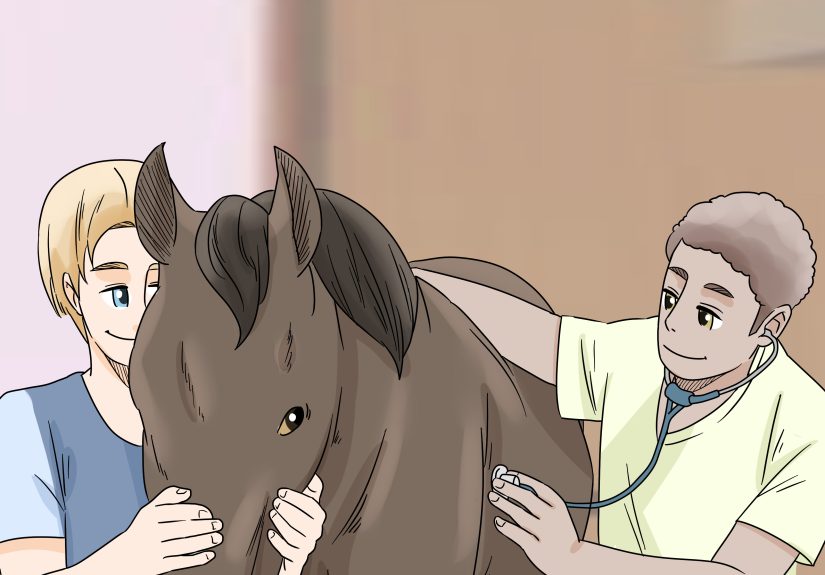
Few things make a horse owner’s stomach drop faster than spotting a leg that suddenly looks like it borrowed extra inches overnight. One minute your horse looks perfectly normal; the next, you are staring at a puffy fetlock, a filled cannon, or a whole limb that seems to have inflated while nobody was looking. Welcome to the confusing world of equine edema.
Edema simply means fluid buildup in the tissues. That sounds neat and tidy on paper, but in real life it can show up for very different reasons. Sometimes it is the equine version of “I stood around too long and now my ankles are puffy,” often called stocking up. Other times it is a warning flare for infection, inflammation, skin disease, lymphatic trouble, injury, or a deeper systemic problem. In other words, edema is not a diagnosis. It is a clue.
That is why treating edema in horses is less about throwing random barn remedies at a swollen leg and more about matching the treatment to the cause. A cool, even swelling in both hind legs after a day of stall rest is a very different beast from a hot, painful, one-sided leg with fever. One may improve with movement. The other may need a veterinarian, antibiotics, anti-inflammatories, drainage, and a serious plan.
This guide breaks the topic into three practical, evidence-based treatment approaches horse owners should know. We will cover when movement helps, when cold therapy and supportive care make sense, and when the right answer is to stop guessing and treat the underlying disease. Think of it as a smarter, calmer, less dramatic way to handle swelling in horses, even when your brain is already halfway to panic mode.
What Is Edema in Horses, Exactly?
Edema happens when fluid leaves blood vessels and collects in surrounding tissues faster than the body can clear it away. Horses are especially prone to lower-leg swelling because gravity is rude, the equine lymphatic system depends heavily on movement, and the lower limbs do not have much soft tissue room to hide excess fluid gracefully.
In practical terms, edema may look like:
- Puffy lower legs after stall confinement
- Swelling around the pastern or fetlock
- A “filled” limb that pits slightly when pressed
- Swelling along the belly, sheath, or chest
- One limb becoming suddenly thick, hot, and painful
The trick is that not all equine swelling is created equal. Some edema is mild and temporary. Some is a medical emergency wearing a swollen disguise.
Common Causes of Edema in Horses
Before talking treatment, it helps to know what you might be treating. Common causes include inactivity-related stocking up, cellulitis, lymphangitis, pastern dermatitis, minor trauma, insect bites, allergic reactions, and chronic lymphatic problems in some breeds. Swelling can also appear with certain toxic plant exposures, tick-borne illness, low blood protein, gastrointestinal disease, or other whole-body illnesses.
That is why “my horse has edema” is not the end of the conversation. It is the opening line.
How to Tell Whether the Swelling Is Mild or Serious
Horse owners do not need to become mini veterinarians overnight, but they should learn the difference between “monitor closely” and “call now.” Mild stocking up is usually cool, even, and not especially painful. It often affects both hind legs, sometimes all four lower legs, and tends to follow stall rest or reduced exercise.
Serious swelling tends to look different. Red flags include:
- One leg much larger than the others
- Heat, pain, or marked tenderness
- Lameness or refusal to bear weight
- Fever, depression, loss of appetite, or lethargy
- Crusts, wounds, drainage, or broken skin
- Swelling that extends up the limb, into the groin, or along the belly
- No improvement, or rapid worsening, over a short period
Those signs shift the conversation away from simple edema treatment and toward finding the real cause.
3 Ways to Treat Edema in Horses
1. Restore Circulation With Safe Movement and Turnout
For uncomplicated stocking up, movement is often the first and best treatment. Horses rely on motion in the hoof, fetlock, tendons, and surrounding tissues to help push lymphatic fluid back up the limb. When a horse stands still for long periods, that natural pumping system gets lazy, and fluid collects in the lower legs.
This is why many horses look puffy after stall rest, bad weather confinement, long trailer rides, or even a lazy day that seemed charming at the time. The swelling is usually symmetrical, cool to the touch, and not associated with pain or obvious lameness.
Helpful options include:
- Turnout in a safe paddock
- Hand-walking
- Light riding, if the horse is otherwise sound
- A gradual return to regular exercise
The goal is not to launch a puffy horse into an Olympic workout. Gentle, consistent movement is usually enough to get fluid moving again. In many cases, owners notice the swelling start to improve within an hour or two of activity.
This approach works best when the swelling is clearly related to inactivity and there are no signs of heat, pain, fever, or significant lameness. If the horse is uncomfortable, one-sided, or dramatically swollen, do not assume more exercise will magically fix it. Sometimes movement is medicine. Sometimes movement is gasoline on the fire.
Long-term prevention matters too. Horses prone to stocking up often benefit from regular turnout, consistent work, and fewer long periods of standing around like furry lawn ornaments. Older horses and those with prior lymphatic damage may need even more help staying moving.
2. Use Cold Therapy, Correct Supportive Care, and Good Skin Management
The second way to treat equine edema is supportive care. This includes cold therapy, careful bandaging when appropriate, and addressing the local conditions that allow swelling to linger. This route is especially useful for mild inflammatory swelling, recovery support, or veterinarian-guided management of more significant limb edema.
Cold Therapy
Cold hosing, hydrotherapy, or cold compression can help reduce heat, discomfort, and tissue swelling. If the limb feels warm or the tissues seem inflamed, cooling the area can be a sensible part of the plan. Cold therapy is commonly used in acute swelling and in veterinarian-managed cellulitis cases as part of a larger treatment strategy.
A typical approach is short, controlled sessions rather than endless soaking that leaves the horse annoyed and the aisle looking like a small river. Keep it simple, keep it clean, and avoid turning a helpful treatment into a soggy inconvenience.
Support Bandaging
Supportive bandaging may help some horses by reducing fluid accumulation and providing gentle compression. That said, wraps are not harmless decorations. Applied incorrectly, they can create pressure points, impair circulation, trap moisture, and make a manageable problem worse. Compression is most useful when done correctly and for the right reason.
If you bandage, make sure the wrap is even, appropriately padded, and checked often. For chronic lymphatic issues, compression bandaging should be directed by a veterinarian or trained professional. “Snug enough to solve everything” is not a real medical measurement.
Skin and Environment Care
Sometimes edema is driven or prolonged by skin trouble rather than simple fluid pooling. Pastern dermatitis, often called scratches or mud fever, can cause swelling, pain, crusting, and secondary infection. Horses living in wet stalls, muddy paddocks, or constantly damp boots are practically sending irritation a written invitation.
Good management includes clipping excess hair if needed, gently cleaning affected skin, drying the area thoroughly, keeping bedding clean, limiting wet turnout when possible, and avoiding wraps or boots that trap moisture. If the skin is cracked, crusted, oozing, or clearly infected, veterinary guidance is important because treatment may need to include topical therapy, systemic medication, or diagnostics.
In chronic progressive lymphedema and similar conditions, supportive care becomes a long game rather than a quick fix. Daily exercise, hygiene, professional compression, parasite control, and ongoing skin management may all be part of the routine.
3. Treat the Underlying Cause Instead of Treating the Puffiness Alone
This is the most important treatment strategy of all. If edema is linked to infection, lymphatic disease, skin disease, toxin exposure, tick-borne illness, low protein, or another internal problem, the swelling itself is only a symptom. You can ice, wrap, and admire your effort all day, but the edema will keep coming back until the root problem is addressed.
When Infection Is the Culprit
Cellulitis is a classic example. It often affects one limb, develops fast, and can cause severe swelling, heat, pain, and lameness. Horses may have fever, depression, poor appetite, or fluid oozing from the skin. In these cases, veterinary treatment may include anti-inflammatories, antibiotics, wound or abscess drainage, diagnostic imaging, hydrotherapy, and sometimes carefully managed movement once the horse is stable.
Lymphangitis can be just as frustrating. Because it involves the lymphatic vessels, it may become chronic or recurrent if not managed aggressively. That is one reason horse owners should not shrug off major swelling as “probably just one of those horse things.” Quite a few expensive, stressful problems begin with exactly that sentence.
When Systemic Disease Is Behind the Swelling
Edema can also show up with conditions that affect the whole horse rather than one leg. Tick-borne disease, certain infections, toxin exposure, and protein-losing intestinal disease can all trigger fluid buildup. Ventral edema, swelling around the sheath, belly, or multiple body areas, and edema paired with fever, diarrhea, weight loss, jaundice, or lethargy should raise the alarm.
In those cases, treatment may involve bloodwork, ultrasound, skin or wound cultures, parasite evaluation, medication changes, dietary support, antimicrobial therapy, anti-inflammatory drugs, or other targeted care based on the diagnosis. The treatment is not “reduce swelling.” The treatment is “fix the reason the horse is swelling.” Big difference.
When Not to Play Guessing Games
Call your veterinarian promptly if:
- The swelling is hot, painful, or rapidly worsening
- The horse is lame, feverish, or dull
- Only one limb is severely affected
- There is a wound, crusting, discharge, or broken skin
- The swelling keeps returning
- Edema appears on the belly, sheath, chest, or face
- The horse has other signs such as diarrhea, colic, jaundice, or weight loss
At that point, home care should support the veterinary plan, not replace it.
Mistakes to Avoid When Treating Edema in Horses
- Do not assume all swelling is harmless stocking up. Horses love variety, and unfortunately that includes reasons to swell.
- Do not force exercise on a painful, hot, lame limb. That can worsen injury or delay proper treatment.
- Do not wrap carelessly. Uneven or overly tight bandages can cause more trouble than they solve.
- Do not ignore skin disease. Small pastern lesions can become bigger swelling problems.
- Do not rely on “barn favorite” remedies without a diagnosis. The fact that something worked for Brenda’s gelding in 2019 does not make it universal truth.
Practical Prevention Tips
Not all edema can be prevented, but plenty of cases can be reduced with smart management. Keep horses moving consistently. Provide turnout whenever feasible. Maintain dry, clean footing and bedding. Check legs daily for cuts, scratches, moisture-related skin issues, or filling after long periods of confinement. Manage mud before mud starts managing you. Stay current with deworming strategy, general preventive care, and veterinary attention for recurring swelling.
And perhaps most importantly, learn your horse’s normal. Owners who know what their horse’s legs usually look and feel like are much more likely to catch a problem early, when treatment is easier and the drama budget stays lower.
Conclusion
Treating edema in horses comes down to matching the response to the cause. Mild, symmetrical stocking up often improves with movement and better circulation. Supportive care such as cold therapy, careful compression, and skin management can help reduce swelling and support healing. But when edema is linked to infection, lymphatic disease, skin disease, toxins, or systemic illness, the real treatment is a proper diagnosis and a targeted veterinary plan.
So yes, swelling matters. But context matters more. A puffy leg is not a problem to fear blindly, nor is it something to shrug off every time. It is information. Read it well, act early, and your horse stands a much better chance of getting back to feeling like a horse instead of a mystery wrapped in fur and mud.
Barnside Experiences: What Horse Owners Commonly Learn the Hard Way
Ask enough horse owners about edema, and you will hear a pattern. The first story usually starts with panic. Someone walks into the barn at sunrise, coffee in hand, dreams intact, and notices both hind legs look puffy. The owner immediately imagines tendon injuries, obscure diseases, or a veterinary bill large enough to deserve its own stall. Then the horse steps out, walks for a bit, and the swelling fades. That owner learns one of the oldest lessons in horse care: some edema is simply stocking up, and movement can work wonders.
The second kind of story goes the other direction. An owner assumes the swelling is harmless because the horse has stocked up before. But this time only one leg is affected. It is warm. The horse does not want to move. By the time the veterinarian arrives, cellulitis is well underway. That owner learns the equally important companion lesson: swelling is only “just swelling” until it is not.
Many owners also discover how much environment matters. A week of muddy turnout, wet bedding, or constantly damp feathers can set the stage for scratches, skin irritation, and deeper infection. The leg starts with a little crusting around the pastern, and because horses are masters of underreacting until they dramatically overreact, the problem may not look urgent at first. Then the limb swells, the horse gets sore, and suddenly everybody in the barn becomes an amateur dermatologist. The real takeaway is usually simpler: dry skin, clean bedding, and early treatment save headaches.
Owners of older horses often describe a more chronic pattern. Their horses may fill in the legs after standing in the stall, during bad weather, or after travel. These are the horses that teach consistency. Regular turnout, hand-walking, supportive routines, and not letting the horse spend long periods parked like a decorative statue often make the biggest difference. Nothing glamorous, nothing magical, just management done well.
Then there are the cases that humble even experienced people. A horse with swelling under the belly or around the sheath may not act terribly lame at all, yet the problem turns out to be systemic rather than local. These experiences tend to make owners much quicker to notice the whole horse, not just the obvious swollen spot. Appetite, temperature, attitude, manure, energy level, and recent feed changes suddenly matter a lot more.
Perhaps the most useful owner experience is learning not to over-treat too soon. Wrapping every swollen leg, scrubbing every irritated pastern aggressively, or pushing exercise on every puffy horse can backfire. The best horsemen and horsewomen often become calmer with time, not because they care less, but because they have learned to pause, assess, and respond with purpose. They check for heat, pain, symmetry, wounds, and fever. They think about recent turnout, travel, mud, and changes in behavior. And when the situation looks wrong, they call the veterinarian early instead of late.
That may be the real barn wisdom behind treating edema in horses: do the simple things well, respect the serious signs, and never underestimate a horse’s talent for turning a small clue into a much bigger story.





 Close
Close