
Table of Contents >> Show >> Hide
- What Is a Torn Footpad, Exactly?
- Way #1: Stop the Bleeding and Clean the Paw Safely
- Way #2: Protect the Wound With Bandaging, Rest, and Anti-Lick Control
- Way #3: Get Veterinary Treatment When the Injury Is More Than Minor
- Mistakes to Avoid When Treating a Torn Cat Footpad
- How to Help Prevent Torn Footpads in Cats
- What Recovery Often Looks Like: Real-World Experiences and Lessons
- Final Thoughts
- SEO Tags
Note: This article is for informational purposes only and is based on current guidance synthesized from multiple reputable U.S. veterinary resources. It does not replace care from a licensed veterinarian.
If cats had a motto, it would probably be, “I meant to do that.” Unfortunately, torn footpads are one of those moments when even the most elegant feline lands in the “well, that escalated quickly” category. A ripped or cut paw pad can happen after a jump onto a rough surface, contact with glass or metal, a run across hot pavement, or a dramatic encounter with something sharp in the yard. Because paw pads are weight-bearing, rich in nerve endings, and constantly exposed to dirt and friction, even a small tear can be surprisingly painful.
The good news? Some minor footpad injuries can be managed with prompt first aid and careful home care. The not-so-fun news? Deep tears, heavy bleeding, burns, signs of infection, or severe limping need veterinary attention fast. In this guide, you’ll learn three practical ways to treat torn footpads in cats, how to tell the difference between “watch closely” and “call the vet now,” and what recovery usually looks like when your cat would rather pretend the whole event never happened.
What Is a Torn Footpad, Exactly?
A torn footpad is an injury to the tough, cushioned tissue on the bottom of your cat’s paw. These pads help absorb shock, provide traction, and protect bones and joints during movement. When the surface is cut, scraped, split, burned, or partially peeled back, walking becomes painful and the wound can collect debris quickly. That is why paw pad injuries deserve more respect than their small size suggests.
Common signs of a torn footpad in cats include limping, licking one paw nonstop, bleeding, reluctance to jump, vocalizing when the paw is touched, swelling, or leaving tiny paw prints of blood that make your floor look like a very dramatic crime scene. Some cats will hide instead of showing obvious pain, so pay attention to subtle behavior changes too. A cat that suddenly stops using a favorite perch or hesitates before stepping onto the floor may be telling you something important.
Way #1: Stop the Bleeding and Clean the Paw Safely
The first and most important treatment step is basic wound control. If your cat has a minor torn footpad, stay calm and gently restrain your pet. A frightened or painful cat may scratch or bite, even if they are usually sweet enough to pose for holiday photos in a sweater. Wrapping your cat in a towel can help keep everyone safer while you inspect the paw.
Check the injury first
Look for active bleeding, dirt, gravel, splinters, thorns, or anything visibly stuck in the pad. If a foreign object is deeply embedded, do not go digging like you’re on a treasure hunt. That can worsen bleeding, increase pain, and push contamination deeper into the tissue. A visibly deep tear, a flap of pad hanging loose, exposed tissue, or bleeding that does not slow down after a few minutes are all signs you should contact a veterinarian promptly.
Use gentle pressure
If the pad is bleeding, press a clean gauze pad or soft cloth against the wound for several minutes. Try not to peek every ten seconds. Consistent pressure works better than repeated lifting. If the bleeding is brisk, keep the paw elevated as much as your cat will tolerate and prepare to leave for the vet. Persistent bleeding is not a “let’s see what happens tomorrow” problem.
Clean with saline or clean water
Once bleeding is controlled, gently rinse the paw with sterile saline or clean lukewarm water to remove debris. This helps reduce contamination without irritating the tissue. Avoid hydrogen peroxide, rubbing alcohol, or harsh antiseptics unless your veterinarian specifically tells you to use them. These products can sting, damage healing tissue, and turn a manageable wound into an even grumpier one.
Trim fur only if necessary
If long fur around the paw is trapping dirt near the wound, you can carefully trim a small amount away with blunt-nosed scissors. Do this only if your cat is calm and you can clearly see what you’re doing. If your cat transforms into a furry tornado the second scissors appear, skip this step and let the veterinary team handle it safely.
This first treatment method works best for small, superficial tears or abrasions. If you are looking at a deep cut, a burn, a torn nail along with the paw injury, a large flap of tissue, or a cat that refuses to bear weight, home cleaning is only the opening act. Veterinary care is the main event.
Way #2: Protect the Wound With Bandaging, Rest, and Anti-Lick Control
After cleaning the paw, the second treatment goal is protection. Cats walk on their wounds, which is wildly inconvenient from a healing perspective. Every trip to the litter box, kitchen, hallway, or mysterious 3 a.m. zoom route adds friction and contamination. A protective setup can make a huge difference.
Apply a light protective dressing
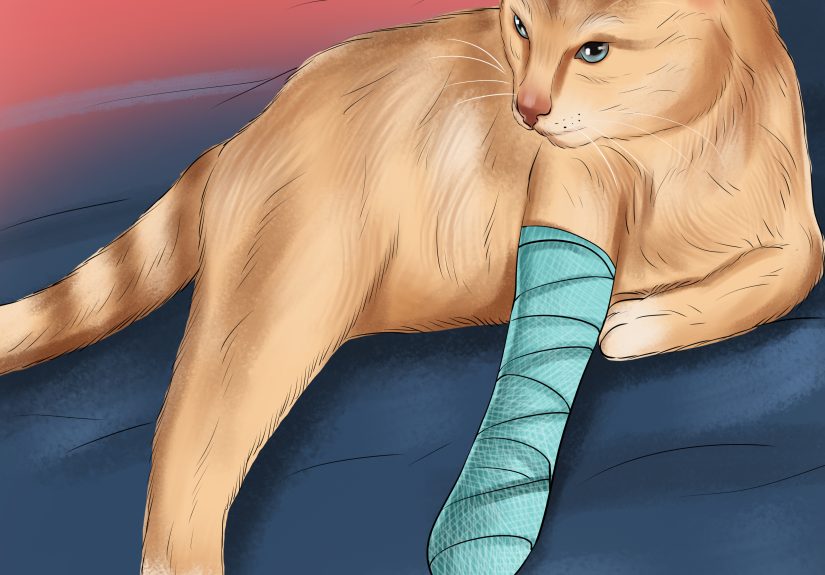
If the wound is minor and your veterinarian has not advised otherwise, place a nonstick pad over the injured footpad and wrap it lightly with gauze, then a self-adhering outer layer. The wrap should be snug enough to stay in place but never tight. Toes should not become swollen, cold, or discolored. A bandage that is too tight is not “extra secure.” It is a problem.
If you have never bandaged a cat paw before, keep it simple. The goal is protection, not building a tiny orthopedic sculpture. If the bandage slips, gets wet, smells bad, or seems uncomfortable, remove it and call your veterinarian for guidance. Damp bandages are especially risky because they soften skin, trap bacteria, and can delay healing.
Do not let your cat lick the paw
Yes, cats think they are licensed wound-care specialists. No, they are not. Excessive licking can reopen the tear, introduce bacteria, and destroy your carefully applied bandage in record time. An e-collar or recovery collar may be necessary, especially during the first few days. Your cat will likely act as if you have ruined their entire life. Stay strong.
Keep activity low-key
Rest matters. Encourage your cat to stay in a quiet room with easy access to food, water, and a low-entry litter box. Try to reduce jumping and sprinting across slick floors. If your cat usually launches onto countertops like a gymnast with a secret agenda, this is the time to make the environment boring in the kindest possible way.
Keep the paw clean and dry
Use paper-based or dust-free litter if regular litter sticks to the wound or bandage. Check the paw daily for redness, swelling, discharge, a foul smell, or increased sensitivity. Those can be signs of infection or worsening tissue damage. Minor pad injuries may begin improving within days, but because paw pads تحمل weight and friction all day long, full healing can still take time.
This second method is all about protecting the tissue so it can do its job: rebuild. Clean wound plus safe coverage plus reduced licking equals a much better chance of healing without drama, infection, or a midnight emergency vet visit.
Way #3: Get Veterinary Treatment When the Injury Is More Than Minor
The third treatment method is professional care, and it is the right move more often than people realize. Torn footpads are not always simple scrapes. Some require pain medication, wound flushing, debridement, bandage management, antibiotics, or even suturing depending on the depth and type of damage.
When your cat needs the vet right away
Call your veterinarian promptly if your cat has:
- Bleeding that does not stop with direct pressure
- A deep cut or a flap of paw pad tissue
- Severe limping or refusal to bear weight
- Swelling, pus, odor, or increasing redness
- A suspected burn from hot surfaces or chemicals
- A foreign object embedded in the paw
- Multiple injured pads or sudden swelling in more than one paw
- Obvious pain, hiding, or signs of distress
A veterinarian can determine whether the wound is a clean tear, a puncture, a burn, or part of another problem entirely. Some pad conditions in cats can mimic trauma, including infections, immune-related disease, or ulcerative problems affecting multiple feet. If the paw looks swollen, mushy, discolored, or abnormal without a clear injury story, don’t assume it is just a cut from stepping on something sharp.
What a vet may do
Veterinary treatment may include clipping and cleaning the area thoroughly, flushing debris from the wound, trimming dead tissue, prescribing pain relief, applying a professional bandage, and giving antibiotics if infection is present or likely. In more serious injuries, especially when a large section of pad is torn or partially detached, your cat may need sedation for proper examination and wound repair. That may sound intense, but it is often the best way to get accurate treatment without turning the exam room into a feline protest rally.
Follow-up care matters
After the vet visit, follow instructions closely. Give medications exactly as prescribed. Never use human pain medication for a cat unless a veterinarian specifically prescribes it. Many common human drugs are dangerous to cats, even in small amounts. Also, keep all recheck appointments if your vet recommends them. Paw pad wounds can look better on the surface before the deeper tissues are truly ready for full activity.
Mistakes to Avoid When Treating a Torn Cat Footpad
Even well-meaning cat owners can make a few classic mistakes. The first is underestimating the injury because the wound looks small. Paw pads are specialized tissue, and small tears can still hurt a lot. The second is using the wrong cleaner. Skip peroxide, alcohol, and random “medicine cabinet chemistry.” The third is wrapping the paw too tightly, which can cause swelling and circulation problems. The fourth is ignoring persistent licking. Cats are efficient, and unfortunately that includes efficiently undoing wound care.
Another common mistake is waiting too long to seek help. If your cat is still limping, the paw is swelling, the wound smells bad, or the bandage will not stay clean and dry, the problem has officially graduated out of DIY territory.
How to Help Prevent Torn Footpads in Cats
You cannot bubble-wrap a cat, though many owners have probably considered it. What you can do is reduce the most common risks. Keep sharp objects, broken glass, and metal scraps out of areas your cat explores. Check balconies, garages, patios, and workshop spaces for hazards. In hot weather, be cautious with patios, decks, and outdoor surfaces that can burn paw pads. In winter, wipe paws after exposure to ice melt or rough salt-covered surfaces if your cat goes outdoors.
Routine paw checks help too. If your cat tolerates handling, look at the pads every now and then for cracks, swelling, splinters, or unusual sensitivity. A little preventive attention now can spare you the later surprise of discovering blood spots on the floor and a cat glaring at you as if this somehow happened on your watch.
What Recovery Often Looks Like: Real-World Experiences and Lessons
One reason torn footpads worry cat owners so much is that the recovery experience can feel unpredictable. The wound may be small, but the daily logistics are oddly complicated. Many people expect a paw injury to behave like a simple skin scrape. Then they realize the paw is used for every step, every leap, every turn in the litter box, and every stealth mission to the food bowl at dawn. Suddenly, the humble paw pad becomes the center of the household universe.
A very common experience is the “Day One Optimism Trap.” An owner cleans the paw, the bleeding stops, the cat settles down, and everyone thinks the crisis has passed. Then the cat gets up, walks across the room, and the paw starts spotting again. That does not always mean the situation is dire, but it does remind owners that footpads heal slowly because they are constantly under pressure. Progress often comes in waves rather than a straight line.
Another shared experience is the battle of the bandage. Some cats tolerate a wrap for ten whole minutes, which in cat terms is basically sainthood. Others kick, twist, moonwalk backward, or stare at the bandage like it has personally offended them. Owners often discover that preventing licking and keeping the dressing dry can be harder than cleaning the wound itself. This is where follow-through matters. A clean, dry bandage and an e-collar may not be fashionable, but they can save days of delayed healing.
Owners also often report that their cat becomes unusually quiet, clingy, or irritable during recovery. Pain in cats can be subtle. Instead of dramatic crying, many simply withdraw, stop jumping, hide more, or avoid normal movement. That is why experienced pet owners learn to watch behavior just as closely as the wound. A paw that looks “not terrible” can still belong to a cat that feels terrible.
Then there is the litter box problem, the least glamorous but most practical part of recovery. Granular litter sticking to a healing pad can turn daily cleanup into a mini headache. Many owners say temporary changes such as paper litter, shredded paper, or extra paw checks after litter box visits make a real difference. The tiny routines matter more than people expect.
Perhaps the biggest lesson people take away is that early action usually makes everything easier. Cats treated promptly for a minor pad injury often bounce back well with good cleaning, protection, and rest. Cats with deeper or infected wounds, on the other hand, can end up needing more intensive treatment simply because the injury was underestimated at first. That is not a reason to panic over every paw problem. It is a reason to respect them.
In the end, most cat owners come away from the experience with two conclusions. First, paw pads are tougher and more important than they look. Second, cats are both fragile little creatures and absolute comedians when recovering from medical gear. Your job is to stay observant, stay practical, and not let your patient convince you that the e-collar is a violation of civil liberties.
Final Thoughts
The best way to treat torn footpads in cats is to match the treatment to the severity of the injury. Minor tears may improve with careful cleaning, light protection, rest, and strict anti-lick management. More serious wounds need veterinary care, and sooner is better than later. When in doubt, remember this simple rule: if the paw is bleeding a lot, looks deep, smells bad, swells, or your cat clearly does not want to use it, call the vet.
Your cat may never thank you in words. They may, however, stop glaring at the bandage eventually. In cat language, that is basically a standing ovation.







 Close
Close