
Table of Contents >> Show >> Hide
- The “Wow” Formula: What Changes Make the Biggest Difference?
- 37 Before-and-After Exterior Remodels That Will Wow You
- 1. The Beige Box Becomes a Crisp Classic
- 2. The “Everything Is Brown” House Learns Contrast
- 3. Dark Exterior, Warm Welcome
- 4. The Trim Glow-Up That Sharpens Everything
- 5. The Two-Tone Trick for Tall Facades
- 6. Painting BrickCarefully and Intentionally
- 7. The “New Color, Same House” Illusion
- 8. The Front Door Becomes the Statement Piece
- 9. Matching the Door and Frame for a “Grand” Entry
- 10. Swapping a Storm Door for Something Sleeker
- 11. The Entry Addition That Fixes Function and Curb Appeal
- 12. New House Numbers, Bigger Impact Than You’d Think
- 13. The Hardware Swap That Looks Like a Renovation
- 14. A Covered Entry That Says “Come In”
- 15. The Porch That Goes From Skinny to Stay-a-While
- 16. Replacing Spindly Posts With Substantial Columns
- 17. Railings That Modernize Without Overhauling
- 18. The Porch Ceiling Color Surprise
- 19. Steps Reconfigured for Better Flow
- 20. Adding SymmetryEven If the House Isn’t Symmetrical
- 21. Siding Replacement That Changes the Whole Era
- 22. Mixing Materials for Depth
- 23. Board-and-Batten: Instant Farmhouse (Without the Costume)
- 24. Shingles as a “Jewelry” Accent
- 25. The Stucco Refresh That Fixes “Blotchiness”
- 26. Stone Veneer Used Like Seasoning, Not Soup
- 27. Painting Vinyl Siding the Right Way
- 28. Window Upgrades That Modernize the Face
- 29. Shutters That Actually Fit (A Quiet Miracle)
- 30. Roofline Details That Add Character
- 31. Garage Door Replacement = Surprisingly Dramatic
- 32. Converting a Carport Look Into a Finished Front
- 33. Landscape “Editing” That Makes the House Bigger
- 34. A Straight Path That Fixes the “Where Do I Walk?” Problem
- 35. Driveway and Edging: The Unsung Heroes
- 36. Layered Outdoor Lighting for Nighttime Curb Appeal
- 37. The “Full Facade Reset” That Still Feels Like the Same Home
- How to Plan Your Own Before-and-After (So the After Is Actually Better)
- Conclusion: The Best Exterior Remodels Don’t Just Look NewThey Look Intentional
- of Experience: What Exterior Remodels Really Feel Like (The Fun Parts and the “Oops” Parts)
You know that feeling when you scroll past a “before-and-after” and your brain goes, Wait… that’s the SAME house? That’s the magic of exterior remodels: a few smart changes can take a home from “perfectly fine” to “stop-the-car-and-stare.”
This isn’t about turning every place into a modern black box with a single sad succulent. The best transformations respect the home’s bones, fix the awkward bits, and give curb appeal a glow-up that looks intentionallike your house finally discovered moisturizer and good lighting.
Below are 37 wow-worthy before-and-after exterior remodel ideas (paint, porches, siding, doors, windows, landscaping, lighting, and details), with quick notes on why each one worksso you can copy the strategy, not just the vibe.
The “Wow” Formula: What Changes Make the Biggest Difference?
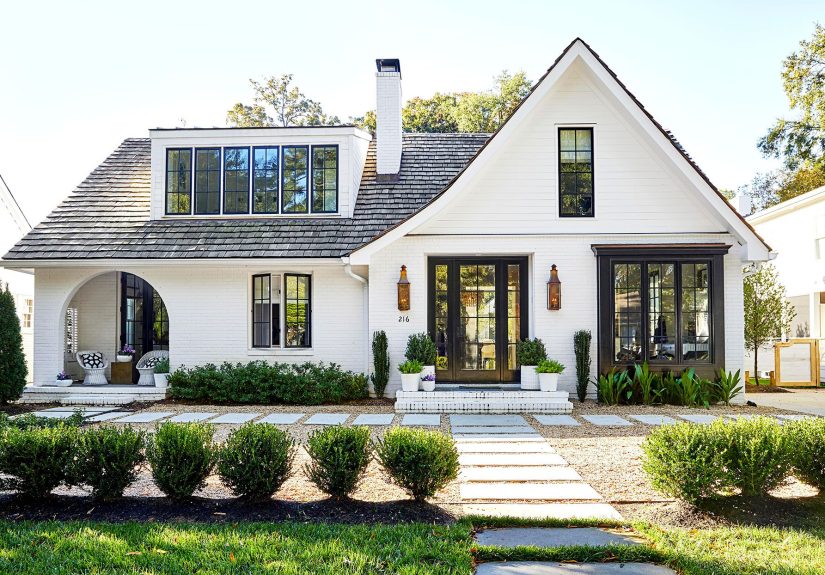
Across the most dramatic exterior makeovers, the pattern is surprisingly consistent: they create a clear focal point (usually the entry), add contrast (trim, shutters, railings, or stone), and sharpen the home’s “lines” (roofline, porch posts, window proportions, and landscaping edges).
Translation: you don’t need a new houseyou need a better story from the street. And your front door is typically the main character.
Quick wins that punch above their weight
- Paint + trim contrast: Instantly modernizes tired exteriors.
- New (or repainted) front door + hardware: Small area, big attention.
- Lighting upgrades: Makes the house feel “finished” at night.
- Landscape cleanup + defined borders: Turns “overgrown” into “curated.”
37 Before-and-After Exterior Remodels That Will Wow You
1. The Beige Box Becomes a Crisp Classic
Before: Flat beige siding with trim that disappears. After: A brighter body color, clean white trim, and a darker door color that gives the facade an actual point of view.
2. The “Everything Is Brown” House Learns Contrast
Before: Brown roof, brown brick, brown trimbrown on brown violence. After: A lighter paint on siding/trim and a deeper accent on shutters or the door creates instant depth.
3. Dark Exterior, Warm Welcome
Before: Faded paint makes the home look tired. After: A rich charcoal or deep navy exterior with warm wood tones at the entry looks modern without screaming for attention.
4. The Trim Glow-Up That Sharpens Everything
Before: Good bones, blurry edges. After: Thicker-looking trim (or simply higher-contrast paint) outlines windows and rooflines, making the house look more “designed” than “assembled.”
5. The Two-Tone Trick for Tall Facades
Before: A tall front feels monolithic. After: Two complementary tones (top lighter, bottom slightly deeper) visually “grounds” the home and adds dimension.
6. Painting BrickCarefully and Intentionally
Before: Brick that reads orange or blotchy. After: A limewash or paint treatment creates a softer, more cohesive lookespecially when paired with updated lighting and landscaping.
7. The “New Color, Same House” Illusion
Before: Nothing technically wrongjust forgettable. After: A fresh palette (body, trim, accent) makes the whole place feel like it got a renovation… even if you mostly bought paint and courage.
8. The Front Door Becomes the Statement Piece
Before: A door that blends in. After: A bold door color with upgraded hardware turns the entry into a focal pointlike a necklace for your house, but less itchy.
9. Matching the Door and Frame for a “Grand” Entry
Before: Door painted, frame ignored. After: Door and trim coordinated so the entry reads intentionaland noticeably more upscale.
10. Swapping a Storm Door for Something Sleeker
Before: A heavy storm/security door hides the main door’s style. After: A cleaner glass option (or removing it when appropriate) shows off the entry and brightens the facade.
11. The Entry Addition That Fixes Function and Curb Appeal
Before: Front door opens straight into the living room, no real “arrival.” After: A small mudroom/entry bump-out adds function, and the facade suddenly has architecture.
12. New House Numbers, Bigger Impact Than You’d Think
Before: Tiny numbers nobody can read (including delivery drivers). After: Oversized modern numbers and a clean mailbox setup make the whole front feel updated.
13. The Hardware Swap That Looks Like a Renovation
Before: Mixed metals, dated handles, tired light fixtures. After: Coordinated finishes (matte black, brass, or nickel) tighten the look instantly.
14. A Covered Entry That Says “Come In”
Before: Flat wall, exposed door, awkward stoop. After: A small rooflet/awning or portico gives shelter and makes the entrance feel purposeful.
15. The Porch That Goes From Skinny to Stay-a-While
Before: Tiny porch you can’t actually use. After: A deeper porch with seating turns the front into living spaceand adds charm that photographs beautifully.
16. Replacing Spindly Posts With Substantial Columns
Before: Thin posts that look temporary. After: Chunkier columns (or box wraps) add “weight” and make the porch feel like real architecture instead of scaffolding.
17. Railings That Modernize Without Overhauling
Before: Ornate railings that date the home. After: Simpler rail profiles (wood, cable, or metal) clean up the lines and make the facade feel current.
18. The Porch Ceiling Color Surprise
Before: Plain white ceiling. After: A soft sky-blue (or subtle tint) adds personality overheadan old-school detail that feels fresh when the rest is clean.
19. Steps Reconfigured for Better Flow
Before: Steps that land awkwardly or feel too steep. After: A better stair layout (sometimes with a wider landing) improves safety and makes the approach look “designed.”
20. Adding SymmetryEven If the House Isn’t Symmetrical
Before: Random-looking window placement and sparse planting. After: Balanced planters, paired lights, and matched trim colors create visual symmetry where architecture won’t.
21. Siding Replacement That Changes the Whole Era
Before: Bent, faded, or mismatched siding. After: New siding in a cleaner profile (and better trim details) can shift a home from “dated” to “timeless” in one move.
22. Mixing Materials for Depth
Before: One flat material everywhere. After: A stone skirt, shingle accent, or wood-look detail breaks up the mass and gives the facade a layered, custom feel.
23. Board-and-Batten: Instant Farmhouse (Without the Costume)
Before: Plain vertical surfaces with no interest. After: Board-and-batten (or even a section of it) adds textureespecially when paired with darker windows or trim.
24. Shingles as a “Jewelry” Accent
Before: Gable looks blank. After: Shingle detailing in the gable or above the porch adds character like a vintage broochsmall, but memorable.
25. The Stucco Refresh That Fixes “Blotchiness”
Before: Patchy stucco or hairline cracks that read neglected. After: A uniform finish coat plus modern lighting and cleaner landscaping makes the whole home feel maintained.
26. Stone Veneer Used Like Seasoning, Not Soup
Before: No grounding at the base. After: Stone veneer on key sections (entry, columns, lower facade) creates weight and contrast without overwhelming the architecture.
27. Painting Vinyl Siding the Right Way
Before: Faded vinyl that looks chalky. After: A vinyl-appropriate exterior paint (often lighter shades) renews the lookwithout risking a finish that can’t flex with temperature changes.
28. Window Upgrades That Modernize the Face
Before: Small windows or mismatched grids. After: Updated window styles (or consistent grid patterns) can make the facade look more cohesive and more expensive.
29. Shutters That Actually Fit (A Quiet Miracle)
Before: Tiny shutters that could never cover the window (so they look like stickers). After: Properly sized shutters add structureand instantly read more authentic.
30. Roofline Details That Add Character
Before: Roof and gutters are fine but visually bland. After: Crisp fascia, updated gutters, and coordinated roof color/trim sharpen the silhouette from the street.
31. Garage Door Replacement = Surprisingly Dramatic
Before: Dented, dated garage door dominates the front. After: A carriage-style or modern-paneled door upgrades the whole facade (especially when paired with new lights).
32. Converting a Carport Look Into a Finished Front
Before: Carport/garage area feels like an afterthought. After: Cladding it in matching materials and adding lighting makes it feel like part of the homenot the home’s awkward cousin.
33. Landscape “Editing” That Makes the House Bigger
Before: Overgrown shrubs block windows and shrink the house. After: Lower plantings, layered beds, and visible foundation lines make the home look larger and brighter.
34. A Straight Path That Fixes the “Where Do I Walk?” Problem
Before: Patchy lawn-to-steps journey. After: A defined walkway (pavers, concrete, stone) creates a welcoming “entry sequence” and instantly raises perceived value.
35. Driveway and Edging: The Unsung Heroes
Before: Cracked driveway edges and messy borders. After: Clean edging, sealed surfaces, and tidy transitions make everything look maintainedeven if you didn’t change the house at all.
36. Layered Outdoor Lighting for Nighttime Curb Appeal
Before: One harsh porch light that screams “interrogation.” After: Coordinated fixtures plus subtle landscape lights highlight architecture, improve safety, and make the home feel warmer after dark.
37. The “Full Facade Reset” That Still Feels Like the Same Home
Before: A collection of dated decisions over decades. After: Cohesive color, refreshed materials, a stronger entry, and curated landscapingso the house finally looks like it knows what it’s doing.
How to Plan Your Own Before-and-After (So the After Is Actually Better)
If you only remember one thing: start with the “fixed” elements. Roof color, brick/stone tone, hardscaping, and window frames don’t change as easily as paintso pick your palette around them. Then choose one star element (usually the entry door) and let everything else support it.
Also: take photos from the street before you start. Not because you’re sentimentalbecause your brain lies. Photos don’t.
- Step 1: Repair and clean (wash siding, fix rot, straighten gutters).
- Step 2: Simplify (remove visual clutter, unify finishes).
- Step 3: Add contrast (trim, door, lights, landscaping edges).
- Step 4: Finish the approach (path, steps, planters, lighting).
Conclusion: The Best Exterior Remodels Don’t Just Look NewThey Look Intentional
The most jaw-dropping before-and-afters aren’t always the biggest-budget projects. They’re the ones that fix the home’s first impression: clearer entry, stronger contrast, better proportions, and landscaping that frames instead of fights.
So if your place feels “meh,” don’t panic. Your house probably doesn’t need a total identity crisisjust a few smart edits, a confident color choice, and lighting that flatters it after sunset. (Yes, houses deserve flattering lighting too.)
of Experience: What Exterior Remodels Really Feel Like (The Fun Parts and the “Oops” Parts)
Exterior remodels are equal parts thrill ride and group project you didn’t sign up for. The fun part is obvious: you get to watch your home’s curb appeal transform in real time. The less fun part is learning that once you change one thing on the outside, everything else starts raising its hand like a teacher’s pet. Paint the siding? Suddenly the trim looks dingy. Replace the light fixtures? Now the house numbers look like they were installed during the flip-phone era.
The biggest lesson: sequence matters. The most stress-free projects usually start with repairs and cleanuppressure washing, patching, caulking, and fixing any rot. It’s not glamorous, but it’s the difference between “beautiful finish” and “why is my paint peeling like a sad sticker?” Then comes the “big read” decisions: roof, siding, brick tone, and window frames. Those are the permanent characters in your home’s story, so your paint colors should play nicely with them. If you pick paint first and try to force everything else to match, you’ll end up in a swatch spiral where every color looks great in the store and suspicious on your house at 5:30 p.m.
Another real-world truth: the front door is the easiest confidence boost you can buy. Even if you’re not ready for a full exterior overhaul, a fresh door color plus updated hardware and lighting can make your entry feel intentional. It’s also psychologically powerfulwhen the entry looks sharp, the whole house feels “handled.” And because it’s a small area, you can be a little bolder without turning your home into a giant highlighter.
Landscaping is the sneaky MVP. Most people think they need more plants; what they usually need is better editing. Trimming shrubs below windows, creating defined bed edges, and repeating a few plant shapes (instead of a random buffet of greenery) makes the exterior feel designed. If you’ve ever seen a makeover where the house looks twice as expensive, odds are the landscaping got a quiet but significant upgradeclean lines, layered heights, and fewer “mystery bushes.”
Expect at least one surprise. Maybe you uncover damaged trim. Maybe your “simple” new porch light requires rewiring. Maybe your HOA has feelings about teal. The best approach is to decide what you can flex on (planter style, door color, light fixtures) and what you won’t (quality materials, proper prep, safe steps). And take progress photosbecause when you’re covered in paint, questioning your life choices, it’s extremely helpful to look back at the “before” and remember: yes, this is objectively getting better. Your house is mid-glow-up, not mid-mistake.





 Close
Close