
Table of Contents >> Show >> Hide
- The Real Basement Remodeling Hack: Refresh, Don’t Overbuild
- Start With the Unsexy Stuff: Moisture, Air, and Health
- Paint Is Still the Cheapest Transformation Tool in the House
- Choose Basement Flooring That Understands Basements
- Lighting Is Where Cheap Basement Updates Start Looking Expensive
- Create Zones Instead of Building Rooms
- Add Comfort With Smart Insulation, Soft Surfaces, and Storage
- Know What Should Stay DIY and What Should Not
- Mistakes That Make a Cheap Basement Update Feel Cheap
- Conclusion: The Best Basement Update Is the One That Solves the Right Problems
- Real-World Experiences: What Homeowners Learn After Updating a Basement
Basements have a branding problem. For years, they’ve been treated like the part of the house where holiday bins, mystery cords, and the treadmill of broken promises go to live. But a basement does not need a full luxury renovation to become better-looking, more useful, and far less depressing. In fact, the smartest basement remodeling hack is usually not a full remodel at all. It is a strategic refresh.
If you want an easy and affordable way to update your basement, the trick is to stop thinking like a contractor for a minute and start thinking like a problem-solver. The goal is not to make the basement behave like a sun-drenched main-floor living room. The goal is to make it cleaner, brighter, drier, warmer, and more functional with the fewest expensive moves possible.
That means focusing on what actually changes the feel of the room: moisture control, surface upgrades, smarter lighting, and flexible design choices that work with a below-grade space instead of fighting it. Done right, a basement makeover on a budget can give you a playroom, workout area, TV lounge, office, hobby zone, guest hangout, or organized storage space without sending your wallet into therapy.
The Real Basement Remodeling Hack: Refresh, Don’t Overbuild
Here is the simple idea: if your basement is structurally sound and mostly dry, you can make it look dramatically better without tearing everything out, moving plumbing, or building a maze of new walls. That is where homeowners often overspend. They go straight to “finished basement” mode when what the space really needs first is a practical facelift.
An affordable basement update usually works best when you keep the existing layout as open as possible, avoid relocating major systems, and use finishes that can tolerate basement conditions. This is why the best low-cost basement ideas tend to revolve around painted ceilings, upgraded floors, layered lighting, better storage, and moisture-aware materials.
In other words, the hack is not glamorous. It is just wildly effective. Instead of spending big on complicated construction, you improve the basement’s comfort, brightness, and style in visible ways. Your guests will think, “Wow, this feels finished.” Your budget will think, “Thank you for not building a tiny underground Versailles.”
Start With the Unsexy Stuff: Moisture, Air, and Health
Before you buy paint swatches or a ridiculously cute bar cart, make sure the basement is dry enough for any update to last. Moisture is the main character in nearly every basement horror story. If the space smells musty, shows water stains, has visible cracks, feels damp, or regularly turns into a humidity sauna, address that first.
Affordable does not mean careless. If water is getting in, you may need to improve exterior drainage, seal cracks, correct grading outside, repair gutters or downspouts, add dehumidification, or apply the right product to bare masonry. If walls have already been painted, slapping sealer on top without proper prep is not a shortcut. It is a future headache wearing a disguise.
This is also the moment to think about indoor air quality. A basement that will be used more often should be part of your home’s ventilation strategy. If you are remodeling around combustion equipment, that is a professional checkup moment, not a “let’s just see what happens” moment. And if the basement may become a true living area, radon testing before you close up surfaces is a very smart move.
Here is the rule: if the basement is wet, fix the wet. If it is damp, control the damp. If it is dry, protect the dry. That one mindset will save more money than any coupon in the history of home improvement.
Paint Is Still the Cheapest Transformation Tool in the House
If you only have room in the budget for one dramatic update, paint is usually the winner. Basement paint ideas work because they change the room fast, cover visual clutter, brighten dark corners, and cost far less than major construction. Better yet, paint can work on more than walls.
Paint the walls
Light neutrals are classics for a reason. Soft white, warm greige, pale taupe, or muted beige can make a basement feel cleaner and less cave-like. But dark paint is not off-limits. In some basements, a moody charcoal, navy, or olive can create a cozy media-room vibe that feels intentional rather than dim. The trick is choosing a color based on the basement’s purpose, not just blind loyalty to “make everything white.”
Paint the ceiling
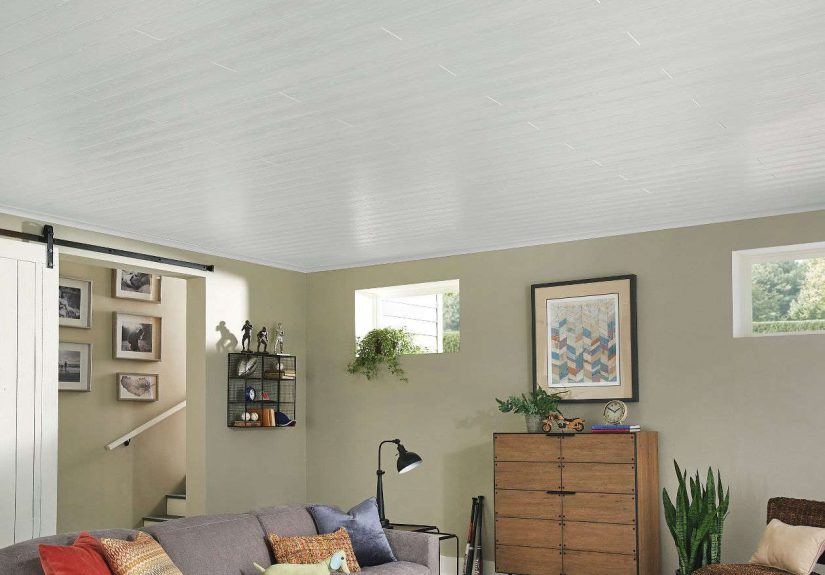
An exposed basement ceiling can look messy or cool, depending on how you treat it. Painting exposed joists, pipes, and ductwork one unified color can instantly make the room feel more designed. White helps bounce light. Black can visually hide utilities and create a modern industrial look. One color overhead can bring order to what was previously a visual traffic jam.
Paint the floor
Concrete floor paint is one of the most affordable basement flooring upgrades out there. It is especially useful in a utility basement, workout zone, laundry area, or casual hangout space. A painted floor looks more finished, reflects more light, and costs far less than a whole new floor system. If you want extra style, you can use a stencil, pattern, or subtle faux-rug design. Suddenly your old slab has opinions.
Choose Basement Flooring That Understands Basements
Not every beautiful floor belongs below grade. Basements are different. They deal with concrete, cooler temperatures, and moisture risk, so your flooring should be practical first and pretty second. The good news is that practical has gotten much better-looking.
Best budget-friendly flooring directions
- Painted concrete: Great for utility, gym, storage, and casual flex spaces.
- Epoxy coating: Durable, easy to clean, and tougher-looking in the best way.
- Luxury vinyl plank or tile: A favorite for basement makeovers because it offers the look of wood with better moisture tolerance.
- Peel-and-stick vinyl tile: An easy DIY option for smaller zones and budget-conscious refreshes.
- Area rugs, carpet remnants, or foam mats: Excellent for comfort if you are not ready for a full floor installation.
If the basement is unfinished or semi-finished, you do not have to overcommit. Temporary or movable floor layers can make the space feel warmer and more usable without the labor and cost of a major install. Foam mats are great for home gyms or play areas. Outdoor rugs and washable rugs can soften the room while remaining more forgiving than precious materials.
The smartest move is to match the floor to the way the room will actually be used. A basement office has different needs than a kids’ playroom. A TV den needs different underfoot comfort than a storage zone. Good design is not about copying a showroom. It is about making your real life look better.
Lighting Is Where Cheap Basement Updates Start Looking Expensive
Most basements are not blessed with an abundance of natural light. Some receive a polite suggestion of daylight and then call it a day. That means your lighting plan matters more than almost any décor purchase.
The easiest affordable fix is to layer your lighting. Instead of relying on one lonely ceiling bulb that makes everyone look like they are confessing to a crime, combine several light sources at different heights.
Try this layered basement lighting formula
- Use overhead lighting for general brightness.
- Add floor lamps or table lamps for warmth and comfort.
- Install plug-in sconces if you want an elevated look without opening walls.
- Use under-shelf or LED strip lighting in storage or media areas.
- Include mirrors or reflective surfaces to help bounce light around.
One of the best basement makeover ideas is simply to brighten the space enough that people stop thinking about the fact that they are underground. Warm bulbs, smart lamp placement, and a lighter palette can do a shocking amount of emotional heavy lifting.
If your ceiling is low, flush-mount fixtures are often a better choice than hanging pendants. If the room has multiple functions, use lighting to define zones. A reading corner with a lamp feels separate from a workout nook, even if both live in the same open basement.
Create Zones Instead of Building Rooms
One of the biggest money-saving strategies in basement remodeling is resisting the urge to frame out a bunch of separate rooms right away. New walls mean more labor, more materials, more electrical planning, and often more permit considerations. An open basement with clearly defined zones can feel just as functional for a fraction of the cost.
Use rugs, shelving, paint color, furniture placement, and lighting to create purpose-driven areas. A sectional and media console can anchor a TV zone. A desk and task lamp can carve out a work nook. Storage cabinets and labeled bins can turn one wall into a neat utility station. A craft table, rolling cart, and washable floor layer can define a hobby area.
This approach keeps the space flexible too. Today’s playroom can become tomorrow’s teen lounge and next year’s workout area without requiring demolition. That is not indecision. That is budget intelligence.
Add Comfort With Smart Insulation, Soft Surfaces, and Storage
Once the basement is drier, brighter, and better-looking, the next goal is comfort. A finished-feeling basement is not just about appearances. It should feel less cold, less echoey, and less like a place where you go to hunt for old paint cans.
Depending on your basement’s condition, insulating walls or air-sealing problem areas can improve comfort and efficiency. This is often especially helpful around rim joists and foundation areas. Use moisture-aware methods and materials, and do not trap dampness behind the wrong assembly. In basements, details matter.
Soft finishes can also do a lot of work. Add curtains where appropriate, upholstered seating, textured pillows, washable throws, and rugs or mats that warm up the floor. Even one large bookshelf or storage cabinet can make the room feel intentional. Closed storage is especially useful because a basement with visible clutter can feel unfinished even when the surfaces are lovely.
Storage is not the enemy of style. It is the bodyguard of style.
Know What Should Stay DIY and What Should Not
The cheapest basement remodel is the one where you spend DIY energy in the right places and bring in pros only when necessary. Painting, organizing, lighting upgrades that do not require rewiring, peel-and-stick flooring, decorative wall treatments, and furniture zoning are all great candidates for an easy basement update.
But once you get into new plumbing, new permanent electrical work, structural changes, egress windows, major waterproofing, HVAC expansion, or bedroom conversion territory, slow down and bring in the right expertise. A basement bedroom or apartment setup often comes with code and safety requirements that are not optional.
A good basement remodeling hack is knowing where not to hack.
Mistakes That Make a Cheap Basement Update Feel Cheap
- Ignoring moisture signs: No décor can out-cute a musty smell.
- Using the wrong flooring: Not every upstairs favorite belongs downstairs.
- Relying on one overhead light: It makes the basement feel harsher and darker at the same time, which is an annoying talent.
- Overfilling the room: Basements often feel smaller when packed with too much furniture.
- Skipping storage: Clutter is the fastest way to undo a makeover.
- Building too much too soon: Flexibility is often more valuable than extra walls.
Conclusion: The Best Basement Update Is the One That Solves the Right Problems
If you have been wondering how to remodel a basement on a budget, the answer is refresh first, build second. An easy and affordable basement update is not about pretending the space is something it is not. It is about improving what already exists in the smartest order possible.
Start with dryness and air quality. Then use paint, practical flooring, better lighting, and functional zoning to make the basement look finished without overspending. Add comfort with insulation, textiles, and storage. Save the big-ticket construction moves for the moments when your basement truly needs them.
That is the remodeling hack: not a miracle product, not a trendy gadget, and not a budget-busting renovation show fantasy. Just smart decisions, in the right order, with a little design confidence and a lot less drama.
Real-World Experiences: What Homeowners Learn After Updating a Basement
One of the most common experiences homeowners describe after a basement refresh is surprise. Not the dramatic reality-show kind where someone cries in slow motion next to a new sectional. More like genuine disbelief that a few strategic changes could alter the room so much. Many people assume a basement needs a full gut remodel before it can feel useful. Then they clean it out, paint the ceiling and walls, improve the lighting, roll out a large rug, and suddenly the space becomes part of daily life instead of a forgotten lower level.
A frequent lesson is that paint does far more than expected. Homeowners who color-drench exposed ceilings often say the basement feels taller and calmer because all the visual clutter overhead stops shouting for attention. Others who paint concrete floors say the room instantly looks cleaner and more intentional. It may not be a luxury finish, but it feels like a real room instead of an unfinished afterthought. That emotional shift matters. When a basement feels cleaner, people actually want to use it.
Lighting changes also tend to have outsized impact. People often start with one dim bulb and assume the basement itself is the problem, when the real issue is terrible lighting design. Adding a mix of overhead light, lamps, and task lighting can change the mood almost overnight. Homeowners who do this often say the room feels warmer, less gloomy, and far more welcoming. The basement did not become brighter because of magic. It became brighter because somebody finally stopped expecting one ceiling fixture to carry the entire emotional arc of the room.
Another common experience is discovering that open space is more useful than extra walls. Instead of sectioning the basement into tiny rooms, many homeowners end up loving a flexible layout with zones for work, exercise, TV, storage, or hobbies. A bookshelf here, a rug there, and a table lamp in the corner can create enough structure without sacrificing openness. This becomes especially helpful for families whose needs change quickly. A basement that works as a toy zone today may become a homework hangout, then a teen lounge, then a home office.
Homeowners also learn, sometimes the hard way, that moisture issues do not become charming just because you covered them with something cute. The people happiest with their basement makeover are usually the ones who fixed the damp smell, added dehumidification, improved drainage, or handled cracks before they worried about wall art. Once the basement is dry, nearly every other improvement works better and lasts longer.
Perhaps the biggest takeaway is this: the most satisfying basement updates are rarely the flashiest. They are the ones that make everyday life easier. A cleaner laundry zone. A comfortable TV corner. A play space where toys can explode without taking over the living room upstairs. A workout area that does not require stepping over three bins of holiday decorations and a haunted elliptical. Practical improvements have a way of feeling luxurious when they solve real problems.





 Close
Close