
Table of Contents >> Show >> Hide
- Why Filing Your Dog’s Nails Matters
- Before You Start: What You Need
- How to Know When Nails Are Too Long
- 4 Easy Ways to File a Dog’s Nails
- How to Avoid the Quick
- What If You Make the Nail Bleed?
- How Often Should You File Your Dog’s Nails?
- Tips for Dogs That Hate Nail Care
- Common Mistakes to Avoid
- Conclusion
- Extra Experiences: What Real-Life Nail Filing Usually Feels Like
- SEO Tags
Dog nail care lives in the same category as taxes, laundry, and assembling furniture with “easy instructions”: everybody says it is simple, and then suddenly someone is sweating. Usually the someone is you. Sometimes it is also your dog, who has decided that the tiny nail tool in your hand is clearly part of an elaborate conspiracy.
The good news is that filing a dog’s nails does not have to feel like a wrestling match, a trust fall gone wrong, or a dramatic reenactment of a medical emergency. When you use the right method, go slowly, and respect your dog’s comfort level, nail care can become a manageable routine instead of an event that requires emotional recovery snacks for both species.
This guide breaks down four easy ways to file a dog’s nails, when each method works best, how to avoid painful mistakes, and what to do if your dog acts like the whole idea is deeply offensive. Whether you have a tiny puppy with translucent nails or a full-grown foot-wiggling comedian with black talons, there is a practical approach here for you.
Why Filing Your Dog’s Nails Matters
Long nails are not just a cosmetic issue. They can affect the way a dog stands, walks, and distributes weight through the feet and legs. When nails get too long, they hit the ground too early, which can change gait, reduce traction, and make movement less comfortable. If you can hear that familiar click-click-click on hard floors, your dog is basically sending you a polite but noisy memo.
Filing is especially useful because it helps smooth sharp edges, lets you take off tiny amounts at a time, and can feel less dramatic than one big clip. For many owners, filing offers more control. For many dogs, it feels less scary. For everyone involved, it reduces the odds of turning a grooming session into a courtroom drama titled The People vs. The Quick.
Before You Start: What You Need
- A dog nail file, grinder, or scratchboard
- Treats your dog actually cares about
- Good lighting
- A non-slip surface
- Styptic powder, cornstarch, or flour in case of minor bleeding
- Patience, which is technically not a tool but should be sold in bulk
Set your dog up in a comfortable position. Keep the paw close to its natural resting angle rather than stretching it awkwardly. If your dog is nervous, do not aim for a full salon session on day one. A single successful nail is still a win.
How to Know When Nails Are Too Long
A dog’s nails generally need attention when they nearly touch the floor at rest, click on hard surfaces, snag on blankets or carpet, or begin curving noticeably. Dewclaws deserve special attention because they do not wear down naturally the way other nails sometimes do. They are the forgotten side quest of grooming, and they can become overgrown fast if ignored.
4 Easy Ways to File a Dog’s Nails
1. Use a Manual Nail File or Emery Board for Small Touch-Ups
This is the lowest-drama option and a great place to start if your dog is new to grooming. A manual file works best for smoothing sharp edges, taking down tiny amounts, or maintaining nails between bigger trims. It is quiet, inexpensive, and much less intimidating than a buzzing grinder.
To use it, hold the paw gently but securely, support the toe, and file in short, controlled strokes. You are not trying to build a coffee table. You are just shaping the nail tip and softening rough edges. This method works especially well for small dogs, puppies, and dogs that tolerate paw handling but dislike noisy tools.
Best for: Puppies, small dogs, light maintenance, and smoothing after clipping.
Big advantage: Quiet and easy to control.
Potential downside: Slow for thick nails.
2. Try a Dog Nail Grinder for Precision and Smoother Edges
A dog nail grinder is the filing method many owners end up loving once they get over the noise factor. Instead of cutting the nail, it sands it down gradually. That means you can remove a little at a time and create a rounded, smooth finish that is less likely to catch on fabric or scratch your legs during enthusiastic greetings.
Start by letting your dog see and sniff the grinder while it is off. Reward calm behavior. Then let your dog hear the sound from a distance. Reward again. Touch the tool lightly to a paw without grinding. Reward again. Yes, this is repetitive. That is the point. You are building a positive association instead of rushing straight to “surprise, loud spinning object.”
When you begin filing, work in tiny bursts. Support the toe firmly but gently and grind only a small amount at a time. Brief passes help avoid heat buildup and give you a chance to stop before you get too close to the quick. This is especially helpful for dark nails, where you cannot see the quick as clearly.
Best for: Medium and large dogs, thick nails, black nails, and owners who want more control.
Big advantage: Smooth result with less risk of taking off too much at once.
Potential downside: Some dogs need time to accept the sound and vibration.
3. Teach Your Dog to Use a Scratchboard
If your dog hates having paws handled, a scratchboard can be a game changer. A scratchboard is usually a wooden or plastic board covered with sandpaper. You teach your dog to paw at it, which files the front nails down naturally. In other words, your dog does the work while you stand there pretending this was your genius plan all along.
This method is especially handy for dogs that are foot-sensitive, suspicious of clippers, or emotionally opposed to nail care in all traditional forms. Start by rewarding your dog for noticing the board, then for touching it, then for scratching it. Many owners use a “shake” cue or place a treat under a cloth on the board so the dog paws at it to investigate.
Scratchboards are usually most effective on front nails. Back nails can be trickier to target, but for some dogs, reducing the front nail length already makes routine maintenance much easier.
Best for: Dogs that dislike paw handling or need a low-stress alternative.
Big advantage: Gives the dog more choice and control.
Potential downside: Requires training and usually works better for front paws.
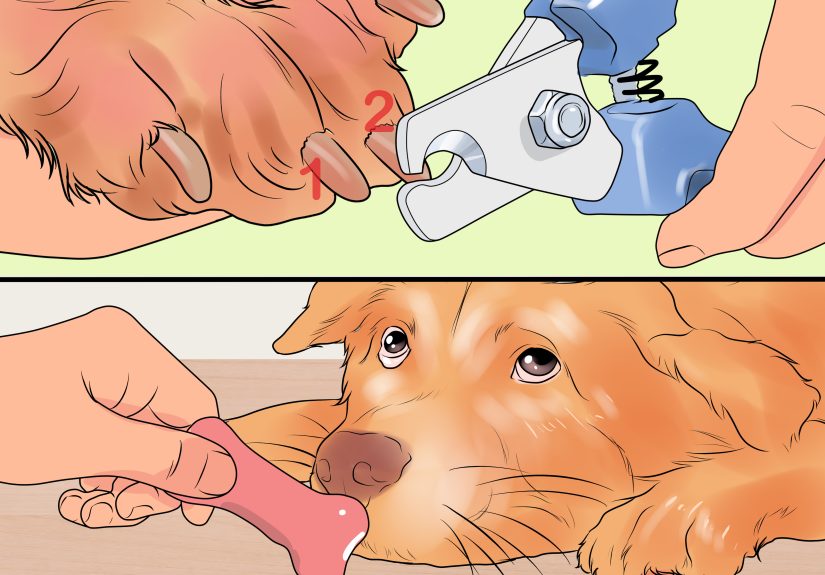
4. Use the Clip-Then-File Combo for Faster Results
This hybrid approach is often the most practical choice for overgrown nails. First, clip a conservative amount off the tip. Then switch to a file or grinder to smooth the edges and shorten little by little. Think of it as the grooming version of doing the rough draft first and then editing like a perfectionist.
This method is useful when the nail is too long for filing alone to feel efficient, but you still want the control and smooth finish that filing provides. It can also be a smart strategy for dogs with thick nails that splinter a bit when clipped. A few careful passes with a file or grinder can tidy the result and make the nail more comfortable.
Best for: Overgrown nails, thick nails, and dogs who tolerate short grooming sessions.
Big advantage: Efficient and polished.
Potential downside: Requires comfort with both clipping and filing.
How to Avoid the Quick
The quick is the sensitive inner part of the nail that contains blood vessels and nerves. In light-colored nails, it often appears pink. In dark nails, you need to go more slowly and remove tiny amounts at a time. Filing helps because it lets you creep up on the safe stopping point instead of gambling on one big cut.
If you are using a clipper before filing, avoid cutting far past the curve of the nail. If you are using a grinder, do not hold it in one place too long. Work in brief passes and check often. When in doubt, stop early. You can always take a little more off later. You cannot un-clip a nail, no matter how sincerely you apologize.
What If You Make the Nail Bleed?
First: do not panic. Your dog may be startled, and you may briefly feel like the worst person alive, but minor quicking accidents happen. Apply styptic powder to the nail tip. If you do not have that, cornstarch or flour can help in a pinch. Stay calm, praise your dog, and end the session on as neutral a note as possible.
If the bleeding does not stop, if the nail is badly torn, or if your dog is in obvious pain, contact your veterinarian. And if you accidentally quick your dog once, that does not mean you have failed forever. It means you are now officially part of the club.
How Often Should You File Your Dog’s Nails?
There is no one perfect schedule because it depends on your dog’s age, activity level, weight, gait, surfaces they walk on, and nail growth rate. Some dogs need attention every week. Others can go a few weeks. The better question is not “How often do other people do this?” but “What do my dog’s nails look and sound like right now?”
Short, frequent sessions often work better than rare marathon trims. Regular filing can also encourage the quick to recede gradually over time, which helps you keep nails shorter and healthier in the long run.
Tips for Dogs That Hate Nail Care
- Start with paw touching when you are not trimming anything
- Pair tools with treats before you ever use them
- Work from the side, not face-to-face
- Do one nail and quit while you are ahead
- Watch body language and slow down if your dog looks tense
- Use a scratchboard as an interim solution for foot-sensitive dogs
- Ask your veterinarian or groomer for a demo if you are unsure
If your dog has severe fear, panic, snapping, or a history of traumatic nail trims, do not force the issue. Behavior change can take time, and some dogs need a professional plan from a veterinarian, trainer, or behavior expert. Trust is much easier to preserve than to rebuild.
Common Mistakes to Avoid
Moving too fast
Going from “what is this tool?” to “full manicure” in one session is a classic mistake. Slow exposure wins.
Using poor lighting
If you cannot see well, your odds of overdoing it go up. Nail care is not the time for moody ambiance.
Skipping dewclaws
They do not wear down much on their own and can become overgrown surprisingly fast.
Ignoring your dog’s body language
Yawning, leaning away, pulling the paw back, freezing, lip licking, and tension are all useful feedback. Listen before your dog upgrades the complaint.
Trying to do everything at once
Some dogs do better with one nail a day than ten nails in a single heroic session.
Conclusion
The best way to file a dog’s nails is the method that keeps your dog comfortable, keeps you consistent, and keeps the nails short enough to support healthy movement. For some dogs, that means a simple emery board. For others, a grinder offers the perfect balance of control and smooth results. And for the especially dramatic crowd, a scratchboard may be the diplomatic breakthrough everyone needed.
The goal is not perfection. The goal is routine. When you file a little, reward generously, and stop before the experience turns sour, nail care becomes less of a battle and more of a habit. Your floors will be quieter, your dog’s feet will be happier, and your future self will be thrilled not to hear those talons tapping through the hallway like a tiny werewolf in socks.
Extra Experiences: What Real-Life Nail Filing Usually Feels Like
The first time many dog owners try filing nails, they expect a clean, neat process that lasts five minutes and ends with a proud pet-parent glow. What often happens instead is a weird little comedy. The grinder is louder than expected. The dog suddenly remembers an urgent appointment in another room. You start bargaining with someone who eats mulch for fun. By the third treat, everyone has learned that nail care is less about elegance and more about strategy.
One common experience is discovering that the dog who tolerates baths, brushes, and ear checks draws a dramatic personal boundary at paws. You reach for a foot and get a look that says, “I trusted you.” That is usually the moment owners realize nail filing is not just a grooming skill. It is a communication skill. The people who do best tend to stop trying to “win” the session and start trying to make the session boring, predictable, and rewarding.
Another very real experience is learning that tiny progress is still progress. Maybe on Monday your dog only sniffs the grinder. On Tuesday the grinder is turned on across the room. On Wednesday you touch one paw with the tool while it is off. On Thursday you file one nail for one second. It can feel absurdly incremental, but those small wins often create the calmest long-term results. Dogs that are allowed to build confidence slowly often end up cooperating far better than dogs that were rushed through the process.
Owners also learn that method matters less than consistency. Some swear by a manual file because it is quiet and simple. Others fall in love with a grinder because it creates smooth edges and feels safer on black nails. Some people discover that the scratchboard is the only thing keeping household peace intact. The surprising part is that different dogs in the same home can prefer totally different approaches. One dog treats the scratchboard like a fun game show. The other acts like the file is a tax audit.
Then there is the emotional side. Almost everyone who handles dog nails long enough has a story about nicking the quick once and feeling terrible about it for the next decade. Usually the dog recovers faster than the human. That experience often makes owners more cautious, more patient, and more respectful of gradual filing. Oddly enough, the mistake can make people better groomers later because it teaches them to slow down and watch the dog more carefully.
Perhaps the biggest lesson from real-life experience is that successful nail care rarely looks glamorous. It looks like a yoga mat on the floor, a handful of treats in your pocket, and one nail getting filed while your dog licks peanut butter off a spoon or proudly whacks a scratchboard like a tiny percussionist. It looks repetitive. It looks ordinary. And that is exactly what makes it work. When filing your dog’s nails becomes a normal part of life instead of a dreaded event, everybody relaxes. That, more than anything, is the real secret.





 Close
Close