
Table of Contents >> Show >> Hide
- Green Beans Nutrition: Small Pod, Big Personality
- 1. Green Beans Support Healthy Digestion
- 2. Green Beans Help With Fullness and Weight-Friendly Meals
- 3. Green Beans Support Heart-Healthy Eating Patterns
- 4. Green Beans Provide Nutrients for Bones, Immunity, and Everyday Energy
- How to Choose and Store Green Beans
- Best Ways to Cook Green Beans Without Making Them Boring
- Common Mistakes to Avoid
- Experience-Based Tips: Why Green Beans Earn Their Plate Space in Real Life
- Conclusion: Green Beans Deserve More Respect
Note: This article is for general nutrition education and is based on reputable U.S. nutrition, medical, academic, and public-health sources, including USDA-style nutrient data and guidance from major health organizations. It is not a substitute for personalized medical advice.
Green beans are the quiet achievers of the vegetable world. They rarely get the dramatic spotlight of kale, the trendy glow of avocado, or the “I have my own milk now” fame of almonds. Yet there they are: crisp, bright, affordable, easy to cook, and surprisingly packed with nutrients your body actually knows what to do with.
Also called snap beans or string beans, green beans are not the same as dried beans like black beans or kidney beans. They are harvested while the pods are still tender, which gives them that fresh crunch and mild, slightly sweet flavor. This makes them easy to slide into weeknight dinners, school lunches, holiday casseroles, meal-prep bowls, and “I forgot to buy vegetables but found a bag in the freezer” emergency meals.
Even better, green beans are naturally low in calories, contain dietary fiber, and provide useful amounts of vitamin C, vitamin K, folate, and plant compounds. In plain English: they help your plate look better, your meals feel more balanced, and your body get nutrients without requiring a complicated wellness ritual involving powders, chanting, or a blender that sounds like a small lawn mower.
Green Beans Nutrition: Small Pod, Big Personality
A cup of green beans gives you volume, crunch, and nutrition without bringing a heavy calorie load to the party. Fresh or frozen green beans are especially easy to fit into a balanced eating pattern because they are naturally low in fat, low in sodium, and rich in water. Canned green beans can be useful too, especially when time is short, but choosing low-sodium versions or rinsing them can make them a smarter everyday option.
Key nutrients in green beans include:
- Dietary fiber, which supports digestion and helps meals feel more satisfying.
- Vitamin C, an antioxidant vitamin that supports immune function and collagen production.
- Vitamin K, important for normal blood clotting and bone-related processes.
- Folate, a B vitamin involved in cell growth and red blood cell formation.
- Potassium, a mineral that plays a role in fluid balance and normal muscle function.
- Plant compounds, including carotenoids and flavonoids, that contribute to overall nutrient quality.
That is a respectable résumé for a vegetable that often costs less than a fancy coffee and does not ask to be called “artisanal.”
1. Green Beans Support Healthy Digestion
One of the biggest health benefits of green beans is their fiber content. Fiber is the part of plant food your body does not fully digest, but that does not mean it is useless. Quite the opposite. Fiber is like the responsible friend in the group chat: it keeps things moving, prevents chaos, and quietly makes life better for everyone.
The fiber in green beans helps add bulk to stool, which can support regular bowel movements. For many people, eating more vegetables, fruits, whole grains, nuts, seeds, and legumes is a practical way to increase fiber without relying on supplements. Green beans are especially easy to use because they are mild, quick-cooking, and less dense than dried beans, which can feel heavy for some stomachs.
Why fiber matters for gut comfort
A fiber-rich eating pattern can help support bowel regularity and overall digestive wellness. Green beans contain both soluble and insoluble fiber. Soluble fiber absorbs water and forms a gel-like texture in the digestive tract, while insoluble fiber helps move material through the intestines. You do not need to memorize those terms before dinner; just remember that your gut usually appreciates plant foods with texture.
Green beans may also be a friendly vegetable choice for people who want something lighter than beans such as chickpeas or lentils. While everyone’s digestion is personal, green beans are often easier to add to meals in moderate portions. Start with a small serving if you are not used to eating many vegetables, because suddenly going from “fiber desert” to “fiber festival” can make your stomach file a complaint.
Easy digestion-friendly ways to eat them
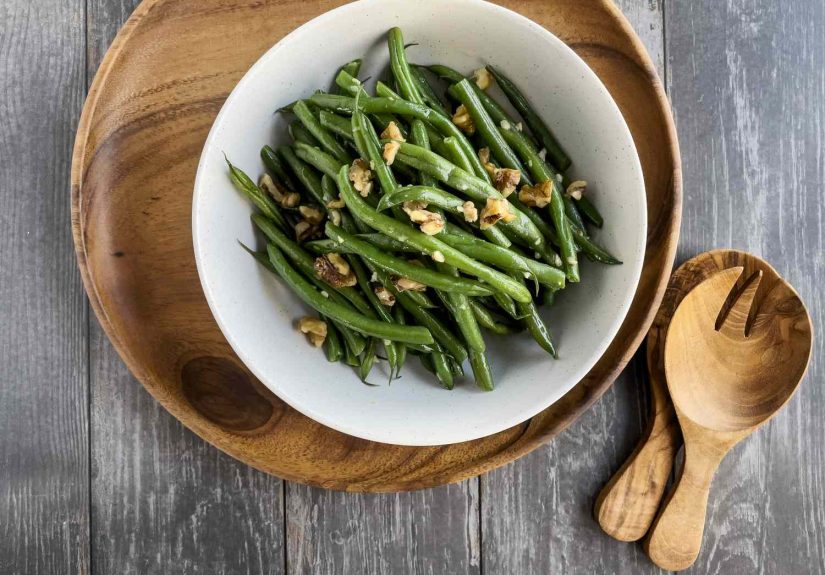
For a simple side dish, steam green beans until crisp-tender, then toss with olive oil, lemon juice, garlic, and a small pinch of salt. If raw vegetables bother your stomach, cooked green beans may be easier to enjoy. Roasting also works beautifully because it softens the beans while adding a slightly sweet, browned flavor.
2. Green Beans Help With Fullness and Weight-Friendly Meals
Green beans can be a helpful food for people trying to build satisfying meals without overloading on calories. They are high in water, naturally low in fat, and provide fiber, which means they take up space on the plate and in the stomach. This is useful because a meal that looks generous is usually more satisfying than three lonely bites arranged like modern art.
Adding green beans to lunch or dinner can make a plate feel complete. Instead of thinking of vegetables as a punishment section, treat them as volume, color, and texture. A scoop of rice, grilled chicken, and green beans feels like an actual meal. A bowl of noodles with shrimp and green beans feels more balanced. A baked potato topped with Greek yogurt, black pepper, and chopped green beans suddenly becomes a lunch that has its life together.
Low-calorie does not mean low-value
Some foods are low in calories because they offer very little. Green beans are different. They provide vitamins, minerals, fiber, and crunch while keeping calories modest. This makes them useful for people who want to eat more food by volume while still making nutrient-dense choices.
They also pair well with protein and healthy fats. That matters because green beans alone are not a full meal. Add them beside eggs, tofu, turkey, salmon, chicken, lentils, or a bean-and-grain bowl. Finish with olive oil, avocado, nuts, seeds, or a yogurt-based sauce. Suddenly, the humble green bean is no longer a side character. It is part of the main cast.
Smart swaps using green beans
Green beans can replace less nutrient-dense sides when you want something lighter. Try them instead of fries with a sandwich, mix them into mac and cheese for extra color, or add them to casseroles with mushrooms and onions instead of relying only on creamy sauces. You still get comfort food, but now it has a vegetable witness.
3. Green Beans Support Heart-Healthy Eating Patterns
No single vegetable can “save” your heart by itself, and anyone claiming otherwise is probably trying to sell you a supplement with a dramatic label. But green beans fit nicely into eating patterns associated with heart health, such as Mediterranean-style and DASH-style meals. These patterns emphasize vegetables, fruits, whole grains, beans, nuts, seeds, lean proteins, and healthier fats while limiting excess sodium, added sugars, and saturated fat.
Green beans contribute in several ways. First, their fiber can support healthy cholesterol levels as part of an overall high-fiber diet. Second, they are naturally low in saturated fat. Third, fresh and frozen green beans are naturally low in sodium, which is helpful for people watching salt intake. Fourth, they add potassium and plant nutrients that make meals more balanced.
Fresh, frozen, or canned: which is best?
Fresh green beans are excellent when they are crisp and bright. Frozen green beans are also a strong choice because they are convenient, budget-friendly, and often picked and frozen soon after harvest. Canned green beans are fine too, especially when they help you eat vegetables more often. The main thing to watch is sodium. Choose “no salt added” or “low sodium” when available, or rinse canned green beans under water before heating.
In real life, the healthiest vegetable is often the one you will actually eat. A bag of frozen green beans used three times this week beats an expensive bundle of fresh beans slowly turning into vegetable sadness in the back of the fridge.
Heart-smart flavor ideas
Instead of drowning green beans in butter or heavy sauce every time, use big flavor from herbs, spices, citrus, vinegar, garlic, mustard, or toasted nuts. Try green beans with lemon zest and black pepper, balsamic vinegar and cherry tomatoes, or garlic and crushed red pepper. For a cozy meal, add them to vegetable soup with barley or whole-grain pasta. Your heart does not require boring food. It just appreciates not being surprised by a salt avalanche.
4. Green Beans Provide Nutrients for Bones, Immunity, and Everyday Energy
Green beans are not just “fiber sticks.” They offer micronutrients that support several body systems. Vitamin K plays an important role in normal blood clotting and bone-related proteins. Vitamin C supports immune function, helps the body make collagen, and acts as an antioxidant. Folate helps with normal cell growth and red blood cell formation. Together, these nutrients help make green beans a practical everyday vegetable.
Vitamin K and bone support
Vitamin K is involved in bone metabolism, which is one reason green vegetables often show up in conversations about bone-supportive eating. That does not mean green beans replace calcium, vitamin D, physical activity, or medical care. It means they can be one useful part of a larger pattern that supports long-term health.
Important note: people taking blood-thinning medication such as warfarin should ask a healthcare professional about vitamin K intake. Usually, the goal is not to avoid vitamin K completely, but to keep intake consistent. Translation: do not suddenly go from zero greens to a heroic mountain of green beans without checking what is right for you.
Vitamin C and immune support
Vitamin C helps support immune defense and collagen production. Collagen is important for skin, blood vessels, bones, and connective tissue. Green beans are not as famous for vitamin C as oranges, but they still contribute to your daily intake, especially when eaten with other fruits and vegetables.
To preserve more vitamin C, avoid boiling green beans until they look like they have given up on life. Steam, sauté, roast, or microwave them until they are tender but still bright. A little crunch is a good sign. A gray-green mush is a cry for help.
How to Choose and Store Green Beans
When buying fresh green beans, look for pods that are firm, smooth, and brightly colored. They should snap when bent, not fold like a tired ribbon. Avoid beans with dark spots, slimy texture, or shriveled ends.
Store fresh green beans unwashed in a bag or container in the refrigerator. Wash them right before cooking to reduce excess moisture during storage. Most fresh green beans taste best within several days, though timing depends on how fresh they were when purchased. Frozen green beans can be kept much longer and are perfect for quick meals. Canned green beans should be stored in a cool pantry and used by the date on the can.
Best Ways to Cook Green Beans Without Making Them Boring
Steam them
Steam green beans for about 4 to 6 minutes, then season with lemon, olive oil, garlic, and pepper. This keeps them bright and crisp-tender.
Roast them
Toss green beans with olive oil, garlic powder, and black pepper. Roast at high heat until lightly browned. Roasting brings out sweetness and gives the edges a little personality.
Sauté them
Cook green beans in a skillet with a small amount of oil, minced garlic, and a splash of water. Cover briefly to steam, then uncover to finish. Add almonds or sesame seeds for crunch.
Add them to meals
Green beans work in stir-fries, soups, casseroles, pasta salads, grain bowls, omelets, and sheet-pan dinners. They are flexible enough to handle Italian, Asian-inspired, Mediterranean, Southern, and simple American flavors.
Common Mistakes to Avoid
Overcooking them: Green beans should not need emotional support after cooking. Keep them crisp-tender and bright.
Using too much salt: A little seasoning is great, but heavy sodium can work against heart-healthy goals, especially with canned beans.
Forgetting protein: Green beans are nutritious, but they are not a protein powerhouse. Pair them with eggs, fish, poultry, tofu, lean meat, yogurt sauce, beans, or whole grains for a more complete meal.
Thinking only fresh counts: Frozen and canned green beans can absolutely be part of a healthy diet. Convenience matters. A vegetable you eat is better than a perfect vegetable you ignore.
Experience-Based Tips: Why Green Beans Earn Their Plate Space in Real Life
After cooking green beans in many everyday situationsbusy weeknights, family meals, holiday dinners, quick lunches, and those slightly dramatic “there is nothing in the fridge” momentsone thing becomes clear: green beans are dependable. They are not flashy, but they show up. And honestly, that is more than we can say for some ingredients that looked exciting at the store and then expired with confidence.
One practical experience is that green beans are an excellent “bridge vegetable.” Some vegetables have strong flavors that divide the table immediately. Brussels sprouts can start debates. Beets can cause facial expressions. Kale sometimes needs a public relations team. Green beans, however, are mild enough for picky eaters but interesting enough for people who already like vegetables. A little garlic, lemon, or toasted almond can make them feel special without making them strange.
They are also helpful for meal prep because they hold their shape better than many softer vegetables. If you roast zucchini on Sunday, it may become watery by Tuesday. Green beans usually stay more pleasant. They can be cooked ahead, chilled, and added to salads or grain bowls. They can also be reheated quickly without turning into soup, which is a major victory for anyone packing lunch.
Another real-life advantage is speed. Fresh green beans can be trimmed and cooked quickly, while frozen green beans are even easier. On a busy night, you can toss frozen green beans into a skillet with olive oil, garlic, pepper, and a splash of water. In less than 10 minutes, you have a vegetable side dish that looks intentional, even if the rest of dinner was assembled with the energy of a person negotiating with hunger.
Green beans also make heavier meals feel more balanced. If dinner includes meatloaf, mashed potatoes, pasta, or a casserole, green beans add freshness and color. That color matters more than people think. A plate with green vegetables looks more complete, and the crisp texture helps break up rich or creamy foods. It is the culinary equivalent of opening a window in a stuffy room.
For families, green beans can be a low-pressure way to encourage more vegetables. Instead of presenting them as “healthy food you must eat,” serve them in different styles: roasted with parmesan, sautéed with garlic, chilled in a salad with tomatoes, or mixed into a stir-fry. Kids and teens may prefer them crisp rather than soft, and many people like them better when they are not overcooked. Texture can change everything.
For budget-conscious eating, green beans are a quiet hero. Frozen bags are often affordable and reduce food waste because you use only what you need. Canned options are shelf-stable and useful when fresh produce is limited. Fresh green beans feel a little more special when they are in season, but you do not need perfect farmers market beans to get benefits. The point is consistency, not vegetable perfection.
The biggest lesson from experience is this: green beans work best when treated like real food, not a sad obligation. Season them. Give them acid from lemon or vinegar. Add crunch from nuts or seeds. Pair them with protein. Put them in meals you already enjoy. When green beans taste good, people eat them. When people eat them regularly, the health benefits become much more realistic than any one-time “superfood” moment.
Conclusion: Green Beans Deserve More Respect
Green beans may not be the loudest vegetable in the produce aisle, but they are one of the most useful. They support digestion with fiber, help create satisfying meals, fit into heart-healthy eating patterns, and provide nutrients such as vitamin C, vitamin K, and folate. They are easy to cook, easy to store, and easy to pair with almost anything.
The best part is that green beans do not require a complicated lifestyle overhaul. Add them to a sheet-pan dinner. Toss them into soup. Roast them until lightly browned. Steam them and finish with lemon. Use frozen green beans on busy nights. Rinse canned green beans when convenience wins. Small habits, repeated often, are where nutrition becomes real.
So yes, green beans deserve a spot on your plate. Not because they are magical, trendy, or wearing a tiny superhero cape, but because they are practical, nutritious, affordable, and surprisingly delicious when cooked with care. That is enough reason to let them move from “holiday casserole extra” to “regular dinner MVP.”






 Close
Close