
Table of Contents >> Show >> Hide
- A quick “how hair gets damaged” refresher (so the tips actually make sense)
- Habit #1: Heat styling like it’s your part-time job
- Habit #2: Over-washing (and accidentally stripping your hair)
- Habit #3: Manhandling wet hair (towel wrestling, aggressive brushing, tight twists)
- Habit #4: Wearing tight hairstyles on repeat (your hairline is keeping receipts)
- Habit #5: Stacking harsh chemical processes (bleach + relaxer + “one more dye job”)
- Your Hair Damage Recovery Game Plan (simple, not dramatic)
- When to talk to a dermatologist or clinician
- Extra: 7 “Been There” Hair Moments (and what people usually learn from them)
- Conclusion: Your hair doesn’t need perfectionjust fewer daily betrayals
Your hair has a reputation for being “low maintenance.” Which is hilariousbecause hair is basically that friend who says
“I’m chill” and then spirals if you text back one minute late.
The tricky part is that most hair damage doesn’t happen in one dramatic moment (like accidentally setting your bangs on fire
with a birthday candle). It’s the tiny, everyday habits that quietly rough up your cuticle, snap strands, and make your ends
look like they’ve been through a group project.
Let’s fix that. Below are five common hair-damaging habitsplus what to do instead, with realistic swaps that don’t require
moving into a shampoo commercial.
A quick “how hair gets damaged” refresher (so the tips actually make sense)
Hair strands are built like a roof: an outer protective layer (the cuticle) covers the inner layers that give hair its strength
and flexibility. When the cuticle is lifted, cracked, or worn down, hair loses moisture, tangles more easily, frizzes faster,
and breaks with less drama than a dropped phone screen protector.
Damage often shows up as split ends, dullness, rough texture, breakage (short snapped pieces), and “why does my ponytail look
thinner?” moments. The good news: you can’t “heal” a split end back together, but you can stop the damage train and
prevent new breakage.
Habit #1: Heat styling like it’s your part-time job
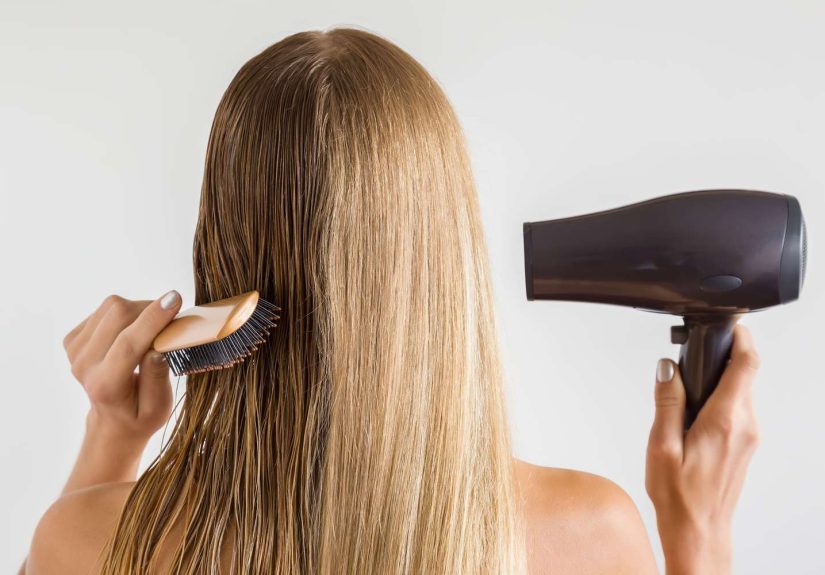
Blow dryers, flat irons, curling wandsheat tools can be awesome, but daily high-heat styling (especially without protection)
can weaken the hair shaft over time. Think dryness, brittle ends, and breakage that makes it seem like your hair “won’t grow”
(it growsyour ends just keep snapping off).
Why it’s secretly damaging
- High heat dehydrates hair, making strands less elastic and more prone to snapping.
- Repeated heat can rough up the cuticle, which leads to frizz, tangles, and dullness.
- Heat + wet hair is extra risky: wet hair is already more fragile, and adding heat can compound stress on the strand.
Signs you’re overdoing it
- Your ends feel crunchy even after conditioning.
- Your hair breaks when you detangleeven gently.
- Curls won’t hold (or they look “limp” no matter what you do).
- Frizz shows up five minutes after styling, like it pays rent.
Do this instead (real-life fixes)
- Turn the temperature down. Use the lowest effective heat settingyour hair is not a steak.
- Use heat protectant consistently. Think of it like sunscreen for your strands: not magical, but definitely protective.
- Try “every other time” heat. Alternate heat styling days with low-heat or heat-free styles.
- Get strategic with your blow dryer. Keep it moving, avoid hovering in one spot, and aim airflow down the hair shaft for smoother results.
Specific example: If you straighten at max heat daily “because it’s faster,” try lowering the temp one level for a week.
You’ll usually get similar resultswith less long-term damage.
Habit #2: Over-washing (and accidentally stripping your hair)
Washing your hair is not a moral issue. You’re not “better” because you wash daily, and you’re not “more enlightened” because you can go
seven days without shampoo. The goal is balance: a clean scalp without stripping hair of the oils that help it stay flexible and less breakable.
Why it’s secretly damaging
- Too-frequent shampooing can dry out hair, especially if you have textured, curly, or chemically treated hair.
- Hot water + aggressive scrubbing can irritate the scalp and rough up strands.
- Product pile-ups can backfire. Overusing dry shampoo or heavy styling products can lead to buildup that makes hair feel dull and harder to manage.
Do this instead
- Wash based on your scalp, not internet rules. Oilier scalps may need more frequent washing; drier, curlier, or thicker hair often does better with less.
- Focus shampoo on the scalp. Let suds rinse through the lengthsyour ends don’t need the full scrub treatment.
- Condition the mid-lengths and ends. That’s where hair tends to be driest and most fragile.
- Use comfortably warm water, not “lava spa.”
Quick reality check: If your hair feels squeaky-clean after every wash, that may be a sign you’re stripping too much.
Healthy hair usually feels soft and flexible, not like it’s auditioning for a dish sponge role.
Habit #3: Manhandling wet hair (towel wrestling, aggressive brushing, tight twists)
Wet hair is the most optimistic version of hairbecause it stretches. Unfortunately, it also breaks easier when it’s stretched too far.
If you’re ripping through knots right after a shower, your hair is basically yelling, “Respectfully, no.”
Why it’s secretly damaging
- Wet hair is weaker and more elastic, so rough detangling can over-stretch strands and cause breakage.
- Rubbing with a towel can create friction, tangles, and frizz (especially for textured hair).
- Sleeping on wet hair adds friction and tension while strands are vulnerable.
Do this instead
- Blotdon’t rub. Gently squeeze water out with a microfiber towel or a soft T-shirt.
- Detangle with slip. Use conditioner or a detangling spray, and start from the ends, working upward.
- Choose the right tool. A wide-tooth comb or a gentle detangling brush is usually kinder than a stiff-bristle brush.
- If you must sleep with damp hair, keep it loose and reduce friction (loose braid, soft scrunchie, smooth pillowcase).
Specific example: If your post-shower routine is “towel turban + aggressive brush,” try switching to “blot + detangle with conditioner +
comb from ends.” You’ll usually see less breakage within a couple of weeksespecially around the crown and hairline.
Habit #4: Wearing tight hairstyles on repeat (your hairline is keeping receipts)
Sleek ponytails. Tight buns. Braids that could double as a suspension bridge. These styles look amazingbut repeated tension can stress the hair follicle,
especially around the hairline. Over time, that can lead to traction alopecia, a type of hair loss caused by pulling.
Why it’s secretly damaging
- Constant tension can damage follicles, leading to thinning and breakage at the edges.
- Heavy extensions or weaves can increase pulling, especially if installed too tightly.
- Early damage can be subtleand easier to reverse if you catch it early.
Early warning signs (don’t ignore these)
- Scalp soreness, bumps, or headaches after styling.
- Short broken hairs along the hairline (“mystery baby hairs” that never seem to grow).
- Thinning at temples or around the edges.
Do this instead
- Loosen the style. If it hurts, it’s too tightpain is not the price of beauty.
- Rotate hairstyles. Avoid pulling the same spots tight every day.
- Take breaks. Give your hairline time off between high-tension styles and “protective” styles that still pull.
- If you wear extensions/weaves, have them installed by a professional and speak up if you feel pain during installation.
Habit #5: Stacking harsh chemical processes (bleach + relaxer + “one more dye job”)
Chemical services can be safe when done thoughtfully, but “stacking” treatmentsbleaching, perming, relaxing, coloring, straighteningcan increase the risk of
breakage, dryness, and scalp irritation. At-home experimenting can be especially risky if timing, mixing, or application goes sideways.
Why it’s secretly damaging
- Chemicals can weaken the cuticle and reduce hair strength, especially when treatments overlap.
- Scalp irritation matters. Burning, stinging, or swelling isn’t “normal”it’s a sign something is wrong.
- Allergic reactions can happen with certain dye ingredients, even if you’ve dyed your hair before.
Do this instead
- Space out chemical services. Give hair time to recover between major processes.
- Patch test dyes. Especially if you’re switching brands or formulas.
- Don’t “power through” burning. If a product causes intense stinging or burning on your scalp, rinse it out and get professional advice.
- Prioritize post-service care. Conditioning, gentle handling, and minimizing heat can make a big difference for processed hair.
Your Hair Damage Recovery Game Plan (simple, not dramatic)
If you recognized yourself in multiple habits, congratulations: you’re normal. Here’s a straightforward reset plan that helps most people see improvements
in softness, shine, and breakage control.
Week 1–2: Stop the “daily micro-damage”
- Reduce heat frequency and lower temperature.
- Be gentler with wet hair (blot, detangle slowly, start at ends).
- Adjust wash routine to your scalp needs; condition the ends consistently.
- Choose low-tension hairstyles more often than high-tension ones.
Week 3–6: Protect and maintain
- Trim if your ends are splitting (you can’t “un-split” themsorry).
- Use conditioning treatments as needed (especially after coloring/bleaching).
- Keep friction low: smoother pillowcases, gentle hair ties, and fewer “tight for no reason” styles.
When to talk to a dermatologist or clinician
Hair care tips are great, but there are times when you should get professional helpespecially if you notice sudden shedding, patchy hair loss, scalp pain,
persistent itching, or inflammation. Early evaluation can help you identify causes and prevent ongoing damage.
Extra: 7 “Been There” Hair Moments (and what people usually learn from them)
(A 500-word, real-world style reality checkbecause hair lessons love to show up uninvited.)
1) The “I only straighten the front pieces” phase.
People often swear they “barely use heat,” then you realize the same two face-framing sections get straightened
five days a week like they’re on a separate contract. Those pieces start looking dull first, then shorter, then mysteriously
frizzier than the rest. The fix is usually simple: lower the temperature, add heat protectant, and give those two sections a couple
of heat-free days each week. It’s like letting your hair breathewithout making your style suffer.
2) The “my hair hates me” shampoo spiral.
Some people switch shampoos constantly because hair feels dry, then wash more often because it feels “weighed down,” then add more dry
shampoo because the scalp gets oily faster. It’s a full soap opera. What often helps is stepping back and washing based on scalp needs,
focusing shampoo on the roots and conditioning the ends. Once the lengths aren’t being stripped daily, hair tends to calm down and behave
more predictably (which is the nicest thing hair can do).
3) The post-gym, tight-ponytail autopilot.
A tight ponytail is convenientuntil it becomes your default style all day, every day. Over time, people may notice short broken hairs at
the hairline or tenderness when taking the ponytail down. Switching to a looser style, changing the ponytail placement, using a soft scrunchie,
and wearing hair down when possible can reduce tension. Your edges will appreciate the vacation.
4) The towel-turban wrestling match.
Many people don’t realize how much friction a rough towel creates until they switch to blotting with a soft T-shirt or microfiber towel.
Suddenly, there’s less frizz, fewer tangles, and detangling doesn’t feel like negotiating with a cactus. This one change can make hair look
healthier fastbecause you’re reducing breakage at the moment hair is most fragile.
5) The “I’ll just brush it out real quick” wet-hair moment.
Wet hair stretches, so fast brushing can turn small knots into snapped strands. People who switch to detangling with conditioner, starting from
the ends, often notice less breakage around the crown and fewer flyaways. It’s not fancyit’s just kinder. (And yes, being kinder to your hair
is a legitimate strategy. Hair responds well to basic respect.)
6) The “one more bleach session” decision.
Bleach and strong chemical processes can be the difference between “cute color refresh” and “why does my hair feel like dry pasta?”
People often learn that spacing out chemical services, trimming regularly, and focusing on conditioning and gentle handling matters more than buying
the most expensive product in the aisle. If your scalp stings or burns during processing, that’s not a badge of honorit’s a warning sign.
7) The “I didn’t know the scalp needs protection too” surprise.
Hair gets attention, but the scalp is skinand it can be vulnerable to sun exposure, especially along parts or thinning areas. Many people only think
about it after getting an accidental “part line sunburn” that feels like karma. Hats, shade, and scalp-friendly sun protection can helpbecause your
hair’s best growth environment is a healthy scalp, not one that’s constantly irritated.
Conclusion: Your hair doesn’t need perfectionjust fewer daily betrayals
If you take nothing else from this, take this: hair damage is usually a slow accumulation of tiny choices. Swap just one habit this weekturn down heat,
detangle gently, loosen that ponytail, or stop scrubbing your ends like they owe you moneyand your hair will likely look and feel better sooner than you’d expect.
And if you’re dealing with significant shedding, scalp pain, or hair loss that seems sudden or patchy, it’s worth talking with a dermatologist.
Getting the right diagnosis early can save you a lot of stress (and a lot of expensive trial-and-error).






 Close
Close