
Table of Contents >> Show >> Hide
- What Makes Hot Tub Soaking So Beneficial?
- 1. Hot Tubs May Help Reduce Stress and Promote Relaxation
- 2. Hot Tubs Can Soothe Sore Muscles and Everyday Aches
- 3. Hot Tubs May Support Better Sleep Routines
- 4. Hot Tubs Can Help Ease Joint Stiffness and Improve Comfort
- 5. Hot Tubs May Encourage Circulation and Cardiovascular Relaxation
- Hot Tub Safety Tips Everyone Should Know
- How Often Should You Use a Hot Tub?
- Who May Benefit Most from Hot Tub Use?
- Practical Ways to Maximize Hot Tub Benefits
- Common Myths About Hot Tub Benefits
- of Real-Life Hot Tub Experiences and Everyday Scenarios
- Conclusion: Are Hot Tub Benefits Worth It?
There is something almost magical about lowering yourself into a hot tub at the end of a long day. Your shoulders drop. Your jaw unclenches. Your brain, which has been juggling grocery lists, work emails, and that one mysterious noise your car keeps making, finally gets the memo: relax.
But hot tubs are not just backyard luxury items for people who own fluffy robes and say things like “the deck needs more ambiance.” When used safely, a hot tub can offer real wellness advantages. Warm water immersion, also called hydrotherapy, may help ease muscle tension, support relaxation, improve sleep routines, soothe stiff joints, and encourage circulation. In other words, your hot tub is not only a bubbly vacation in a box; it can also be a practical tool for everyday comfort.
Of course, a hot tub is not a medical treatment or a replacement for professional care. It will not fix a sprained ankle, cure insomnia, or make your boss stop scheduling meetings at 4:55 p.m. But as part of a balanced lifestyle, regular hot tub soaking can help many people feel calmer, looser, and more refreshed.
Below, we will explore five hot tub benefits in detail, along with practical tips, safety reminders, and real-life examples of how to get the most from each soak without turning yourself into human soup.
What Makes Hot Tub Soaking So Beneficial?
The main reason hot tubs feel so good is the combination of heat, buoyancy, and water movement. Warm water helps relax tight muscles and may support blood flow. Buoyancy reduces the pressure of body weight on joints, which can make movement feel easier. Jets add gentle massage-like pressure that can target tense areas such as the lower back, calves, shoulders, and feet.
This trio creates a relaxing environment that is hard to duplicate on land. A chair supports you, sure. A couch welcomes you, absolutely. But a hot tub surrounds you. It lets your body float, warms you evenly, and gives your nervous system permission to step away from “alert mode.”
For many people, the biggest value of a hot tub is consistency. A 15- to 20-minute soak several times per week can become a dependable wellness ritual. It is simple, low impact, and easy to personalize. You can soak quietly, stretch gently, talk with family, listen to music, or simply stare into the bubbles like a wise backyard philosopher.
1. Hot Tubs May Help Reduce Stress and Promote Relaxation
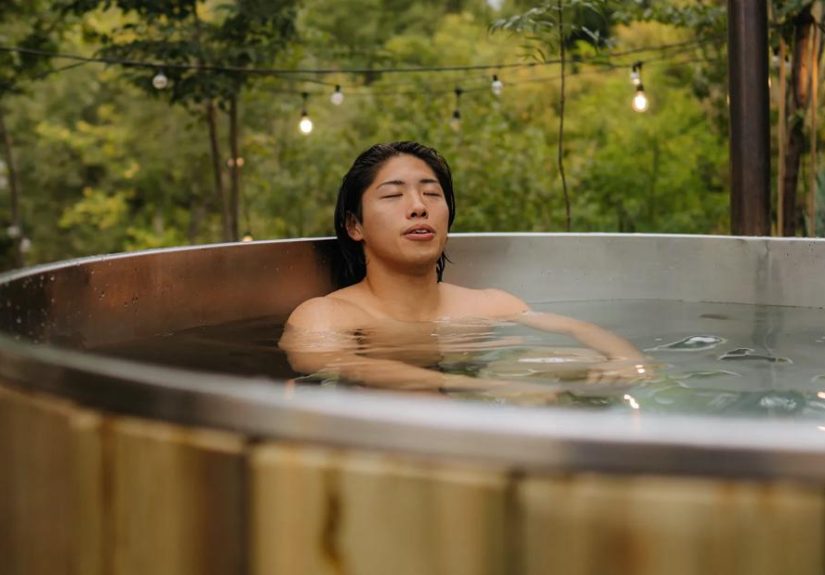
One of the most popular hot tub benefits is stress relief. Warm water can help calm the body, relax the muscles, and create a peaceful transition between a busy day and a slower evening. If your mind tends to run like a browser with 37 tabs open, a hot tub soak can act like a soft reset.
Why Warm Water Helps You Unwind
Stress often shows up physically. You may notice tight shoulders, shallow breathing, headaches, jaw tension, or a stiff neck. Warm water encourages your muscles to loosen, while the sensation of floating can reduce the feeling of physical heaviness. The steady sound of bubbling water may also create a calming sensory experience.
This is why many people use hot tubs as part of an evening routine. The act of stepping away from screens, sitting in warm water, and breathing slowly can tell your body that the workday is officially over. It is basically an out-of-office reply for your nervous system.
How to Use a Hot Tub for Stress Relief
For best results, keep the experience simple. Set the water to a comfortable temperature, dim nearby lighting if possible, and avoid turning the soak into another multitasking session. A hot tub is not the place to answer emails, debate online strangers, or mentally redesign your entire kitchen.
Try slow breathing while you soak. Inhale through your nose for four counts, pause briefly, and exhale for six counts. Repeat this for a few minutes. The goal is not perfection; it is simply to slow down. Add gentle shoulder rolls or neck stretches if they feel comfortable.
A short, mindful soak can be especially helpful after high-stress moments: a tough commute, a long workday, intense caregiving responsibilities, or a packed family schedule. Even 15 minutes can feel like a mini retreat, minus the airport security line.
2. Hot Tubs Can Soothe Sore Muscles and Everyday Aches
Another major reason people love hot tubs is muscle relaxation. Whether soreness comes from exercise, yard work, sitting too long, or pretending you are still 22 during a weekend basketball game, warm water may help your body feel more comfortable.
Heat, Buoyancy, and Jets Work Together
Heat encourages muscles to relax. Buoyancy reduces pressure on the body, making it easier to move with less strain. Jets can provide gentle massage to specific areas, especially the back, hips, legs, and shoulders. Together, these effects can help reduce the sensation of tightness.
Hot tubs are especially popular after physical activity. A soak may help you loosen up after hiking, swimming, cycling, strength training, gardening, or chasing a toddler who has recently discovered speed. While it should not replace proper warmups, cooldowns, stretching, hydration, or rest, it can be a pleasant addition to a recovery routine.
Best Practices for Post-Workout Soaking
If you are using a hot tub after exercise, give your body a little time to cool down first. Jumping directly from intense activity into hot water can make some people feel lightheaded. Drink water before and after soaking, and keep sessions moderate.
Focus on areas that feel tight rather than blasting jets at maximum power for as long as possible. More pressure is not always better. Your muscles are not a stubborn stain. Gentle, steady warmth is often enough.
For general soreness, try light movements in the water. Slowly extend and bend your knees, rotate your ankles, or perform small shoulder circles. Water makes these movements feel easier and less jarring than doing them on land.
3. Hot Tubs May Support Better Sleep Routines
If you have ever taken a warm bath before bed and felt delightfully drowsy afterward, you already understand one of the best hot tub benefits: sleep support. Warm water immersion can help create a relaxing bedtime routine, which is a key part of healthy sleep hygiene.
The Body Temperature Connection
Your body temperature naturally shifts as you prepare for sleep. A warm soak raises your skin temperature, and after you leave the hot tub, your body begins to cool down. This cooling process may help signal that it is time to rest.
The effect is not instant magic. You probably will not step out of the hot tub and collapse into perfect sleep like a cartoon character hit with a frying pan. But when paired with consistent bedtime habits, a soak may help your body transition from active mode to rest mode.
How to Build a Hot Tub Sleep Routine
Try soaking about one to two hours before bed. Keep the session calm and avoid making it overly stimulating. Loud music, bright lights, intense conversations, or scrolling through stressful news can cancel out some of the relaxation benefits.
After soaking, rinse off if needed, put on comfortable clothes, and keep the rest of the evening low-key. Lower the lights, avoid heavy meals close to bedtime, and give your phone a break. Yes, the phone will survive. It has been through worse.
People who struggle with occasional restlessness may find that a hot tub routine gives their evening structure. The soak becomes a clear signal: the day is winding down. Over time, that consistency can make bedtime feel smoother and less like a nightly negotiation with your own brain.
4. Hot Tubs Can Help Ease Joint Stiffness and Improve Comfort
Hot tubs may also be helpful for people who experience occasional joint stiffness. Warm water can make movement feel easier, while buoyancy reduces the load on knees, hips, ankles, and the lower back. This can be especially appealing in the morning, after long periods of sitting, or during colder months when joints may feel less cooperative.
Why Buoyancy Matters
When you sit or move in water, your body feels lighter. This reduced weight-bearing effect can make gentle movement more comfortable. For people who feel stiff after sitting at a desk, driving, traveling, or standing for long periods, a hot tub can provide a low-impact way to loosen up.
Imagine trying to stretch a stiff leg on the floor versus moving it slowly through warm water. In the water, the movement often feels smoother, softer, and less intimidating. That is the beauty of buoyancy: it lets your joints enjoy a little vacation from gravity.
Gentle Hot Tub Movements for Stiffness
Simple movements can make a soak more beneficial. Try ankle circles, slow knee bends, seated marching, wrist rotations, or gentle torso turns. Keep movements controlled and pain-free. The goal is comfort, not winning a synchronized swimming medal.
If you have arthritis, chronic pain, recent surgery, nerve problems, or a diagnosed joint condition, talk with a healthcare professional before starting a hot tub routine. Warm water may feel good, but individual health needs matter. A doctor or physical therapist can help you decide what is safe and useful for your situation.
5. Hot Tubs May Encourage Circulation and Cardiovascular Relaxation
Warm water causes blood vessels near the skin to widen, a process known as vasodilation. This can temporarily increase circulation and create that warm, flushed, relaxed feeling many people notice during a soak. For some healthy adults, this gentle cardiovascular response may be part of why hot tubs feel so restorative.
What Happens During a Warm Soak
When your body warms up, your heart may beat a little faster, and blood flow shifts toward the skin to help manage temperature. This response is normal for many people, but it is also the reason safety matters. Hot tubs can affect blood pressure and heart workload, especially when the water is too hot or the session is too long.
For healthy users, a moderate soak can feel refreshing and relaxing. But people with heart disease, uncontrolled high blood pressure, low blood pressure, fainting episodes, or circulation problems should check with a healthcare professional before using a hot tub. The same applies if you take medications that affect blood pressure, alertness, or heat tolerance.
How to Soak Safely for Circulation Support
Keep water temperature at or below 104°F, and consider a slightly lower temperature if you are new to hot tubs or sensitive to heat. Limit sessions to about 15 to 20 minutes, especially at warmer settings. Stand up slowly when leaving the tub to avoid dizziness.
Hydration is also important. Hot water can make you sweat, even when you do not notice it. Drink water before and after soaking, and skip alcohol in the hot tub. Alcohol plus hot water is not a wellness ritual; it is a recipe for poor decisions and possibly a dramatic exit.
Hot Tub Safety Tips Everyone Should Know
The benefits of hot tubs are best enjoyed with common-sense safety. A hot tub should feel relaxing, not risky. A few simple habits can make your soaking routine safer and more enjoyable.
Keep the Water Clean
Hot tubs need proper maintenance because warm water can allow germs to grow if disinfectant and pH levels are not managed correctly. Test the water regularly, follow manufacturer instructions, and maintain the correct chlorine or bromine levels. If you use a public hot tub, look for clear water, working equipment, and posted maintenance information.
A clean hot tub should not smell overpoweringly chemical. A strong “pool smell” can actually mean the water chemistry is off. If the water is cloudy, foamy, slimy, or smells suspicious, do not get in. Your skin deserves better. So does your dignity.
Watch the Temperature
Hot tub water should not exceed 104°F. Many people prefer 100°F to 102°F for a comfortable soak. Higher temperatures increase the risk of overheating, dizziness, and dehydration. Children, older adults, and people with certain health conditions may need lower temperatures and shorter sessions.
Know When to Avoid Hot Tubs
Avoid hot tubs if you have a fever, open wounds, contagious skin infections, diarrhea, or feel unwell. Pregnant people should avoid hot tubs unless a healthcare provider gives specific guidance, because overheating can be risky during pregnancy. If you have a medical condition, ask a professional before soaking.
Also, never soak alone if you are prone to fainting, dizziness, or blood pressure drops. A hot tub buddy is not just good company; sometimes they are your safety net.
How Often Should You Use a Hot Tub?
There is no perfect schedule for everyone. Some people enjoy a short daily soak, while others use a hot tub two or three times per week. The right frequency depends on your health, schedule, comfort level, and reason for soaking.
If you are new to hot tubs, start slowly. Try 10 to 15 minutes at a moderate temperature and see how your body responds. If you feel relaxed and comfortable afterward, you can gradually build a routine. If you feel dizzy, overheated, weak, or unusually tired, shorten your sessions or lower the temperature.
Consistency matters more than marathon soaking. You do not need to stay in until your fingers look like ancient raisins. Short, regular sessions are usually more practical and enjoyable than occasional overly long ones.
Who May Benefit Most from Hot Tub Use?
Hot tubs can be especially appealing for people who want a relaxing recovery ritual, experience occasional muscle tightness, deal with mild everyday stiffness, or need help creating a calmer evening routine. Athletes, busy parents, desk workers, gardeners, weekend warriors, and anyone who stores stress in their shoulders like a filing cabinet may appreciate the comfort of warm water.
That said, hot tubs are not one-size-fits-all. People with certain medical conditions should be cautious. If you have cardiovascular disease, uncontrolled blood pressure, diabetes complications, heat sensitivity, pregnancy, immune system concerns, or are unsure whether hot tub use is safe for you, get personalized medical advice first.
Practical Ways to Maximize Hot Tub Benefits
To get more from your soak, treat it like a wellness habit rather than a random dip. A few small choices can make the experience more effective.
Create a Relaxing Environment
Use soft lighting, keep towels nearby, and choose calming music if you enjoy it. Avoid loud distractions and keep your phone away from the water. Not only is this better for relaxation, but your phone does not need hydrotherapy.
Pair Soaking With Gentle Stretching
Warm water can make gentle stretching feel easier. Focus on slow, comfortable movements. Stretch your calves, rotate your shoulders, or gently turn your neck from side to side. Avoid bouncing or forcing any position.
Hydrate Before and After
Keep a bottle of water nearby. Hot tubs can make you sweat, and dehydration can sneak up quickly. Drinking water helps you feel better during and after your soak.
Use the Hot Tub as a Screen-Free Zone
Stress relief works best when your brain is not being pelted by notifications. Give yourself permission to be unavailable for 20 minutes. The group chat can wait. The bubbles are calling.
Common Myths About Hot Tub Benefits
Myth 1: Hot Tubs Replace Exercise
Hot tubs may support relaxation and recovery, but they do not replace regular physical activity. Exercise strengthens muscles, supports heart health, improves balance, and offers benefits that soaking alone cannot provide. Think of a hot tub as a helpful teammate, not the whole team.
Myth 2: The Hotter the Water, the Better the Benefit
Hotter is not better. Comfortable warmth is the goal. Water that is too hot can increase the risk of overheating, dehydration, and dizziness. A safe, moderate temperature gives you the benefits without turning your soak into a survival challenge.
Myth 3: Longer Soaks Are Always Better
Most people do not need more than 15 to 20 minutes. Longer sessions may leave you feeling drained instead of refreshed. When in doubt, keep it short and pleasant.
of Real-Life Hot Tub Experiences and Everyday Scenarios
The best way to understand hot tub benefits is to imagine how they fit into real life. Not the glossy brochure version where everyone has perfect hair in the steam, but the normal version where someone forgot to bring a towel and the dog is judging from the patio.
Picture a person who works at a desk all day. By 6 p.m., their neck feels tight, their lower back is grumpy, and their shoulders have migrated toward their ears. A 15-minute hot tub soak after dinner can become a clear dividing line between work and home. They step into the warm water, let the jets run gently across the back, and take a few slow breaths. Nothing dramatic happens. No choir sings. But by the time they step out, they feel less like a crumpled receipt and more like a functioning human.
Now think about a weekend gardener. They spent Saturday pulling weeds, trimming shrubs, moving bags of mulch, and making bold statements like, “This will only take an hour.” By evening, their legs and back are reminding them that optimism is not a warmup routine. A hot tub soak can help relax tired muscles and make the body feel less stiff. Add a glass of water, a quiet playlist, and a comfortable robe afterward, and recovery feels less like damage control and more like a reward.
Hot tubs can also become a family ritual. Instead of everyone disappearing into separate screens after dinner, a short soak can create relaxed conversation. Teenagers may talk more when nobody is staring directly at them. Couples may find it easier to reconnect when the setting is calm. Even simple conversations feel better when the background soundtrack is bubbling water instead of a dishwasher making suspicious clanking sounds.
For people who struggle to slow down before bed, a hot tub can serve as a nightly cue. The routine might look like this: soak for 15 minutes, rinse off, put on pajamas, make herbal tea, and read a few pages of a book. Over time, the body starts to recognize the pattern. Warm water becomes the first step in powering down. It is not a sleeping pill; it is a gentle nudge.
There is also an emotional benefit to having a place that feels intentionally restful. Modern life is full of small demands. Notifications, errands, bills, deadlines, and household chores all compete for attention. A hot tub creates a tiny boundary. For a few minutes, you are not folding laundry, answering messages, or comparing yourself to someone’s suspiciously perfect vacation photos. You are simply sitting in warm water, breathing, and letting the day loosen its grip.
The experience does not have to be fancy. You do not need luxury landscaping, imported candles, or a playlist called “Moonlit Spa Vibes Volume Seven.” The real benefit comes from consistency and intention. A safe, clean, well-maintained hot tub can become a personal reset button: part relaxation tool, part recovery station, part backyard escape pod.
Conclusion: Are Hot Tub Benefits Worth It?
For many people, yes. The top hot tub benefits include stress relief, muscle relaxation, better sleep routines, joint comfort, and temporary circulation support. When used safely, a hot tub can be a valuable part of a wellness-focused lifestyle. It offers a simple way to slow down, recover from daily tension, and create a relaxing routine that feels both enjoyable and practical.
The key is moderation. Keep the water clean, stay within safe temperature limits, hydrate, and listen to your body. If you have health concerns, get medical guidance before soaking. A hot tub should leave you feeling calm and refreshed, not overheated, dizzy, or questionable about your life choices.
Whether you use it after workouts, before bed, on chilly evenings, or whenever stress tries to move into your shoulders rent-free, a hot tub can offer more than bubbles. It can become a small but meaningful habit that supports comfort, relaxation, and a better relationship with your own downtime.
Note: This article is for general educational and lifestyle information only. It is not medical advice. Anyone who is pregnant, has heart disease, blood pressure concerns, chronic illness, heat sensitivity, open wounds, or other medical questions should speak with a qualified healthcare professional before using a hot tub.







 Close
Close