
Table of Contents >> Show >> Hide
- 1) Mystery Cords, Random Chargers, and Outdated Tech Cables
- 2) Owner’s Manuals, Warranty Papers, and “Important” Paper Piles
- 3) Single-Use Kitchen Gadgets and “Someday” Tools
- 4) Takeout Containers, Orphan Lids, and the Great Tupperware Lie
- 5) Gifts You Don’t Use (and the Guilt That Came With Them)
- How to Decide Fast (Without Overthinking Yourself Into a Nap)
- Conclusion: Tossing “Just in Case” Clutter Is a Form of Self-Respect
- Extra: Real-Life Experiences That Make These Five Categories Hit Home (About )
You know that one drawer. The one that squeaks in protest because it’s packed with “might need this someday” stuff.
Congratulations: you have a Just-in-Case Museum. Admission is free, but the emotional entry fee is steepevery time you
can’t find tape, a charger, or your sanity.
Professional organizers aren’t anti-sentiment or pro-waste. They’re pro-space, pro-clarity, and pro-not-buying-a-new-one-because-you-can’t-find-the-old-one.
The truth is, most “just in case” items aren’t backupsthey’re anchors. They take up room, create visual noise, and quietly make your home harder to run.
Below are five common clutter culprits organizers see all the timeplus the simple rules that help you ditch them without spiraling into
“What if I need it during an apocalypse?” thinking. (If the apocalypse comes, we’ll all be bartering with canned beans anyway. Your mystery HDMI cable will not be currency.)
1) Mystery Cords, Random Chargers, and Outdated Tech Cables
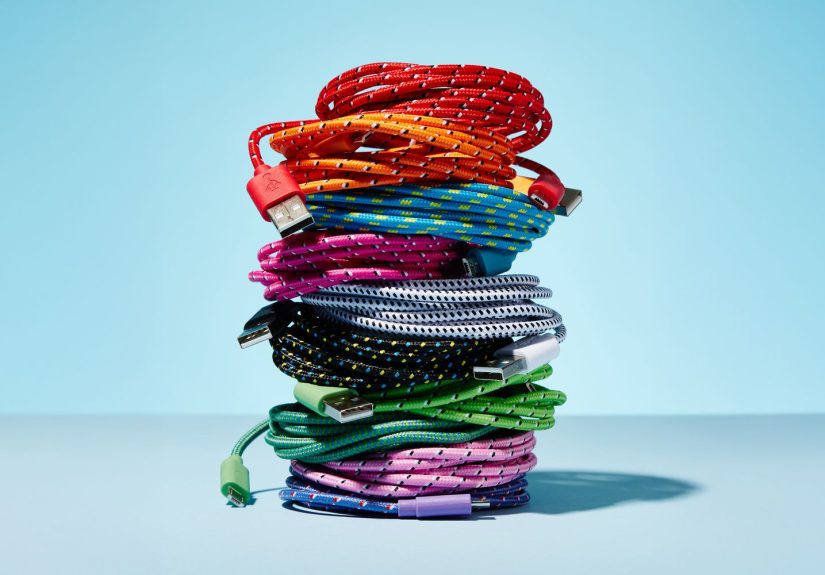
If your cord collection has ever made you whisper, “Who even are you?”this one’s for you. Old phone chargers, duplicate USB cords,
mystery adapters, and cables for devices you no longer own tend to multiply like rabbits with access to free shipping.
Why you keep them “just in case”
- You’re convinced the missing cable is the only thing standing between you and a fully functioning life.
- You feel guilty tossing electronics-related items because they seem “useful.”
- You’re not totally sure what the cord goes to, and uncertainty turns into clutter.
Why organizers say to toss (or recycle) them
Unidentified cords don’t solve problemsthey create them. They waste time, jam drawers, and turn a quick grab into a scavenger hunt.
Plus, tech changes fast. Keeping a dozen cords “for later” often means keeping a dozen cords “forever.”
What to do instead
- Do a 10-minute cord audit. Plug them in, match them to devices you currently use, and label what stays.
- Create one small “tech kit.” A zip pouch or small bin is enough. If it doesn’t fit, you have too many.
- Recycle responsibly. Many communities, retailers, and e-waste programs accept old cables and chargers.
Quick test: If you can’t name the device it belongs to in 15 seconds, it’s not a “backup”it’s a mystery novel with a bad ending.
2) Owner’s Manuals, Warranty Papers, and “Important” Paper Piles
Paper clutter has a special talent: it looks boring, but it weighs a tonmentally. Manuals for appliances you’ve replaced, warranty cards from 2017,
and “I should file this” stacks are basically tiny stress factories.
Why you keep them “just in case”
- You worry you’ll need a manual for troubleshooting someday.
- You think you’ll need paper proof for a warranty claim.
- You’re afraid of tossing something important, so you toss nothing.
Why organizers say to let them go
Most manuals live online now, and many warranties can be verified through receipts, order histories, or registration emails.
Meanwhile, those “important” stacks become a black hole where truly important documents disappear.
What to keep (and how to keep it)
- Keep only what’s legally or financially necessary: tax documents (for the appropriate retention period), property records, insurance policies, vital records.
- Go digital where it makes sense: scan or photograph key papers and store them securely.
- Use a simple file system: one folder for “Active/Home,” one for “Medical,” one for “Taxes,” one for “Car,” etc.
Quick test: If you can Google the manual in 30 seconds, you don’t need the paper copy taking up space for 30 years.
3) Single-Use Kitchen Gadgets and “Someday” Tools
Kitchens are magnets for “helpful” gadgets: avocado slicers, banana keepers, novelty egg separators, and that one tool you bought because a video promised it would “change your life.”
Spoiler: your life remained stubbornly unchanged.
Why you keep them “just in case”
- You spent money on it, so tossing it feels like admitting defeat.
- You imagine a future version of you who makes spiralized zucchini daily.
- It’s not broken, so it feels “wrong” to let go.
Why organizers say to toss (or donate) them
Single-use gadgets crowd out the tools you actually use. When drawers are stuffed, cooking becomes hardermore digging, more clutter, more frustration.
A streamlined kitchen is faster, easier, and (bonus) way less annoying to clean.
What to do instead
- Pick your MVPs: a sharp chef’s knife, cutting board, sturdy peeler, tongs, measuring toolsthings you reach for weekly.
- Set a “frequency rule”: if you haven’t used it in 12 months, it’s a candidate for donation.
- Keep one “experiment” bin: allow yourself a small space for fun tools. When it’s full, something has to go before something new comes in.
Quick test: If the gadget only works for one food and you used it once and it’s a pain to wash, your kitchen is politely asking you to stop.
4) Takeout Containers, Orphan Lids, and the Great Tupperware Lie
Takeout containers are the classic “I’ll reuse this” item that turns into a leaning tower of plasticcomplete with lids that never match anything
and containers that smell faintly like last year’s curry no matter how many times you wash them.
Why you keep them “just in case”
- You don’t want to be wasteful, and reuse feels virtuous.
- You think you’ll need them for meal prep, leftovers, or “sending food home with someone.”
- You keep them because they were free, which makes them feel harmless.
Why organizers say to toss them
They’re rarely airtight, they stain, they warp, and they breed chaos. When food storage is messy, it’s harder to put leftovers away properly,
which can lead to more food wastenot less.
What to do instead
- Match and purge: keep only containers with lids that fit, and recycle or toss the rest.
- Choose a small, consistent set: a few stackable containers in similar shapes/sizes beats a random pile every time.
- Set a container cap: decide how many you realistically use in a week and don’t exceed it.
Quick test: If it doesn’t have a matching lid or it’s stained beyond recognition, it’s not “reusable.” It’s a plastic souvenir from dinner.
5) Gifts You Don’t Use (and the Guilt That Came With Them)
The “nice” candle you don’t like. The fancy lotion that smells like a botanical panic attack. The mug that says “World’s Best Whatever” from someone you barely know.
Gifts can be wonderfuland also wildly inconvenient when you keep them out of obligation.
Why you keep them “just in case”
- You feel guilty getting rid of something someone chose for you.
- You worry it’s ungrateful to donate or toss it.
- You tell yourself you’ll use it someday (but “someday” keeps rescheduling).
Why organizers say to release them
A gift’s job is to be given. Once it’s in your home, it should either serve you or leave gracefully.
Keeping unwanted gifts turns your space into a storage unit for other people’s intentions.
What to do instead
- Donate it promptly: someone else may actually love it (and use it).
- Create a “gift exit spot”: a small bin for items you’ll donate, regift, or return.
- Keep the sentiment, not the stuff: appreciate the thought, then choose peace over clutter.
Quick test: If you wouldn’t buy it for yourself today, don’t make your home keep it forever.
How to Decide Fast (Without Overthinking Yourself Into a Nap)
If you’re staring at a pile thinking, “But what if…,” use these organizer-friendly rules to move forward:
- The replacement rule: If you can replace it quickly and cheaply, you don’t need to store it indefinitely.
- The space tax: Every item costs space. If it’s not earning its keep, it’s charging you rent.
- The reality check: You’re organizing for the life you livenot the life where you host a weekly brunch while training for a marathon and making sourdough from scratch.
- The container rule: Storage should be a limit, not a suggestion. If the bin is full, you’re done.
Conclusion: Tossing “Just in Case” Clutter Is a Form of Self-Respect
The goal isn’t a minimalist showroom. It’s a home where you can find what you need, clean without moving mountains, and open a drawer without triggering an avalanche.
When you let go of “just in case” cluttermystery cords, paper piles, gadget graveyards, lid chaos, and guilt-giftsyou’re not losing options.
You’re gaining breathing room.
Pick one category from this list and do a quick sweep today. Not tomorrow. Not “after you get new bins.” Today.
Future-you will be so relieved… and might even stop buying duplicates because you can finally see what you already own.
Extra: Real-Life Experiences That Make These Five Categories Hit Home (About )
Here’s what tends to happen in real homes (and why “just in case” clutter is sneakier than it looks).
First, there’s the cord spiral. Someone goes looking for a phone charger, finds a tangled knot of cables, gets annoyed, and buys a new one.
Two months later, they do it again. The drawer becomes a time capsule of “temporary solutions.” The funniest part? When they finally dump the cords on the floor,
they realize half of them don’t fit anything they own anymore. That ancient camera cable? The camera has been gone since the last decade.
The mystery adapter? It belongs to a router that was replaced three internet providers ago. The “just in case” stash didn’t prevent a problemit quietly funded a whole new collection of duplicates.
Then comes paper gravity. Paper piles don’t start as piles. They start as one envelope you didn’t open, a receipt you meant to file,
a warranty card you swore you’d mail. Over time, paper gathers paper like it’s building a little friendship group.
Eventually, you can’t tell what’s important, so everything feels important, so nothing gets sorted. The relief people feel after creating a simple “action folder”
(stuff to handle this week) and a small set of labeled files is immediate. It’s like your brain stops running fifteen background tabs.
Kitchens have their own genre of chaos: the gadget optimism phase. You buy a tool because it promises effortless meal prep,
but the tool is bulky, annoying to clean, and requires a special technique you do not have time to master on a Tuesday.
So it moves to the back of a cabinet where it lives next to the yogurt maker you used twice and the pan that kind of sticks but “still works.”
The breakthrough moment is usually when someone realizes their best cooking is done with a few reliable tools they actually like using.
Less stuff means you can reach what you need without rearranging your entire kitchen like you’re playing appliance Tetris.
And yes, the container situation is universal. People keep takeout containers with the good intention of reusing them,
but the containers stain, lids disappear, and suddenly you have a chaotic pile that doesn’t stack and doesn’t seal.
When someone finally matches lids, recycles the extras, and keeps a small set of stackable containers, putting away leftovers becomes easier
which often means leftovers get eaten instead of forgotten.
Finally, there’s gift guilt. Many people keep unwanted gifts because they feel like tossing the item equals tossing the relationship.
But the relationship isn’t stored in a mug or a candle. Once people give themselves permission to donate what they don’t use,
their homes feel more honestfilled with things they chose, that support their daily life. The surprising result?
They enjoy the gifts they keep even more, because those items aren’t buried under the ones that never fit.
The pattern is simple: “just in case” clutter rarely protects you from future problems. It usually creates daily friction right now.
When you clear these five categories, your home starts working with you instead of against youand that’s the kind of upgrade you feel every day.






 Close
Close