
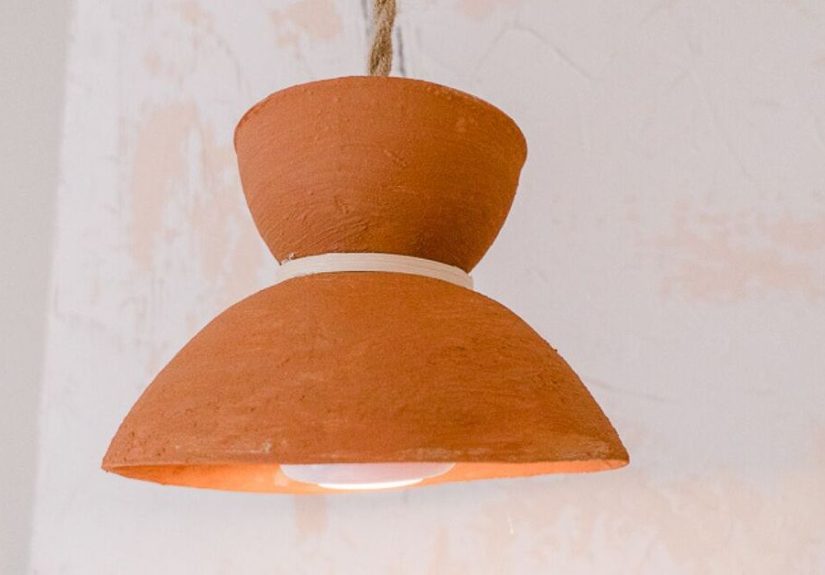
Table of Contents >> Show >> Hide
- Why a DIY Bowl Light Is Such a Smart Upgrade
- What You’ll Need for Your Bowl Light
- Step 1: Choose the Perfect Bowl
- Step 2: Mark the Center and Plan the Opening
- Step 3: Drill a Clean Hole in the Bowl
- Step 4: Thread the Light Kit Through
- Step 5: Paint, Stain, or Decorate Your Bowl Light
- Step 6: Install and Test Your Bowl Light
- Safety Tips for DIY Bowl Lights
- Where to Use Your New Bowl Light
- Troubleshooting Common Bowl Light Issues
- of Real-Life Experience: What It’s Like Living with a DIY Bowl Light
- Conclusion
If you’ve ever stared at a cute salad bowl at the dollar store and thought, “You’d make a great light fixture,” congratulations: you’re absolutely right. A simple bowl light is one of the easiest DIY lighting projects you can tackle, and it can completely change the personality of a room without draining your bank account.
In this step-by-step guide, we’ll walk through how to turn an ordinary bowl into a stylish pendant or ceiling light using basic tools and an off-the-shelf light kit. We’ll also talk about safety (because electricity is not the place for guesswork), placement ideas, and real-life tips from people who’ve actually lived with their DIY bowl lights.
Whether you’re a renter looking for a reversible upgrade or a homeowner craving a custom designer look on a thrift-store budget, this project is beginner-friendly, fast, and seriously fun.
Why a DIY Bowl Light Is Such a Smart Upgrade
Before we start drilling holes in anything, let’s talk about why bowl lights have become a favorite among DIYers:
- Budget-friendly: You can create a “designer” pendant for the price of takeout. A thrifted or dollar-store bowl plus a simple light kit often comes in under $30.
- Custom look: Wood, ceramic, metal, plastic, rattanif it’s bowl-shaped, it’s probably light-fixture material. You can paint, stain, or engrave it to match your style.
- Compact and versatile: Bowl lights work over kitchen sinks, in hallways, laundry rooms, kids’ rooms, and cozy reading corners.
- Beginner-friendly wiring: Using a ready-made pendant or plug-in kit means you’re not building a lamp from scratchyou’re just giving it a cuter shade.
Ready to make your own? Let’s start with the supplies.
What You’ll Need for Your Bowl Light
Tools and Materials
- 1 medium or large bowl (wood, metal, or sturdy plastic all work)
- Pendant light kit or ceiling light kit (UL-listed, with socket and wiring)
- LED light bulb (preferably a low-heat LED, like 6–9 watts)
- Drill with appropriate bit:
- For wood or plastic: standard spade bit or hole saw
- For metal: metal hole saw or step bit
- For ceramic or glass: diamond-tipped bit
- Painter’s tape and marker (for marking your drill point)
- Safety glasses and work gloves
- Sandpaper or small file (to smooth the drilled hole)
- Optional: spray paint, primer, or stain and sealer for finishing
- Optional: strain relief connector or cable grip for a more professional finish
Important: If your project involves hardwiring into your ceiling, turn the power off at the breaker, not just at the wall switch. If you’re unsure about connecting wires, it’s worth having an electrician handle the final hook-up.
Step 1: Choose the Perfect Bowl
This is where the fun starts. Your entire light fixture will be defined by this one piece, so choose wisely.
- Size: For a small hallway or over a sink, a 10–12 inch wide bowl works beautifully. For a single statement pendant over a table, you might go 14–16 inches.
- Material:
- Wood: Warm, cozy, and easy to drill. Great for modern farmhouse or Scandinavian vibes.
- Metal: Sleek and contemporary. Think brass, black, or brushed steel.
- Ceramic or glass: Gorgeous but more fragile, and drilling requires the correct bit and patience.
- Plastic: Light and safe for renters, especially when using low-heat LEDs.
- Shape and depth: A deeper bowl will focus light downward, creating a spotlight effect. A shallower bowl will give a more diffused glow.
Hold the bowl upside down roughly where you plan to install it and imagine the light streaming out of it. If it looks balanced and not cartoonishly huge for the space, you’re on the right track.
Step 2: Mark the Center and Plan the Opening
Now it’s time to figure out exactly where the light kit will go.
- Flip the bowl upside down on a soft surface to avoid scratches.
- Measure the diameter and lightly draw two lines that cross at the center.
- Mark the intersection with a dotthis is where you’ll drill. Use painter’s tape over the spot if you’re working with ceramic, glass, or metal to help reduce slipping and chipping.
Check the instructions on your light kit to see how large the hole needs to be. Most pendant kits require a hole that’s just wide enough to fit the threaded part of the socket or strain relief through.
Step 3: Drill a Clean Hole in the Bowl
This is the step that scares people, but it doesn’t have to. Go slowly, use the right bit, and let the tool do the work.
- Secure the bowl: Use a clamp, helper, or non-slip mat so it doesn’t move around.
- Start slow: Begin drilling at low speed to create a small guide groove.
- Keep it cool (for glass/ceramic): Mist water on the drill bit as you go to keep it from overheating and to reduce cracks.
- Don’t force it: Let the bit grind its way through; pushing too hard is what causes chips or breaks.
Once the hole is drilled, lightly sand or file the edges so they’re smooth and cannot cut into the cord’s insulation.
Step 4: Thread the Light Kit Through
With your hole ready, it’s time to introduce the wiring.
- Disassemble the top pieces of your pendant or ceiling kit as instructed, keeping track of any mounting rings or nuts.
- Feed the cord through the hole from the inside of the bowl to the top.
- Reattach any retaining pieces so the bowl is “trapped” between the socket and the hardware. If you’re using a strain relief connector, this is where it keeps the cord from pulling or twisting.
The socket should now hang neatly from the inside of the bowl, with the bowl acting as the shade. Give the cord a gentle tug to make sure everything is stable and nothing shifts.
Step 5: Paint, Stain, or Decorate Your Bowl Light
You can absolutely keep the original finish if you love it, but this is also your chance to create something custom:
- Spray paint: Metallic gold, matte black, or soft white are classic choices. Use a primer suitable for the bowl’s material.
- Two-tone look: Paint the outside one color and keep the inside a light or reflective shade to maximize brightness.
- Wood stain: For wooden bowls, sand lightly and apply stain plus a clear sealer for a rich, natural look.
- Drilled patterns: For metal or plastic, you can drill small decorative holes around the sides to create starry or dotted light patterns on your walls.
- Stencils and stripes: Use painter’s tape to add stripes, color blocking, or geometric details.
Allow everything to dry completely before installing the light or turning it on. Paint fumes and electricity are not a duo we’re trying to ship.
Step 6: Install and Test Your Bowl Light
How you install the finished fixture depends on the type of kit you’ve chosen:
Option 1: Hardwired Ceiling Bowl Light
If you’re replacing an existing ceiling fixture:
- Turn off power at the breaker and test the fixture wires with a non-contact voltage tester.
- Remove the old light, keeping track of how it was wired.
- Mount the new bracket from your light kit to the junction box.
- Connect wires: typically black to black (hot), white to white (neutral), and green or bare copper to the ground screw or wire. Match your local code and the kit instructions.
- Secure the canopy, add your LED bulb, and turn the power back on.
Option 2: Plug-In Pendant Bowl Light
For renters or anyone who doesn’t want to touch the electrical box:
- Use a plug-in pendant kit with a long cord.
- Attach the bowl shade as described above.
- Hang the cord using ceiling hooks and cord clips, then plug it into a wall outlet.
- Add a smart or remote-controlled bulb if you want easy on/off control without installing a switch.
Whichever route you take, stand back and admire your work. Flip the switch and adjust the cord length or fixture height until it looks just right.
Safety Tips for DIY Bowl Lights
Lighting projects are totally doable for beginners, but a few safety rules are non-negotiable:
- Power always off: When working with existing wiring, turn power off at the breaker and verify with a voltage tester.
- Use LED bulbs: LEDs run cooler and use less energy, which is safer for enclosed or shallow shades.
- Size the bulb correctly: The bulb should not sit so close to the bowl that it almost touches, especially with plastic or wood.
- Use quality components: Choose UL-listed kits and sockets rather than mystery parts with questionable wiring.
- Know your limits: If you’re uncomfortable with hardwiring, let an electrician connect it. You can still do all the design, drilling, and assembly.
Where to Use Your New Bowl Light
One of the biggest perks of a DIY bowl light is its flexibility. Here are a few fun placement ideas:
- Over the kitchen sink: A small wooden or metal bowl light adds warmth and character where you do dishes.
- Hallway or entryway: Swap out a builder-grade “boob light” for a shallow bowl flush mount and instantly upgrade the space.
- Dining nook: Hang a larger bowl pendant over a small table for a cozy café vibe.
- Bedroom corners: Use a plug-in bowl pendant as a reading light over a chair or bedside table.
- Laundry room or closet: Even the most utilitarian spaces feel special with a stylish custom fixture.
Troubleshooting Common Bowl Light Issues
The Bowl Feels Crooked or Wobbly
If the shade tilts, check that the hardware is tightened evenly and that the drilled hole is centered. You can add a small washer or gasket to level things out.
The Light Feels Too Dim
Try a brighter LED (within the fixture’s limits) or choose a bulb with a wider beam angle. You can also paint the interior of the bowl a light color to bounce more light.
There’s Glare from the Bulb
If the bulb feels too harsh when you look up, switch to a frosted or “soft white” bulb, or choose a bowl that extends a bit lower to hide the bulb from direct view.
of Real-Life Experience: What It’s Like Living with a DIY Bowl Light
On paper, a bowl light sounds like a simple weekend project. In real life, it’s one of those upgrades that quietly makes you happy every time you walk into the room. Here’s what people usually learn after they’ve lived with their DIY bowl light for a while.
1. You start seeing “future light fixtures” everywhere. Once you’ve turned one bowl into a light, you’ll never look at kitchenware the same way again. That vintage wooden salad bowl at the thrift store? Light. The oversized metal mixing bowl you never use? Also a light. Friends may start hiding their favorite serving pieces when you visit, just in case you get ideas.
2. The hardest part is usually the drilling, not the wiring. Many DIYers report that once they’ve successfully drilled the holewithout cracking glass, chipping ceramic, or overheating a metal bowlthe rest feels surprisingly straightforward. Using a ready-made kit means most of the electrical thinking has already been done for you. You’re simply dressing the kit up in something prettier.
3. Lighting mood matters more than you expect. People often discover their bowl light changes the feel of the room even more than the look. A deeper bowl creates a soft spotlight that’s perfect for dining areas or cozy reading corners. A shallower bowl lets more side light escape, making a small space feel bigger and brighter. If you add a dimmer switch or smart bulb, the fixture pulls double dutyfrom “bright and awake” in the morning to “soft and glowy” at night.
4. You’ll appreciate the details you customized. That stripe you taped and painted around the bottom edge? You’ll notice it every time you glance up. The warm wood stain you chose to match your open shelving? It helps pull the whole room together. Many people say their bowl light is the first thing guests comment on, especially when they hear it started life as a $3 find from a discount store.
5. Maintenance is easier than you think. Cleaning a bowl light is generally as simple as dusting the outside and occasionally wiping the inside with a soft cloth. If you chose a material like wood or metal, it usually hides small smudges better than glass. And because you used an LED bulb, you’re not climbing up to replace it every few months.
6. It makes you braver for future projects. Successfully pulling off a DIY light fixture is a confidence booster. Once you’ve measured, drilled, assembled, and installed a bowl light, other projectslike swapping out more fixtures, adding plug-in sconces, or experimenting with lamp kitsstart to feel much more approachable. You’ve already proved you can combine creativity with practical know-how.
In the end, making the cutest bowl light for your home is less about perfection and more about playing with materials, colors, and shapes until it feels like you. The fact that you saved money and kept something out of the landfill? That’s just a very bright bonus.
Conclusion
A DIY bowl light is the perfect blend of creativity, practicality, and budget-friendliness. With a single bowl, a basic light kit, and a bit of careful drilling, you can create a custom fixture that looks like it came from a high-end home store. By following these six easy stepschoosing the right bowl, drilling safely, attaching a quality light kit, finishing the surface, installing correctly, and fine-tuning the lookyou’ll end up with a unique piece that lights your home and showcases your style.
So the next time you spot a great bowl at the dollar store, thrift shop, or in the back of your cabinet, don’t just think “salad.” Think “statement light.”






 Close
Close