
Table of Contents >> Show >> Hide
- Why a Power Strip Is Not a Magic Upgrade
- 1. Space Heaters
- 2. Refrigerators and Freezers
- 3. Microwaves
- 4. Toaster Ovens and Air Fryers
- 5. Coffee Makers, Electric Kettles, and Similar Heat Appliances
- 6. Window and Portable Air Conditioners
- How to Know When Something Should Skip the Power Strip
- Common Mistakes That Make Power Strips Even Riskier
- Final Thoughts
- Real-World Experiences and Lessons Homeowners Learn the Hard Way
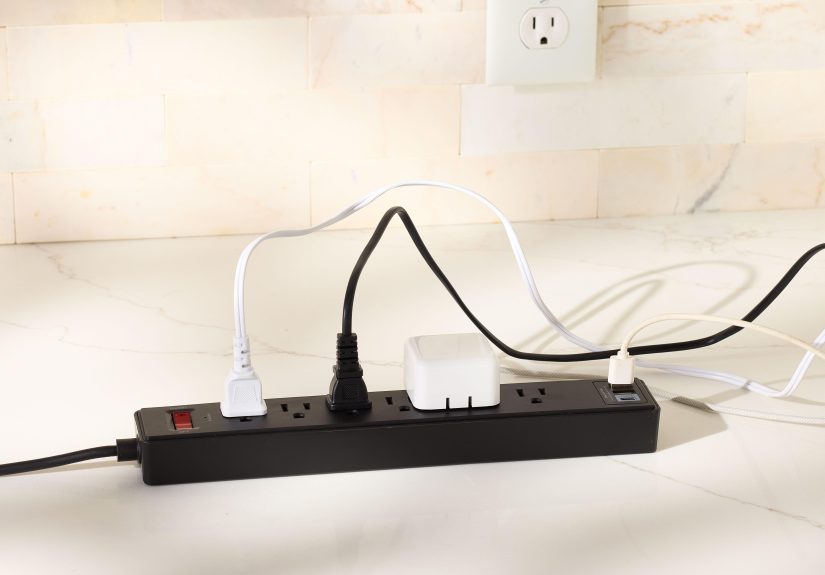
Power strips are the overachievers of modern life. They sit quietly behind desks, under TV stands, and beside beds, turning one lonely wall outlet into a tiny electrical village. For chargers, lamps, routers, and laptops, that setup can work just fine. But the moment you ask a power strip to babysit a heat-producing appliance or a big motor-driven machine, the mood changes fast.
That is where people get into trouble. A lot of homeowners treat a power strip like a magical outlet multiplier, when really it is more like a convenience tool with limits. It does not create extra electrical capacity. It simply spreads the same circuit across more places to plug things in. So when a high-demand appliance pulls serious wattage through that strip, you can end up with overheating, nuisance breaker trips, damaged cords, or a fire risk that started with a sentence nobody wants to say out loud: “I figured it would probably be fine.”
If you remember just one thing, make it this: power strips are best for lower-draw electronics, not for appliances that create heat, cycle on and off with a compressor, or need a dedicated outlet to operate safely. In other words, your phone charger is invited to the party. Your space heater absolutely is not.
Why a Power Strip Is Not a Magic Upgrade
Here is the part many people miss: a power strip does not increase the amount of electricity available from the wall. It only gives you more sockets. That means a strip plugged into a standard household outlet still shares the limits of that outlet and the circuit behind it. Plug in several high-watt devices, and you are not being efficient. You are stacking demand in one place and hoping the strip, outlet, and circuit all stay happy about it.
That is why electrical safety advice is so consistent on this topic. High-draw appliances and heat-producing devices are poor matches for power strips because they can overload the strip, overheat cords, or trip breakers. Some appliances also need their own grounded wall outlet for stable performance. Translation: if it gets hot, cools food, cooks dinner, or tries to make summer bearable, it usually deserves a direct connection to the wall.
1. Space Heaters
Why They Are a Bad Match
Space heaters are the undisputed champions of “absolutely do not plug this into a power strip.” They pull a lot of electricity, often for long stretches, and they generate heat while doing it. That is basically the electrical version of asking a folding chair to hold a piano.
When a heater runs through a strip, the strip can overheat, especially if it is older, cheap, damaged, or sharing space with other devices. Even if nothing dramatic happens right away, the setup is still risky. Heat plus long runtime plus high draw is not a combination that deserves your trust.
What to Do Instead
Plug a space heater directly into a wall outlet. Keep it on a stable surface, leave plenty of clearance around it, and do not run the cord under rugs, across doorways, or behind furniture where heat can build up unnoticed. If using a heater makes your breaker trip, the solution is not a better strip. The solution is rethinking the circuit load.
2. Refrigerators and Freezers
Why They Should Go Straight to the Wall
Refrigerators and freezers may look calm, but electrically they are not exactly sipping power like a night-light. They cycle on and off, and that compressor startup can demand more than people expect. Put that through a power strip, and you are asking a convenience accessory to handle an appliance that really wants a stable, grounded outlet of its own.
There is also the practical nightmare factor. If a strip trips or fails, you may not notice right away. Then hours later you discover melted ice cream, a warm freezer, and a new personality disorder caused by replacing groceries. Not ideal.
What to Do Instead
Plug refrigerators and freezers directly into a wall outlet. Avoid piggybacking them with other appliances on the same strip or extension setup. If your fridge cord does not reach, that is a layout problem to fix, not a power strip problem to “solve.”
3. Microwaves
Why the Strip Struggles
Microwaves are one of those appliances people underestimate because they look compact and polite. Then they start heating leftovers and suddenly the electrical demand is very much not polite. A microwave can draw a heavy load, especially during active cooking, which makes a power strip the wrong middleman.
This is also why kitchen electrical planning matters so much. Cooking appliances tend to be high-watt devices, and kitchens are already full of things that want power at the same time. Coffee maker, toaster, microwave, air fryer, kettleput too many of those on one strip and you have invented a tiny indoor thunderstorm.
What to Do Instead
Give your microwave a direct wall outlet whenever possible. If the existing outlet location is awkward, resist the temptation to reach for a power strip like it is duct tape for electricity. It is better to fix the outlet situation than gamble with a cooking appliance.
4. Toaster Ovens and Air Fryers
Why Heat-Producing Kitchen Gadgets Are Trouble
Toaster ovens and air fryers have become kitchen celebrities, and honestly, they deserve the applause. They are fast, useful, and dangerously good at turning frozen snacks into dinner. But they are also heat-producing appliances, which means they belong in the “not on a power strip” category.
These appliances draw serious wattage and can stay hot for extended periods. On top of that, they often get used near cabinets, paper towels, dish cloths, or other things that do not need to be involved in an accidental fire story. The last thing you want is extra electrical strain from a strip sitting behind the counter collecting crumbs and bad decisions.
What to Do Instead
Plug toaster ovens and air fryers directly into a wall outlet. Also avoid running them at the same time on the same small kitchen circuit as another major heat-producing appliance. Just because the plugs fit does not mean the setup is wise.
5. Coffee Makers, Electric Kettles, and Similar Heat Appliances
Why the Morning Routine Can Overload a Strip
Morning kitchens are little power-hungry theaters. The coffee maker starts brewing, the electric kettle roars to life, somebody drops bread into the toaster, and suddenly the countertop is acting like a tiny industrial zone. These appliances create heat, draw meaningful power, and often run close together in time. That makes power strips a bad idea.
Individually, a coffee maker or kettle may not seem as intimidating as a space heater. But the risk rises when they share a strip with other kitchen gadgets. One appliance turns into two, two turn into four, and before long the strip is being treated like a branch office for the electrical panel.
What to Do Instead
Plug coffee makers, kettles, toasters, waffle makers, and similar countertop heat appliances directly into wall outlets. If your kitchen never seems to have enough outlets, that is usually a sign the space needs better electrical planning, not a longer power strip.
6. Window and Portable Air Conditioners
Why Cooling Equipment Needs Respect
Air conditioners do a lot more than blow cool air and save your summer attitude. They also use a significant electrical load, especially when the compressor kicks in. That startup demand can be rough on a power strip and may lead to overheating, voltage drop, poor performance, or breaker trips.
Manufacturers often design these units with long enough cords to avoid the need for extension solutions in the first place. That is not an accident. It is a hint. Your AC unit would very much like a proper outlet and zero improvisation.
What to Do Instead
Plug window or portable AC units directly into a properly rated wall outlet. Do not daisy-chain them through a power strip, and do not pair them with other large appliances on the same setup. If lights dim every time the AC starts, take that as your home politely waving a red flag.
How to Know When Something Should Skip the Power Strip
If you are standing in your house holding a plug and wondering whether the device belongs on a strip, use this quick rule of thumb:
- If it produces heat, skip the strip.
- If it cools, compresses, or has a motor that cycles on and off, skip the strip.
- If it belongs in a kitchen, laundry area, or climate-control setup, be suspicious.
- If it came with a warning about dedicated outlets, believe it the first time.
- If the strip already looks like a crowded airport gate, do not add one more passenger.
In general, power strips are better reserved for lower-draw electronics like chargers, monitors, lamps, speakers, routers, printers, and desktop accessories. They are convenience tools, not electrical bodybuilders.
Common Mistakes That Make Power Strips Even Riskier
Even when people avoid plugging in major appliances, they still manage to get creative in all the wrong ways. One classic mistake is daisy-chaining strips together. Another is hiding them under rugs, behind curtains, or under furniture where heat builds quietly and damage goes unnoticed. Old strips with loose sockets, cracked casings, or frayed cords are also trouble waiting for a dramatic soundtrack.
And then there is the bargain-bin strip with mystery branding and the build quality of a cracker. If a power strip feels flimsy, gets warm, or trips constantly, do not negotiate with it. Replace it.
Final Thoughts
Power strips are useful, but they are not universal. The safest homes usually are not the ones with the most gadgets. They are the ones where people understand which devices need a direct path to the wall and which ones can share politely. That simple habit can lower the chance of overheating, nuisance trips, damaged equipment, and electrical fires.
So yes, your power strip can handle your desk lamp, your laptop charger, and maybe the tiny fan that makes your room feel like a movie montage. But when it comes to space heaters, refrigerators, microwaves, cooking appliances, coffee makers, kettles, and air conditioners, the answer is simple: let the wall outlet do its job.
Real-World Experiences and Lessons Homeowners Learn the Hard Way
Ask enough homeowners, renters, college students, or office workers about power strips, and you start hearing the same stories with slightly different props. Someone plugs a space heater into a strip during a cold snap because the wall outlet is behind a bookshelf. It works for a while, which is exactly what makes the setup feel trustworthy. Then one afternoon the strip feels hot, the breaker trips, or the heater shuts off and fills the room with that unmistakable “something electrical is having a bad day” smell. Nobody forgets that lesson.
The kitchen stories are just as familiar. A microwave shares a strip with a coffee maker because the counter layout is inconvenient and the family is busy. Everything seems fine until breakfast becomes a group project in overload management. Heat up oatmeal while the coffee brews and suddenly the strip clicks off, the microwave goes dark, and someone says, “Did we lose power?” No, not exactly. You just asked one small accessory to carry the electrical weight of a diner.
Refrigerator mishaps tend to be sneakier and meaner. People move into an older apartment, discover the fridge cord is awkwardly short, and solve the problem with a power strip tucked behind the appliance. Then life happens. Weeks pass. Nobody thinks about it until the strip fails or the fridge stops running overnight. The next morning becomes a depressing inventory of spoiled milk, thawed meat, and expensive groceries that now qualify as science experiments. It is the kind of mistake people make once and then tell everyone about forever.
Window AC stories usually show up in summer, right when patience is already in short supply. A unit gets plugged into a strip because the nearest wall outlet is taken. The air conditioner starts, the lights flicker, and the room cools just enough to trick everyone into thinking the setup is acceptable. Then the strip trips, the AC struggles, or the plug gets warmer than it should. The homeowner realizes that “temporary” has lasted three months and was never a smart plan to begin with.
Even smaller heat appliances create their own version of chaos. A kettle, toaster oven, and coffee maker on one strip may not look dramatic, but the danger is in the routine. People trust what feels normal. The strip lives on the counter. The appliances stay plugged in. Morning happens on autopilot. That is often how overload risks sneak innot through one outrageous decision, but through repeated convenient ones.
The encouraging part is that the fix is usually simple. Once people understand that a power strip does not add capacity, only access, their habits change fast. They stop treating strips like permanent electrical upgrades. They start giving heavy-duty appliances the wall outlets they deserve. And suddenly the home feels less like a guessing game and more like a place where electricity is doing exactly what it should: working quietly in the background instead of auditioning for a disaster story.






 Close
Close