
Table of Contents >> Show >> Hide
- The Short Answer: Can a Banana Before Bed Help You Sleep?
- Why Bananas Get a Sleepy Reputation
- What the Research Actually Says
- When a Banana Before Bed Might Actually Help
- When a Banana Before Bed Might Not Help
- The Best Way to Eat a Banana Before Bed
- What Helps More Than a Banana
- Real-World Experiences: What People Often Notice When They Try a Banana Before Bed
- Final Verdict
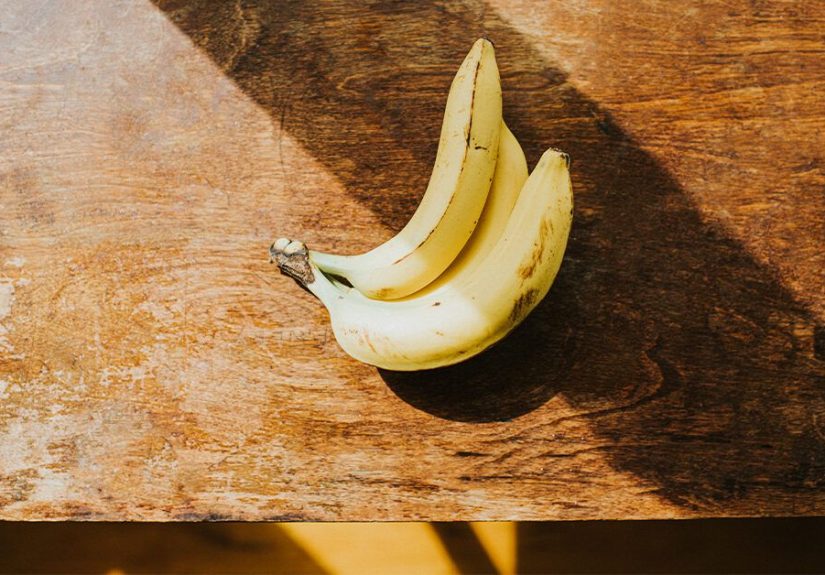
If the internet had a bedtime snack hall of fame, bananas would absolutely have a little gold plaque by now. They are affordable, easy to digest for many people, and somehow always one step away from being called “nature’s sleep aid.” But does eating a banana before bed actually help you sleep, or is this just another wellness rumor wearing pajamas?
The honest answer is somewhere between “maybe a little” and “please do not expect one banana to perform the duties of a full sleep routine.” A banana before bed can be a smart choice for some people because it is a light snack that contains carbohydrates along with nutrients tied to normal muscle, nerve, and neurotransmitter function. That said, the evidence does not show that bananas are a guaranteed sleep cure. In real life, they are better described as a possibly helpful supporting actor, not the star of the show.
So, if you are standing in your kitchen at 10:12 p.m. holding a banana and wondering whether you are about to make a genius life choice, this article is for you.
The Short Answer: Can a Banana Before Bed Help You Sleep?
Yes, it can help in some situations, but mostly because it is a gentle, convenient nighttime snack rather than a miracle sedative. A banana may be useful if you are slightly hungry before bed, want something easy on the stomach, or need a small snack that does not involve caffeine, alcohol, spicy food, or a giant greasy regret-burger.
Where people get carried away is assuming bananas directly knock you out like a switch. That is not how this works. A banana contains nutrients often connected with sleep-supportive body processes, including magnesium, potassium, vitamin B6, and a small amount of tryptophan. But the research on bananas themselves is still limited. The strongest sleep advice remains annoyingly unsexy and wonderfully effective: keep a regular sleep schedule, avoid large meals late at night, cut caffeine later in the day, dim the lights, and stop doom-scrolling in bed like your phone is paying rent.
Why Bananas Get a Sleepy Reputation
Bananas have earned their bedtime reputation for a few reasonable reasons. First, they are simple. You do not need a blender, a degree in functional nutrition, or a specialty store in a neighborhood where the parking lot smells like eucalyptus and privilege. You just peel and eat.
Second, bananas contain nutrients that are often discussed in conversations about sleep. Magnesium helps regulate muscle and nerve function. Potassium is involved in muscle contraction and nerve transmission. Vitamin B6 plays a role in neurotransmitter-related processes. And the carbohydrate content in a banana may help the body use tryptophan more effectively in broader diet-and-sleep pathways.
Magnesium and Muscle Relaxation
Magnesium is one reason bananas show up in bedtime snack conversations. While bananas are not the most magnesium-dense food on the planet, they do contain some magnesium, and that nutrient is involved in muscle and nerve function. If your evenings include mild restlessness, tension, or the sensation that your body forgot how to settle down, it makes sense that foods containing magnesium get plenty of sleep-related hype.
Still, let us keep our fruit facts grounded. A banana is not a magnesium supplement disguised in a yellow jacket. It contributes to your overall intake, but it is not likely to single-handedly correct a serious deficiency or erase chronic sleep problems.
Potassium and That “Calm Body” Feeling
Potassium is another nutrient people associate with bananas, and for good reason. It helps support normal muscle and nerve activity. That matters because discomfort, twitchiness, and nighttime body irritations can absolutely make it harder to drift off. If a small banana helps you feel more physically settled, it may make bedtime more comfortable, especially after a long day or a workout.
That does not mean bananas are a guaranteed fix for nighttime leg cramps or restless sleep. Those issues can have many causes, and sometimes the banana gets credit for improvements that were really about hydration, timing of exercise, a lighter dinner, or pure coincidence. Yes, the humble banana has great PR.
Vitamin B6, Tryptophan, and Sleep Chemistry
Bananas also contain vitamin B6 and small amounts of tryptophan, which is why they often get folded into “sleep foods” lists. Tryptophan is involved in the body’s production of serotonin and melatonin pathways, and vitamin B6 helps with important metabolic reactions tied to neurotransmitters. That sounds impressive because it is. But it is also easy to oversell.
What matters most is the whole dietary pattern, not one lonely banana trying to carry your circadian rhythm on its back. In other words, a banana can fit into a sleep-supportive lifestyle, but it should not be marketed like a fruit-shaped sleeping pill.
What the Research Actually Says
The science here is interesting, but not dramatic. Research on diet and sleep suggests that certain nutrients and overall dietary patterns may support better sleep. Foods rich in tryptophan, magnesium, melatonin-related compounds, and other nutrients have been studied for potential sleep benefits. Broadly speaking, diets rich in fruits, vegetables, legumes, and whole foods tend to line up with better sleep outcomes than highly processed, heavy, or erratically timed eating patterns.
When it comes to bananas specifically, the evidence is still emerging. A recent study found that bedtime banana or milk intake may improve sleep parameters in people with insomnia. That is promising, but it is not enough to declare the case closed. One study does not turn a food into a proven treatment, especially when sleep is influenced by stress, light exposure, schedule consistency, mental health, medications, exercise timing, alcohol, reflux, and about a hundred other things that love to crash the pajama party.
So the best conclusion is this: there is a plausible biological reason a banana before bed may help some people, and there is some early evidence, but the overall research is still limited.
When a Banana Before Bed Might Actually Help
1. You Are Slightly Hungry
Going to bed hungry can make sleep harder. Your body is trying to power down, while your stomach is sending little customer-service complaints upstairs. A banana can be a nice middle ground: light, quick, and satisfying without feeling like a full meal. For some people, that alone is enough to make falling asleep easier.
2. You Want a Light Snack Instead of a Heavy One
Compared with pizza, spicy leftovers, or a mountain of dessert, a banana is practically the valedictorian of bedtime snacks. It is portable, moderate in calories, and generally less likely to sit in your stomach like a brick. If the alternative is something greasy, sugary, or enormous, the banana wins by a mile.
3. You Pair It Smartly
For some people, eating a banana by itself is fine. Others may do better with half a banana paired with a little protein or healthy fat, such as a spoonful of nut butter or some plain Greek yogurt. That combination may feel more satisfying and help avoid the “I had fruit and now I am weirdly hungry again” problem 40 minutes later.
4. Your Sleep Trouble Is Mild and Habit-Related
If your main bedtime issue is a slightly empty stomach, inconsistent evening snacking, or choosing poor late-night foods, swapping in a banana may help. But if your insomnia is driven by anxiety, chronic stress, sleep apnea, reflux, depression, medication effects, or an irregular sleep schedule, the banana is probably not the missing piece. That would be like putting a decorative throw pillow on a broken couch and calling it interior design.
When a Banana Before Bed Might Not Help
1. You Have Reflux or Feel Worse Lying Down After Eating
Even healthy foods can be unhelpful if eating close to bedtime makes you uncomfortable. If any food before bed tends to trigger reflux, fullness, or bloating, a banana may not be your answer. In that case, earlier dinners and more distance between eating and lying down may matter more than the specific food.
2. You Expect It to Work Like Melatonin
A banana is food, not a sleep medication. It may support sleep indirectly, but it is not designed to sedate you. If you are expecting to eat one banana and feel your eyelids slam shut in five minutes, you are setting up both yourself and the banana for failure.
3. You Have Diabetes or Need to Monitor Blood Sugar Closely
Bananas contain carbohydrates, so people with diabetes or anyone closely managing blood sugar should be more thoughtful about portion size and timing. In those cases, a bedtime snack may still be reasonable, but the better choice depends on the individual, their medications, and what their healthcare professional recommends.
The Best Way to Eat a Banana Before Bed
If you want to try this bedtime habit, keep it simple. Eat a small banana or half a banana about 30 to 60 minutes before bed. Avoid turning it into a full dessert production with chocolate syrup, whipped cream, and enough toppings to qualify as a weekend event.
Good options include:
- a plain banana if you just need a light bite,
- half a banana with a little peanut or almond butter,
- banana slices with plain yogurt if you want a more filling snack,
- or a banana earlier in the evening if eating right before bed bothers your stomach.
The goal is comfort, not chaos. Keep the portion modest and the timing reasonable.
What Helps More Than a Banana
Here is the truth nobody can sell on a trendy T-shirt: your sleep habits matter more than any single bedtime snack. If you want better sleep, the biggest wins usually come from routine and environment.
A consistent bedtime and wake time help regulate your internal clock. A cool, quiet, dark bedroom helps the body settle into sleep. Avoiding large meals, alcohol, and late caffeine matters a lot. So does limiting screens before bed. If your nightly routine is “energy drink, spicy takeout, three episodes, then panic,” no fruit can fix that.
So yes, try the banana if it appeals to you. But give at least as much respect to boring legends like sleep schedules, light control, stress management, and not eating half the refrigerator at 11 p.m.
Real-World Experiences: What People Often Notice When They Try a Banana Before Bed
Now for the practical side, because bedtime food habits live in the real world, not in a laboratory where everyone calmly chews under perfect lighting. People’s experiences with a banana before bed tend to fall into a few familiar patterns.
Some people find that a banana helps simply because it takes the edge off hunger. This is especially common for those who eat an early dinner, work out in the evening, or get that annoying “I’m not starving, but I’m definitely not sleepy” feeling around bedtime. In those cases, a banana feels light and comforting. They go to bed more satisfied, stop thinking about snacks, and fall asleep faster. It is not glamorous, but it works because hunger stopped interrupting the process.
Others notice that a banana feels calming as part of a routine rather than as a stand-alone fix. They dim the lights, put down the phone, maybe take a shower, eat half a banana, and settle in. The banana becomes part of the ritual. In this scenario, it is hard to separate the food from the routine, and honestly, that is fine. Sleep habits are a team sport. If the banana helps signal, “The kitchen is closed, the day is done, and it is time to power down,” that is a real benefit.
Then there are people who try it and feel absolutely no difference. That does not mean the idea is fake. It usually means their sleep issue was never about needing a better bedtime snack. If stress, anxiety, caffeine, irregular hours, noisy neighbors, late gaming sessions, or reflux are the actual culprits, the banana is just an innocent bystander.
Some people even discover that eating too close to bedtime, banana included, makes them feel too full. They may notice mild bloating, more reflux, or just the odd discomfort of lying down with food still hanging around. For them, the better move is to eat earlier or skip bedtime food altogether. A healthy snack is still not a good fit if your body votes “no thank you.”
There is also the expectation problem. A person reads that bananas contain magnesium and tryptophan, eats one at 10 p.m., and waits for a cinematic fade to black. When nothing dramatic happens, they assume the whole idea is useless. But that expectation is too high. Most helpful sleep habits work quietly. They improve comfort, reduce disruption, and support consistency. They do not usually arrive with fireworks and a lullaby soundtrack.
A more realistic experience is this: over several nights, a banana may feel like a better choice than cookies, chips, or going to bed hungry. You sleep a little more comfortably. You wake less because your stomach is not complaining. You avoid a heavy late-night snack that would have made things worse. That kind of subtle improvement is often how real sleep progress looks. Not magical. Just smarter.
Final Verdict
So, does eating a banana before bed help you sleep? It can, but mostly in a supportive, modest, and very normal-human way. A banana may help if you need a light bedtime snack, want to avoid heavier late-night foods, or benefit from nutrients tied to normal muscle, nerve, and neurotransmitter function. But the evidence is still limited, and a banana is not a treatment for chronic insomnia.
If you enjoy bananas and they sit well with your stomach, having one before bed is a perfectly reasonable experiment. Just keep your expectations realistic. Think “helpful bedtime sidekick,” not “fruit therapist with a medical license.” And if sleep problems keep showing up night after night, it is worth looking beyond the produce drawer and addressing the bigger picture.
Note: This article is for general education only and is not a substitute for medical advice. Talk with a healthcare professional if you have chronic insomnia, reflux, diabetes, kidney disease, frequent nighttime symptoms, or ongoing sleep disruption.





 Close
Close