
Table of Contents >> Show >> Hide
- Why lemon juice can be risky as a cleaner
- 1) Natural stone countertops and tile (marble, granite, limestone, travertine)
- 2) Hardwood floors and wood furniture
- 3) Cast iron cookware (and carbon steel, too)
- 4) Aluminum cookware and aluminum surfaces
- 5) Brass, copper, and decorative metal finishes
- 6) Electronics and screens (phones, tablets, laptops, TVs)
- So… what can you safely clean with lemon juice?
- FAQ: Lemon juice cleaning myths, cleared up
- Real-life lemon lessons: 6 cautionary tales (experience section)
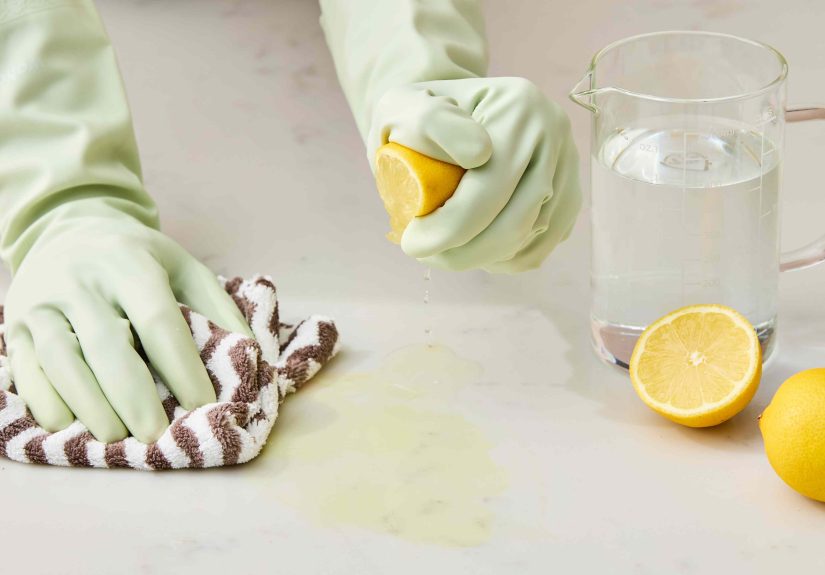
Lemon juice has a sparkling reputation in the “natural cleaning” universe. It smells fresh, it cuts through some grease, and it makes your kitchen feel like a spa that also occasionally hosts pasta night. But here’s the twist: that bright, sunny superpower is mostly acidand acid is amazing at breaking things down. Which is exactly why it can also break down the wrong things.
In cleaning terms, lemon juice is a specialist, not a universal hero. It’s great for certain jobs (like deodorizing a garbage disposal or freshening a microwave) and a total menace for others (like your marble countertop, your cast-iron skillet, and your phone screen’s “fingerprint-repelling vibe”).
Below are six surfaces and materials cleaning pros say you should never clean with lemon juiceplus what to use instead, what damage looks like, and how to avoid learning this lesson the hard way.
Why lemon juice can be risky as a cleaner
Lemon juice contains citric acid. Acids are effective at dissolving mineral deposits and cutting through certain grime, but they can also:
- Etch mineral-based surfaces (stone, certain finishes) by chemically reacting with them
- Strip protective coatings (floor finishes, lacquers, screen coatings)
- Corrode reactive metals (aluminum and some decorative metals)
- Break down seasoning layers (cast iron and carbon steel)
Quick safety note: Never mix lemon juice with chlorine bleach (or any bleach-based cleaner). Acid + bleach can release dangerous fumes. Translation: keep the lemon in the fridge and the bleach on a totally different shelf.
1) Natural stone countertops and tile (marble, granite, limestone, travertine)
If you have natural stone, lemon juice is not your “cheap DIY stone cleaner.” It’s your stone’s arch-nemesis.
Why it’s a problem
Many natural stonesespecially marble, limestone, and travertineare vulnerable to acid etching. Even when a stone is sealed, repeated exposure to acidic liquids can dull the surface, wear down the sealant, and leave cloudy spots that don’t “wipe off” because they’re not dirt. They’re damage.
What damage looks like
- Cloudy, dull, or chalky patches (often near the sink or where you wiped most)
- Roughness you can feel with your fingertip
- Loss of shine in one area that never matches the rest again
What to use instead
- A pH-neutral stone cleaner made for natural stone
- Warm water + a small amount of mild dish soap (then dry with a microfiber cloth)
If you already used lemon juice
Rinse thoroughly with clean water, dry completely, and stop using acids on that surface. If you see dull spots, it may need professional polishing or refinishingbecause etching is a surface change, not residue.
2) Hardwood floors and wood furniture
Hardwood floors are basically the “expensive haircut” of home surfaces: they can look incredible, but they don’t appreciate surprise chemistry experiments.
Why it’s a problem
Lemon juice can strip or weaken floor finishes over time. That means less shine, less protection, and more vulnerability to stains and water damage. Wood furniture finishes can also dull, haze, or discolorespecially if the lemon juice sits too long or you scrub aggressively.
What damage looks like
- Dull streaks or cloudy patches
- Sticky or tacky feel (finish partially compromised)
- Uneven sheen where you cleaned
What to use instead
- A pH-balanced hardwood floor cleaner (designed not to degrade the finish)
- For furniture: a cleaner made for finished wood, used sparingly, then buffed dry
If you already used lemon juice
Wipe the area with a barely damp cloth (plain water), then dry. If the finish looks etched or uneven, the fix may be polishingor in worse cases, refinishing. Don’t keep “spot treating” with stronger DIY solutions; that usually widens the damage.
3) Cast iron cookware (and carbon steel, too)
Cast iron is tough, but its protective layer (seasoning) can be surprisingly sensitive to acid. It’s like a bouncer in a leather jacket: intimidating, but don’t spill citrus on it.
Why it’s a problem
Lemon juice can strip seasoningthe polymerized oil layer that creates a semi-nonstick surface and protects against rust. Once that layer thins, moisture and oxygen can move in like they pay rent, and rust can follow.
What damage looks like
- Dull gray patches where seasoning lifted
- Orange-brown rust specks
- Food suddenly sticking more than usual
What to use instead
- Hot water + a stiff brush or non-scratch scrubber
- Coarse salt as a gentle scrub for stuck-on bits
- Dry immediately, then apply a thin coat of oil
If you already used lemon juice
Rinse, dry immediately, warm the pan briefly to evaporate leftover moisture, then lightly oil. If seasoning stripped, you may need a touch-up seasoning cycle.
4) Aluminum cookware and aluminum surfaces
Aluminum and acid have a dramatic relationship. Not romanticmore like “we should not talk at family gatherings.”
Why it’s a problem
Acidic ingredients (including lemon juice) can react with aluminum, leading to pitting, discoloration, and dark marks. In cookware, that reaction can also create unpleasant metallic flavors and stain the pan.
What damage looks like
- Dark gray or black discoloration
- Chalky-looking patches
- Rough pitted spots that don’t scrub smooth
What to use instead
- Mild dish soap + warm water
- For stuck-on messes: a non-abrasive sponge and patience (the most underrated cleaning product)
If you already used lemon juice
Wash with soap and water and dry completely. If discoloration remains, it may be permanent oxidation or reaction staining. Going forward, keep acidic cleaners away from bare aluminum.
5) Brass, copper, and decorative metal finishes
Yes, lemon juice can make some metals look shiny. It can also erase finishes, remove protective lacquer, and “clean” away the look you actually likedlike vintage patina.
Why it’s a problem
Lemon juice can be harsh on plated metals and on items with a protective coating. Some brass and copper items are lacquered to slow tarnish. Acid can damage that lacquer, leaving the metal more prone to uneven tarnishing and corrosion later.
What damage looks like
- Blotchy shine (some areas stripped, others not)
- Color changes that look “wrong” for the piece
- More frequent tarnish after cleaning
What to use instead
- A metal polish formulated for the specific metal (brass, copper, etc.)
- For delicate or coated items: a damp microfiber cloth, then dry
If you already used lemon juice
Rinse, dry, and stop. If you removed lacquer, the piece may tarnish fasterso you’ll want to polish gently (or embrace the patina you accidentally speed-ran).
6) Electronics and screens (phones, tablets, laptops, TVs)
Your phone screen is not a cutting board. It’s a tiny, expensive window into your lifeand it usually has coatings designed to reduce fingerprints and glare.
Why it’s a problem
Lemon juice can damage screen coatings and, if it seeps into openings, contribute to internal corrosion. Many manufacturers recommend avoiding household cleaners and sticking to gentle methods because screens often have an oleophobic coating that can wear down with harsh cleaning.
What damage looks like
- Streaks that never fully disappear
- Areas that suddenly grab fingerprints more easily
- Hazy patches that look “oily” but aren’t
What to use instead
- A dry or slightly damp microfiber cloth
- A screen-safe cleaner made for electronics (sprayed onto the cloth, not the device)
If you already used lemon juice
Power the device off, wipe gently with a slightly damp microfiber cloth (plain water), and dry with a clean microfiber. Don’t press hard, and don’t chase the streaks like they owe you money.
So… what can you safely clean with lemon juice?
When used carefully, lemon juice can still be helpful. Think “small, controlled, rinseable jobs,” such as:
- Deodorizing a microwave (wipe quickly, then rinse with water)
- Freshening a garbage disposal (follow with plenty of water)
- Cleaning certain non-stone, non-metal surfaces that tolerate mild acids (spot-test first)
The golden rule: if the surface is porous, coated, finished, reactive, or expensive, lemon juice is probably not the move.
FAQ: Lemon juice cleaning myths, cleared up
Is lemon juice a disinfectant?
It can help with odor and some grime, but it’s not a reliable “sanitize everything” solution. For disinfecting, use products designed and labeled for that purpose and follow directions for contact time.
Does “diluted lemon juice” make it safe for everything?
Dilution reduces strength, but it doesn’t change the fact that the cleaner is acidic. Repeated useeven dilutedcan still dull finishes and etch stone.
What’s the safest way to test lemon juice?
If you’re determined, spot-test in a hidden area, use a tiny amount, and rinse thoroughly. If the item matters, it’s smarter to use a pH-neutral cleaner that’s made for the job.
Real-life lemon lessons: 6 cautionary tales (experience section)
1) The “spa day” that etched a marble vanity. One homeowner thought lemon juice would be the gentlest option for a bathroom vanity because it’s “natural.” The result wasn’t a fresh glowit was a dull bloom around the faucet that looked like hard-water residue. The giveaway was that it didn’t improve after rinsing or buffing. A stone pro explained the difference: residue sits on top; etching changes the surface. The fix involved polishing, not more cleaning. Lesson learned: if it’s marble (or limestone/travertine), treat acids like you treat glitterkeep them contained and far away.
2) Hardwood floors that lost their shine in “clean-looking” streaks. A busy parent used a lemon-water mix to mop quickly before guests arrived. It smelled amazing… right up until the light hit the floor. There were dull trails where the mop had passed, like someone had erased the gloss in long brushstrokes. The floor wasn’t dirtyit was newly vulnerable. After that, the family switched to a pH-balanced hardwood cleaner and started using a barely damp microfiber mop instead of a wet one. The streaks didn’t vanish overnight, but they stopped getting worse. Lesson learned: floors don’t need to smell like citrus to be clean; they need their finish intact.
3) The cast-iron skillet that suddenly started acting brand new (and not in a cute way). Someone squeezed lemon into their pan to “break up grease,” then left it while they ate. After washing, the skillet looked a little pale and felt rougher. Next time they cooked eggs, the eggs staged a protest and stuck like wallpaper. A quick re-seasoning helped, but the bigger takeaway was timing: acids don’t just remove grime; they can remove the protective layer you worked months to build. Lesson learned: cast iron loves hot water, scrubbing, and immediate dryingnot citrus soaks.
4) Aluminum pans with mysterious dark stains. A cook used lemon juice to brighten a dull aluminum baking sheet. The sheet did get “brighter” in some spots… and dramatically darker in others. The pan looked like it had a map of tiny storm clouds. It wasn’t mold or dirt; it was a chemical reaction. The sheet still worked, but it never looked the same, and the owner stopped experimenting on metal with kitchen acids. Lesson learned: aluminum is reactiveclean it gently and save lemon juice for lemonade.
5) The brass décor that lost its vintage charm. A thrifted brass lamp had the perfect warm, aged patinaright until someone decided to “freshen it up” with lemon juice. The lamp turned unevenly shiny, like it had been cleaned in a hurry by two different people with two different opinions. Worse, it began tarnishing faster afterward, likely because a protective coating was compromised. Lesson learned: sometimes “tarnish” is actually “character,” and character is hard to replace once you scrub it off.
6) The phone screen that became a fingerprint magnet. A tiny lemon splash (or a lemon-based DIY wipe) seemed harmlessuntil the screen started smudging more easily and cleaning became harder, not easier. Many screens rely on coatings that help repel oils. Once that coating wears down, you can’t un-wear it. The owner switched to microfiber-only cleaning and avoided harsh products going forward. Lesson learned: if a surface has a special coating, treat it like it’s wearing a rain jacketdon’t strip it with acids.
All six stories share one theme: lemon juice works by being reactive. That’s useful in the right context and expensive in the wrong one. If you want your home to smell lemony, light a candle. If you want your surfaces to last, match the cleaner to the material.





 Close
Close