
Table of Contents >> Show >> Hide
Finding a truly family-friendly kids’ TV show in 2024 can feel like shopping for jeans online:
everything claims to fit, half of it is weirdly sparkly, and somehow you still end up with something that
makes noise when you walk. The good news? There are plenty of kids’ TV shows and family series that are
funny, smart, calming, and (most importantly) not secretly designed to drive parents into the sea.
This list brings together 60 great kids’ TV shows and television series for families in 2024,
spanning preschool comfort watches, educational picks, animation gems for big kids, and a few live-action
adventures that make it easy to watch togetherwithout anyone asking, “How many episodes until bedtime?”
every six minutes.
How This List Was Picked (Without Turning It Into Homework)
Instead of chasing whatever the algorithm is shouting about today, this roundup focuses on what families
actually need: shows with heart, humor, and age-appropriate storytelling. We prioritized series that are
consistently recommended by trusted family entertainment and parenting editors, frequently reviewed as
kid-appropriate, and known for strong values like empathy, curiosity, and problem-solving. We also included
a mix of modern favorites and “still holds up” classics so your 2024 watchlist can survive the entire year.
Quick Age Guide for Family Viewing
- Preschool (2–5): Gentle stories, repetition, social skills, early learning.
- Kids (6–9): Bigger laughs, longer plots, curiosity-driven adventures.
- Tweens (10–12): Deeper themes, stronger arcs, character growth and stakes.
- Co-viewing winners: Shows kids enjoy and adults don’t dread.
60 Best Kids’ TV Shows and Family Series to Watch in 2024
Tip: If you’re building a weekly rotation, mix one “comfort show,” one “learning show,” and one “story show.”
That combo keeps screen time fun and surprisingly peaceful.
Preschool & Early Elementary Favorites (1–20)
- Sesame Street Timeless learning with music, letters, numbers, and big-hearted social lessons.
- Bluey Short episodes, huge feelings; family life done hilariously well.
- Daniel Tiger’s Neighborhood Emotional skills and routines kids can actually use.
- Alma’s Way Warm neighborhood stories that reward empathy and thoughtful choices.
- Molly of Denali Adventure plus informational literacy and cultural curiosity.
- Elinor Wonders Why Nature questions, science thinking, and gentle, curious problem-solving.
- Donkey Hodie Playful confidence-building with silly songs and imaginative energy.
- Curious George Everyday exploration where curiosity (mostly) leads to good outcomes.
- Clifford the Big Red Dog Friendship, kindness, and small kid problems with big feelings.
- Wild Kratts Animals + action = stealth science learning kids don’t notice.
- Nature Cat Outdoor adventures that normalize wonder, mud, and enthusiastic questions.
- Dinosaur Train Prehistoric fun with science vocabulary sprinkled in like confetti.
- The Cat in the Hat Knows a Lot About That! Light STEM exploration with Seuss-style whimsy.
- Peg + Cat Math thinking disguised as cute chaos and catchy songs.
- Super Why! Reading comprehension and wordplay with superhero-level enthusiasm.
- WordWorld Early literacy where letters literally build the world around them.
- Sid the Science Kid Preschool science questions with a classroom-and-family vibe.
- Rosie’s Rules Social skills, family life, and kindness with realistic kid energy.
- Xavier Riddle and the Secret Museum History heroes meet modern kids for confidence-boosting lessons.
- Cyberchase Math concepts plus adventure plots that keep older kids hooked, too.
Big Preschool Hits & Character Comfort Shows (21–30)
- Blue’s Clues & You! Interactive pacing that invites kids to think and respond.
- Dora the Explorer Classic problem-solving adventures with a language-learning boost.
- Team Umizoomi Shapes, numbers, and patterns wrapped in fast-moving missions.
- Bubble Guppies Musical classroom vibes that sneak in science and social learning.
- Blaze and the Monster Machines High-energy races with STEM problem-solving baked in.
- PAW Patrol Rescue teamwork, simple morals, and a lot of “we’ve got this!” energy.
- Rubble & Crew Building projects, cooperation, and “let’s fix it together” messages.
- Peppa Pig Short stories, family humor, and gentle social situations.
- Mickey Mouse Clubhouse Early learning with iconic characters and interactive prompts.
- Mickey Mouse Funhouse Imagination-first adventures that keep episodes upbeat and silly.
Animated Standouts Kids Actually Rewatch (31–45)
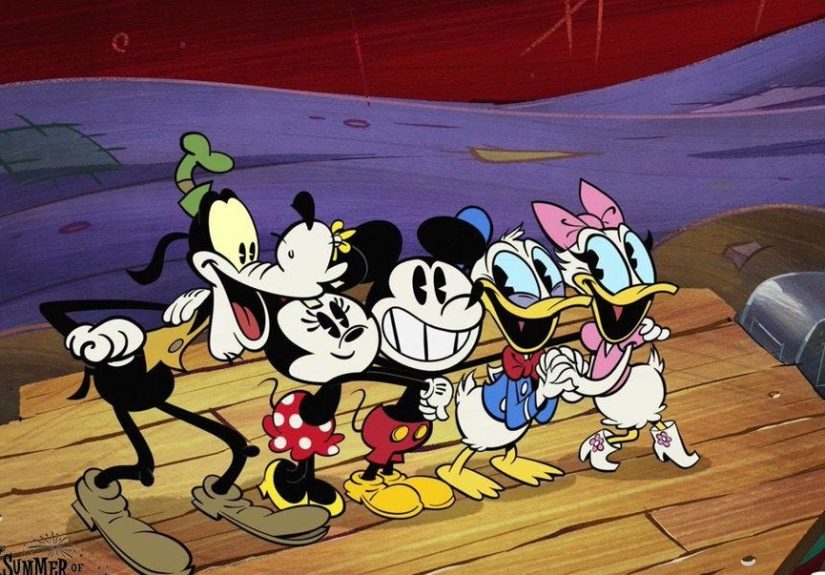
- The Wonderful World of Mickey Mouse Classic character antics with a modern, mischievous vibe.
- Doc McStuffins Caring, confidence, and medical pretend-play that feels empowering.
- Sofia the First Fairy-tale fun with friendship lessons and gentle moral arcs.
- Vampirina Spooky-cute stories about belonging and being new.
- Octonauts Ocean exploration and animal facts with calm, mission-based storytelling.
- Puffin Rock Cozy nature tales that are basically a screen-time exhale.
- Gabby’s Dollhouse Crafty, musical adventures with a positivity-first tone.
- Ask the StoryBots Big questions answered with humor, music, and science-friendly clarity.
- Ada Twist, Scientist Curiosity, experiments, and “let’s test it” thinking for young kids.
- Numberblocks Math concepts made visual, playful, and genuinely memorable.
- Alphablocks Phonics and word-building that helps early readers click faster.
- Hilda Wholesome fantasy adventures with bravery, kindness, and gorgeous world-building.
- Kipo and the Age of Wonderbeasts Bright, funny action with themes of empathy and acceptance.
- The Dragon Prince Epic fantasy with friendship, moral choices, and long-form storytelling.
- She-Ra and the Princesses of Power Strong characters, big arcs, and a lot of heart.
Tweens, Adventures, and “Watch Together” Series (46–60)
- Pokémon Horizons: The Series Fresh characters, classic adventure energy, and easy episode momentum.
- Miraculous: Tales of Ladybug & Cat Noir Superhero fun with friendship drama and fast pacing.
- Avatar: The Last Airbender (Animated) A gold-standard story about growth, choices, and balance.
- The Legend of Korra Older-kid storytelling with action, identity, and bigger stakes.
- Gravity Falls Mystery comedy that rewards curiosity and family co-viewing.
- Phineas and Ferb Creative summer chaos with jokes that land for adults, too.
- The Owl House Fantasy, friendship, and self-discovery with strong character arcs.
- Amphibia Humor plus adventure, slowly building into a bigger story.
- Adventure Time Wild creativity that grows into surprisingly thoughtful themes.
- Over the Garden Wall Short, storybook-style adventure with spooky-season perfection.
- Steven Universe Music, compassion, and emotional intelligence in animated form.
- The Baby-Sitters Club Friendship, responsibility, and real-life problems told warmly.
- Percy Jackson and the Olympians Mythology adventure with family themes and big-kid appeal.
- Star Wars: Skeleton Crew Kid-led space adventure that’s approachable even for casual fans.
- Avatar: The Last Airbender (Netflix Live-Action) A modern retelling that can spark great compare-and-contrast talks.
How to Choose the Right Show Tonight
If your household includes multiple ages, pick a “bridge show”: something with simple surface fun for the
little ones and layered humor or story for older kids (and adults). Animated comedies and adventure series
are often the best compromise. Also: pay attention to the vibe. Some nights need a calm, cozy
show that lowers the temperature in the room. Other nights, you want something energetic so kids can dance,
laugh, and burn off zoomies before the bedtime negotiations begin.
Finally, don’t underestimate the power of a two-episode rule. Watch two episodes, then pause and ask one
question: “What was the best part?” That’s it. You get connection, kids get a voice, and nobody has to give
a TED Talk about plot structure.
Conclusion
The best kids’ TV shows in 2024 aren’t just “safe”they’re genuinely good: funny, comforting, and surprisingly
helpful for real life. Whether you need a preschool calm-down, a science-curiosity boost, or a tween adventure
that gets the whole family leaning in, this list gives you a solid starting point. Mix favorites with something
new, keep a flexible rotation, and let TV time become one more way your family connects.
Family Viewing Experiences in 2024 (500+ Words)
Families often discover that the best kids’ shows aren’t just entertainmentthey become little
“shared languages” at home. A short, funny episode can turn into a catchphrase that makes a tough moment easier,
or a story arc can unlock a conversation you didn’t know your child was ready to have. The most common pattern?
When adults watch alongside kidsat least occasionallykids tend to remember the lessons longer and talk more.
One of the most useful real-world experiences families report is using gentle, everyday-life shows as
“practice rounds” for emotions. A character gets frustrated, embarrassed, jealous, or worried, and suddenly
the topic is on the table without anyone feeling put on the spot. You’ll hear kids describe their own feelings
using the show’s languagebecause it’s easier to say “I felt like the character” than “I felt overwhelmed and
didn’t know what to do.” That’s not just cute; it’s emotional skill-building in stealth mode.
Another common 2024 viewing experience: the power of short episodes. Many families love shows
with 7–12 minute runtimes because they fit into real lifebefore school, after dinner, or during those awkward
in-between moments when everyone is tired but bedtime is still a mile away. Short episodes also make boundaries
easier. “Two episodes” is a clear finish line. Kids know what to expect. Parents avoid the dreaded infinite
autoplay vortex. And nobody has to negotiate like they’re at a high-stakes peace summit.
For households with mixed ages, families often rotate roles: one night a younger kid picks a comfort show, the
next night an older kid picks an adventure series, and another night is the “everyone votes” option. The
experience becomes less about the “perfect” show and more about fairness and belonging. Even
picky viewers are more flexible when they know their turn is coming. This can also reduce the sibling dynamic
where one kid always wins because they’re louder, faster, or more dramatic about it.
Many families also turn shows into tiny rituals. Maybe Friday nights are the “cozy show” night
with popcorn. Maybe Sunday mornings are a “learning show” slot with breakfast. Rituals make screen time feel
intentional rather than accidental, and kids often respond better when TV is a planned event instead of a
last-minute rescue mission. (It can still be a rescue mission. Just a scheduled one.)
Finally, a practical experience that comes up again and again in 2024: the best series become
conversation starters. Families use a quick post-episode question to build connection without
adding pressure: “Who was your favorite character today?” “What would you have done?” “What surprised you?”
These simple prompts help kids reflect, build storytelling skills, and practice perspective-taking. And for
adults, it’s a reminder that “watching TV together” can be more than just sharing a couchit can be a relaxed,
low-stakes way to stay close.




 Close
Close