
Table of Contents >> Show >> Hide
- Tip 1: Pick the Right Palm (and the Right Spot) Before You Do Anything Else
- Tip 2: Water Like a Palm, Not Like a Cactus (or a Chaotic Rainstorm)
- Tip 3: Humidity Is the Secret Sauce (and Your Heating Vent Is the Villain)
- Tip 4: Nail the Soil and Pot Setup (Drainage Is Non-Negotiable)
- Tip 5: Feed Lightly and Seasonally (Palms Don’t Want a Protein Shake Every Day)
- Tip 6: Prune, Clean, and Rotate for a Better-Looking Palm
- Tip 7: Catch Pests and Problems Early (Because Spider Mites Don’t Make Appointments)
- Putting It All Together: A Simple Weekly Palm Routine
- Extra: Real-World Experiences and Lessons People Learn the Hard Way
- Experience 1: “It was fine for months… then suddenly it looked sad.”
- Experience 2: “The tips keep turning brown, and I feel personally attacked.”
- Experience 3: “I watered on a schedule… and the schedule betrayed me.”
- Experience 4: “My palm leaned so hard it looked like it was trying to escape.”
- Experience 5: “I repotted it into a much bigger pot to give it room… and it got worse.”
- Experience 6: “I discovered spider mites and now I trust nothing.”
- Experience 7: “I bought a ‘palm’ and later learned it’s not actually a palm.”
- Conclusion
Indoor palms are the ultimate “instant vacation” houseplant. One minute your living room looks like a normal human
habitat; the next it looks like a beach resort brochureminus the sand in your socks (a win). But palms can also be
dramatic. Give them the wrong light, the wrong water rhythm, or a drafty spot near the door, and they’ll let you
know with crispy tips and sad, droopy fronds.
The good news: indoor palm care isn’t mysterious. It’s mostly about understanding what palms want in nature
(bright filtered light, warm temps, consistent moisture, and decent humidity) and recreating a reasonable version of
that indoorswithout turning your home into a rainforest exhibit.
This guide pulls together widely accepted best practices used by U.S.-based horticulture educators, botanical garden
guidance, and mainstream houseplant care recommendationsthen translates them into seven simple, practical tips you
can actually follow. Let’s keep your palm alive, thriving, and politely leafy.
Tip 1: Pick the Right Palm (and the Right Spot) Before You Do Anything Else
The biggest “care hack” is choosing a palm that matches your home’s light and your patience level. Many palms are
sold as “low-light plants,” but that phrase often means “will survive for a while” rather than “will look fabulous
forever.” Most indoor palms prefer bright, indirect light.
Popular indoor palms and what they’re really like
- Parlor palm (Chamaedorea elegans): One of the most forgiving; tolerates lower light better than most.
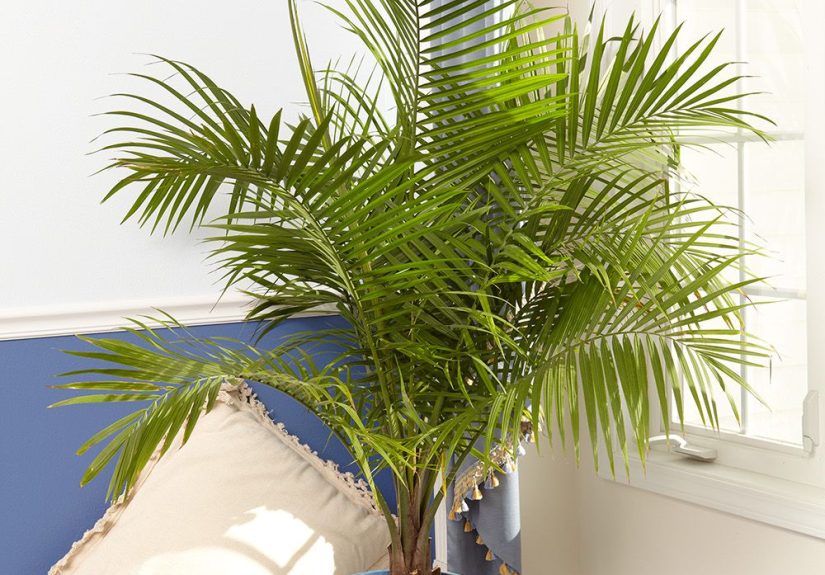
- Areca palm (Dypsis lutescens): Loves bright light and humidity; can look amazing but dislikes dry air.
- Kentia palm (Howea forsteriana): Slow-growing, elegant, and adaptable; often pricier, usually worth it.
- Majesty palm (Ravenea rivularis): Gorgeous but needybright light + high humidity + consistent moisture.
Place your palm near a window with filtered sun. Think: a few feet back from a bright south- or west-facing window,
or closer to an east-facing one. If your palm’s fronds look pale or stretched (long stems, sparse leaves), it’s
begging for more light. If the leaves bleach or scorch, it’s getting too much direct sun.
A specific example
If you have one bright window and it’s a sun-blaster in the afternoon, hang a sheer curtain and place the palm
behind it. You get the brightness without the leaf “sunburn.” Your palm gets spa lighting. Everyone wins.
Tip 2: Water Like a Palm, Not Like a Cactus (or a Chaotic Rainstorm)
Most indoor palm problems trace back to wateringeither too much, too little, or wildly inconsistent. Palms tend to
like soil that’s evenly moist but never soggy. The goal is “steady,” not “monsoon and then desert.”
The finger test (still undefeated)
Stick your finger into the soil about 1–2 inches deep:
- If it feels dry at that depth, water thoroughly.
- If it still feels damp, wait a few days and check again.
What “water thoroughly” actually means
Water until it runs out of the drainage holes, then let the pot drain completely. Don’t let the pot sit in a saucer
full of water for hours. That’s how roots go from “healthy” to “help.”
Signs you’re overwatering vs. underwatering
- Overwatering: yellowing lower fronds, mushy stems near the base, fungus gnats, a musty smell.
- Underwatering: crispy brown tips, dry potting mix pulling away from the pot edge, droopy fronds that perk up after watering.
Pro tip: if you’re the type who forgets, set a recurring “soil check” reminder twice a week. Not “water the palm,”
just “check the palm.” It’s the plant-parent equivalent of checking the weather before leaving the house.
Tip 3: Humidity Is the Secret Sauce (and Your Heating Vent Is the Villain)
Many palms come from humid environments, which means indoor airespecially in wintercan feel like a crisp snack to
them. Low humidity often shows up as brown leaf tips and general “meh” growth.
What humidity level do indoor palms like?
Many do best around 40–60% humidity. You don’t have to chase perfection, but if your home regularly
sits in the 20–30% range (common with heaters running), your palm may struggle.
Simple ways to boost humidity
- Humidifier: the most effective, especially for majesty or areca palms.
- Group plants together: they create a small humid micro-zone as they transpire.
- Pebble tray: place the pot on a tray of pebbles with water below the pot’s base (not touching the drainage holes).
- Bathroom placement: if you have good light in a bathroom, palms often love it there.
Avoid placing palms directly next to heating vents, radiators, or drafty doors. They don’t want hot desert blasts
or surprise cold gusts. They want “cozy tropical consistency,” like a plant with a very specific thermostat
preference.
Tip 4: Nail the Soil and Pot Setup (Drainage Is Non-Negotiable)
Palms are not impressed by cute pots if the roots are drowning. The best potting setup is a container with drainage
holes and a well-draining mix that holds some moisture without staying wet forever.
What kind of soil mix works?
A good indoor palm mix often includes a blend of:
quality potting mix + perlite/pumice + orchid bark or coarse sand.
The goal: water moves through, roots can breathe, and the soil doesn’t compact into a swamp.
Repotting: when and how often
Many palms prefer being slightly snug in their pot. Repot when:
- roots circle the pot tightly or grow out the drainage holes,
- water runs straight through because the soil has compacted or broken down,
- growth stalls despite good light and care.
A common rhythm is every 2–3 years, but it depends on the palm and growth rate. When repotting,
move up only one pot size (for example, from 10 inches to 12 inches). A huge jump can leave too much wet soil around
the roots, increasing the risk of rot.
Example repotting mini-checklist
- Choose a pot 1–2 inches wider than the current pot, with drainage holes.
- Gently loosen the root ball; trim only dead, mushy roots if present.
- Set the palm at the same depth as before (don’t bury the stem).
- Backfill with fresh mix, water thoroughly, and keep in bright indirect light.
Tip 5: Feed Lightly and Seasonally (Palms Don’t Want a Protein Shake Every Day)
Fertilizer can help indoor palms stay green and growing, but overfeeding is a fast track to brown tips, salt buildup,
and root stress. Think “steady and mild,” especially indoors where growth is slower.
Best time to fertilize
Most palms grow more actively in spring and summer. Fertilize during the growing season and cut back
in fall and winter when growth slows.
What fertilizer to use
A balanced houseplant fertilizer (often something like 10-10-10 or similar) used at half strength can work well. Some
people prefer slow-release granules for a gentler, longer feeding approach. If your palm is sensitive (or you’re
nervous), dilute more rather than less.
Salt buildup: the sneaky problem
Indoor pots can accumulate fertilizer salts over time, which may show up as white crust on the soil surface or leaf
tip browning. To help prevent this, “flush” the soil every month or two during the growing season:
water heavily so excess salts drain out (and don’t let the pot sit in runoff).
Tip 6: Prune, Clean, and Rotate for a Better-Looking Palm
Palms aren’t like shrubs where you can shape them aggressively. Each frond is valuable, and the plant uses those
leaves to photosynthesize. The goal is gentle grooming, not a haircut montage.
How to prune correctly
- Remove fronds that are fully brown or clearly dying.
- Don’t cut green fronds “for looks.” That can weaken the plant.
- If tips are brown, you can trim just the brown part with clean scissors, following the natural shape.
Clean the leaves (yes, it matters)
Dusty fronds block light. Wipe leaves gently with a soft damp cloth or give the plant a lukewarm shower. Avoid
super-shiny leaf products; they can clog leaf pores and attract dust. Your palm wants clean, not “greased for a
photoshoot.”
Rotate for even growth
Palms lean toward light. Rotate the pot a quarter turn every week or two for a fuller, more balanced look. This is
especially helpful if your only good window is on one side of the room.
Tip 7: Catch Pests and Problems Early (Because Spider Mites Don’t Make Appointments)
Indoor palms can attract a few common pests, especially when air is dry or the plant is stressed. The most frequent
culprits are spider mites, scale, and mealybugs.
Quick pest ID guide
- Spider mites: fine webbing, tiny speckles on leaves, fronds look dull or dusty.
- Scale: small brown bumps on stems or leaf undersides; sticky residue (honeydew) can appear.
- Mealybugs: white cottony clusters in leaf joints and on stems.
What to do right away
- Isolate the palm (pests love a plant-to-plant social life).
- Rinse the foliage thoroughly, including undersides.
- Wipe visible pests with a cotton swab dipped in rubbing alcohol (especially for mealybugs/scale).
- Treat with insecticidal soap or horticultural oil as directed, repeating weekly for a few rounds.
Also keep an eye out for “not pests but still a problem” issues:
- Yellowing leaves: can signal overwatering, low light, or nutrient imbalance.
- Brown tips: often dryness (low humidity, inconsistent watering) or salt buildup.
- Brown patches: can be sun scorch or cold damage (especially near windows in winter).
A pet-safety note
Many common indoor palms (like parlor and areca palms) are often considered pet-friendlier than many houseplants.
However, some plants marketed as “palms” can be dangeroussago palm is famously toxic to pets and
should be avoided if animals share your space. When in doubt, verify the exact plant name before buying.
Putting It All Together: A Simple Weekly Palm Routine
If you want a care plan you can remember without writing a dissertation:
- Twice a week: check soil moisture with the finger test.
- Weekly: quick leaf inspection (undersides included) and rotate the pot a quarter turn.
- Every 2–4 weeks: wipe dust off fronds or rinse in the shower.
- Spring–summer: feed lightly; flush soil occasionally to reduce salt buildup.
Palms reward consistency. They don’t need you to hover. They just need you to be predictablelike a reliable friend
who always texts back and never randomly floods your living room.
Extra: Real-World Experiences and Lessons People Learn the Hard Way
The internet makes indoor palm care sound like a calm, tropical breeze. In real homes, it’s often more like a sitcom:
the palm is the glamorous character who refuses to thrive unless the lighting is perfect and the humidity is
emotionally supportive. Here are common experiences indoor gardeners reportand what those moments teach you.
Experience 1: “It was fine for months… then suddenly it looked sad.”
This is a classic. Palms can coast on decent conditions, then show stress later. A slow decline often means the plant
has been quietly uncomfortable: light is a bit too low, watering is a bit inconsistent, or the soil is compacting.
The lesson: don’t wait for a full meltdown. Do small check-inslight, soil feel, and leaf inspectionbefore problems
become dramatic.
Experience 2: “The tips keep turning brown, and I feel personally attacked.”
Brown tips are the palm’s most common complaint. People often react by watering more (which can backfire). In many
homes, the real issue is dry indoor air or mineral/salt buildup in the soil. The lesson: treat brown tips like a clue,
not a command. Check humidity, move the plant away from vents, and flush the soil occasionally. Trim only the brown
edges so the plant still looks tidy while you fix the cause.
Experience 3: “I watered on a schedule… and the schedule betrayed me.”
A strict calendar watering routine works for exactly zero homes because indoor conditions change. Sunny week? Soil
dries faster. Cloudy week? Soil stays damp longer. Winter heat? Faster drying + lower humidity. The lesson: schedule
your soil checks, not your watering. That small shift prevents most overwatering disasters.
Experience 4: “My palm leaned so hard it looked like it was trying to escape.”
When a palm grows toward a window, it’s not being rebelliousit’s being efficient. Indoor light is directional, so
palms reach for it. The lesson: rotation matters more than people think. A simple quarter turn every week or two
prevents the “one-sided palm haircut” look and helps growth stay balanced.
Experience 5: “I repotted it into a much bigger pot to give it room… and it got worse.”
This happens when a well-meaning plant parent “upgrades” a palm into a pot that’s too large. The extra soil holds more
moisture than the roots can use, raising the risk of root rot. The lesson: bigger isn’t better; slightly bigger is
better. Move up gradually, keep drainage excellent, and focus on airy soil.
Experience 6: “I discovered spider mites and now I trust nothing.”
Spider mites are tiny, fast, and common on palmsespecially when humidity is low. People usually notice them after the
plant looks dusty or stippled, and by then the mites have already RSVP’d to the party. The lesson: humidity and
routine leaf checks are preventative care. Catching pests early turns a crisis into a minor inconvenience.
Experience 7: “I bought a ‘palm’ and later learned it’s not actually a palm.”
The houseplant trade is full of confusing names. Some “palms” aren’t true palms, and their care may differ. The lesson:
learn the plant’s real name (genus/species if possible). That one detail makes it easier to match the right light,
water needs, and growth expectations.
The bigger takeaway from all these experiences is encouraging: most palm issues are fixable once you identify the
pattern. When you give palms stable light, consistent moisture, good drainage, and a humidity boost, they stop acting
like they’re auditioning for a daytime drama. They become what you wanted in the first placea relaxed, lush indoor
“vacation vibe” that quietly makes your home look cooler than it has any right to.
Conclusion
Indoor palms thrive when you focus on the fundamentals: bright indirect light, steady watering based on soil moisture,
higher humidity, well-draining soil, gentle feeding, light grooming, and quick pest response. Start with the right
palm for your space, then build a simple routine you can repeat. Do that, and your palm won’t just surviveit’ll
become the leafy centerpiece that makes your home feel brighter, calmer, and a little more tropical (even if it’s
snowing outside).





 Close
Close