
Table of Contents >> Show >> Hide
- What Makes a Vegetable Recipe Taste “Restaurant-Good”?
- Core Techniques (Use These and “Vegetable Recipes” Become Easy)
- Flavor Boosters That Make Vegetable Recipes Feel “Complete”
- 12 Vegetable Recipe Ideas You Can Make on Repeat
- 1) Sheet-Pan “Everything” Vegetables
- 2) Roasted Broccoli with a “Finish”
- 3) Crispy Potatoes That Taste Like Effort (Even If You Barely Tried)
- 4) Weeknight Vegetable Stir-Fry with Pantry Sauce
- 5) Sautéed Seasonal Vegetables with Herbs
- 6) “Big Salad” with Roasted Veg + Something Creamy
- 7) Vegetable Soup That Eats Like a Meal
- 8) Grilled Vegetable Platter with a Real Sauce
- 9) Slow-Roasted Tomatoes, Peppers, or Squash
- 10) Cabbage Wedges, But Make Them Dramatic
- 11) Green Beans That Stay Snappy
- 12) “Vegetables + Protein” Bowl That Never Gets Old
- Healthy Vegetable Recipes Without the “Diet Food” Energy
- Meal Prep Vegetable Recipes That Save Your Week
- Common Vegetable Recipe Mistakes (and How to Fix Them)
- Real-Life “Vegetable Recipes” Experiences (The Fun, Messy Part)
- Conclusion
Vegetables have a PR problem. Not because they’re boringbecause we’ve been treating them like a sad obligation instead of dinner’s main character.
The good news: once you learn a handful of reliable techniques (and a few “why didn’t I do this sooner?” flavor tricks), vegetable recipes stop feeling like homework
and start feeling like a flex.
This guide is built to help you cook vegetables that people actually want to eatcrispy roasted edges, bright stir-fries, cozy soups, and veggie-forward mains that
don’t feel like a consolation prize. You’ll get a practical playbook plus a dozen specific, mix-and-match recipe ideas you can repeat all year.
What Makes a Vegetable Recipe Taste “Restaurant-Good”?
Most great vegetable recipes aren’t complicated. They’re intentional. They nail a few fundamentals:
- High heat for browning (caramelized = sweet + savory + addictive).
- Enough fat to carry flavor and help crisping (oil, butter, tahini, yogurt, etc.).
- Salt at the right time to season deeply, not just “salt on top.”
- Acid at the end to make flavors pop (lemon, lime, vinegar, pickled things).
- Texture contrast (crispy + creamy, crunchy + tender, hot + cool).
Here’s the secret you can steal from chefs: vegetables like being treated like meat.
Give them a good sear, don’t crowd them, and season them like you mean it.
Core Techniques (Use These and “Vegetable Recipes” Become Easy)
1) Roasting: the fastest route to “Wait… these are Brussels sprouts?”
Roasting concentrates flavor and creates browned edges. The biggest mistakes are too low a temperature and crowding the pan.
When vegetables are packed together, they steamaka the opposite of crispy.
- Best for: broccoli, cauliflower, Brussels sprouts, carrots, potatoes, sweet potatoes, squash, onions, mushrooms
- Rule of thumb: hot oven, single layer, give the veggies space
- Pro move: preheat the sheet pan so you get sizzle the moment the vegetables land
2) Quick sauté: weeknight speed, real flavor
Sautéing is ideal when you want vegetables tender-crisp and glossy, not mushy. Keep heat medium-high, use a wide pan, and cook in batches if needed.
Finish with a squeeze of lemon, a splash of vinegar, or a spoonful of chili crisp.
3) Stir-fry: a clean-out-the-crisper miracle
Stir-fry isn’t one recipeit’s a method. Prep everything first, cook in stages, then add sauce at the end so it clings instead of turning watery.
The goal: bright color, crisp edges, and vegetables that still taste like themselves (but better).
4) Blanch + sauté: the “crunch insurance” method
If you struggle with unevenly cooked green beans, broccoli, or snap peas, blanching can help.
A quick dip in boiling water followed by a hot pan finish keeps color vibrant and texture snappy.
5) Braising: cozy, sauce-loving vegetables
Braising turns sturdy vegetables into tender comfort food. Think cabbage wedges, greens, beans with aromatics, or tomatoey vegetable stews.
Bonus: braises taste even better the next day.
Flavor Boosters That Make Vegetable Recipes Feel “Complete”
If your vegetables taste flat, it’s rarely because you “need more garlic” (although garlic is innocent and deserves no slander). It’s usually missing one of these:
Salt (and a smarter salt strategy)
Don’t be afraid to salt vegetables properlyespecially before roasting. Some vegetables also benefit from a brief salt treatment (even a short brine),
which can reduce bitterness and improve browning. If you try this, rinse and dry well before cooking, then season to taste afterward.
Acid at the end
Lemon, lime, and vinegar wake up roasted flavors and balance sweetness. Acid is the difference between “healthy side dish” and “I’m going back for thirds.”
Umami helpers
- miso
- tomato paste
- soy sauce
- Parmesan (or a sprinkle of nutritional yeast for a dairy-free vibe)
- mushrooms
Crunchy toppings
Toasted nuts, seeds, crispy breadcrumbs, fried shallots, or even crushed pita chips can turn a “side” into a “centerpiece.”
Bold sauces (the shortcut to exciting)
Keep one or two of these in rotation: tahini-lemon sauce, yogurt-herb sauce, pesto, chimichurri, peanut sauce, or a simple vinaigrette.
Great sauces make repeating vegetable recipes feel new every time.
12 Vegetable Recipe Ideas You Can Make on Repeat
These are intentionally flexible. Swap vegetables based on what’s in season, what’s on sale, or what’s about to turn into compost if you don’t act quickly.
1) Sheet-Pan “Everything” Vegetables
How: Toss mixed vegetables with oil, salt, pepper, and a spice blend (smoked paprika + garlic powder is a crowd-pleaser). Roast until browned and tender.
Make it a meal: add chickpeas, tofu, or chicken sausage; serve over rice, quinoa, or in warm pita.
2) Roasted Broccoli with a “Finish”
Roast broccoli hot and fast until edges crisp. Then choose your finish:
lime, lemon + Parmesan, Caesar dressing + Parmesan, or miso mixed with a little oil for umami.
3) Crispy Potatoes That Taste Like Effort (Even If You Barely Tried)
Parboil potato chunks until the edges look a little ragged. Drain, rough them up, toss with oil, salt, pepper, and roast until aggressively golden.
(Aggressively is a cooking term. It means delicious.)
4) Weeknight Vegetable Stir-Fry with Pantry Sauce
Vegetables: broccoli, bell peppers, snap peas, mushrooms, carrots, cabbagewhatever you’ve got.
Quick sauce: soy sauce + a little sweetness (honey or sugar) + garlic + ginger + splash of rice vinegar. Thicken with a cornstarch slurry if you want gloss.
Upgrade: finish with sesame oil and toasted sesame seeds.
5) Sautéed Seasonal Vegetables with Herbs
Cook onions and garlic in a bit of oil, add firmer veggies first (carrots, potatoes), then quick-cooking ones (asparagus, peas, greens).
Add a splash of water if things brown too fast, then finish with fresh dill, parsley, or basil.
6) “Big Salad” with Roasted Veg + Something Creamy
Start with greens, add roasted sweet potatoes or squash, a crunchy veg (cucumber, radish), and something creamy (goat cheese, feta, avocado, or a tahini dressing).
Top with toasted nuts or seeds. This is a salad that has your back.
7) Vegetable Soup That Eats Like a Meal
Sauté onions/celery/carrots, add garlic, then tomatoes and broth. Add hearty vegetables (zucchini, cabbage, green beans) and beans or lentils.
Stir in grains like barley or farro if you want extra staying power. Finish with pesto or pistou for fresh, herby punch.
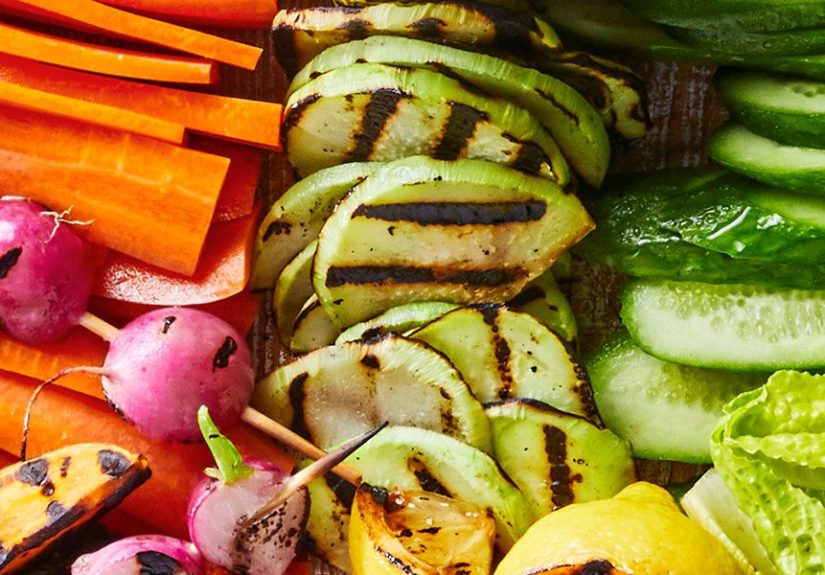
8) Grilled Vegetable Platter with a Real Sauce
Grill zucchini, eggplant, corn, peppers, and onions. Don’t stop at “salt and hope.”
Serve with chimichurri, lemony yogurt, or a vinaigrette. Grilled vegetables love bold dressing the way fries love ketchup.
9) Slow-Roasted Tomatoes, Peppers, or Squash
When you want deep sweetness, go low and slow. Roast with olive oil until jammy and concentrated.
Use in pasta, on toast, folded into grains, or tossed with beans.
10) Cabbage Wedges, But Make Them Dramatic
Sear cabbage wedges until browned, then roast until tender. Glaze with a tangy-sweet sauce (mustard + a touch of maple or honey + vinegar).
Finish with crispy bits (bacon, toasted breadcrumbs, or chopped nuts).
11) Green Beans That Stay Snappy
Quick-boil green beans, then finish in a hot pan with garlic and oil or butter.
This two-step keeps them bright and crisp-tender instead of sad and floppy.
12) “Vegetables + Protein” Bowl That Never Gets Old
Base: rice/quinoa/noodles. Top: roasted vegetables or stir-fry vegetables. Add: tofu, tempeh, eggs, chicken, or beans.
Sauce: peanut sauce, tahini-lemon, spicy yogurt, or miso-ginger. Crunch: peanuts, sesame, or crispy onions.
Healthy Vegetable Recipes Without the “Diet Food” Energy
“Healthy” vegetable recipes work best when they’re satisfying. That usually means:
- Include protein (beans, lentils, tofu, Greek yogurt, eggs, fish, chicken).
- Add fiber-friendly carbs (whole grains, potatoes, corn, beans).
- Use fat strategically (olive oil, nuts, tahini) so the meal actually sticks with you.
- Season boldly so you don’t feel like you’re being punished for making a good choice.
Meal Prep Vegetable Recipes That Save Your Week
Meal prep works best when you prep components, not identical meals you’ll resent by Thursday.
Here’s a simple plan:
- Roast a tray of vegetables (carrots + cauliflower + onions is a strong starter pack).
- Cook a grain (rice, quinoa, farro).
- Pick one protein (chickpeas, lentils, tofu, rotisserie chicken).
- Make one sauce (tahini-lemon or yogurt-herb).
Mix and match through the week: bowls, salads, wraps, stir-fries, or soup “rescues” when you need a reset meal.
Common Vegetable Recipe Mistakes (and How to Fix Them)
“My roasted vegetables are soggy.”
- Fix: raise the oven temp, preheat the pan, and don’t crowd the tray.
- Fix: dry vegetables well after washing. Water = steam = sadness.
“They taste bland even with salt.”
- Fix: add acid at the end (lemon/lime/vinegar).
- Fix: add umami (miso, Parmesan, soy sauce, tomato paste).
- Fix: toss with seasoning evenly before cooking, not as an afterthought.
“My stir-fry is watery.”
- Fix: cook in batches so vegetables sear instead of steam.
- Fix: add sauce at the end and thicken lightly if desired.
Real-Life “Vegetable Recipes” Experiences (The Fun, Messy Part)
If you’ve ever bought a heroic amount of produce with the best intentionsthen discovered it wilted in the drawer like a forgotten houseplantwelcome.
This is an extremely normal chapter in the vegetable-recipes journey. Most people don’t fail because they “don’t like vegetables.”
They fail because they don’t have a plan for the Tuesday-night reality of life: you’re tired, hungry, and your motivation is somewhere under the couch with the lost TV remote.
One of the most common “aha” moments home cooks describe is realizing vegetables don’t need endless new recipesthey need a few reliable formats.
The first time you nail sheet-pan vegetables with real browning, it’s like you unlocked a new setting on your oven: “Flavor: On.”
Suddenly you’re roasting whatever’s aroundbroccoli, cauliflower, carrots, onionsbecause it’s mostly hands-off, and the kitchen smells like you know what you’re doing.
(Even if you’re wearing mismatched socks and eating over the sink. No judgment.)
Another classic experience: discovering that finishing touches matter more than fancy ingredients. People will argue about the “best” vegetable recipes,
but the biggest crowd-pleasers often come down to one simple moveadding acid right at the end. A squeeze of lemon or lime over roasted broccoli can make it taste brighter,
sweeter, and less bitter. It’s the culinary equivalent of opening a window on the first warm day of spring. Same room, completely different vibe.
Then there’s the “kid factor” (or the picky-adult-who-is-basically-a-kid factor). Many cooks swear by turning vegetables into something dip-able and familiar:
roasted broccoli with a creamy dressing, crispy potatoes with a fun sauce, green beans with garlicky butter.
This isn’t “tricking” anyoneit’s meeting people where they are. Vegetables don’t need to win a moral argument; they need to win a taste argument.
And dips? Dips are undefeated.
Stir-fries create their own kind of confidence. Once you learn the rhythmprep first, hot pan, cook in stages, sauce at the endyou stop needing a strict recipe.
You start seeing vegetables as building blocks: cabbage for crunch, mushrooms for savoriness, carrots for sweetness, broccoli for bite.
That’s when vegetable recipes become less about following instructions and more about improvising dinner like a capable, slightly chaotic magician.
Finally, most people who “get good” at vegetable cooking talk about one habit: keeping a few dependable flavor tools on hand.
A jar of miso. A lemon. A decent vinegar. Frozen peas. Canned beans. Garlic. Maybe chili crisp if you like a little drama.
With those around, vegetables stop being a special project and start being the default.
And honestly, that’s the real goalnot perfection, not Pinterest-level platingjust a rotation of vegetable recipes that make you feel like you’re taking care of yourself
without sacrificing joy (or your entire evening).
Conclusion
The best vegetable recipes aren’t about forcing yourself to eat “better.” They’re about learning how to make vegetables crave-able: browned, seasoned, brightened,
and paired with the textures and flavors that make a meal satisfying. Start with roasting and stir-frying, keep a sauce or two in your back pocket,
and treat your vegetables like they deserve the spotlight. They’ve been waiting patiently. In the crisper drawer. Judging you quietly.







 Close
Close