
Table of Contents >> Show >> Hide
- How to Tell Whether It Is Mild or Serious
- 9 Ingrown Toenail Remedies
- 1. Warm Water Soaks
- 2. Epsom Salt Soaks
- 3. Gently Lift the Nail Edge With Cotton or Waxed Dental Floss
- 4. Taping the Skin Away From the Nail
- 5. Petroleum Jelly or Antibiotic Ointment Plus a Bandage
- 6. Wear Roomy Shoes or Open-Toe Sandals
- 7. Use Over-the-Counter Pain Relief When Needed
- 8. Consider Prescription Medication for Inflamed or Complicated Cases
- 9. See a Podiatrist or Dermatologist for Medical Treatment
- What Not to Do
- When to See a Doctor Right Away
- How to Prevent Ingrown Toenails From Coming Back
- Natural Remedy or Medication: Which Is Better?
- Real-World Experiences With Ingrown Toenail Remedies
- Conclusion
Few things can ruin your day quite like an ingrown toenail. One minute you are walking normally, and the next your big toe is acting like it has entered a dramatic phase. It is red, sore, annoyed at your shoes, and fully committed to making every step feel personal.
An ingrown toenail happens when the side or corner of the nail grows into the surrounding skin. The result can be tenderness, swelling, redness, and sometimes infection. The big toe is the usual troublemaker, but any toenail can do this if given the opportunity. Tight shoes, trimming nails too short, curved nail edges, repeated toe trauma, sweating, and even genetics can all play a role.
The good news is that mild ingrown toenails often improve with smart home care. The less-good news is that some cases need a doctor, podiatrist, or dermatologist instead of kitchen-table heroics. Below are nine ingrown toenail remedies, including natural approaches, medication options, and medical treatments that can help when your toe has clearly chosen chaos.
How to Tell Whether It Is Mild or Serious
Before jumping into remedies, it helps to know what kind of ingrown toenail you are dealing with. A mild case usually causes tenderness, slight swelling, and discomfort when pressure hits the side of the nail. A more serious case may bring increasing redness, warmth, throbbing pain, drainage, pus, or skin that starts to grow over the nail edge.
If you have diabetes, poor circulation, numbness in your feet, or a weakened immune system, skip the DIY bravado and contact a healthcare professional early. Those conditions raise the risk of complications from even a small foot problem.
9 Ingrown Toenail Remedies
1. Warm Water Soaks
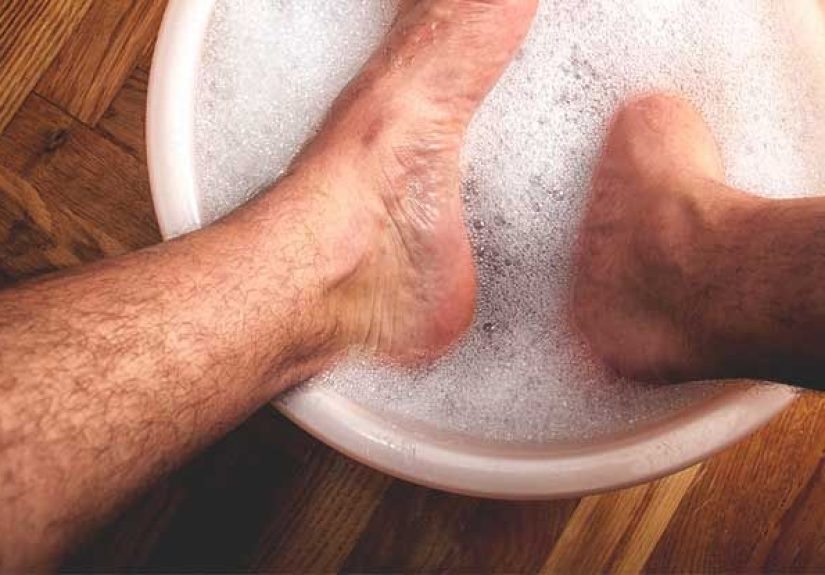
This is the classic place to start, and for good reason. Soaking the affected foot in warm water can soften the skin, reduce tenderness, and calm some of the swelling around the nail.
Use comfortably warm water, not lava disguised as self-care. Soak the toe for about 10 to 20 minutes, two to four times a day. Some people use warm soapy water, while others prefer plain warm water. Pat the area dry very well afterward, because a damp toe trapped in a sock is not exactly a healing environment.
This remedy works best for early or mild ingrown toenails. It is simple, low-cost, and often enough to make the toe less angry while you add other conservative treatments.
2. Epsom Salt Soaks
If you like your warm soak with a little extra spa energy, Epsom salt is a popular add-on. Many people find it soothing, and it may help the surrounding tissue feel less swollen and tight.
Add Epsom salt to a basin of warm water according to the package directions, then soak the foot for 10 to 20 minutes. Dry the toe thoroughly afterward. While Epsom salt is not a magic potion, it can be a comfortable part of a home routine for a mild ingrown nail.
One important note: if the skin is badly broken, draining, or clearly infected, do not rely on soaks alone. That is the point where your toe is politely requesting professional backup.
3. Gently Lift the Nail Edge With Cotton or Waxed Dental Floss
This is one of the better-known home remedies for a mild ingrown toenail. After soaking, some people can gently slide a tiny piece of clean cotton or waxed dental floss under the nail edge to help lift it away from the skin. The goal is to encourage the nail to grow above the skin line instead of digging deeper into it.
Keyword here: gently. You are not excavating a fossil. If it hurts sharply, if the area is bleeding, or if there are signs of infection, stop. This method is for mild cases only. Replace the cotton or floss daily after each soak, and keep the area clean.
Do not try this if you have diabetes, poor circulation, numbness, significant swelling, or obvious infection. In those situations, self-treatment can make things worse.
4. Taping the Skin Away From the Nail
Another conservative trick is taping the side of the toe so the skin pulls slightly away from the nail edge. It sounds unimpressive, but sometimes small mechanical changes make a big difference. If less skin presses against the nail, the area may become less irritated while the nail grows out.
You can place medical tape on the side of the toe and gently pull the skin away from the nail, securing the tape so it stays in place without cutting off circulation. This method tends to work best when the ingrown nail is mild and the surrounding tissue is not badly inflamed.
If taping causes more pain, numbness, or skin irritation, retire that strategy immediately and try a different approach.
5. Petroleum Jelly or Antibiotic Ointment Plus a Bandage
Once the area is cleaned and dried, adding a thin layer of petroleum jelly can reduce friction and keep the skin from getting more irritated. In some cases, an over-the-counter antibiotic ointment may also be used, especially if the skin is a little raw. A light bandage helps protect the toe from rubbing inside socks and shoes.
This remedy is less about dramatic healing and more about creating a calm, protected environment. Think of it as crowd control for your toe. The area is already irritated, so the goal is to reduce rubbing, keep it cleaner, and lower the chance of the problem spiraling into infection.
Change the dressing daily, or sooner if it gets wet or dirty.
6. Wear Roomy Shoes or Open-Toe Sandals
If your shoes squeeze the front of your foot, they may keep pushing the nail deeper into the skin. That means every step becomes a tiny argument between your footwear and your toe. A wider toe box or open-toe shoe can reduce pressure while the area heals.
This is one of the easiest ingrown toenail remedies to overlook because it feels too simple. But footwear matters. A lot. If the shoe keeps rubbing the same inflamed area all day, even good home care may struggle to catch up.
Skip high heels, narrow shoes, tight athletic shoes, and anything that makes your toe feel like it is being packed for shipment.
7. Use Over-the-Counter Pain Relief When Needed
If the toe is sore enough to make walking miserable, over-the-counter pain relievers may help take the edge off. Acetaminophen or a nonsteroidal anti-inflammatory drug such as ibuprofen can help some people, assuming there is no medical reason they should avoid those medicines.
Pain relief does not fix the underlying nail problem, but it can make daily life more manageable while other treatments do the actual work. It is a support act, not the lead singer.
If you are unsure whether a pain reliever is safe for you because of your age, medical conditions, or other medications, ask a pharmacist or clinician before taking it.
8. Consider Prescription Medication for Inflamed or Complicated Cases
Not every ingrown toenail needs prescription treatment, but some do. If the area is inflamed, a clinician may recommend a topical steroid cream to reduce swelling in mild to moderate cases. If there is infection, you may need a prescription antibiotic instead of guesswork and optimism.
This is also the stage where self-diagnosis gets a little risky. A red, swollen toe is not always just an ingrown nail. It could involve paronychia, cellulitis, a fungal nail issue, or another nail disorder. A professional exam helps make sure you are treating the actual problem and not just the loudest symptom.
If the nail is thick, curved, or repeatedly ingrown, your clinician may also treat contributing issues rather than focusing only on the sore edge.
9. See a Podiatrist or Dermatologist for Medical Treatment
When home remedies fail, or the nail is deeply embedded, severely painful, infected, or constantly recurring, professional care is usually the best move. A podiatrist or dermatologist can lift the nail, place a splint, remove the ingrown edge, or perform a partial nail avulsion. In stubborn repeat cases, part of the nail matrix may be treated so that section of nail does not grow back the same way.
Yes, that sounds more dramatic than a warm soak. It is also often the thing that finally solves the problem when your toe has become a repeat offender. Medical procedures are typically done with local numbing, and many people feel significant relief once the pressure-causing nail edge is removed.
If you keep getting ingrown toenails on the same toe, it is worth asking about long-term options rather than replaying the same painful episode every few months.
What Not to Do
Now for the part where we save your toe from a few well-intentioned mistakes.
- Do not dig into the corner of the nail with scissors, clippers, tweezers, or anything that belongs in a toolbox.
- Do not cut the nail into a deep curve in an attempt to “free” the edge.
- Do not rip at the skin beside the nail.
- Do not ignore drainage, spreading redness, or increasing pain.
- Do not keep wearing the same tight shoes and expect your toe to forgive you.
Home treatment should feel gentle and controlled. If your remedy requires bravery, pliers, or a pep talk, it is probably not the right remedy.
When to See a Doctor Right Away
Seek medical care promptly if:
- There is pus, drainage, or a bad smell.
- Redness is spreading beyond the nail fold.
- The pain is severe or worsening.
- You have a fever.
- You have diabetes, poor circulation, nerve damage, or immune suppression.
- The problem keeps coming back.
- You cannot walk normally or wear shoes comfortably.
An infected ingrown toenail is not a great candidate for wishful thinking. The earlier you get proper treatment, the easier it usually is to fix.
How to Prevent Ingrown Toenails From Coming Back
Trim Toenails Straight Across
This is one of the biggest prevention rules. Do not round the corners deeply. Leave the nail long enough that the edges are not buried in skin.
Do Not Cut Nails Too Short
Very short nails are more likely to grow into the surrounding tissue. Give the nail a little breathing room.
Wear Shoes That Actually Fit
If the toe box is narrow, your toes are paying the price. Choose shoes with enough space up front, especially for exercise, long walks, or workdays spent on your feet.
Keep Feet Clean and Dry
Good foot hygiene reduces irritation and lowers the chance of infection. Change sweaty socks, let shoes dry out, and do not keep your feet trapped in moisture all day.
Protect Your Toes From Repeated Trauma
Runners, dancers, hikers, soccer players, and anyone who repeatedly jams their toes into the front of a shoe are especially prone to nail problems. Good fit, proper socks, and activity-specific footwear can help.
Natural Remedy or Medication: Which Is Better?
For a mild ingrown toenail, natural and conservative remedies often work well. Warm soaks, careful lifting of the nail edge, protective ointment, and roomy shoes are often enough to calm the area and let the nail grow out properly.
Medication becomes more useful when inflammation is stronger, pain is interfering with daily life, or infection is entering the chat. And when the problem is severe, recurrent, or complicated by a medical condition, professional treatment is usually the smartest route.
In other words, the best ingrown toenail remedy depends on the stage of the problem. A mildly irritated nail and a deeply infected one do not belong in the same treatment bucket.
Real-World Experiences With Ingrown Toenail Remedies
A lot of people do not take an ingrown toenail seriously at first, mostly because it starts out looking like such a small problem. It is just a toe, after all. Then real life happens. Someone puts on running shoes for a commute, spends eight hours on their feet at work, or bumps the toe on a chair leg, and suddenly that “tiny issue” feels like a full-blown personal betrayal.
One common experience is that the pain builds gradually. At first, people notice only a little tenderness along one side of the nail. Then it starts hurting when a sock brushes against it. A few days later, certain shoes become impossible. Many people say the turning point is when they realize they are changing the way they walk just to avoid pressure on the toe. That awkward limping usually means the problem is no longer minor.
Another very common experience is trying too much too fast. People often clip the corner shorter, poke at the nail edge, or dig into the side because they think they can “free” it in five minutes. Usually, that makes the skin angrier and the nail area more swollen. It is one of those health lessons that tends to arrive wearing the costume of regret.
People who get relief at home often describe a pattern rather than a miracle. They soak the toe regularly, switch to roomier shoes, keep the area clean and bandaged, and stop cutting at it. The improvement is usually gradual. The toe looks less puffy, the redness goes down, and walking becomes less dramatic. It is not glamorous, but steady care often works better than aggressive one-time attempts.
There are also plenty of people who wait too long because they assume the toe will sort itself out. Then drainage starts, the skin grows over the nail edge, or the redness spreads. At that point, seeing a podiatrist often becomes both the fastest and the biggest relief. Many patients say they wish they had gone sooner, especially after a simple office procedure quickly removes the pressure-causing part of the nail.
Recurring ingrown toenails are their own category of frustration. People who deal with them repeatedly often notice patterns: tight dress shoes, intense sports seasons, very curved nails, or trimming habits learned years ago and never questioned. Once they switch shoe styles, trim nails straight across, or get a more permanent procedure for repeat episodes, the cycle often improves.
For people with diabetes or circulation problems, the experience can be more stressful because even a small nail issue may come with higher stakes. Many are advised not to experiment at home and instead seek foot care early, which can feel cautious but is often the safest approach.
The biggest shared experience, though, is this: an ingrown toenail seems small until it interferes with walking, sleep, exercise, or work. Once that happens, most people become surprisingly passionate about proper toenail trimming, better shoes, and respecting the humble big toe. It is not the life lesson anyone asked for, but it is memorable.
Conclusion
Ingrown toenails are common, painful, and extremely good at making you appreciate comfortable footwear. The best home remedies for mild cases include warm soaks, Epsom salt soaks, protective ointment, roomy shoes, and carefully lifting the nail edge only when the area is not badly inflamed or infected. Medication can help with pain or inflammation, and professional treatment is the better choice when the nail is infected, severe, or always coming back.
If your toe is getting worse instead of better, do not keep negotiating with it. A podiatrist, dermatologist, or primary care clinician can help you fix the problem before it turns into a bigger one.




 Close
Close