
Table of Contents >> Show >> Hide
- Before You Turn On Any Water Heater
- Way 1: Turn On an Electric Tank Water Heater
- Way 2: Turn On a Gas Storage Water Heater With Electronic Ignition
- Way 3: Turn On an Older Gas Water Heater With a Manual Pilot
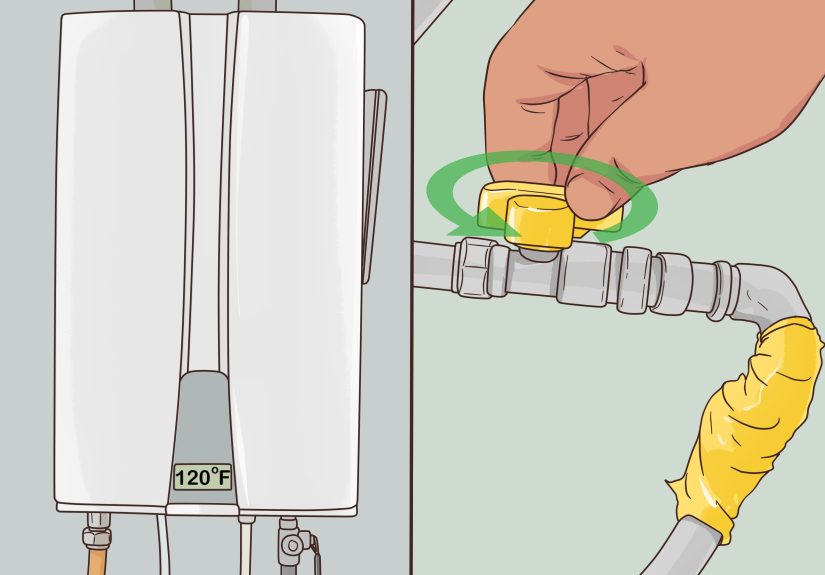
- Way 4: Turn On a Tankless or Heat Pump Water Heater
- Common Mistakes to Avoid
- What Temperature Should You Set?
- How Long Until the Water Gets Hot?
- When to Call a Professional
- Extra Experience and Real-World Lessons From Turning On Water Heaters
- Conclusion
There are few household disappointments more dramatic than stepping into a shower and discovering the water is somehow auditioning for the role of “glacial stream.” The good news is that turning on a water heater is usually not complicated. The less-good news is that there is no single universal method. Electric units, gas models, tankless systems, and newer heat pump water heaters all start a little differently, and using the wrong approach can range from “nothing happens” to “that was an expensive mistake.”
If you have been wondering how to turn on a water heater safely, you are in the right place. This guide walks through four common ways to do it, explains when each method applies, and covers the smart little details many homeowners learn only after one awkward cold shower and a panicked search for the breaker panel. We will also cover water heater pilot light basics, startup mistakes to avoid, and the best temperature setting for everyday use.
Before You Turn On Any Water Heater
Before you flip a breaker, press an igniter, or channel your inner plumber, do three quick checks.
1. Identify the type of water heater
Start with the label, the fuel source, and the controls. If the unit has a gas line, a control knob labeled Off, Pilot, and On, you likely have a gas storage water heater. If it has a dedicated electrical breaker and no pilot assembly, it is probably an electric tank model. If it has a wall controller or digital display and only heats water when a faucet is opened, you likely have a tankless unit. If it looks like a larger electric model with a control screen and different operating modes like Energy Saver or Heat Pump, you may have a heat pump water heater.
2. Make sure the tank is full of water
This matters most for tank-style heaters. If the heater was just installed, drained, flushed, or shut down for maintenance, never restore power or heat until the tank is completely full. An electric element heating an empty tank is the kind of mistake that can turn a simple Saturday chore into a replacement-shopping trip.
To confirm the tank is full, open the cold-water supply valve to the heater, then open a hot-water faucet somewhere in the house. When water flows steadily from the faucet without sputtering air like a dramatic coffee machine, the tank is generally full and purged.
3. Check for warning signs
Do not try to start a water heater if you smell gas, see water leaking from fittings or the tank body, notice scorched wiring, or spot obvious corrosion around controls. That is not the universe testing your bravery. That is your cue to stop and call a qualified technician.
Way 1: Turn On an Electric Tank Water Heater
This is the easiest startup method and the one many homeowners have. No pilot light, no ignition button, no tiny flame hidden behind a panel like a secret boss level.
When to use this method
Use this process for a standard electric storage water heater after installation, draining, flushing, a power shutoff, or a reset.
How to turn it on
- Open the cold-water supply valve. This lets the tank fill completely.
- Open one or more hot-water faucets. Let air escape until water runs smoothly.
- Inspect the unit for leaks. Check around the drain valve, supply connections, and relief valve discharge area.
- Close the hot-water faucets. Once the tank is full and stable, you are ready for power.
- Turn on the circuit breaker. Restore power at the electrical panel for the dedicated water heater circuit.
- Adjust the thermostat if needed. A setting around 120°F is a smart starting point for most homes.
What happens next
Electric tank water heaters do not produce instant hot water the second the breaker flips on. They need time. Depending on tank size, element power, and incoming water temperature, you may wait anywhere from about 30 minutes to more than an hour for a decent supply of hot water. In winter, the wait can feel longer because the incoming water is colder to begin with.
If it still does not heat
Check the breaker first. Then check whether the unit has a reset button behind an access panel. Some electric water heaters have a high-limit reset that trips if the water overheats. If it trips once, that may be a one-off issue. If it keeps tripping, do not keep playing whack-a-mole with the reset. That can point to a thermostat or heating-element problem that needs service.
Way 2: Turn On a Gas Storage Water Heater With Electronic Ignition
This is one of the most common situations people mean when they ask how to turn on a water heater. Many newer gas storage models use a built-in igniter button rather than requiring a match or lighter.
When to use this method
Use this method for a gas water heater with a control knob, pilot setting, and a push-button igniter. Many units also have a status light or sight glass so you can confirm that the pilot is lit.
How to turn it on
- Confirm the tank is full. This is still step one, even on gas models.
- Turn the gas control to Off. If the unit was recently shut down, wait the manufacturer-recommended time before relighting, often several minutes.
- Sniff for gas. If you smell gas, stop immediately and do not operate switches, flames, or ignition controls.
- Turn the knob to Pilot. This allows gas to flow to the pilot assembly when pressed.
- Press and hold the control knob or pilot button. This starts pilot gas flow.
- Press the igniter button repeatedly. Keep clicking until the pilot lights or the status indicator begins blinking.
- Keep holding the knob briefly. Hold it long enough for the safety sensor to recognize the pilot flame.
- Turn the control to On or to the desired temperature setting. Many homeowners begin around 120°F.
What to watch for
If the pilot does not light right away, do not assume disaster. Newly installed or recently serviced heaters can have air in the gas line, which means it may take more than one attempt. What you should not do is ignore the instructions printed on the unit. Gas water heaters are famous for looking similar while using slightly different lighting procedures.
Also, if the status light blinks in a coded pattern or the pilot lights and then immediately dies, the problem may be a dirty pilot assembly, a faulty thermopile, a weak gas supply, or another component issue. At that point, the water heater is asking for a technician, not more motivational speeches.
Way 3: Turn On an Older Gas Water Heater With a Manual Pilot
Some older water heaters require manual lighting of the pilot using a long lighter or fireplace match. This is less common on new models, but plenty of older units are still quietly doing their job in basements, garages, and utility closets across America.
When to use this method
Use this only if the manufacturer’s label or manual clearly shows a manual pilot-lighting process. If the unit has an igniter button, use that instead. If you are unsure, do not improvise with an open flame near a gas appliance. That is how a quick DIY turns into a story your neighbors tell for years.
How to turn it on
- Set the gas control to Off and wait. Give any unburned gas time to clear.
- Remove the access cover if needed. This gives you access to the pilot opening.
- Turn the control to Pilot.
- Press and hold the pilot button or control knob. This starts gas flow to the pilot.
- Use a long lighter to ignite the pilot. Keep your face and hands clear of the opening.
- Continue holding the control briefly. This gives the flame sensor or thermocouple time to warm up.
- Release and confirm the pilot stays lit.
- Turn the control to On and replace the access panel.
Why older units can be finicky
Manual-pilot water heaters can be a little temperamental. Dust, a weak thermocouple, downdrafts, or a partly clogged pilot orifice can cause the flame to go out again. If you relight it once and it stays on, great. If you relight it twice and it still quits, that is usually the point where persistence stops being a virtue.
Way 4: Turn On a Tankless or Heat Pump Water Heater
This fourth method covers water heaters that do not behave like old-school tank units. They usually rely on power, controls, and demand-based operation rather than a standing pilot flame.
How to turn on a tankless water heater
For a gas or electric tankless unit, startup is typically more about restoring utilities and using the controller than about lighting a pilot. Many tankless units ignite automatically when hot water is requested.
- Confirm water and power are available. Open the service valves if they were closed and restore power.
- Turn on the unit at the controller or power button. Many models have a digital interface.
- Set the target water temperature. Around 120°F is a practical starting point for most households.
- Open a hot-water faucet. This creates demand and tells the unit to fire.
- Check the display for errors. Tankless systems are wonderfully honest. If something is wrong, they usually tell you with a code.
How to turn on a heat pump water heater
A heat pump water heater is still an electric water heater, but it usually has a control panel and operating modes. Startup typically involves filling the tank, restoring electrical power, and selecting a mode such as Energy Saver, Heat Pump, or Hybrid.
- Fill the tank completely.
- Restore power at the breaker.
- Use the control panel to turn the unit on.
- Select a mode and temperature. For everyday use, 120°F is a common baseline.
- Allow extra recovery time if needed. Some energy-saving modes heat more slowly than standard electric resistance heating.
The main lesson here is simple: newer water heaters often start with buttons and menus instead of flames and knobs. If your unit has a display, trust the interface. It usually knows more than guesswork does.
Common Mistakes to Avoid
Most water-heater startup problems come from a handful of preventable mistakes.
- Turning on an empty tank: especially dangerous for electric models because the heating elements can burn out.
- Ignoring the label: the startup steps printed on the water heater are not decorative.
- Setting the temperature too high: hotter is not always better, especially when scalding is part of the trade-off.
- Relighting again and again without diagnosing the issue: if a pilot will not stay lit, there is usually a reason.
- Confusing tankless behavior with a malfunction: some people think a tankless unit is “off” when it is simply waiting for a hot-water call.
- Skipping a leak check: a quick visual inspection now can save a major mess later.
What Temperature Should You Set?
For many homes, 120°F is the sweet spot. It is hot enough for normal household use, safer than higher settings, and typically better for energy efficiency. That does not mean every household is identical. Some homes with specific sanitation needs, long pipe runs, or certain appliances may be set differently. Still, as a general starting point, 120°F is the number that comes up again and again for good reason.
If you have small children, older adults, or anyone sensitive to hot water, be especially cautious about cranking the temperature higher. Water heater bravado is overrated. Comfortable showers and unscalded hands are underrated.
How Long Until the Water Gets Hot?
The answer depends on the heater type.
- Electric tank water heater: usually 30 to 60 minutes or more for a meaningful supply of hot water.
- Gas tank water heater: often a bit faster than electric, though still not immediate.
- Tankless water heater: begins heating when there is demand, but the delay at the faucet still depends on pipe length.
- Heat pump water heater: may take longer in energy-saving modes, especially with a large tank or cold incoming water.
If the heater turns on correctly but the faucet is still cold after a reasonable wait, the issue may be downstream. Crossed plumbing, closed valves, failed elements, burner problems, tripped limits, or circulation issues can all be the culprit.
When to Call a Professional
There is no shame in calling a pro. In fact, sometimes the most responsible DIY decision is knowing when to stop.
Bring in a licensed plumber or qualified service technician if:
- you smell gas at any point,
- the pilot will not stay lit,
- the breaker trips repeatedly,
- the reset button keeps popping,
- the tank leaks from the body itself,
- you see error codes you cannot clear, or
- you are not sure what type of unit you even have.
A water heater is a humble appliance, but it combines heat, pressure, fuel, and electricity in one metal cylinder of consequences. Respect is cheaper than repairs.
Extra Experience and Real-World Lessons From Turning On Water Heaters
Homeowners tend to remember their first water-heater restart because it rarely happens during a calm, perfectly organized afternoon. It usually happens after a flush, after a storm, after a move, or five minutes before someone needs a shower. That urgency is exactly why people skip steps. In real-world experience, the biggest lesson is that turning on a water heater is less about speed and more about sequence.
One common example is the post-maintenance restart. Someone flushes the tank, proudly closes the drain valve, opens the supply, hears a bit of water, then flips the breaker immediately. What they missed is that the tank may still contain pockets of air. The same job feels “done,” but the heater is not actually ready. People who have done this once usually become lifelong evangelists for the boring but important faucet test: open a hot tap and wait until the flow is steady. It is not exciting, but neither is replacing a heating element.
Gas water heaters create a different kind of learning experience. A lot of people assume every gas unit works the same way. Then they stand in front of the heater, pressing the wrong thing, turning the wrong knob, and wondering why the pilot is not cooperating. In practice, the real lesson is that the label on the heater matters more than internet folklore. Some units want the knob held longer. Some use an igniter. Some older ones require manual flame lighting. The people who have the smoothest experience are rarely the bravest. They are the ones who stop, read, and follow the sequence on the appliance.
Tankless units teach patience in a different way. Homeowners often expect them to behave like a tank that is either on or off. But tankless systems are demand-based, so the “turn on” moment is sometimes just restoring power, setting the temperature, and opening a hot tap. Many first-time users think the system is broken because they do not hear a dramatic startup noise right away. Then they open a faucet, the burner fires, and suddenly the mystery evaporates. The experience there is simple: a quiet unit is not always a dead unit.
Heat pump water heaters teach another lesson: efficiency and speed are not the same thing. Someone turns the unit on, selects an energy-saving mode, and expects hot water with the urgency of a gas burner. Then the recovery feels slower, and panic sets in. In real homes, the best experience comes from matching expectations to the mode. If you want maximum efficiency, you may need more patience. If you want faster recovery for a house full of guests, a different mode may make more sense.
Another real-world insight is that water heaters often reveal other plumbing problems the moment they restart. You finally get the unit powered up, only to realize a valve is half closed, a faucet cartridge is mixing hot and cold, or an old pipe run means the upstairs bathroom takes forever to warm up. That does not mean the startup failed. It means the water heater was only one part of the story.
Perhaps the most useful experience-based takeaway is this: the safest restarts feel almost boring. Fill the tank. Check for leaks. Follow the label. Set a reasonable temperature. Wait. Test. That calm, methodical approach may not look impressive, but it usually ends with the same reward everyone wanted from the beginning: reliable hot water and zero unexpected adventures in the utility room.
Conclusion
If you know your heater type, turning on a water heater is much more straightforward than it first appears. Electric tank models usually need a full tank and a live breaker. Gas storage heaters may need the pilot relit, either with an igniter or, on older models, by manual flame. Tankless and heat pump water heaters usually rely on power, controller settings, and demand-based operation. The golden rules stay the same across all four methods: know what you have, make sure water is where it should be, follow the unit’s label, and treat gas or electrical warning signs seriously.
In other words, hot water is great, but safe hot water is the real luxury.






 Close
Close