
Table of Contents >> Show >> Hide
- What Is Sweet Potato Casserole?
- Why This Sweet Potato Casserole Recipe Works
- Ingredients for Classic Sweet Potato Casserole
- How to Make Sweet Potato Casserole Step by Step
- Best Topping Ideas for Sweet Potato Casserole
- Recipe Variations to Try
- Make-Ahead Sweet Potato Casserole Tips
- How to Store and Reheat Leftovers
- Common Mistakes to Avoid
- What to Serve with Sweet Potato Casserole
- Kitchen Experience: Real-Life Tips for Better Sweet Potato Casserole
- Conclusion
Sweet potato casserole is the holiday side dish that confidently walks into dinner wearing a sweater, a crown, and possibly a layer of toasted marshmallows. It is creamy, cozy, gently spiced, and just sweet enough to make everyone at the table wonder, “Is this a side dish or dessert?” The correct answer is: yes.
Whether you love the classic sweet potato casserole recipe with marshmallows, prefer a buttery pecan streusel topping, or want a less-sweet version that lets the natural flavor of roasted sweet potatoes shine, this guide will show you exactly how to make sweet potato casserole from scratch. We will cover ingredients, step-by-step instructions, topping ideas, make-ahead tips, storage advice, and practical kitchen experience so your casserole comes out creamynot watery, flavorfulnot flat, and festivenot “why is this orange soup in a baking dish?”
What Is Sweet Potato Casserole?
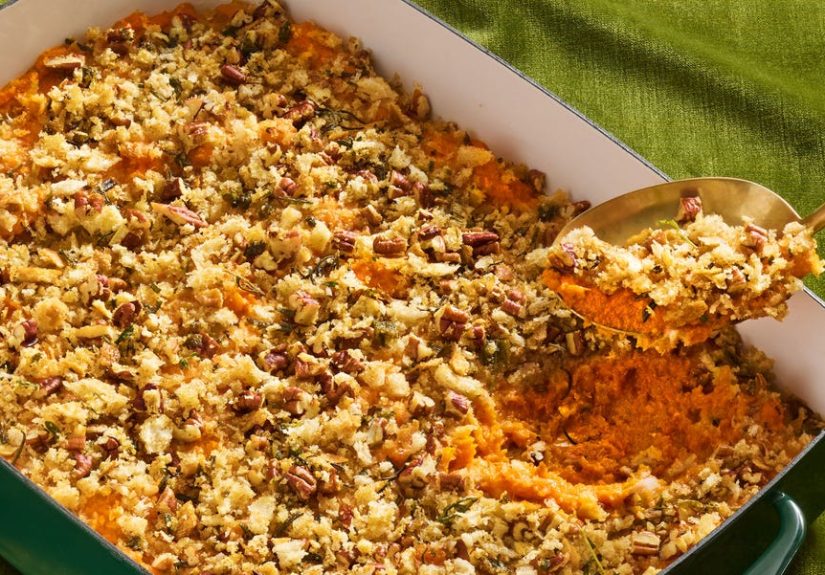
Sweet potato casserole is a baked American side dish made with cooked and mashed sweet potatoes, butter, milk or cream, eggs, sugar, warm spices, and a topping such as marshmallows, pecans, brown sugar crumble, or a combination of all three. It is most commonly served at Thanksgiving, Christmas, Sunday dinners, potlucks, and family gatherings where one person always says, “I’ll just take a tiny spoonful,” then returns for a second helping large enough to require structural engineering.
The beauty of this dish is its flexibility. Some versions taste like a spoonable sweet potato pie without the crust. Others lean more savory with herbs, browned butter, ginger, or a lighter hand with sugar. The best sweet potato casserole balances natural sweetness, creamy texture, spice, salt, and crunch.
Why This Sweet Potato Casserole Recipe Works
A good sweet potato casserole should not be one-note sweet. Sweet potatoes already bring plenty of earthy sweetness, so the recipe works best when you build flavor in layers. Roasting the potatoes concentrates their flavor. Butter adds richness. Eggs help the filling set. A pinch of salt keeps the dish from tasting like baby food wearing perfume. Vanilla, cinnamon, nutmeg, and brown sugar add warmth without stealing the spotlight.
The topping is where families choose sides. Marshmallow fans love the gooey, toasted finish. Pecan lovers want crunch and buttery depth. The diplomatic solution is to use both: pecan streusel for texture and a scattering of mini marshmallows for nostalgia. It is the culinary equivalent of letting everyone sit at the grown-up table.
Ingredients for Classic Sweet Potato Casserole
For the Sweet Potato Filling
- 4 pounds sweet potatoes, about 5 to 6 medium potatoes
- 6 tablespoons unsalted butter, softened or melted
- 1/3 cup light brown sugar, packed
- 1/2 cup whole milk, evaporated milk, or half-and-half
- 2 large eggs, lightly beaten
- 1 teaspoon vanilla extract
- 1 teaspoon ground cinnamon
- 1/4 teaspoon ground nutmeg
- 1/2 teaspoon fine salt
- Optional: 1 tablespoon orange zest or 1 tablespoon maple syrup
For the Pecan Streusel Topping
- 1 cup chopped pecans
- 1/2 cup light brown sugar
- 1/3 cup all-purpose flour
- 4 tablespoons unsalted butter, melted
- 1/4 teaspoon cinnamon
- Pinch of salt
Optional Marshmallow Topping
- 1 1/2 to 2 cups mini marshmallows
How to Make Sweet Potato Casserole Step by Step
Step 1: Cook the Sweet Potatoes
Preheat the oven to 400°F. Scrub the sweet potatoes, pierce them a few times with a fork, and place them on a foil-lined baking sheet. Roast for 45 to 60 minutes, depending on size, until they are very tender when pierced with a knife.
Roasting is the best method because it reduces excess moisture and deepens the sweet potato flavor. Boiling works in a hurry, but it can make the filling watery if the potatoes are not drained well. If you boil them, cut the potatoes into chunks, simmer until tender, drain thoroughly, and let them steam-dry for several minutes before mashing.
Step 2: Mash the Filling
When the roasted sweet potatoes are cool enough to handle, remove the skins and place the flesh in a large mixing bowl. Mash until smooth. For an ultra-silky casserole, use a hand mixer or food processor. For a more rustic sweet potato casserole, leave a few small chunks for texture.
Add butter, brown sugar, milk, eggs, vanilla, cinnamon, nutmeg, and salt. Stir until the mixture is creamy and evenly combined. Taste before adding the eggs if you want to adjust sweetness. Once eggs are included, avoid tasting raw mixture unless you use pasteurized eggs.
Step 3: Prepare the Baking Dish
Grease a 9-by-13-inch baking dish or a similar 3-quart casserole dish. Spoon the sweet potato mixture into the dish and smooth the top with a spatula. At this point, the filling should look thick and fluffy, not loose or watery.
Step 4: Add the Topping
For the pecan streusel, combine chopped pecans, brown sugar, flour, melted butter, cinnamon, and salt in a bowl. Stir until crumbly. Sprinkle evenly over the sweet potato filling.
If you are using marshmallows, you can add them during the last 8 to 10 minutes of baking so they toast without burning. For a half-and-half casserole, cover one side with pecan topping and the other with marshmallows. This prevents dinner table negotiations from turning into a seasonal courtroom drama.
Step 5: Bake Until Golden
Bake at 350°F for 30 to 40 minutes, or until the center is hot, the edges are gently puffed, and the topping is golden brown. If adding marshmallows, scatter them over the top near the end and return the casserole to the oven until the marshmallows are puffed and lightly toasted.
Let the casserole rest for 10 minutes before serving. This short rest helps the filling set and makes it easier to scoop clean portions instead of molten sweet potato lava.
Best Topping Ideas for Sweet Potato Casserole
Marshmallow Topping
Marshmallows are the nostalgic choice. They melt into a soft, golden blanket and add a playful sweetness that children and adults secretly love, even if some adults pretend to be above it.
Pecan Streusel Topping
A pecan streusel topping gives the casserole crunch, nuttiness, and a caramel-like brown sugar flavor. It is ideal if you want a more balanced holiday side dish that still feels indulgent.
Marshmallow and Pecan Combo
This is the crowd-pleasing version. The pecans add texture, while the marshmallows bring the classic Thanksgiving look. If your family is divided, this topping is peacekeeping in casserole form.
Nut-Free Crunch Topping
For a nut-free sweet potato casserole, replace pecans with crushed cornflakes, crushed graham crackers, or crispy rice cereal mixed with melted butter, brown sugar, cinnamon, and a pinch of salt. This keeps the crunch without using nuts.
Recipe Variations to Try
Southern Sweet Potato Casserole
Southern-style sweet potato casserole often includes brown sugar, butter, vanilla, eggs, warm spices, and either a pecan topping or marshmallows. It is rich, festive, and unapologetically comforting.
Less-Sweet Sweet Potato Casserole
Reduce the brown sugar in the filling to 2 tablespoons and skip the marshmallows. Add browned butter, black pepper, fresh thyme, or a pinch of cayenne for a more savory profile. This version pairs beautifully with turkey, ham, roasted chicken, or pork.
Maple Sweet Potato Casserole
Swap part or all of the brown sugar for maple syrup. Maple brings a deeper, woodsy sweetness that tastes especially good with pecans and cinnamon.
Sweet Potato Casserole with Canned Yams
Fresh sweet potatoes deliver the best flavor and texture, but canned yams can work when time is short. Drain them very well, reduce the added sugar, and mash thoroughly. Because canned varieties may already be packed in syrup, taste carefully before sweetening.
Dairy-Free Sweet Potato Casserole
Use plant-based butter and unsweetened oat milk, almond milk, or coconut milk. Choose a neutral milk unless you want coconut flavor in the finished dish.
Make-Ahead Sweet Potato Casserole Tips
Sweet potato casserole is a make-ahead champion, which is great because holiday oven space is usually more competitive than airport parking.
You can prepare the sweet potato filling up to two days ahead. Spread it into the baking dish, cover tightly, and refrigerate. Keep the topping separate in an airtight container. When ready to bake, remove the dish from the refrigerator about 30 minutes before baking, add the topping, and bake until hot in the center.
If baking directly from cold, add 10 to 15 extra minutes to the baking time. Cover loosely with foil if the topping browns too quickly before the center is heated through.
How to Store and Reheat Leftovers
Cool leftovers and refrigerate them within two hours. Store sweet potato casserole in an airtight container in the refrigerator for 3 to 4 days. Reheat individual portions in the microwave or warm a larger portion in a 325°F oven until heated through. For best food safety, leftovers should be reheated to 165°F.
You can also freeze sweet potato casserole, although marshmallows may become softer after thawing. For best results, freeze the filling without the topping, then add fresh streusel or marshmallows before baking.
Common Mistakes to Avoid
Using Watery Sweet Potatoes
If the filling is loose, the casserole will not set well. Roast the potatoes when possible, or drain boiled potatoes thoroughly and allow steam to escape before mashing.
Skipping the Salt
Salt is essential. It does not make the casserole salty; it makes the sweetness taste balanced and the spices taste brighter.
Adding Marshmallows Too Early
Marshmallows can burn if baked for the full cooking time. Add them near the end so they puff and brown without turning into tiny sugar campfires.
Overmixing the Filling
Mix until smooth, but do not whip the filling forever. Too much mixing can make the texture gluey, especially if the potatoes are processed aggressively.
What to Serve with Sweet Potato Casserole
Sweet potato casserole is a natural fit for roasted turkey, glazed ham, roast chicken, pork tenderloin, green bean casserole, cranberry sauce, cornbread dressing, dinner rolls, and crisp salads. Because the dish is rich and sweet, it pairs well with foods that bring salt, acidity, herbs, or crunch.
For a balanced plate, serve it beside something savory and fresh. A lemony green salad, roasted Brussels sprouts, garlicky green beans, or cranberry relish can keep the meal from feeling too heavy.
Kitchen Experience: Real-Life Tips for Better Sweet Potato Casserole
After making sweet potato casserole for family meals, holiday dinners, and “I volunteered to bring a side dish and now I’m emotionally committed” gatherings, one lesson becomes obvious: texture matters as much as flavor. People remember a casserole that is creamy inside and crunchy on top. They also remember the one that looked like orange pudding under sad marshmallows, but usually in a quieter tone.
The first practical trick is to roast the sweet potatoes the day before. Roasting makes them sweeter and less watery, and it also breaks the work into manageable pieces. Once roasted, the potatoes can be cooled, peeled, and refrigerated. The next day, making the casserole feels less like a cooking project and more like assembling something delicious with suspiciously little effort.
Another useful experience is to taste the sweet potatoes before adding sugar. Some sweet potatoes are naturally very sweet, especially after roasting. Others are more earthy. If the potatoes already taste like nature’s candy, use less sugar in the filling and let the topping provide sweetness. If they taste mild, the full amount of brown sugar makes sense. Recipes are helpful, but your spoon is the final judge.
For the smoothest filling, warm the butter and milk slightly before mixing them into the potatoes. Cold dairy can make the mixture stiff and harder to blend. Warm ingredients fold in more easily and create a silkier texture. A hand mixer works well, but stop as soon as the filling looks creamy. This is not whipped cream; it does not need a motivational speech and five extra minutes of beating.
When making a casserole for a crowd, the half-pecan, half-marshmallow strategy is gold. Put pecan streusel on one side and marshmallows on the other. Guests can choose their team without debate. If there are children at the table, the marshmallow side will disappear first. If there are adults who claim they “do not like sweet sides,” watch the pecan side closely. It has a way of vanishing while everyone maintains innocence.
A final experience-based tip: do not serve sweet potato casserole straight from the oven. Give it at least 10 minutes to rest. The filling firms up, the flavors settle, and nobody burns the roof of their mouth trying to be first in line. A rested casserole scoops better, looks better on the plate, and tastes more complete.
If transporting the casserole, bake it in a sturdy dish, cover it tightly with foil, and bring the marshmallows separately if you are using them. Add and toast the marshmallows at the destination if possible. This keeps the topping fresh instead of sticky and flattened. For potlucks, a pecan streusel topping travels better than marshmallows, especially if the casserole will sit covered for a while.
Sweet potato casserole also teaches a broader cooking lesson: the best comfort food is not complicated, but it is thoughtful. A little salt, a little spice, a crisp topping, and properly cooked sweet potatoes can turn a simple side dish into the one everyone asks about before dinner even begins. It is humble, cheerful, and dependablethe golden retriever of holiday casseroles.
Conclusion
Learning how to make sweet potato casserole is really about learning balance. Start with flavorful sweet potatoes, add enough richness to make them creamy, season with warm spices, and finish with a topping that brings contrast. Marshmallows make it nostalgic. Pecans make it elegant. Both make it disappear quickly.
This sweet potato casserole recipe is easy enough for a first holiday dinner and delicious enough for the family recipe box. Make it ahead, customize the topping, and do not forget the pinch of salt. That tiny detail is what separates a memorable casserole from a bowl of sweet orange confusion.
Note: This article is written as original, web-ready content in standard American English. It contains no source links, no copied recipe text, and no unnecessary citation placeholders.





 Close
Close