
Table of Contents >> Show >> Hide
- What Is Palmoplantar Psoriasis?
- Causes of Palmoplantar Psoriasis
- Symptoms of Palmoplantar Psoriasis
- How It Is Diagnosed
- Treatment for Palmoplantar Psoriasis
- Flare Prevention and Long-Term Management
- When to See a Doctor Right Away
- Real-World Experiences: What Palmoplantar Psoriasis Can Feel Like
- Conclusion
Note: Body-only HTML, standard American English, ready for web publishing.
Palmoplantar psoriasis is one of those conditions that sounds technical but feels very personal. When psoriasis settles onto the palms of your hands or the soles of your feet, it can turn simple daily tasks into tiny boss battles. Shaking hands may sting. Walking across the kitchen may feel like stepping on cracked glass. Even opening a jar can become an event worthy of dramatic music.
This form of psoriasis is notoriously stubborn because the skin on the hands and feet is thicker than skin elsewhere on the body. That extra thickness is useful when you are, say, carrying groceries or sprinting to catch the bus. It is much less helpful when medication is trying to penetrate the skin and calm down inflammation. The result is a condition that may look “small” on paper but can feel huge in real life.
In this guide, we will break down the causes, symptoms, diagnosis, and treatment of palmoplantar psoriasis in plain English. You will also find practical tips for flare prevention and a longer section on real-world experiences, because skin disease never lives only on the skin. It shows up at work, in relationships, and in the way people move through the day.
What Is Palmoplantar Psoriasis?
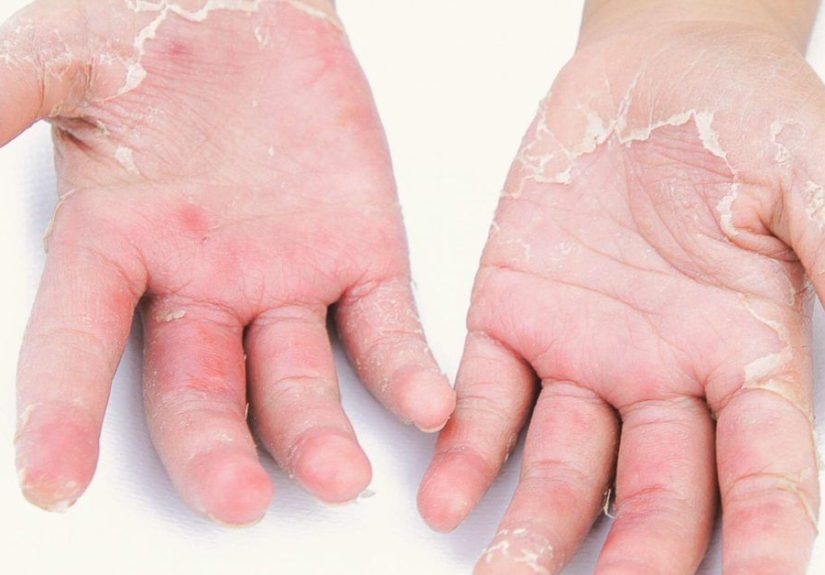
Palmoplantar psoriasis is psoriasis that affects the palms and/or the soles. It may appear as thick, red, sharply outlined patches with heavy scale, painful cracking, or deep dryness. In some people, the skin becomes so inflamed and thick that it looks almost armor-plated. Unfortunately, this is not cool medieval armor. It is itchy, tender, and very inconvenient.
Some patients also develop pus-filled bumps on the hands or feet. These sterile pustules can overlap with a condition called palmoplantar pustulosis. Depending on the source and the clinician, palmoplantar pustulosis may be discussed as part of the psoriasis spectrum or as a closely related but distinct condition. Either way, the takeaway is the same: inflamed palms and soles can be painful, hard to treat, and disruptive to quality of life.
Unlike classic plaque psoriasis on the elbows or knees, palmoplantar psoriasis can interfere with function very quickly. A relatively small area of disease on the sole can hurt more than a much larger plaque on the back. That is why dermatologists do not judge severity by body surface area alone. Where the psoriasis shows up matters a lot.
Causes of Palmoplantar Psoriasis
An overactive immune response
Psoriasis is an immune-mediated disease. In simple terms, the immune system sends the wrong signals, skin cells multiply too quickly, and inflammation builds up. Instead of skin renewing itself on a normal schedule, it speeds ahead, creating thick scale, redness, and discomfort.
Genetics can load the dice
Psoriasis tends to run in families, so genetics matter. That does not mean every person with a family history will develop it, but inherited risk can make the skin more likely to respond abnormally to triggers.
Common triggers that can worsen flares
Palmoplantar psoriasis is often pushed into flare mode by the same triggers seen in other forms of psoriasis. These include stress, skin injury, infections, smoking, heavy alcohol use, certain medications, and cold, dry weather. Repeated friction and pressure on the hands and feet can also make symptoms worse. If your job involves constant handwashing, tools, standing, walking, or repetitive trauma, your skin may feel like it got assigned extra homework.
Smoking deserves special attention. It has been linked to more severe disease and is especially relevant when pustules are involved. That does not mean every smoker will develop palmoplantar disease, but it does mean quitting can be an important part of the treatment plan.
Symptoms of Palmoplantar Psoriasis
The symptoms can vary from person to person, but several patterns are especially common:
- Thick, scaly plaques on the palms, soles, or both
- Redness or darker inflamed patches, depending on skin tone
- Deep dryness and peeling
- Painful fissures or cracks
- Burning, itching, or soreness
- Pus-filled bumps in pustular forms
- Difficulty walking, gripping, typing, or doing manual work
- Nail changes in some patients, such as pitting or thickening
Many people expect psoriasis to itch. Palmoplantar psoriasis can itch, but pain is often the symptom that steals the spotlight. Cracks on the soles may make every step hurt. Cracks on the palms may split open when you lift a bag, wash dishes, or simply hold a steering wheel.
This condition can also be confused with eczema, fungal infections, contact dermatitis, or other disorders of the hands and feet. That is one reason self-diagnosis can go sideways fast. The skin loves to imitate other skin problems just to keep everyone humble.
How It Is Diagnosed
Diagnosis usually starts with a physical exam and a review of symptoms, personal history, and family history. A dermatologist will look at the pattern of the rash, where it appears, whether there are nail changes, and whether there are signs of psoriasis elsewhere on the body.
Because palm and sole rashes can mimic one another, doctors may also rule out fungal infection with a skin scraping or other tests, especially when a rash does not look classic. A biopsy is not always needed, but it may be helpful when the diagnosis is unclear or when the condition is not responding as expected.
If you also have joint pain, morning stiffness, swollen fingers or toes, or heel pain, mention it. Psoriasis and psoriatic arthritis can travel as a pair, and early evaluation matters.
Treatment for Palmoplantar Psoriasis
There is no permanent cure for palmoplantar psoriasis, but there are many ways to reduce inflammation, improve skin comfort, and make flares less frequent. Treatment often works best as a combination rather than a single magic bullet. Sorry, skin loves teamwork.
1. Topical treatment is usually the starting point
Because the skin on the palms and soles is thick, treatment often begins with stronger prescription topicals than you might use on delicate areas like the face.
- High-potency or super-high-potency topical corticosteroids: These are commonly used first, especially for thick plaques and painful inflammation.
- Vitamin D analogs: Medications such as calcipotriene may be used alone or combined with steroids.
- Keratolytics: Ingredients such as salicylic acid can help soften thick scale and improve penetration of other treatments.
- Coal tar preparations: Old-school, yes, but still helpful for some stubborn palm and sole psoriasis.
- Heavy moisturizers and ointments: These do not treat the immune problem, but they help reduce cracking, dryness, and discomfort.
Some doctors recommend applying medication and then covering the area with gloves, socks, or another occlusive dressing for a limited period. This can improve absorption, but it should be done according to medical advice because more absorption is not always better if side effects show up.
2. Phototherapy can help when creams are not enough
Light therapy, especially targeted ultraviolet treatment, can be effective for hand and foot psoriasis. It is often used when topical therapy alone is not doing the job. Phototherapy requires consistency, and the schedule can feel inconvenient, but for some patients it becomes a very worthwhile routine.
3. Systemic medications may be needed for stubborn or severe disease
When palmoplantar psoriasis causes major pain, disability, or repeated flares, treatment may move beyond the skin to pills or injections that work on the immune system more broadly.
- Acitretin: Often considered for difficult palm and sole disease, especially when thick scale or pustules are involved.
- Methotrexate: A longstanding option for more severe psoriasis.
- Cyclosporine: Sometimes used for severe, recalcitrant disease.
- Apremilast: An oral medication that may help some patients.
- Biologic therapies: Injectable or infused medications that target specific immune pathways such as TNF, IL-17, or IL-23. These may be considered when the disease is hard to control or significantly affects quality of life.
The “best” treatment depends on the exact type of palmoplantar disease, whether pustules are present, your other health conditions, pregnancy plans, medication risks, insurance coverage, and how much the condition affects daily life. A treatment that works beautifully for one person may do almost nothing for another.
4. Home care matters more than people think
Prescription medicine is important, but daily skin habits are not optional extras. They are part of treatment.
- Use fragrance-free moisturizers regularly, especially after washing
- Choose gentle cleansers instead of harsh soaps
- Protect hands with gloves during wet work or chemical exposure
- Wear supportive, well-cushioned shoes if the soles are affected
- Avoid picking scale or forcing cracks open
- Reduce friction when possible
- Track personal triggers, including stress, smoking, and weather changes
Flare Prevention and Long-Term Management
Palmoplantar psoriasis tends to wax and wane, so long-term management is really about building a smarter routine. First, stick with treatment long enough to know whether it is working. Thick palm and sole skin rarely responds overnight. Second, protect the skin barrier every day, not just on bad days. Third, do not ignore lifestyle factors. Stress, smoking, alcohol, and repeated trauma can quietly sabotage progress.
Weight management, regular movement, sleep, and smoking cessation may also help overall inflammation and support treatment success. No, lifestyle change is not a substitute for medical care, and nobody should be told to meditate their way out of a cracked sole. But daily habits can absolutely influence how often flares happen and how hard they hit.
When to See a Doctor Right Away
Make an appointment if your symptoms are painful, spreading, or interfering with walking, work, or sleep. Seek prompt medical attention if you have signs of infection such as pus, warmth, worsening redness, swelling, or fever. You should also be evaluated if you develop significant joint pain, swelling, or morning stiffness, since psoriatic arthritis can cause lasting joint damage if ignored.
Real-World Experiences: What Palmoplantar Psoriasis Can Feel Like
Palmoplantar psoriasis has a way of making invisible things visible and visible things invisible. The rash itself may be tucked away on the hands and feet, but the consequences show up everywhere. Many patients describe the condition as exhausting because it affects movement, independence, work, and confidence all at once.
Imagine a cashier who handles paper bags, receipts, and hand sanitizer all day. By mid-shift, the skin on the palms feels tight and raw. Every time the fingers bend, tiny fissures sting. At home, even washing vegetables can burn. This is not “just dry skin.” It is a constant negotiation between pain and routine.
Now picture someone whose psoriasis is concentrated on the soles. Getting out of bed in the morning can feel like stepping onto a field of thumbtacks. The first few steps to the bathroom are stiff and careful. A commute that once felt ordinary suddenly requires strategy: cushioned shoes, spare socks, ointment in the bag, and mental math about how much walking the day will demand.
People who work with their hands often carry an extra burden. Hairstylists, mechanics, nurses, cooks, warehouse staff, cleaners, and parents of small children may not be able to “rest” their hands in any realistic sense. The disease can become both a physical problem and an economic one. Missed work, slower performance, and embarrassment over visible flaking can add stress, which then feeds the flare. Psoriasis can be annoyingly circular like that.
Social experiences matter too. Some patients feel self-conscious when handing over cash, touching a touchscreen in public, or going barefoot at a pool or yoga class. Others worry that people will assume the rash is contagious. That misunderstanding can feel isolating, especially when the person is already dealing with pain. Education helps, but so does compassion. Nobody should need to give a dermatology lecture just to buy coffee.
There is also the emotional fatigue of trial and error. Many patients go through a sequence of thick creams, stronger ointments, phototherapy appointments, medication approvals, and lifestyle adjustments before finding a plan that truly works. Improvement may come in inches rather than miles. A good week can be followed by a rough one. That does not mean treatment failed; it often means the disease needs more fine-tuning.
The encouraging part is that effective treatment can make a huge difference. Patients often describe relief in very practical terms: being able to grip a steering wheel without pain, walk through a grocery store without limping, type for longer stretches, wear regular shoes again, or sleep without burning feet waking them up. These small wins are not small at all. They are quality of life coming back online.
If you live with palmoplantar psoriasis, it can help to think beyond “clear skin” as the only measure of success. Better goals may include fewer cracks, less pain, more comfort while walking, improved hand function, longer time between flares, and less anxiety about day-to-day tasks. Those gains count. In fact, they count a lot.
Conclusion
Palmoplantar psoriasis may affect a limited body area, but it can have an outsized effect on daily life. The condition is driven by immune dysfunction, influenced by genetics and triggers, and often worsened by friction, stress, smoking, and other real-world factors. Symptoms may include thick scale, pain, burning, fissures, and sometimes pustules, especially on the hands and feet where function matters most.
The good news is that treatment options are broader than they used to be. Topical corticosteroids, vitamin D analogs, keratolytics, moisturizers, phototherapy, oral medications, and biologic therapies can all play a role. The best results usually come from a personalized plan, consistent follow-through, and realistic attention to everyday skin care.
If your palms or soles are hurting, cracking, or keeping you from living normally, do not brush it off as simple dryness. Palmoplantar psoriasis is real, treatable, and worth addressing early. Your hands and feet do a lot for you. They deserve better than being left to suffer in silence and lotion alone.






 Close
Close