
Table of Contents >> Show >> Hide
- Quick Context: What “Escape from L.A.” Is Really Doing
- Rankings #1: Where “Escape from L.A.” Sits in the Snake Plissken Universe
- Rankings #2: The 10 Most “Escape from L.A.” Moments
- Rankings #3: Best Characters (and Why They Work)
- Opinions That Actually Hold Up (Even If You Don’t Love the Movie)
- Rankings #4: The Best Set Pieces (Rated by Rewatch Value)
- So… Is “Escape from L.A.” Good or Just Fun?
- How to Use These Rankings: A “Choose Your Snake” Viewing Guide
- The “Escape from L.A.” Experience (500+ Words of Relatable Movie-Night Field Notes)
- Final Take: The Best Way to Rank “Escape from L.A.”
Some sequels try to outgrow their originals. Escape from L.A. (1996) does something far stranger and, depending on your mood,
far more entertaining: it grabs the blueprint from Escape from New York, scribbles “MAKE IT WEIRDER” in the margin, and then
skateboards off a burning ramp while John Carpenter’s synths smirk in the background.
If you’ve ever wondered what would happen if a dystopian action movie started roasting its own genre in real timewhile still
delivering fistfights, chase scenes, and a hero who treats emotions like an optional DLCthis is your stop. Below are rankings,
opinions, and a few hard-earned takeaways about why Snake Plissken still works, why Escape from L.A. still divides people,
and why the film’s most infamous moments remain the stuff of movie-night legend.
Quick Context: What “Escape from L.A.” Is Really Doing
Carpenter sets the sequel in a then-near-future 2013 where Los Angeles has been severed from the mainland after a massive quake,
turned into an island, and used as a dumping ground for “undesirables.” The U.S. is run by a hardline, theocratic president-for-life
who bans a whole list of vices and freedoms (yes, even the menu gets moralized). Meanwhile, the government’s shiny new trump card is
the Sword of Damocles, a satellite-based superweapon that can wipe out technology anywhere on Earth.
When the president’s daughter runs off with the remote, Snake Plissken gets drafted (again) to go in, get the device, and “earn” his freedom
(again). The setup is intentionally familiar. The difference is tone: Escape from L.A. leans harder into satire, absurdity,
and big, pulpy swingssometimes landing on the bullseye, sometimes doing a full backflip into the snack table.
Rankings #1: Where “Escape from L.A.” Sits in the Snake Plissken Universe
Let’s start with the obvious, because everyone argues about it anyway. Here’s a practical ranking that separates “film craft” from
“hangout value,” because those are not always the same thing.
1) Escape from New York (1981): Best Film, Most Iconic Mood
The original is tighter, meaner, and more dreamlikelike a grimy urban fairy tale told by someone who has never once believed in
happy endings. It’s also the foundation of Snake’s myth: the eyepatch, the attitude, the “don’t need your approval” swagger.
2) Escape from L.A. (1996): Best “Group Watch,” Most Quotable Chaos
As a movie, it’s messier. As an experience, it’s a buffet: cult cameos, cartoonish villains, and set pieces that feel designed
to make your friends yell, “NO WAY THEY’RE DOING THIS.” And crucially, it gives Snake an ending that’s more than a shrugit’s a statement.
Verdict: if you’re ranking by atmosphere and elegance, L.A. takes second place. If you’re ranking by “how much fun it is to argue about afterward,”
it’s a contender for first.
Rankings #2: The 10 Most “Escape from L.A.” Moments
These are the scenes and concepts most likely to define your overall opinioneither because they’re legitimately clever, or because they’re so bold
they become unforgettable whether you love them or not.
-
The “future America” rulebook.
The film’s theocratic, purity-law setting isn’t just window dressingit’s the joke engine that powers everything else.
The world feels like a moral panic turned into policy. -
Map to the Stars Eddie (Steve Buscemi) as a walking tourist trap.
Eddie is capitalism with a microphone: constantly selling, narrating, and pivoting the moment survival requires a rebrand. -
The Surgeon General of Beverly Hills (Bruce Campbell).
A cameo so perfectly “L.A.” it almost feels like the city itself is doing stand-up. -
Pipeline (Peter Fonda) and the film’s love of “cool” as a survival skill.
This sequel treats subcultures like factionspart parody, part celebration. -
The Sword of Damocles as a plot device.
A remote-controlled, technology-killing superweapon is both classic sci-fi and a very specific kind of 1990s anxiety about control systems. -
Snake’s “I’ve seen enough of humanity” postureturned up to max.
Kurt Russell plays Snake like a man allergic to speeches, which makes the movie’s bigger ideas land in a strangely clean way. -
Cuervo Jones (Georges Corraface) as a revolutionary villain.
He’s not just “bad”; he’s “bad with a cause,” which makes the story’s politics slippery in an interesting way. -
Hershe Las Palmas (Pam Grier) and the underground resistance energy.
Hershe adds grit and historysomeone who has lived the consequences of this world, not just cracked jokes inside it. -
The film’s intentionally “big” tone.
L.A. isn’t trying to be subtle. It’s trying to be loud enough to be heard through the noise of sequels, studios, and genre expectations. -
The ending.
Without spoiling the vibe: Snake’s final choice is the most committed “mic drop” this franchise could deliver.
Rankings #3: Best Characters (and Why They Work)
Escape from L.A. is crowded on purpose. It wants to feel like a pinball machine where every bumper is a different caricature of Southern California,
celebrity, politics, or survival culture.
Top Tier: The Ones Who Make the Movie “Click”
-
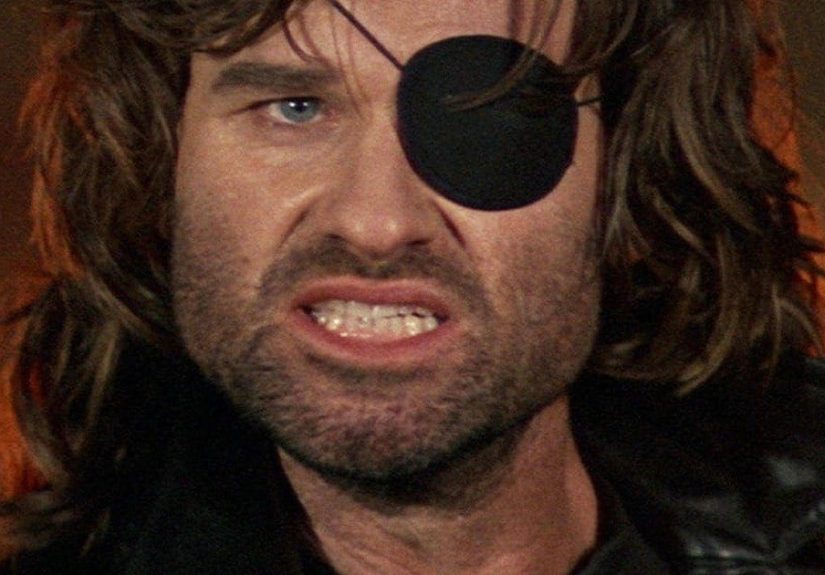
Snake Plissken Still the franchise’s secret sauce. Snake is not “likable”; he’s clear.
He sees hypocrisy, refuses the sales pitch, and keeps moving. - Map to the Stars Eddie The film’s funniest commentary on media culture: a hustler who turns disaster into content and content into currency.
-
Cmdr. Malloy (Stacy Keach) A government enforcer who feels like a bureaucratic bully with military hardware. He’s there to remind you
the system is personal when it wants to be.
Second Tier: The “Flavor” That Fans Remember
- Pipeline An icon of the film’s “why not?” attitude. You either buy it as satire or you don’tbut you remember it.
- Hershe Las Palmas Adds backbone and consequence, grounding the film’s circus in someone’s lived reality.
- The Surgeon General cameo A concentrated burst of “Hollywood nightmare” energy.
Opinions That Actually Hold Up (Even If You Don’t Love the Movie)
Opinion #1: It’s a satire first, an action movie second (but it still wants the action)
Roger Ebert’s take captured the vibe: the film is both mocking the genre and indulging it at the same time. That tension is why some viewers have fun
and others feel whiplash. If you expect sleek dystopian cool, the movie may feel too goofy. If you expect a comic-book lampoon, you may enjoy the audacity.
Opinion #2: The “rehash” criticism is fairand kind of the point
Many critics and fans note that the sequel echoes the original’s structure: Snake is forced into a “prison city,” races a clock, meets oddball allies,
and outsmarts the people who think they own him. That repetition can feel lazy… until you view it as the film’s message: systems don’t change, just the
branding does. New city, same game.
Opinion #3: The movie’s biggest weakness is also its cult fuel
Escape from L.A. swings big. Some effects and set pieces have aged in a way that reads more “theme park ride” than “grim prophecy.”
But that same boldness is what makes it rewatchable. It’s the kind of film where “too much” becomes the charmespecially when you’re watching with friends.
Rankings #4: The Best Set Pieces (Rated by Rewatch Value)
Not “most realistic.” Not “most expensive.” Just “how likely am I to rewatch this scene when I want a hit of pure Carpenter/Russell energy?”
- The film’s opening plunge into its new America Worldbuilding that’s fast, sharp, and loaded with jokes.
- Snake vs. media culture (Eddie’s guided-tour hustle) Satire that still feels uncomfortably familiar.
- The Beverly Hills plastic-surgery nightmare A perfect bite-sized short film inside the larger movie.
- Cuervo’s power play with the Sword of Damocles One of the few moments that feels genuinely menacing in concept.
- The finale’s “choice” The scene that gives the movie its long tail in debates and rankings.
So… Is “Escape from L.A.” Good or Just Fun?
Here’s the most honest answer: it depends on what you want from Snake Plissken.
If you want the lean, grim, haunted cool of Escape from New York, the sequel can feel like a louder cousin who shows up at Thanksgiving
wearing sunglasses indoors. If you want Carpenter and Russell to take a victory lap through dystopian satirewith a bigger budget, bigger jokes,
and bigger “what even is this?” energythen Escape from L.A. is exactly the point.
Commercially, the movie didn’t set the world on fire. It had a substantial budget and earned a modest domestic gross (and a mixed critical response that’s
still reflected in aggregator scores today). But cult reputation doesn’t run on opening-weekend math. It runs on rewatchability, bold choices,
and the kind of ending that makes people argue for decades.
How to Use These Rankings: A “Choose Your Snake” Viewing Guide
If you like tight storytelling and atmosphere
Watch Escape from New York first, then treat L.A. as an alternate-universe remix: same hero, louder world, sharper parody.
If you like campy dystopias and midnight-movie energy
Jump straight into Escape from L.A.. You’ll understand Snake within five minutes. He’s the human embodiment of “not impressed.”
If you like political satire that doesn’t pretend to be polite
Focus on how the movie portrays “moral authority” as branding, punishment as spectacle, and “freedom” as something the powerful redefine whenever convenient.
The jokes are loud, but the target is serious.
The “Escape from L.A.” Experience (500+ Words of Relatable Movie-Night Field Notes)
Watching Escape from L.A. isn’t just watching a filmit’s watching a room react to a film. It’s the kind of movie that changes depending on who’s on
the couch, what snacks are within reach, and whether anyone in the group has declared themselves the official “this makes no sense” referee.
The first experience you’ll probably recognize is the Expectation Check. Someone says, “I loved Escape from New York,” and the room nods
like it’s agreeing to a sacred pact. Then L.A. starts ramping up the satire and the bigger, brasher tone, and you can almost see the group split into two
unofficial teams. Team A starts smiling because they can tell the movie is intentionally leaning into the joke. Team B starts squinting because they want the
cold, stripped-down grit of the original. That split is half the fun.
Then comes the “Wait, are they really doing this?” phasewhen the film serves a sequence that feels like it was designed to trigger a real-time
debate. One person laughs, another groans, and a third says, “Okay, I respect the commitment.” That last person is usually the one who ends up liking the movie
most, because Escape from L.A. rewards viewers who treat it like a comic book that knows it’s a comic book.
Another common viewing experience is realizing how much of the movie is about image. Characters are constantly performing: selling tours, pitching
ideologies, turning rebellion into a brand, turning morality into a billboard. During a rewatch, you start noticing that Snake is the only one who refuses to
perform. He doesn’t give speeches. He doesn’t market himself. He doesn’t try to be “the face” of anything. He’s just the guy who walks through everyone’s
carefully constructed storyline and exposes the wiring.
And then, inevitably, there’s the Post-Movie Ranking Ritual. This film practically dares you to make lists. People start ranking the best set pieces,
the wildest character moments, the most “how did this get approved?” ideas, and the scenes that feel oddly sharp in hindsight. Someone will argue that the movie
is a messy rehash. Someone else will argue that the “rehash” is the satirethat it’s showing how history repeats, just with different costumes and louder slogans.
That conversation is the movie’s secret bonus feature.
The funniest part is that Escape from L.A. often improves with the right atmosphere. Alone, you might judge its rough edges more harshly. With friends,
it becomes a shared event: the movie where everybody has a reaction. It’s also the kind of film that gives you a “favorite moment” based on your personality.
If you’re into cynical humor, you’ll latch onto Snake’s deadpan. If you love satirical worldbuilding, you’ll quote the absurd moral rules. If you enjoy cult-cinema
cameos, you’ll celebrate every time the film drops a new oddball into Snake’s path like a boss battle from a video game.
Finally, there’s the endingan experience that tends to change the tone of the room. People may have laughed at the absurdity, rolled their eyes at the camp,
or cheered at the action, but the last choice Snake makes usually lands with a different kind of weight. Even viewers who didn’t love everything often admit
that the finale is committed, provocative, and memorable. And that’s why the movie survives in rankings and opinions: it doesn’t just want to entertain you.
It wants to leave you with a thought you can’t easily shake off.
Final Take: The Best Way to Rank “Escape from L.A.”
If you’re building a “best movies” list, Escape from L.A. may not be a top-tier masterpiece. But if you’re building a “movies I can rewatch, quote,
argue about, and enjoy with a crowd” list, it’s a serious contender. It’s a sequel that turns up the satire, doubles down on pulp, and gives Snake Plissken
a finale bold enough to keep the conversation alive long after the credits roll.







 Close
Close