
Table of Contents >> Show >> Hide
- Why Online Depression Support Groups Matter
- How to Choose a Safe Online Support Group
- The 9 Best Online Support Groups for Depression in 2022
- 1. Depression and Bipolar Support Alliance (DBSA) Online Groups
- 2. NAMI Connection Recovery Support Groups (National Alliance on Mental Illness)
- 3. Anxiety and Depression Association of America (ADAA) Online Support Community
- 4. 7 Cups: Online Emotional Support & Depression Chat Rooms
- 5. Togetherall: Anonymous 24/7 Peer Support
- 6. HealthUnlocked’s Anxiety and Depression Support Community
- 7. Mental Health America (MHA) on Inspire
- 8. LiveWell Foundation Virtual Depression Support Groups
- 9. Inspire’s Mental Health Communities (Beyond MHA)
- Tips for Getting the Most Out of Online Depression Support Groups
- Real-Life Experiences with Online Depression Support Groups
- “I didn’t talk for weeks, but I still felt less alone.”
- “Video support groups were awkward… until they weren’t.”
- “Late-night chats kept me company when my thoughts were loudest.”
- “Peer support helped me talk more honestly in therapy.”
- “I learned it’s okay to set boundarieseven in ‘helpful’ spaces.”
- “Support groups didn’t cure my depressionbut they made it livable.”
- Final Thoughts
When you’re living with depression, the idea of putting on real pants, leaving the house, and talking about your feelings in a fluorescent-lit room can feel like a side quest you did not sign up for. That’s where online support groups come in. With just a laptop or phone, you can connect with people who actually get it, any time of day, from your couch, bed, or emotional support beanbag.
In this guide, we’ll walk through nine of the best online support groups for depression in 2022. These communities range from structured, nonprofit-run groups to open peer forums and 24/7 chat platforms. They’re not a replacement for professional treatment, but they can be a powerful layer of support, especially if you feel isolated, misunderstood, or just tired of saying “I’m fine” when you’re not.
One quick but important note: If you’re in immediate danger, thinking about self-harm, or feel unable to stay safe, please contact emergency services or, in the United States, call or text 988 to reach the Suicide & Crisis Lifeline. Online support groups are helpful, but emergency care and professional help come first.
Why Online Depression Support Groups Matter
Depression feeds on loneliness. It convinces you that you’re the only one who feels this heavy, this exhausted, this stuck. Online support groups break that illusion. When you log into a group where people casually drop phrases like “brain fog,” “I did the dishes and that’s my big win today,” or “my meds adjustment is wrecking my sleep,” you realize you’re not uniquely brokenyou’re human.
Online support groups for depression can:
- Offer validation from people who’ve lived through similar symptoms and setbacks.
- Provide practical coping tips that actually work in real life, not just on inspirational posters.
- Give you a place to talk about things like medication side effects, work burnout, parenting with depression, or relationship stress.
- Help you feel less alone at 2 a.m. when your thoughts are the loudest.
Many of the strongest communities are hosted or supported by reputable mental health organizations and moderated for safety. Others are peer-led but still have clear guidelines and trained facilitators. The key is choosing a space that feels supportive, not overwhelming.
How to Choose a Safe Online Support Group
Before we dive into specific recommendations, it helps to know what to look for. A high-quality online support group for depression usually has:
- Clear rules and moderation: Guidelines around respectful language, triggering content, and crisis situationsplus moderators who enforce them.
- Privacy and anonymity options: The ability to use a nickname, hide personal details, or post anonymously if you want.
- No pressure to share: You can “lurk” (just read) until you feel comfortable posting.
- Transparency about what they are (and aren’t): Good groups remind you they’re not therapy or emergency care.
- Accessible schedule or 24/7 access: Some groups meet at set times over Zoom; others are ongoing forums or chat spaces you can join anytime.
Trust your gut. If a space feels chaotic, judgmental, or dismissive of professional treatment, that’s a red flag. You deserve support that makes you feel safer, not more stressed.
The 9 Best Online Support Groups for Depression in 2022
1. Depression and Bipolar Support Alliance (DBSA) Online Groups
The Depression and Bipolar Support Alliance (DBSA) runs free, online peer support groups for people living with depression and bipolar disorder. These meetings happen via secure video or teleconference and are facilitated by trained peers who also live with mood disorders.
DBSA groups focus on coping skills, daily challenges, and hope for recoverynot just venting. You can join general depression groups or more specialized ones (like for young adults or specific communities, depending on what’s available). Many people appreciate the predictable structure: introductions, sharing time, and gentle reminders that everyone gets a chance to speak.
Best for: People who like a scheduled, meeting-style group and want to talk face-to-face (or camera-off, audio-only) with others who “get it.”
2. NAMI Connection Recovery Support Groups (National Alliance on Mental Illness)
NAMI (the National Alliance on Mental Illness) offers NAMI Connection, free, peer-led support groups for adults living with mental health conditions, including depression. Many affiliates host these groups online, making them accessible if you can’t attend in person.
Groups follow a structured format and are led by trained facilitators who have lived experience. The focus is on mutual respect, listening without judgment, and sharing coping strategies. You don’t need a formal diagnosis, insurance, or paymentjust a desire to connect.
Best for: Adults who want a reliable, nonprofit-backed support group that treats lived experience as real expertise.
3. Anxiety and Depression Association of America (ADAA) Online Support Community
The Anxiety and Depression Association of America hosts free, anonymous online peer-to-peer communities for people dealing with anxiety disorders, depression, PTSD, and related conditions. Think of it as a large message board where members can post questions, share wins, and respond to others.
While it’s not real-time chat, the community is active, and many users appreciate being able to write longer posts about what they’re going through. There are sections for different conditions and topics, which can make it easier to find people with similar experiences.
Best for: Anyone who prefers posting and reading at their own pace instead of joining scheduled live meetings.
4. 7 Cups: Online Emotional Support & Depression Chat Rooms
7 Cups started as a platform where you could anonymously chat one-on-one with trained “listeners” about whatever you’re going through. Over time, it has grown into a full ecosystem: chat rooms, forums, self-help guides, and optional paid online therapy with licensed professionals.
For depression, you’ll find specific group chat rooms and communities where people share day-to-day struggleslike just getting out of bed, dealing with work stress, or navigating relationships while depressed. The vibe is informal, and you control how much you share. Moderators and community guidelines help keep things supportive and relatively safe.
Best for: Night owls, restless scrollers, and anyone who wants human connection right now without making a big commitment.
5. Togetherall: Anonymous 24/7 Peer Support
Togetherall is a moderated online peer support community focused on mental health, including depression and anxiety. Members can post updates, respond to others, create visual “bricks” to express feelings, and explore self-guided courses and tools. Many universities, employers, and health systems offer free access to Togetherall as part of their mental health resources.
What sets Togetherall apart is its combination of anonymity and professional oversight. Licensed mental health professionals (often called “Wall Guides”) monitor the community 24/7 to step in if posts suggest someone might be in crisis or at risk.
Best for: People who want an always-on, anonymous community with professional oversight in the background.
6. HealthUnlocked’s Anxiety and Depression Support Community
HealthUnlocked is a health-focused social network that hosts hundreds of condition-specific communities. One of its most active spaces is the Anxiety and Depression Support community, where people share daily check-ins, ask questions about symptoms or treatments, and support each other through tough days.
Posts tend to be short and conversationalmore like a friendly group chat than a formal forum. Because HealthUnlocked partners with health organizations, many of its communities have additional links to educational resources and self-help tools.
Best for: People who like a social-media-style feed but want it focused on mental health rather than vacation photos and hot takes.
7. Mental Health America (MHA) on Inspire
Mental Health America, one of the oldest mental health nonprofits in the U.S., moderates an online community on the Inspire platform. There, people living with depression, anxiety, and other mental health conditions can connect in a space designed specifically for health-related conversation.
The MHA on Inspire community combines peer stories, questions, and encouragement with curated resources and tools. Because Inspire is built around health communities, the platform design reflects that: you’ll see condition-based groups, tags for topics like medications or coping skills, and options for connecting with others who share similar experiences.
Best for: Anyone who wants a nonprofit-supported community where mental health is the main focus, not an afterthought.
8. LiveWell Foundation Virtual Depression Support Groups
LiveWell Foundation offers virtual depression peer-support groups that are free, confidential, and designed around research-based strategies for managing symptoms. Groups are typically led by trained peer facilitators and focus on practical skills to reduce relapse risk, build connection, and make day-to-day life more manageable.
Many people appreciate that LiveWell groups are both educational and supportive. Sessions often include structured topicslike sleep, boundaries, or self-compassionalong with time for sharing personal experiences. They also emphasize that they are not a crisis service and direct people in immediate danger to 988 or emergency care.
Best for: People who like a class-style feel: structure, learning, and community all in one.
9. Inspire’s Mental Health Communities (Beyond MHA)
Beyond the MHA-specific forum, Inspire hosts broader mental health communities where people with depression and related conditions can connect. These groups allow you to browse discussions, share your story, and learn from others’ experienceswhether you’re managing depression alone or alongside chronic illness, pain, or other challenges.
Because Inspire spans many conditions, it can be especially helpful if your depression overlaps with another health issue (for example, chronic pain, autoimmune disease, or cancer). You can find people navigating similar combinations and talk about the messy intersections of physical and mental health.
Best for: People whose depression is tied up with other long-term health conditions and who want to talk about the full picture.
Tips for Getting the Most Out of Online Depression Support Groups
Joining a new groupespecially one where people talk about really personal stuffcan feel intimidating. A few gentle strategies can make the experience less overwhelming:
- Start by observing: It’s okay to read posts or sit quietly in a meeting at first. You’re still participating.
- Share at your own pace: You don’t have to tell your whole life story. You can start with “This week was hard, and here’s one small thing I’m proud of.”
- Set boundaries: If certain topics are triggering, it’s okay to step away, mute threads, or leave a group that doesn’t feel right.
- Combine with professional care: Online peer support works best alongside therapy, medication (if prescribed), and other treatmentsnot instead of them.
- Remember you’re allowed to leave: If a group feels more draining than helpful, you’re not stuck. Trying a different space isn’t “quitting”; it’s self-care.
Real-Life Experiences with Online Depression Support Groups
It’s one thing to read a neat list of “best online support groups for depression.” It’s another to actually log in, stare at the screen, and wonder, “What am I supposed to say?” To help make it feel more real, here are some common experiences people report when they start using online support communitiesblended and anonymized from countless stories.
“I didn’t talk for weeks, but I still felt less alone.”
Many people start as “lurkers.” They quietly read posts in a forum like ADAA’s community or the Anxiety and Depression Support group on HealthUnlocked without commenting. At first, it can feel like eavesdropping, but over time, just seeing other people describe the same numbness, guilt, or “foggy brain” can be incredibly validating.
One common turning point is recognizing your own thoughts in someone else’s postthings you’ve maybe never said aloud. You read the supportive replies they get, and it gently challenges the belief that you’re too much, too broken, or too strange to be understood.
“Video support groups were awkward… until they weren’t.”
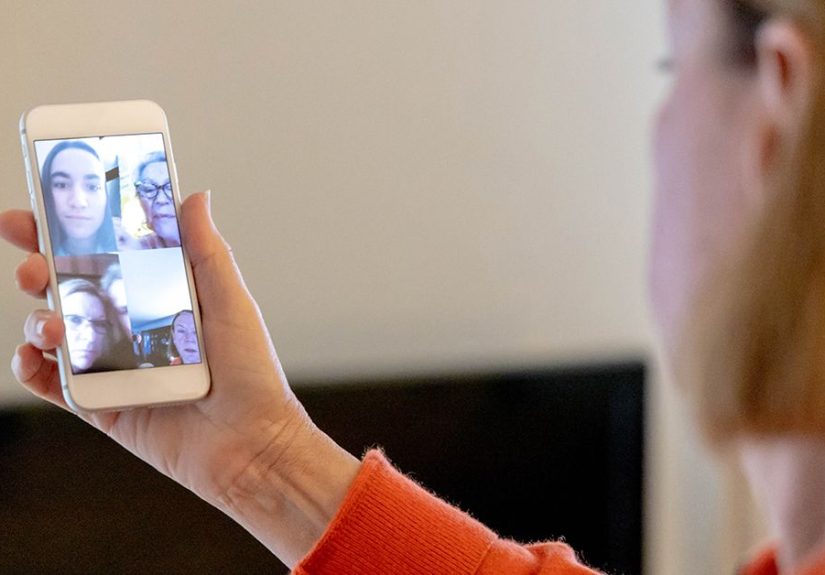
Joining a live video group through DBSA, NAMI, or LiveWell can feel like the emotional equivalent of walking into a room where everyone already seems to know each other. People often worry, “What if I cry?” or “What if I say the wrong thing?” The reality is that most group members are just as nervous.
Over time, many participants say the awkwardness fades. Seeing familiar faces week after week creates a quiet sense of safety. You start noticing small wins: someone who couldn’t get out of bed last month is now walking their dog again; someone who felt hopeless is considering therapy or speaking honestly with their doctor. Those moments don’t magically fix your own depression, but they plant tiny seeds of “Maybe things can shift for me, too.”
“Late-night chats kept me company when my thoughts were loudest.”
Platforms like 7 Cups or Togetherall offer something traditional in-person groups usually can’t: 2 a.m. support. People often describe logging in during sleepless nights when rumination is at its worstworrying about work, relationships, or the future.
Instead of spiraling alone, they find someone posting about the exact same thing, in real time. Even a short reply like “I’m here; I get it; you’re not alone” can soften the edges of a really rough night. Over time, these small interactions can make the difference between feeling stuck in a permanent storm and remembering that storms eventually pass.
“Peer support helped me talk more honestly in therapy.”
A less obvious benefit of online support groups is how they can change the way you show up in professional treatment. After practicing sharing their feelings in peer groups, many people say they feel more confident opening up to therapists, psychiatrists, or doctors.
For example, someone might first admit in a support forum that they’re struggling with suicidal thoughts. When they see others respond with compassion instead of horror, they realize it’s possible to talk about these things safely. That experience can make it easier to bring those thoughts into a therapy session, where a professional can help create a safety plan and adjust treatment.
“I learned it’s okay to set boundarieseven in ‘helpful’ spaces.”
Not every online interaction is perfect. People sometimes encounter posts that are overly negative, advice that doesn’t fit, or personalities that clash. A big part of using online communities in a healthy way is learning to set boundaries: muting threads, blocking users who violate rules, or leaving a group that doesn’t feel right.
Many people say this was surprisingly empowering. Realizing, “I’m allowed to protect my mental health, even in a support group,” can carry over into real lifelike saying no to draining conversations or stepping back from relationships that worsen depression.
“Support groups didn’t cure my depressionbut they made it livable.”
One theme that comes up again and again is this: online support groups rarely feel like a magical fix. Your symptoms don’t vanish because you joined a forum or attended a Zoom meeting. But they can make depression more bearable. They add connection where isolation once lived. They offer stories of recovery when your own hope feels thin. And, on the hardest days, they remind you of something depression tries very hard to make you forget: you don’t have to carry all of this alone.
Final Thoughts
The best online support group for depression is the one you’ll actually usethe one that feels safe, supportive, and sustainable for your life. Some people thrive in structured weekly meetings with DBSA or NAMI. Others prefer the drop-in feel of 7 Cups, the moderated community of Togetherall, or the forum-style conversations on ADAA, HealthUnlocked, or Inspire.
You’re allowed to try a group, decide it’s not for you, and move on. You’re allowed to just read posts for a while before writing anything. You’re allowed to combine peer support with therapy, medication, yoga, medication reminders on your phone, or whatever else helps you stay afloat.
Most importantly, remember this: depression can be loud, but it doesn’t get the final word. Reaching outwhether through an online group, a trusted friend, or a mental health professionalis one way of saying, “I’m still here, and I’m still trying.” That matters. You matter. And you deserve support that recognizes both.







 Close
Close