
Table of Contents >> Show >> Hide
- What Is Garlic-Onion Jam?
- Why This Version Is “Quick” (Without Being “Sad”)
- Quick Garlic-Onion Jam Recipe
- Flavor Analysis: The “Sweet–Savory–Tangy” Triangle
- Best Ways to Use Quick Garlic-Onion Jam
- Variations (Because Your Pantry Has Opinions)
- Storage and Food Safety Notes
- Troubleshooting: Save the Batch
- FAQ
- Home-Cook Experiences: What It’s Like Making Garlic-Onion Jam
- SEO Tags
If caramelized onions are the “little black dress” of the kitchen, garlic-onion jam is the version that shows up
wearing sunglasses, carrying a charcuterie board, and somehow already knowing everyone at the party.
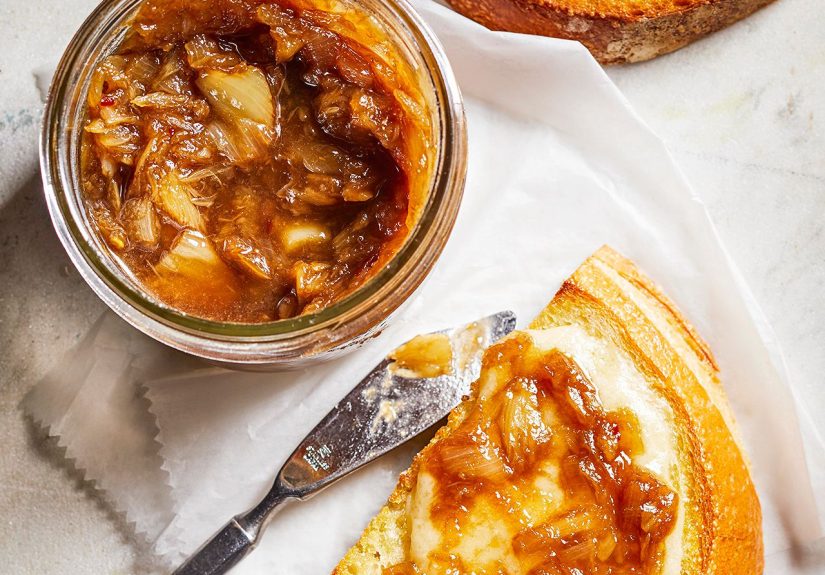
It’s sweet, tangy, savory, and gloriously sticky in the best waylike onions decided to become a condiment with
main-character energy.
This recipe is designed to be quick (about 40–45 minutes, not the traditional multi-hour onion
situation) while still delivering that deep, jammy flavor. You’ll get a spread that’s perfect on burgers, next to
sharp cheese, in grilled cheese sandwiches, or spooned straight onto a cracker when no one is looking
(and honestly… even when they are).
What Is Garlic-Onion Jam?
Garlic-onion jam is a savory-sweet onion condiment cooked down with sugar and vinegar until thick
and glossy. Think of it as onion marmalade’s bolder cousin: alliums (onions + garlic) slowly soften, brown, and
concentrate until they’re silky and spoonable, with a sweet-and-sour balance that makes your taste buds do a tiny
standing ovation.
Unlike fruit jam, this version doesn’t rely on pectin. The “jam” texture comes from moisture evaporating and the
natural sugars concentrating as the mixture reduces. Translation: you’re basically making flavor syrup for
everything you eat.
Why This Version Is “Quick” (Without Being “Sad”)
Traditional onion jam often starts with long, slow caramelization. Delicious, yes. Time-consuming, also yes.
This recipe speeds things up by:
- Slicing onions thin so they soften faster.
- Using medium-high heat early to drive off water quickly.
- Deglazing with a splash of water when needed to prevent scorching while still building browning.
- Adding sugar and vinegar mid-way so the mixture reduces into a glossy jam sooner.
You’ll still get complex flavor, because browning and reduction do the heavy lifting. The goal is not “burnt onion
candy.” The goal is “sticky, savory gold.”
Quick Garlic-Onion Jam Recipe
Ingredients (Makes about 1 1/2 cups)
- 2 tablespoons olive oil (or 1 tablespoon oil + 1 tablespoon butter for extra richness)
- 3 large yellow onions, thinly sliced (about 2 to 2 1/2 pounds total)
- 1/2 teaspoon kosher salt, plus more to taste
- 1/4 teaspoon black pepper
- 4 to 6 cloves garlic, finely minced (about 1 1/2 to 2 tablespoons)
- 1/3 cup packed brown sugar (or 1/4 cup brown sugar + 1 tablespoon maple syrup)
- 1/3 cup balsamic vinegar (or use red wine vinegar for a brighter tang)
- 1/2 cup water, plus more as needed for deglazing
- Optional: 1 teaspoon fresh thyme leaves (or 1/4 teaspoon dried thyme)
- Optional: pinch of red pepper flakes for gentle heat
Step-by-Step Instructions
-
Prep your setup. Use a wide, heavy skillet or Dutch oven. Wider pan = faster evaporation =
quicker jam. Have water nearby for quick deglazing if the pan starts to brown too aggressively. -
Start the onions. Heat oil (and butter, if using) over medium-high heat. Add onions, salt, and
pepper. Toss to coat, then spread into an even layer. -
Cook to soften, then brown (10–15 minutes). Stir every 2–3 minutes. The onions will first get
soft and glossy, then start to pick up golden color. If you see dark bits forming too fast, add 1–2 tablespoons
water and scrape up the fond (that’s flavor, not a crime scene). -
Add garlic and aromatics (2 minutes). Stir in minced garlic and thyme (if using). Cook just
until fragrant. Don’t let garlic burnburnt garlic is the culinary equivalent of stepping on a LEGO. -
Sweeten and acidify. Add brown sugar and stir until it melts into the onions. Pour in balsamic
vinegar and water. Stir, scraping up any browned bits from the pan. -
Reduce to jammy (15–20 minutes). Bring to a lively simmer, then drop heat to medium so it
bubbles steadily without splattering like a tiny onion volcano. Stir every few minutes as it thickens. The jam
is ready when a spoon dragged across the pan leaves a trail that slowly fills in, and the mixture looks glossy
and sticky rather than watery. -
Taste and finish. Adjust salt, pepper, and (if desired) a pinch of red pepper flakes. If it’s
too sharp, add 1–2 teaspoons sugar. If it’s too sweet, add 1–2 teaspoons vinegar. Let cool 10 minutes; it will
thicken more as it cools.
Flavor Analysis: The “Sweet–Savory–Tangy” Triangle
Garlic-onion jam works because it balances three forces that normally fight for control of your palate:
-
Sweet: Onions are naturally sweet once cooked down, and brown sugar adds caramel notes.
Sweetness makes the jam feel rich and “round,” especially next to salty foods like burgers or aged cheese. -
Tangy: Vinegar prevents the jam from becoming cloying. Balsamic adds depth; red wine vinegar
adds brightness; apple cider vinegar adds a fruity snap. -
Savory: Garlic plus onion browning creates deep, almost meaty flavor. Salt is the amplifier
that turns the volume up without changing the song.
The best batches taste like they have “layers.” If yours tastes like one-note sweetness, you likely need a touch
more vinegar and salt. If it tastes harsh or too acidic, you likely reduced too little (or your vinegar is extra
punchy). Simmer a few minutes longer and re-taste.
Best Ways to Use Quick Garlic-Onion Jam
This condiment is basically a social climber. It shows up and immediately upgrades everything in sight.
Try it here:
- Burgers and sliders: Mix with mayo for an instant “fancy sauce.”
- Grilled cheese: Spread inside with sharp cheddar or Gruyère.
- Cheese boards: Pair with goat cheese, brie, blue cheese, or smoked cheddar.
- Roasted vegetables: Spoon over roasted carrots, Brussels sprouts, or sweet potatoes.
- Breakfast: Add to eggs, breakfast sandwiches, or savory oatmeal.
- Sandwiches and wraps: Especially turkey, roast beef, or grilled veggies.
- Pizza and flatbreads: Use as a base instead of red sauce for a sweet-savory twist.
Variations (Because Your Pantry Has Opinions)
1) Spicy Garlic-Onion Jam
Add 1/2 teaspoon red pepper flakes or a chopped jalapeño with the onions. Spicy-sweet onion jam is outstanding on
grilled sausages.
2) Smoky Jam
Add 1/2 teaspoon smoked paprika when you add the sugar. This makes the jam taste like it just came back from a
barbecue wearing a leather jacket.
3) Herb-Forward Jam
Swap thyme for rosemary (use it sparingly) or add a bay leaf during simmering and remove before storing.
4) “Roasted Garlic” Shortcut Option
If you already have roasted garlic on hand, mash 1–2 tablespoons into the jam at the end. Roasted garlic gives a
mellow, sweet depth without risking burnt garlic during cooking.
Storage and Food Safety Notes
This is a refrigerator condiment, not a shelf-stable canning recipe. Store it in a clean jar with a tight lid.
Let it cool, then refrigerate promptly.
- Best quality: Use within 1–2 weeks for peak flavor and texture.
- More cautious window: If you reduced less (so it’s looser) or used less sugar, aim for 5–7 days.
- Freezing: Freeze in small portions (ice cube trays work) for up to 2–3 months; thaw in the fridge.
When in doubt, use your senses: if you see mold, smell anything “off,” or notice fizzing (no, it’s not supposed to
be sparkling), toss it. Also, don’t leave it out for extended periods during servingtreat it like other
perishable spreads.
Troubleshooting: Save the Batch
“It’s burning!”
Lower the heat immediately and add 2 tablespoons water. Scrape up browned bits. If you see black, bitter pieces,
remove what you canburnt flavors spread like gossip.
“It’s too thin.”
Simmer longer, stirring more often as it thickens. Jam thickens further as it cools, so don’t panic at “hot-loose.”
“It’s too sweet.”
Add 1 teaspoon vinegar and a pinch of salt, then simmer 2 minutes and re-taste.
“It’s too sharp/acidic.”
Add 1–2 teaspoons sugar or a small knob of butter for roundness, then simmer a few minutes.
FAQ
Can I use red onions instead of yellow?
Absolutely. Red onions can lean slightly more fruity and vibrant. Yellow onions taste classic and rounded. Sweet
onions cook down beautifully but can push the jam sweeterjust balance with extra vinegar and salt if needed.
Can I use jarred minced garlic?
You can, but fresh garlic tastes cleaner and more aromatic. Jarred garlic can bring a slightly “processed” note.
If that’s what you have, use ityour jam will still be dramatically better than plain ketchup.
Is this the same as caramelized onions?
Related, but not identical. Caramelized onions are browned onions. Onion jam is browned onions plus sugar and
vinegar reduced into a glossy, spreadable condiment.
Can I water-bath can this?
Not unless you’re using a tested, approved preservation recipe with the right acidity and processing times. This
version is designed for the refrigerator (or freezer) only.
Home-Cook Experiences: What It’s Like Making Garlic-Onion Jam
Making garlic-onion jam is one of those cooking experiences that feels oddly therapeuticlike you’re watching a
movie where the plot twist is “the onions become delicious.” At the start, it’s just a pan full of sharp-smelling
slices that make you question your life choices. Ten minutes later, the onions soften and go glossy, and suddenly
your kitchen smells like the opening scene of a fancy restaurant.
Most people notice the biggest emotional moment when the onions begin browning: the scent changes from “raw onion”
to “deep, sweet, almost buttery.” That’s when you realize this isn’t just cookingit’s alchemy with a spatula.
It’s also the moment you learn the value of stirring. If you walk away too long, the pan can develop dark spots,
and you’ll find yourself doing a quick deglaze like a contestant on a cooking show who can hear dramatic music in
the background.
Another common experience: the “Is it done yet?” loop. Jam thickens gradually, then seems to thicken all at once
near the end. Home cooks often describe a last five-minute window where the mixture goes from “soupy onions” to
“sticky condiment” and the bubbles look heavier and slower. The spoon test becomes your best friend. Drag a spoon
through the pan, and when the trail lingerslike it’s leaving footprintsyou’re close. Let it cool slightly, and
it turns even more jammy, which feels like the recipe is quietly high-fiving you.
Serving it is its own mini-adventure. People frequently report that the first time they bring garlic-onion jam to
a get-together, someone makes a skeptical face at the word “jam,” and then immediately asks, “Wait, what is this?
It’s amazing.” It’s a classic underdog condiment: it doesn’t look flashy in the jar, but it makes cheese boards
taste curated, burgers taste chef-y, and sandwiches taste like you planned your lunch instead of just surviving it.
You’ll also discover that garlic-onion jam has a “little goes a long way” personality. A thin smear can transform
a grilled cheese, while a heavy spoonful can dominate a dish. Many home cooks end up using it in two modes:
(1) as a finishing condiment, and (2) as a secret ingredientstirred into pan sauces, whisked into vinaigrettes,
or dotted on roasted vegetables right before serving.
And then there’s storage: that satisfying moment of spooning the finished jam into a jar, watching it glisten, and
knowing Future You just got a gift. Future You will open the fridge at 11:47 p.m., see the jar, and think,
“Yes. Past Me understood the assignment.”







 Close
Close