
Table of Contents >> Show >> Hide
- Why an Old Barrel Makes Such a Great Bar
- Before You Build: Choosing the Right Barrel
- How an Old Barrel Becomes a Bar
- Design Ideas That Make a Barrel Bar Look Finished
- Mistakes to Avoid
- How to Style and Stock Your Barrel Bar
- Does a Barrel Bar Add Value?
- Final Thoughts
- Experiences Related to “Old Barrel Becomes a Bar”
Every great DIY project starts with a dangerous thought: “I can totally make something cool out of that.” In this case, that is an old barrelsturdy, scarred, charming, and just dramatic enough to look like it has stories to tell. Maybe it once held whiskey. Maybe wine. Maybe mystery. Either way, giving it a second life as a bar is one of those rare home projects that feels practical, stylish, and just a little bit legendary.
A well-made DIY barrel bar brings together everything people love about home design right now: reclaimed materials, rustic texture, compact storage, and entertaining space with personality. It is also wonderfully adaptable. A single barrel can become a mini liquor cabinet, a rolling patio drink station, a coffee bar, or a backyard serving hub that makes guests say, “Okay, now this is cool.” That reaction alone is worth at least three trips to the hardware store.
If you have been searching for whiskey barrel bar ideas, wine barrel bar inspiration, or a smart way to turn reclaimed materials into a statement piece, this project checks every box. It is visually rich, surprisingly functional, and far more interesting than buying a generic bar cart with all the soul of an airport chair.
Why an Old Barrel Makes Such a Great Bar
It has character you cannot fake
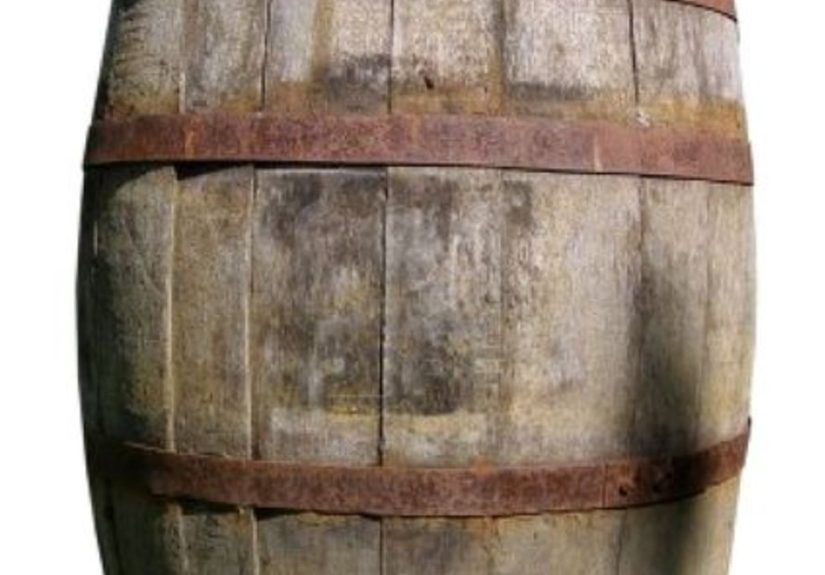
One of the biggest reasons an old barrel becomes a bar so beautifully is that the material already carries built-in charm. The curved staves, aged wood, dark metal hoops, and worn finish create an instant sense of history. Reclaimed materials tend to feel warmer and more personal than mass-produced furniture, and a barrel bar leans into that appeal without trying too hard. It already looks collected, not purchased in a panic at 9:42 p.m. during a furniture sale.
It is compact but useful
A barrel does not take up a huge footprint, but it offers more function than people expect. Add a hinged door, a shelf or two, and a top surface, and suddenly you have storage for bottles, mixers, glassware, napkins, bar tools, or even snacks. For smaller patios, finished basements, game rooms, and covered porches, a rustic home bar made from a barrel is a clever way to add hosting power without installing a full built-in bar.
It works indoors or outdoors
That flexibility is a huge advantage. Indoors, a barrel bar brings warmth and a collected, lounge-like look. Outdoors, it fits right into a relaxed entertaining setup, especially when paired with reclaimed wood, metal accents, stools, string lights, or planters. If finished properly, a barrel bar outdoor setup can look just as intentional as custom patio furniture, but with a lot more personality.
Before You Build: Choosing the Right Barrel
Start with structure, not just looks
Not every old barrel is ready for bar duty. Some are decorative reproductions, some are heavily damaged, and some are one enthusiastic cut away from becoming a pile of expensive kindling. Look for a barrel that feels solid, with staves that are still tight and metal hoops that sit securely in place. A little wear is great. Full-on collapse is less charming.
If the barrel has dried out significantly, the wood may have shrunk. That can create gaps, loosen the hoops, and make the whole structure less stable. For a bar project, especially one that involves cutting doors or adding shelves, you want a barrel that can hold its shape. Think “weathered but dependable,” not “one sneeze from retirement.”
Know what style of bar you want
There is more than one way to turn a barrel into a bar, and deciding on the function first makes the build easier. Common options include:
Single-door cabinet bar: Great for bottles and glassware.
Open-shelf display bar: Better for styling and easy access.
Half-barrel serving station: Ideal for patios and parties.
Mini coffee or cocktail station: Perfect for smaller interiors.
Rolling barrel cart: Excellent if you entertain often and like mobility.
The best barrel bar ideas always match the space. A backyard entertainer needs weather resistance and serving room. A basement bar needs storage, lighting, and a comfortable flow. A front-room statement piece needs polish and proportion.
How an Old Barrel Becomes a Bar
1. Clean it like it has seen things
Old barrels collect dust, residue, grime, and the occasional mystery smell. Begin by brushing away loose debris and wiping the wood thoroughly. Depending on the barrel’s condition, you may need light sanding to smooth splinters, remove flaky finish, and prepare the surface for stain or sealer. The goal is not to erase all age. The goal is to keep the good kind of rustic and lose the “should this be wearing gloves?” energy.
2. Secure the hoops before cutting
This is one of the most important steps in any DIY whiskey barrel bar build. Those metal hoops help hold the barrel together, and once you start cutting into the staves, the structure can shift if the bands are loose. Many successful barrel conversion projects reinforce or fasten the hoops before any major cuts are made. Skip this step and your stylish project may suddenly become abstract art.
3. Mark the door opening carefully
Most barrel bars look best with a centered curved door or pair of narrower doors. Use painter’s tape or a flexible guide to map out the shape before cutting. Keep the opening large enough for storage access but not so wide that you weaken the shell. This is one of those moments where patience pays off. Measure twice, step back dramatically, then measure again.
4. Add shelves and a stable top
Inside the barrel, simple wood shelves create storage for bottles, stemware, mixers, or coffee supplies. If you want a more complete bar experience, top the barrel with a wider wood slab, a round tabletop, or a reclaimed board surface that gives you room for pouring and serving. This small addition can completely change the look, turning the project from novelty piece into truly usable furniture.
5. Choose the right hardware
Hinges, pulls, magnetic catches, and support brackets matter more than people think. Hardware should match the mood of the piece. Black iron feels rustic and industrial. Brass brings warmth and a more vintage look. Hidden hardware can make the bar feel cleaner and more modern. Whatever you choose, the hardware should feel intentional. Random leftover hinges from an old shed door rarely whisper “elevated design.” They usually shout something else.
6. Finish it for the life it will live
If the barrel bar will live indoors, you can focus on appearance and a smooth protective finish. If it will live outside, finishing becomes a bigger deal. Use products suited to exterior conditions, and pay attention to moisture, sunlight, and temperature swings. For covered patios, you have more flexibility. For fully exposed outdoor setups, durability becomes non-negotiable. A gorgeous finish that peels after one hard season is not a design choice. It is a warning label in disguise.
Design Ideas That Make a Barrel Bar Look Finished
Rustic farmhouse style
Pair the barrel with a thick reclaimed wood top, matte black hardware, neutral accessories, and simple shelves. Add enamel mugs, clear glass bottles, and a wood tray, and the piece feels warm and grounded. This look works especially well in kitchens, basements, mudrooms, and covered patios.
Modern speakeasy style
Stain the wood a rich dark tone, polish the hoops, add warm accent lighting, and style the bar with decanters, cocktail books, and minimal glassware. A small lamp or LED strip inside the cabinet can make the whole piece glow. Suddenly your reclaimed barrel looks less “barn sale” and more “private club with excellent old fashioneds.”
Backyard entertaining style
For outdoor use, build the barrel bar into a larger entertaining zone. Add stools, weather-friendly seating, planters, string lights, and a nearby table for snacks. A bar works best when it feels connected to the social flow of the yard. People should be able to grab a drink, lean, chat, and avoid doing a three-point turn with a paper plate in one hand.
Mistakes to Avoid
Choosing looks over condition
A beautiful barrel with weak structure is still a weak barrel. Start with the soundest piece you can find.
Ignoring moisture and movement
Reclaimed wood can shift, and barrel staves are not factory-perfect parts. Expect variation, work carefully, and leave room for reality.
Making the opening too large
Yes, you want access. No, you do not want the barrel to lose integrity. Bigger is not always better.
Forgetting how people actually entertain
A bar is not just an object. It is part of a social setup. Leave enough room around it, think about serving flow, and keep essentials within reach.
Underestimating finishing time
Everyone gets excited about cutting and assembling. Almost nobody gets equally excited about sanding, sealing, curing, and waiting. Unfortunately, the finish is what often separates a charming heirloom piece from a sticky science project.
How to Style and Stock Your Barrel Bar
Keep the essentials simple
A good bar does not need to look like a small airport lounge. Start with the basics: a few favorite bottles, versatile mixers, a shaker, jigger, opener, napkins, and a small collection of glasses. If the barrel bar is being used as a coffee station, swap in mugs, beans, syrups, and a grinder.
Use layers, not clutter
The most attractive reclaimed barrel furniture pieces feel styled but breathable. Add one tray, one plant, one useful tool set, and one piece with height, like a lamp or bottle cluster. Let the barrel itself do some of the visual work. It already has texture, shape, and story.
Think seasonally
One fun advantage of a barrel bar is how easy it is to refresh. In summer, style it with citrus, pitchers, and outdoor glassware. In fall, bring in copper mugs, amber bottles, and warm wood tones. During the holidays, add greenery and a small bowl of garnishes. This piece loves a costume change.
Does a Barrel Bar Add Value?
It may not add appraised square footage or transform your home into a luxury estate overnight, but it absolutely adds lifestyle value. A barrel bar can improve how a room functions, make an outdoor area more inviting, and give your home a memorable focal point. In a market full of spaces that blur together, distinctive pieces help create a sense of identity. They tell visitors that the room was designed, not just assembled.
And honestly, that matters. People remember spaces that feel personal. A barrel bar says something about taste, creativity, and hospitality. It says you like things with texture, function, and a little story behind them. It says you looked at an old barrel and saw potential instead of firewood. That is either vision or mild DIY delusion, but in this case, it works beautifully.
Final Thoughts
Old barrel becomes a bar is more than a catchy project idea. It is a smart example of how reclaimed materials can be transformed into something useful, stylish, and deeply memorable. With the right barrel, a solid plan, good hardware, and a finish suited to the setting, this project can become the kind of piece that anchors a room or defines an outdoor entertaining zone.
Best of all, it does not have to be perfect. In fact, a little imperfection is the whole point. Scratches, grain variation, old marks, dark hoops, and handmade details all help the final result feel authentic. A barrel bar should look like it has lived a life before joining yours. That is exactly what makes it special.
So yes, that old barrel in the corner may be tired. It may be dusty. It may be one eyebrow raise away from being called junk. But with vision, patience, and a little sawdust on your shoes, it can become the best seat in the houseor at least the place where the drinks live.
Experiences Related to “Old Barrel Becomes a Bar”
One of the most interesting things about turning an old barrel into a bar is that the experience is rarely just about building furniture. It usually becomes part project, part conversation, and part memory machine. People start with the barrel because it looks cool, but what they end up loving is how the piece changes the way a space feels. A plain patio suddenly feels like a destination. A basement corner stops looking forgotten and starts looking intentional. Even a small covered porch can feel like the kind of place where neighbors linger longer than they planned.
There is also a very specific kind of satisfaction that comes from working with something imperfect. A barrel is not neat lumber from a store rack. It has curves, gaps, quirks, and history. You do not really boss it around. You negotiate with it. That experience can be frustrating in the moment, especially when a shelf needs trimming for the third time or a door refuses to sit exactly right. But that is also what makes the finished piece feel personal. When you build with reclaimed materials, the project pushes back a little. Strangely enough, that often makes the result more rewarding.
Many people also discover that a barrel bar changes how they host. Before the project, drinks might have been scattered across the kitchen counter, coffee supplies hidden in cabinets, or party items carried outside in three awkward trips. Afterward, everything has a home. Glasses go here. Bottles go there. Napkins stay tucked inside. Garnishes sit on top. The space begins to work better, and guests notice. They gather around it naturally because the piece feels welcoming. It has presence without being flashy.
Another common experience is that the barrel bar becomes a conversation starter even when no one is drinking anything fancy. People ask where the barrel came from, how long it took to build, whether it was difficult to cut, and whether it used to hold whiskey or wine. Suddenly a functional item becomes part of the storytelling of the home. That is hard to get from mass-produced furniture. A store-bought cabinet might be useful, but it rarely inspires someone to say, “Wait, you made this?” with genuine admiration.
Seasonal use adds another layer to the experience. In warm months, a barrel bar often becomes the social center of a yard, deck, or patio. In cooler weather, it can shift into an indoor role as a coffee station, hot chocolate bar, or cozy cocktail corner. That kind of versatility gives the project staying power. It is not a one-season gimmick. It adapts, evolves, and keeps earning its place.
Perhaps the most meaningful experience, though, is the sense of rescue. There is something deeply satisfying about taking an old object that might have been discarded and giving it a second chapter. The barrel no longer sits unused. It becomes useful again, and in a more visible way than before. It is appreciated daily. That feelingof saving something beautiful and making it part of ordinary lifeis a big reason projects like this stay popular. They are not just decorative. They feel good. And honestly, that may be the best reason of all to build one.






 Close
Close