
Table of Contents >> Show >> Hide
- What Is Active Release Technique?
- What Conditions Is ART Commonly Used For?
- Reported Benefits of Active Release Technique
- What Does the Research Actually Say?
- Potential Risks and Side Effects
- Who Should Be Careful With ART?
- How to Tell Whether ART Is Helping
- How to Choose an ART Provider
- Experiences Related to Active Release Technique: What People Often Notice
- Final Takeaway
If your muscles have ever felt like they signed a long-term lease on stiffness, you have probably looked into every possible fix: stretching, foam rolling, massage guns, yoga, and maybe that one tennis ball currently living under your desk. Somewhere on that list, Active Release Technique, often called ART, tends to pop up. It is popular with runners, lifters, desk workers, weekend warriors, and people whose bodies have decided that “tight” is now a personality trait.
ART has a strong reputation in sports medicine and rehab circles, especially for overuse injuries and nagging soft-tissue pain. But reputation and research are not always twins. Sometimes they are just cousins who look alike at family gatherings. That is why this article focuses on reported benefits and risks, not miracle claims. We will cover what Active Release Technique is, how it is typically used, what people say it helps, where the evidence looks promising, where it is thin, and when caution matters.
The short version: ART may help some people with pain, tissue tightness, mobility limits, and movement-related discomfort, especially when it is part of a broader treatment plan. But it is not magic, it is not risk-free, and it is not the best fit for every body or every diagnosis.
What Is Active Release Technique?
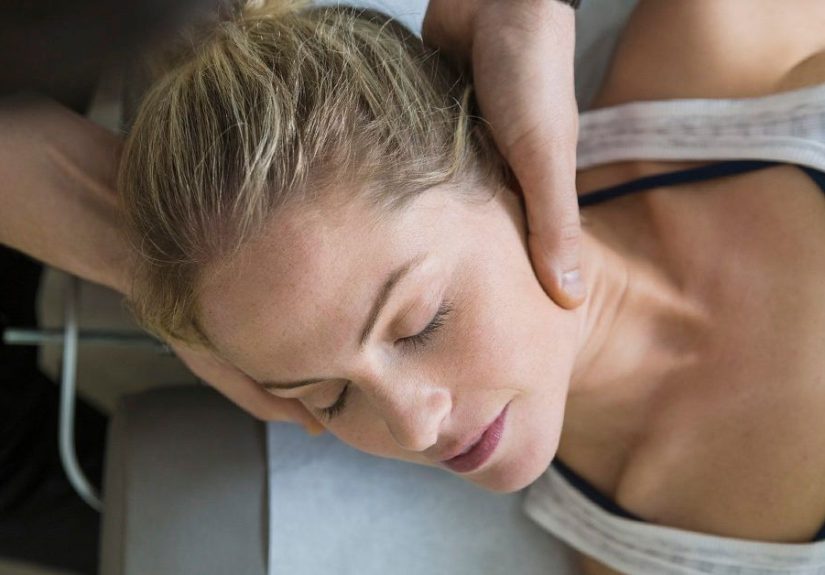
Active Release Technique is a patented hands-on soft-tissue treatment designed to address problems involving muscles, tendons, ligaments, fascia, and nerves. In a typical ART session, the provider uses manual pressure while guiding the patient through specific movements. That combination of touch plus motion is the calling card of the technique.
The basic idea is straightforward: when tissues become irritated from overuse, poor mechanics, repetitive movement, trauma, or prolonged postures, they may become tender, tight, or less tolerant of movement. ART aims to improve how those tissues glide, stretch, and function. In plain English, it tries to help cranky tissue stop acting like a rusty zipper.
Compared with a standard relaxation massage, ART is usually more targeted. Instead of a general full-body session meant to melt stress, the provider often focuses on a specific area, such as a calf, shoulder, forearm, hip flexor, hamstring, or upper back. The session may feel more clinical than spa-like, which is not necessarily bad unless you arrived hoping for candlelight and whale sounds.
How ART Is Usually Performed
Most ART sessions begin with an assessment. The provider asks where it hurts, what movements trigger symptoms, what your training or work routine looks like, and whether the problem feels sharp, dull, burning, stiff, or weak. Then comes the hands-on portion. The clinician places tension on the affected tissue and asks you to move the body part through a range of motion. This may be repeated several times from different angles.
The treatment is often brief and specific. A provider may work on the tissue that hurts, but they may also treat nearby areas that seem to be contributing to the problem. For example, an office worker with wrist or forearm pain may also have shoulder or neck mechanics that deserve attention. A runner with Achilles discomfort may end up discussing calf strength, ankle mobility, and training load rather than only getting bodywork on the tendon itself.
What Conditions Is ART Commonly Used For?
ART is most often discussed for musculoskeletal problems, especially those linked to repetitive strain or overuse. Common examples include:
- Neck and shoulder tension
- Low back pain
- Plantar fasciitis symptoms
- Tennis elbow or golfer’s elbow
- Carpal tunnel-type irritation
- IT band complaints
- Hamstring or hip tightness
- Shin splints and calf tightness
- Reduced range of motion after overtraining or prolonged inactivity
That does not mean ART is proven for every one of these problems. It simply means these are the kinds of complaints that tend to send people looking for soft-tissue treatment in the first place. The more accurate question is not “Does ART fix this?” but rather “Could ART be one helpful part of the management plan for this?” That is a much smarter question, and frankly a more adult one.
Reported Benefits of Active Release Technique
People who like ART usually do not describe it in abstract clinical language. They say things like, “My shoulder stopped catching,” “My calf finally loosened up,” or “I could turn my head without making a face.” Those reports line up with the most commonly discussed benefits of soft-tissue and myofascial work in general.
1. Pain Relief
The most obvious reported benefit is reduced pain. Some people notice a decrease in soreness or tension immediately after treatment. Others feel relief after several sessions, especially when ART is combined with exercise, activity changes, or physical therapy. This may be especially relevant for people dealing with stubborn soft-tissue discomfort rather than a serious structural injury.
That said, pain relief can be complicated. A treatment can help temporarily without solving the underlying reason the pain developed. If your shoulder hurts because you work ten hours a day with your elbows floating in the air and your keyboard somewhere near another zip code, no amount of manual therapy will fully out-negotiate your setup forever.
2. Improved Range of Motion
Another commonly reported benefit is better movement. People often seek ART because a joint feels restricted, a muscle feels shortened, or a movement pattern feels blocked. Manual therapy and myofascial techniques may improve range of motion for some individuals, at least in the short term. This can be useful when the goal is to restore more comfortable movement during sports, work, or daily activity.
For example, a recreational lifter who struggles to squat without hip pinching may find that targeted soft-tissue work makes it easier to move more freely. But the bigger win usually comes when that temporary improvement is followed by strengthening and motor-control work, not when the patient goes home and does absolutely nothing except admire the temporary miracle.
3. Less Muscle Tension and Better Tissue Tolerance
Some patients report that treated areas feel less guarded or less “ropey” afterward. Whether you call that tension reduction, improved tissue glide, or simply “my traps stopped acting dramatic,” the result can be meaningful. When a muscle no longer feels like it is bracing for impact 24/7, movement often feels easier.
4. Better Function During Activity
ART is especially popular among active people because the goal is not only symptom relief but also function. A runner may care less about the textbook name of the tissue involved and more about whether they can finish a long run without calf pain. A tennis player may want a more comfortable serve. A parent may simply want to pick up a toddler without feeling like they threw their back out while reaching for a sippy cup.
In these cases, the reported benefit is not just “less pain.” It is “I can do more with less aggravation.” That distinction matters.
5. A Sense of Relaxation and Body Awareness
Although ART is more targeted than a spa massage, some people still experience a general sense of relief afterward. Hands-on therapy can improve body awareness, reduce stress around movement, and help patients feel more connected to what their body is doing. For people who have been guarding, bracing, or fearing movement, that alone can be helpful.
What Does the Research Actually Say?
Here is where the conversation gets more interesting and less sales-brochure-ish.
The broader research on massage therapy, manual therapy, and myofascial release suggests that these approaches may help some types of pain and movement limitation, particularly in the short term. Evidence exists for benefits in certain musculoskeletal conditions, including some cases of neck pain, knee osteoarthritis symptoms, fibromyalgia symptoms, and acute or subacute low back pain. But the evidence is not uniformly strong, and benefits are often modest or temporary.
That matters because ART is part of this larger family of hands-on soft-tissue care. There is a reasonable basis for why some people improve with it, especially when it is used thoughtfully. At the same time, high-quality research specific to ART is much more limited than the marketing around it. In other words, there is more confidence around manual therapy as a category than around ART as a singular hero.
So, what is the practical takeaway? ART may be useful, especially for soft-tissue complaints tied to movement, overuse, or restricted mobility. But it is usually best viewed as a tool, not a complete treatment philosophy. The strongest results often happen when hands-on work is paired with exercise, load management, ergonomic changes, sleep improvement, and a sensible return-to-activity plan.
Potential Risks and Side Effects
Because ART is a hands-on therapy, it is often marketed as gentle or low risk. In many cases, that is fair. But “low risk” is not the same as “no risk,” and it is wise to keep both feet on planet reality.
Common, Mild Side Effects
Many people feel some temporary soreness after a session. This is one of the most common experiences with myofascial and manual work. Mild tenderness, a bruised feeling, or fatigue later in the day can happen, especially if the treatment is more aggressive or the tissue was already irritated.
Some people also experience a short-term flare-up before things calm down. That is not ideal, but it is not unusual. The key question is whether the reaction is mild and short-lived or whether it is clearly too much for the person’s condition.
Less Common but More Serious Risks
Serious complications appear to be rare with massage and myofascial therapy, but they have been reported. These can include internal bleeding, nerve irritation or injury, severe bruising, and other complications in higher-risk individuals. Vigorous deep-tissue approaches may carry more concern, particularly in people who are medically vulnerable.
This is one reason provider judgment matters. A skilled clinician should know when to use lighter pressure, when not to treat a specific area, and when a patient needs medical evaluation rather than another round of bodywork.
Who Should Be Careful With ART?
ART is not appropriate for every situation. You should be more cautious, or talk with a qualified healthcare professional first, if you have:
- Open wounds, burns, or skin that is fragile
- A recent fracture or suspected fracture
- Deep vein thrombosis or clotting concerns
- A bleeding disorder or low platelets
- Use of anticoagulant or blood-thinning medication
- Acute infection in the area being treated
- Severe unexplained swelling, numbness, or weakness
- Major pain after trauma that has not been medically assessed
Pregnant patients, older adults with fragile tissues, and people with complex medical conditions should also get individualized guidance rather than assuming all bodywork is automatically safe. If a provider seems annoyed by your medical history questions, that is a red flag, not a personality quirk.
How to Tell Whether ART Is Helping
One of the biggest mistakes people make with manual therapy is judging success only by what happens on the treatment table. The better test is what happens after.
Helpful questions include:
- Are you moving more easily over the next few days?
- Can you do daily activities with less discomfort?
- Is your exercise tolerance improving?
- Are flare-ups less frequent or less intense?
- Are you becoming less dependent on treatment over time?
If the answer is no after multiple visits, it may be time to reassess the diagnosis, the treatment plan, or the provider. Manual therapy should ideally create a window for progress, not a subscription model for endless rescue visits.
How to Choose an ART Provider
If you want to try ART, credentials matter. Look for a licensed healthcare professional or therapist working within their scope of practice, and ask direct questions. How often do they treat your kind of problem? What do they think is driving it? What should improvement look like? Will treatment include exercise, movement retraining, or self-care guidance?
The best providers usually do not act like their thumbs are the entire healthcare system. They assess, treat, explain, modify, and give you a plan. They also know when not to treat and when to refer out.
Experiences Related to Active Release Technique: What People Often Notice
Experiences with Active Release Technique can vary a lot, but there are some common themes that come up again and again. The first is that ART usually does not feel like a nap. People going in for their first session often expect a relaxing massage and are mildly betrayed when they realize the treatment is much more precise. A provider may pin down a tight structure with their hands and then ask the patient to move the limb in a specific way. The result can feel intensely targeted, almost like the therapist found the exact line in the body where all the grumpiness lives.
During the session, patients often describe sensations such as pulling, stretching, tenderness, or a “good hurt.” That phrase gets overused, but it fits here. The pressure may be uncomfortable without feeling alarming. When treatment is well matched to the patient, the discomfort usually feels purposeful rather than chaotic. If it feels sharp, burning, scary, or dramatically worse, that is not the time to be a hero. Good providers want feedback.
Emotionally, the experience can be surprisingly reassuring for people who have felt stuck. There is something powerful about having a clinician say, “I can reproduce your symptoms, and I can also help you move through them.” For someone who has been foam rolling themselves into another dimension with no results, that kind of specificity feels hopeful. On the flip side, some patients leave underwhelmed after one visit because they expected fireworks and got only a subtle change. That happens too.
Right after treatment, many people report one of three things: they feel looser, they feel sore, or they feel both at once. A runner might say their stride feels smoother. A desk worker might notice they can rotate their neck farther backing out of a parking spot. A lifter may feel that a squat or overhead press suddenly moves with less resistance. Others need a day or two before they can tell whether the session helped or simply poked the bear.
The longer-term experience is where ART either earns its reputation or loses it. Patients who do best often use the session as a springboard. They follow it with the boring but beautiful basics: strengthening weak areas, improving posture or workstation setup, adjusting training load, warming up better, sleeping more, and easing off habits that keep re-irritating the tissue. In those cases, ART can feel like the thing that “unlocked” progress. It creates room for better movement, and the patient actually uses that room.
People who do less well often chase repeated short-term relief without changing anything that feeds the problem. They feel better for a day, return to the same mechanics, and then end up back on the table like a season pass holder. That is not always the provider’s fault, and it is not always the patient’s fault either. Sometimes the diagnosis is incomplete, the expectations are off, or the problem needs a different kind of care.
So the real-world ART experience is not just about what happens under the provider’s hands. It is about context. For the right person, at the right time, with the right plan, ART can feel impressively effective. For the wrong problem, it may feel like a very expensive argument with your hamstring. The difference is usually not hype. It is matching the technique to the person, the condition, and the follow-through.
Final Takeaway
Active Release Technique may offer meaningful relief for some people with soft-tissue pain, movement restrictions, and overuse-related complaints. The reported benefits usually center on reduced tension, temporary pain relief, improved mobility, and better function during daily life or exercise. Those outcomes make sense within the larger evidence on massage, manual therapy, and myofascial work.
Still, this is not a cure-all. The best evidence supports a measured view: ART can be helpful, but it works best when it is part of a bigger strategy rather than a one-trick fix. It also carries potential downsides, from mild soreness to rare but important complications in higher-risk patients.
If you are considering ART, the smartest move is not blind optimism or instant skepticism. It is a good evaluation, a qualified provider, clear goals, and a treatment plan that helps you depend less on the table over time, not more. That is usually a sign the therapy is doing its job.






 Close
Close