
Table of Contents >> Show >> Hide
- What Is Vinyl Flooring, Really?
- Main Types of Vinyl Flooring
- How Vinyl Flooring Is Built (and Why It Matters)
- Pros and Cons of Vinyl Flooring
- Best Rooms for Vinyl Flooring
- Cost, Installation, and DIY Friendliness
- How to Choose Quality Vinyl Flooring
- Care, Cleaning, and Long-Term Maintenance
- Common Mistakes to Avoid with Vinyl Flooring
- Real-Life Vinyl Flooring Lessons from the Field
- Wrapping It All Up
If you love the look of hardwood or stone but not the price tag (or the anxiety every time
someone spills a drink), vinyl flooring might be your new favorite housemate. Today’s vinyl
is a far cry from the shiny kitchen sheets you remember from your grandparents’ place. Modern
vinyl flooring can be chic, durable, waterproof, and surprisingly convincing at mimicking
high-end materials.
In true This Old House spirit, this guide walks you through everything you need to know:
types of vinyl flooring, how it’s built, where it works best, what it costs, how to choose a
quality product, and how to keep it looking great for years. We’ll also sprinkle in some
real-world experience so you can avoid the most common mistakes homeowners make.
What Is Vinyl Flooring, Really?
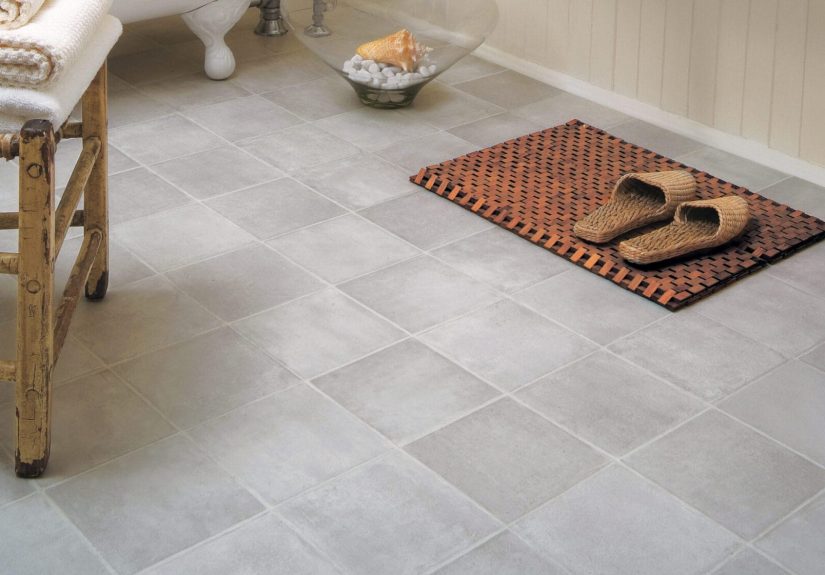
Vinyl flooring falls under the umbrella of “resilient flooring”—it has a bit of give underfoot,
unlike tile or stone. It’s made primarily from PVC (polyvinyl chloride) and layered to create a
surface that’s tough, water-resistant, and easy to clean. Depending on the product, vinyl can come
in big rolls, individual tiles, or planks that click together like a puzzle.
The big selling points? Vinyl flooring is:
- More affordable than most hardwood and many tile options
- Comfortable underfoot with a slight softness
- Highly water-resistant and often fully waterproof
- Available in a huge range of styles, from rustic oak to sleek concrete
Main Types of Vinyl Flooring
Sheet Vinyl
Sheet vinyl is the classic big-roll material that can cover a whole room with minimal seams.
It’s often used in bathrooms, laundry rooms, and utility spaces where water is a concern and
you don’t want moisture sneaking between seams.
Pros: Fewer seams (great for moisture resistance), budget-friendly, quick coverage
over large areas.
Cons: Repairs can be tricky, patterns may look less realistic than luxury vinyl,
and installation usually requires more skill for clean, tight edges.
Vinyl Tile (VCT and Standard Vinyl Tiles)
Vinyl tiles come in squares, often used in commercial spaces, basements, and utility areas.
Some tiles are peel-and-stick, making them approachable for DIYers; others glue down for
a more permanent installation.
Pros: Easy to replace individual tiles, good for patterned floors (checkerboard, anyone?).
Cons: More seams for water to find, can feel a bit “commercial” depending on style.
Luxury Vinyl Plank (LVP) and Luxury Vinyl Tile (LVT)
Luxury vinyl plank (LVP) and luxury vinyl tile (LVT) are the stars of the modern vinyl world.
LVP is shaped like wood planks, while LVT often mimics stone, ceramic, or patterned tile.
Many products feature deep embossing, realistic wood grain, and beveled edges that make them
look surprisingly close to the real thing.
Most LVP and LVT products are either:
- Floating click-lock floors (no glue, click together over underlayment)
- Glue-down planks or tiles (more permanent, ideal for high-traffic or commercial areas)
Pros: Very realistic appearance, highly water-resistant or waterproof, comfortable, versatile
for many rooms.
Cons: Quality can vary dramatically; cheap products may scratch easily or look “plasticky.”
SPC and WPC Rigid Core Vinyl
Under the luxury vinyl umbrella you’ll often see SPC (stone plastic composite) and WPC
(wood plastic composite) cores. These are rigid versions of vinyl plank designed to be
extremely stable and resistant to temperature changes and moisture.
- SPC: Denser, thinner, very stable; great for high-traffic areas and uneven subfloors.
- WPC: Slightly softer and warmer underfoot; often feels more cushioned and quiet.
How Vinyl Flooring Is Built (and Why It Matters)
The performance of vinyl flooring is all about its layers. A typical plank or tile includes:
- Wear layer: The clear top coat that protects against scratches and stains.
- Print layer: The high-resolution image that makes it look like wood, stone, or concrete.
- Core: Flexible or rigid vinyl, SPC, or WPC that gives the floor stability.
- Backing layer: Adds support and sometimes extra sound insulation.
When you’re comparing products, don’t just fall for a pretty pattern. Pay attention to:
-
Total thickness: Many residential LVP/LVT products range roughly from about 3 mm to 8 mm. Thicker
planks often feel more solid and can better bridge tiny imperfections in the subfloor. -
Wear layer thickness: Common residential wear layers are around 6–12 mil (and up to 20 mil or more
for heavy-duty use). A thicker wear layer usually means better scratch resistance and longer life. -
Core type: Standard flexible vinyl is fine for many uses, while SPC/WPC rigid core products shine in
busy households, basements, and areas with temperature swings.
Pros and Cons of Vinyl Flooring
Advantages of Vinyl Flooring
- Budget-friendly: You can get a high-end look without needing a high-end budget.
- Water-resistant or waterproof: Ideal for kitchens, baths, laundry rooms, mudrooms, and basements.
- Comfort and quiet: Softer and quieter than tile; many products include sound-dampening backing.
- Design flexibility: From classic oak and herringbone to terrazzo and modern concrete looks, options are nearly endless.
- Low maintenance: Regular sweeping and occasional damp mopping are usually all you need.
Drawbacks to Keep in Mind
-
Not as prestigious as real hardwood or stone: Great look, but doesn’t carry the same resale “wow”
factor in some markets. - Can scratch or gouge: Heavy furniture, pet claws, or sharp objects can damage the wear layer on lower-quality products.
-
Subfloor prep matters: Vinyl will telegraph major bumps and dips; a poorly prepared subfloor can
lead to gaps and movement. - Sun fading: In rooms with tons of direct sunlight, cheaper vinyl can fade over time if not UV-protected.
Best Rooms for Vinyl Flooring
One of vinyl flooring’s superpowers is its versatility. It can work almost anywhere, but some rooms are especially
well-suited:
- Kitchens: Vinyl shrugging off spills and splatters while offering a bit of softness underfoot? Yes, please.
-
Bathrooms and laundry rooms: Waterproof and resistant to humidity, vinyl is a smart alternative to
cold tile. -
Basements: Luxury vinyl plank or tile is a favorite for finished basements thanks to its moisture resistance
and warmth compared to bare concrete. - Entryways and mudrooms: Easy to clean, tough enough for shoes, bags, and pet traffic.
-
Living spaces and bedrooms: With realistic wood looks, LVP can seamlessly run from main spaces into bedrooms
for a unified look.
Cost, Installation, and DIY Friendliness
Vinyl flooring covers a wide price range. Material costs can start on the low end for basic sheet vinyl and climb for
premium designer LVP/LVT with ultra-thick wear layers. Installation cost varies based on the product type and subfloor
condition.
Many homeowners tackle click-lock LVP and LVT as a DIY project. The basic steps usually include:
- Checking and prepping the subfloor (clean, dry, level, and smooth).
- Rolling out or placing underlayment if required.
- Planning the layout to avoid sliver cuts along walls.
- Clicking planks together or spreading adhesive for glue-down products.
- Cutting planks at walls and obstacles with a utility knife or saw.
- Adding baseboards or shoe molding to cover expansion gaps.
If your room has a lot of complicated angles, built-ins, or transitions, or if you’re dealing with a tricky subfloor,
hiring a pro can be money well spent.
How to Choose Quality Vinyl Flooring
Staring at a wall of vinyl samples can feel like speed dating for floors. To pick a long-term match, focus on:
-
Thickness and wear layer: For active households with kids and pets, look for a thicker overall plank
and a robust wear layer. -
Warranty: A longer residential warranty (15–25 years or more on wear) is a good sign the manufacturer
trusts its product. -
Texture and realism: Embossed surfaces that line up with the printed grain (called emboss-in-register)
look and feel more like real wood or stone. -
Core and stability: Rigid core (SPC/WPC) is often a smart choice over imperfect subfloors and in rooms
with temperature swings. -
Indoor air quality: Look for certifications like FloorScore or low-VOC labels if you’re sensitive to
chemicals or odors.
Care, Cleaning, and Long-Term Maintenance
The good news: vinyl flooring is pretty low-maintenance. The bad news: it’s still possible to ruin it with the wrong
cleaning routine. A few rules of thumb:
- Sweep or vacuum regularly with a hard-floor setting to remove grit that can scratch.
- Use a lightly damp mop with a mild, vinyl-safe cleaner when needed.
- Skip harsh chemicals like ammonia or full-strength bleach; they can damage the wear layer.
- Avoid abrasive scrub pads and scouring powders that can dull the surface.
- Use felt pads under furniture legs and lift, don’t drag, heavy pieces.
For most everyday messes, a soft mop, warm water, and a small amount of gentle detergent will handle the job. Wipe up
spills promptly, especially in glue-down installations where moisture can creep into seams and edges. With a simple
routine, your vinyl flooring can look good for many years without fancy polishes or waxes.
Common Mistakes to Avoid with Vinyl Flooring
-
Skipping subfloor prep: Vinyl is forgiving, but not magical. Big humps, dips, or crumbling old
underlayment will show up later as movement or visible ridges. -
Ignoring acclimation: Many rigid core products need time to acclimate to the room’s temperature
before installation to reduce expansion issues. - Using steam mops: High heat and excess moisture can weaken adhesives or harm some products over time.
-
Choosing style over durability: That gorgeous pale floor with tiny wear layer may not love your
80-pound dog as much as you’d hoped.
Real-Life Vinyl Flooring Lessons from the Field
Talk to homeowners and pros who work with vinyl flooring every week and you’ll hear a similar story: when chosen and
installed well, vinyl can be the “set it and forget it” floor that quietly does its job in the background.
One homeowner swapped aging laminate in a busy open-plan living area for a mid-range rigid core luxury vinyl plank.
The household included two kids, a large dog, and a constant flow of neighborhood friends. The verdict after a couple
of years? The floor still looked nearly new. The biggest maintenance chore was keeping dog hair under control, not
worrying about spilled juice or wet shoes by the back door.
Another family refinished their original hardwood upstairs but chose luxury vinyl plank for the basement family room.
The basement had a history of dampness during heavy rains, and they didn’t want to gamble on hardwood or traditional
laminate. The vinyl floor handled an unexpected minor leak with nothing more than a round of fans and dehumidifiers.
Once everything dried out, the planks looked exactly the same, and the family was very glad they hadn’t installed
anything more moisture-sensitive.
DIYers often say their first vinyl project feels intimidating, then quickly becomes addictive. Click-lock planks
are especially satisfying once you get the hang of tapping them together tightly. The key lessons they report:
- Invest time in layout. Dry-fit a few rows to make sure you don’t end up with tiny slivers at one wall.
- Use the right saw or scoring tools, and change blades when cuts start to fuzz or chip.
- Be patient around doorways, stair noses, and vents; those detail cuts make or break the final look.
On the flip side, most regrets with vinyl flooring come from cutting corners:
- Buying the absolute cheapest product and discovering that chair legs and pet claws leave instant marks.
- Skipping an underlayment where it’s recommended, resulting in a hollow, clicky sound when you walk.
- Ignoring manufacturer instructions on expansion gaps and then seeing buckling in sun-drenched rooms.
Professional installers are quick to point out that vinyl isn’t bulletproof, but it is very forgiving when treated
well. They recommend choosing a quality product that fits your household’s reality instead of the life you imagine
you’ll have “after we stop letting the kids rollerblade in the kitchen.”
In older homes especially, vinyl flooring can be a hero. It can bridge slightly uneven surfaces, work with radiant
heat systems (check product specs), and offer the look of classic materials while standing up to modern life. For
historic houses where you want to protect original wood floors, a well-chosen vinyl floor in the kitchen or mudroom
can take the daily abuse, while the original floors shine in the more formal spaces.
The bottom line? Vinyl flooring isn’t trying to be something it’s not. It’s a practical, hardworking choice that
happens to look better every year as technology improves. If you respect its limits, choose a product with a solid
wear layer and robust warranty, and install it over a well-prepped subfloor, vinyl can be one of the easiest,
most stress-free upgrades you make to your home.
Wrapping It All Up
Vinyl flooring has evolved into a stylish, resilient, and budget-conscious alternative to hardwood and tile. With
options from simple sheet goods to realistic luxury vinyl plank and tile, plus rigid core systems that laugh in the
face of moisture, there’s a vinyl product for almost every room in the house.
Think about how your household actually lives: kids, pets, hobbies, and all. Then match a quality vinyl floor with
the right thickness, wear layer, and installation method. Take your time on prep, follow the manufacturer’s
instructions, and stick to a simple, gentle cleaning routine. Do that, and you’ll have a floor that quietly works
hard for you every single day—without demanding much in return.






 Close
Close